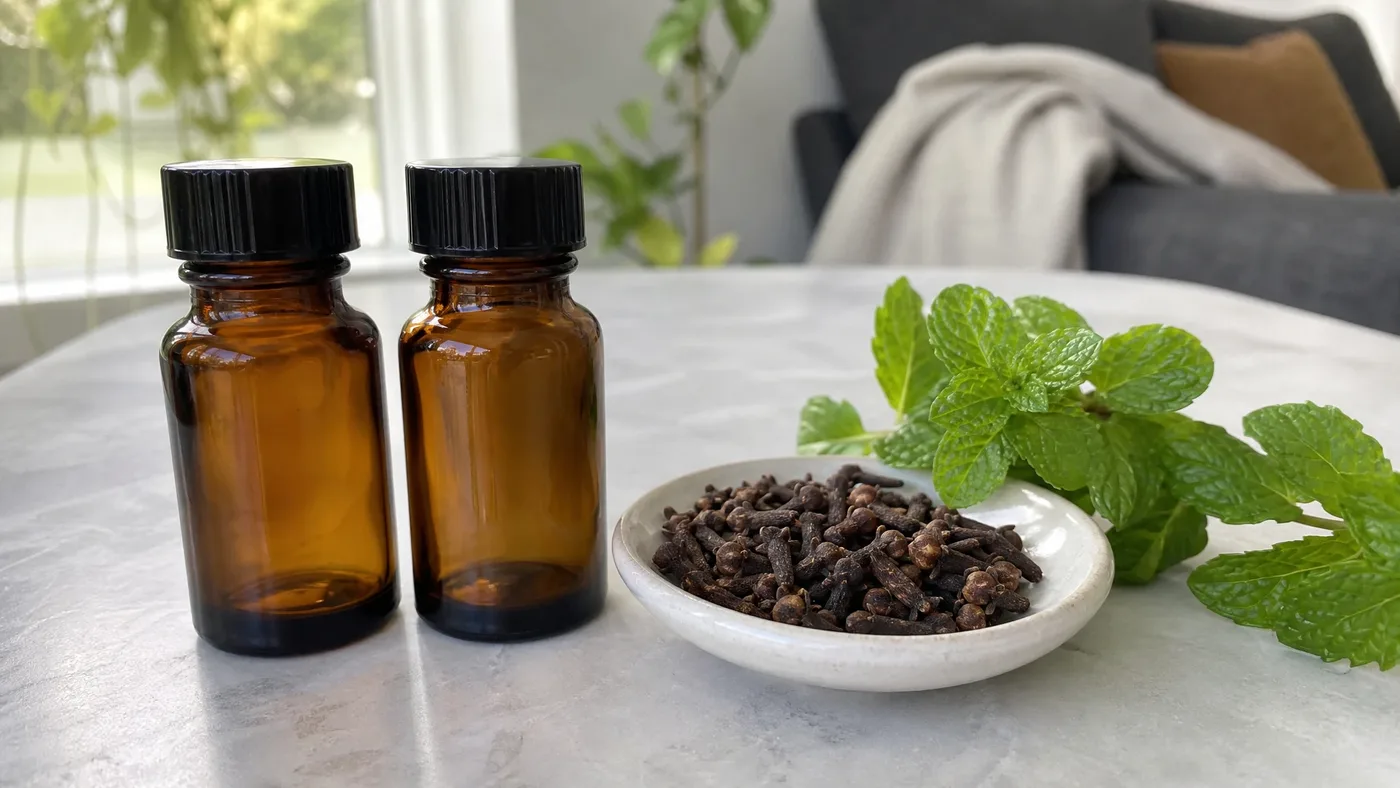
Essential Oils and Toothache: Where Clove Really Fits
Clove has the longest dental history of any essential oil. What the studies looked at, what the NHS advises, and why a toothache needs a dentist.
Can You Swallow Clove Oil? Why the Answer Is No
Clove is a legal food flavoring, yet a bottle of clove oil is a concentrate. What the GRAS rule does and does not say, and how to store it safely.
Clove Oil and Athlete's Foot: What the Lab Study Shows
Clove oil holds fungus back in a lab dish, but a dish is not a foot. What the study showed, why skin changes the picture, and where to go instead.

Clove Oil for Bad Breath? Start With the Cause
Clove smells fresh, but bad breath starts with bacteria, dry mouth or gums. What dental sources say, and why our oil stays in the diffuser.

Clove Oil Benefits: What It's Really Good For
Clove oil is loved first for its warm, sweetly spicy aroma and craft uses. Here is what it really brings and what the research has and has not looked at.
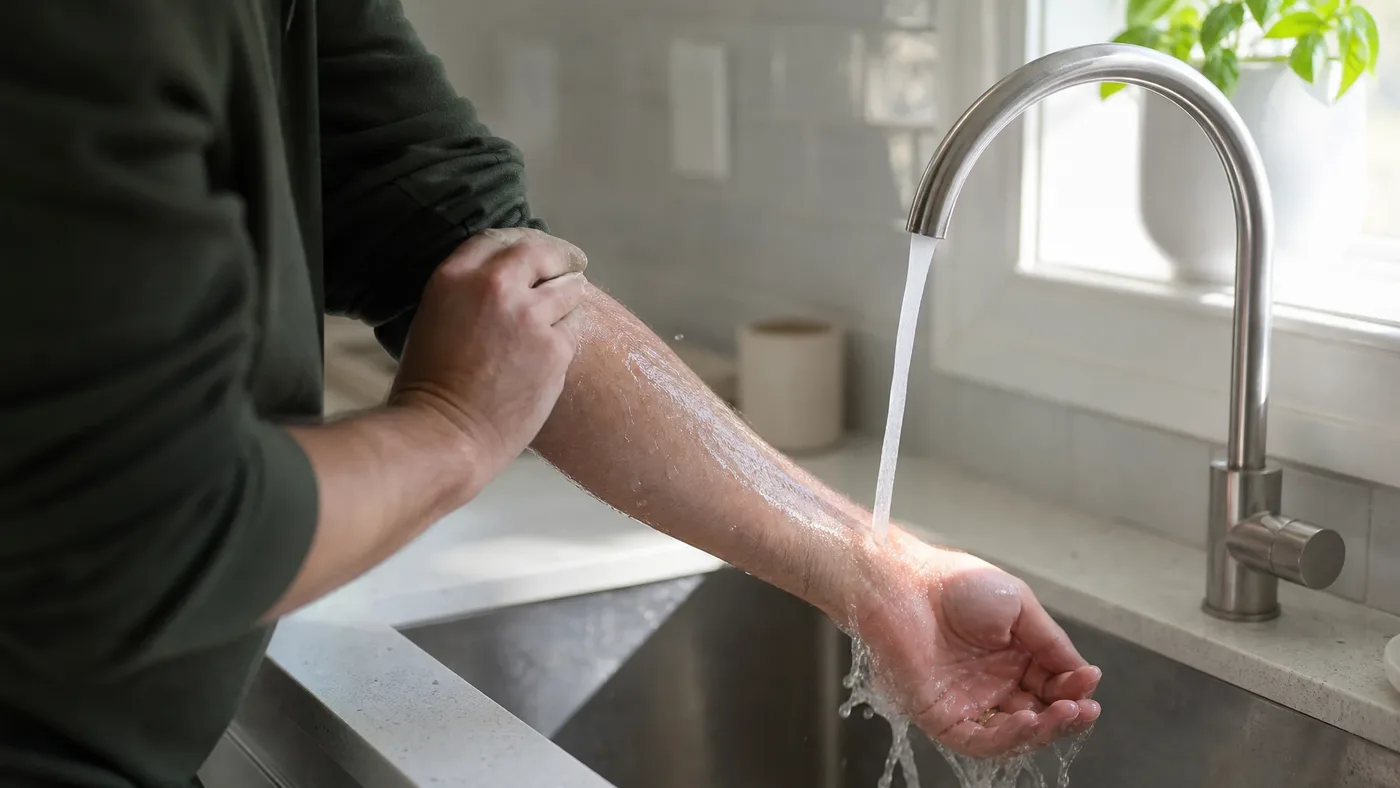
Clove Oil Burning Skin? What to Do Right Away
Neat clove oil can sting or burn skin. What MedlinePlus advises, how irritation differs from allergy, and when to call Poison Control or a doctor.

Clove Oil for Canker Sores: Who to Ask Instead
Canker sores usually heal on their own in a week or two. What NHS guidance and the trials say, and why a dentist or pharmacist is the better call.
Clove Oil for Cavities: What Really Fixes a Tooth
Clove oil turns up in cavity talk everywhere. We explain how decay works, what the lab studies on clove really covered, and what actually protects teeth.

Clove Oil for Congestion: Why We Skip the Steam Bowl
No trial backs clove oil for a blocked nose, and hospital burn units see steam-bowl scalds every year. Here is what the sources say, and a gentler way.

Clove Oil for Dandruff: What a Flaky Scalp Needs
Flakes can come from oily skin, eczema or a fungal yeast. What dermatologists point to for dandruff, and why clove oil stays a room scent for us.
Clove Oil and Dry Socket: Call Your Surgeon First
Pain that worsens days after an extraction needs your surgeon. What the Cochrane review found, and why aromatic clove oil is not a socket dressing.
Clove Oil for Acne: Reading One Small Trial
One 2025 trial tested a clove and curcumin gel on acne. What it showed, why it is hard to read, and what dermatologists recommend instead.
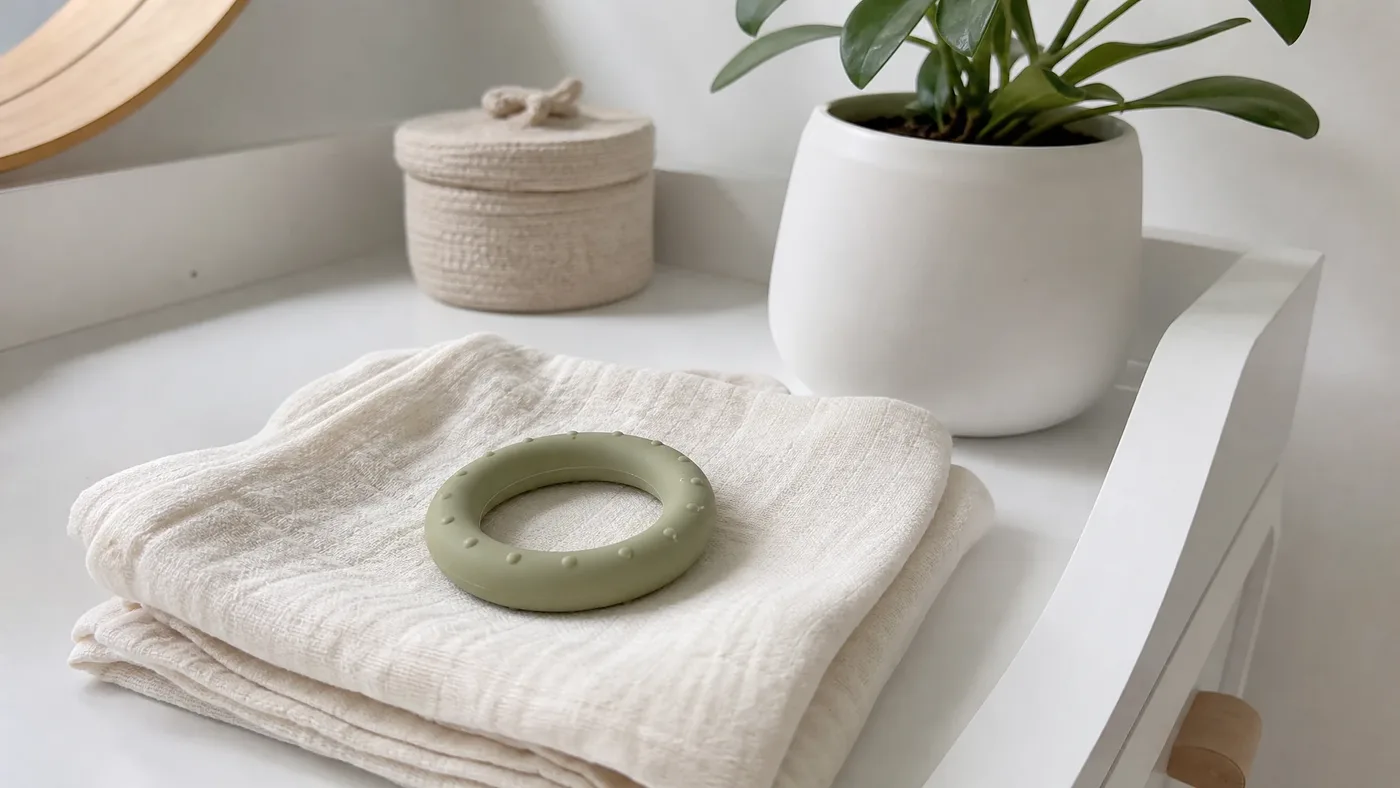
Clove Oil for Teething: Why Parents Should Skip It
AAP and FDA suggest simple ways to ease teething. Why clove oil is not one of them, and how to keep the bottle out of a baby's reach.

Clove Oil for Gums: How to Read the Research
Clove chemistry is active against gum bacteria in the lab, but gums depend on plaque control. How to read the research, and why a dentist comes first.
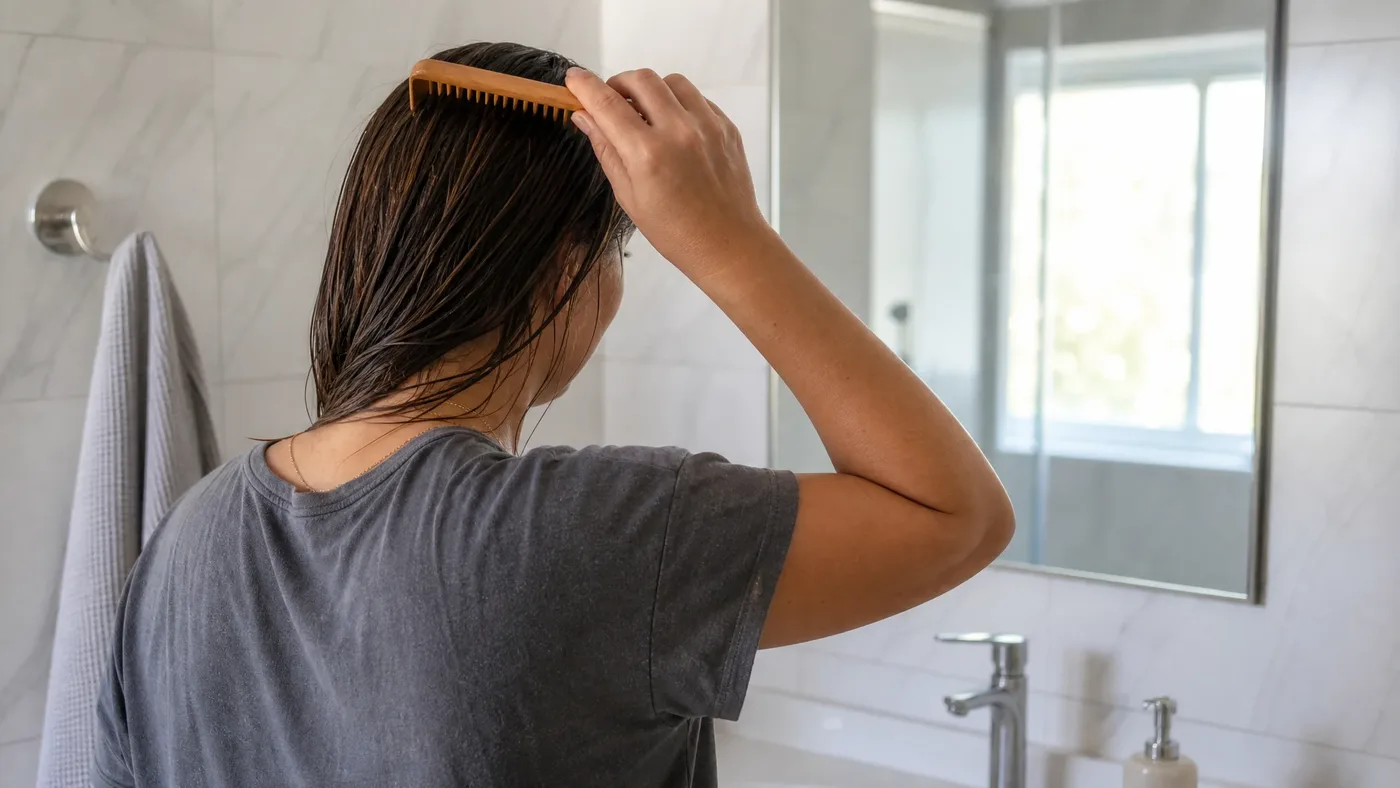
Clove Oil for Hair: What the Studies Actually Cover
The clove hair trend borrows its evidence from rosemary and peppermint. What those studies showed, and what to know before oil touches a scalp.
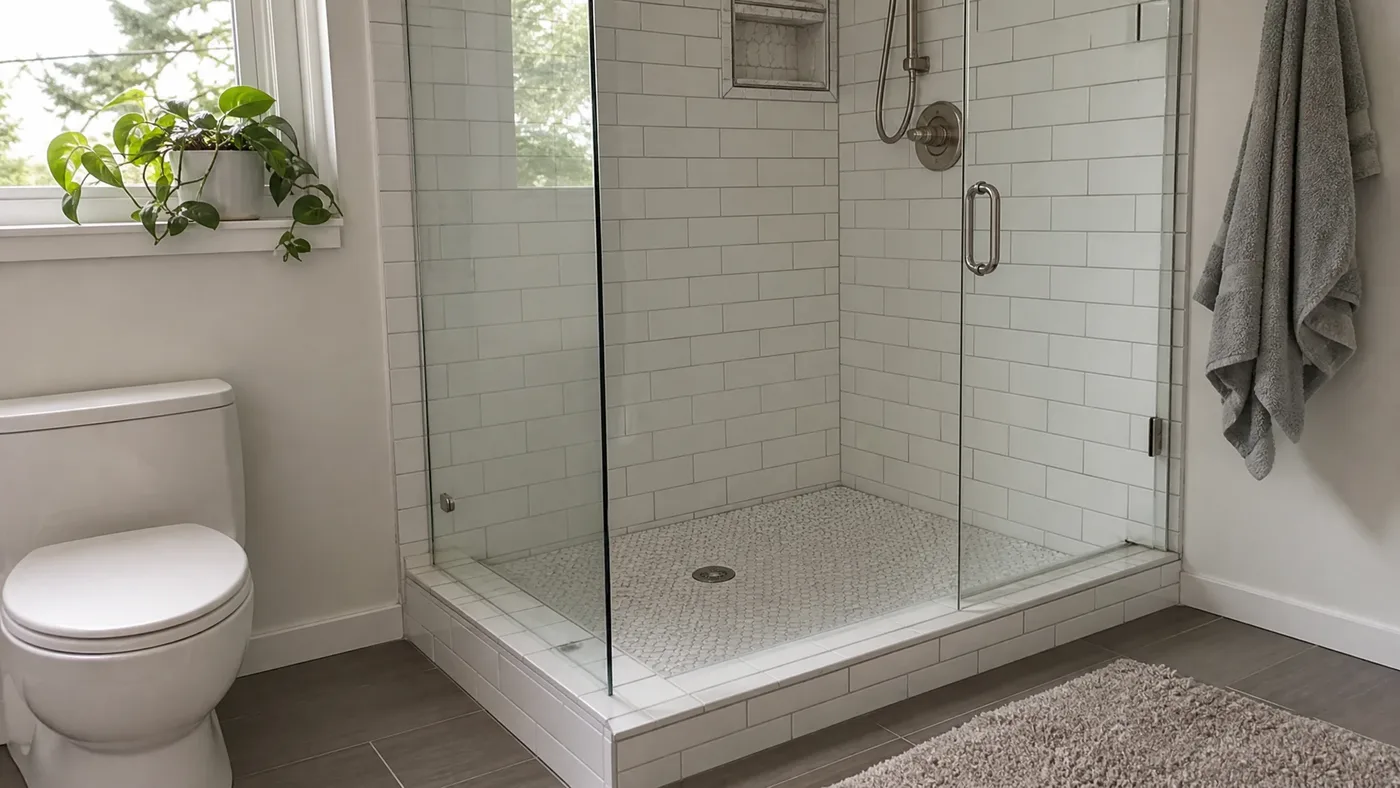
Clove Oil and Mold: Fix the Moisture First
Mold control starts with moisture, not a bottle. What EPA says to do first, and where clove oil adds a pleasant spiced scent in a clean room.

Clove Oil on Skin: How to Dilute It the Careful Way
Clove's warm scent comes mostly from eugenol, which is why we start skin blends at 0.5%. The arithmetic, the allergy picture and who should skip it.

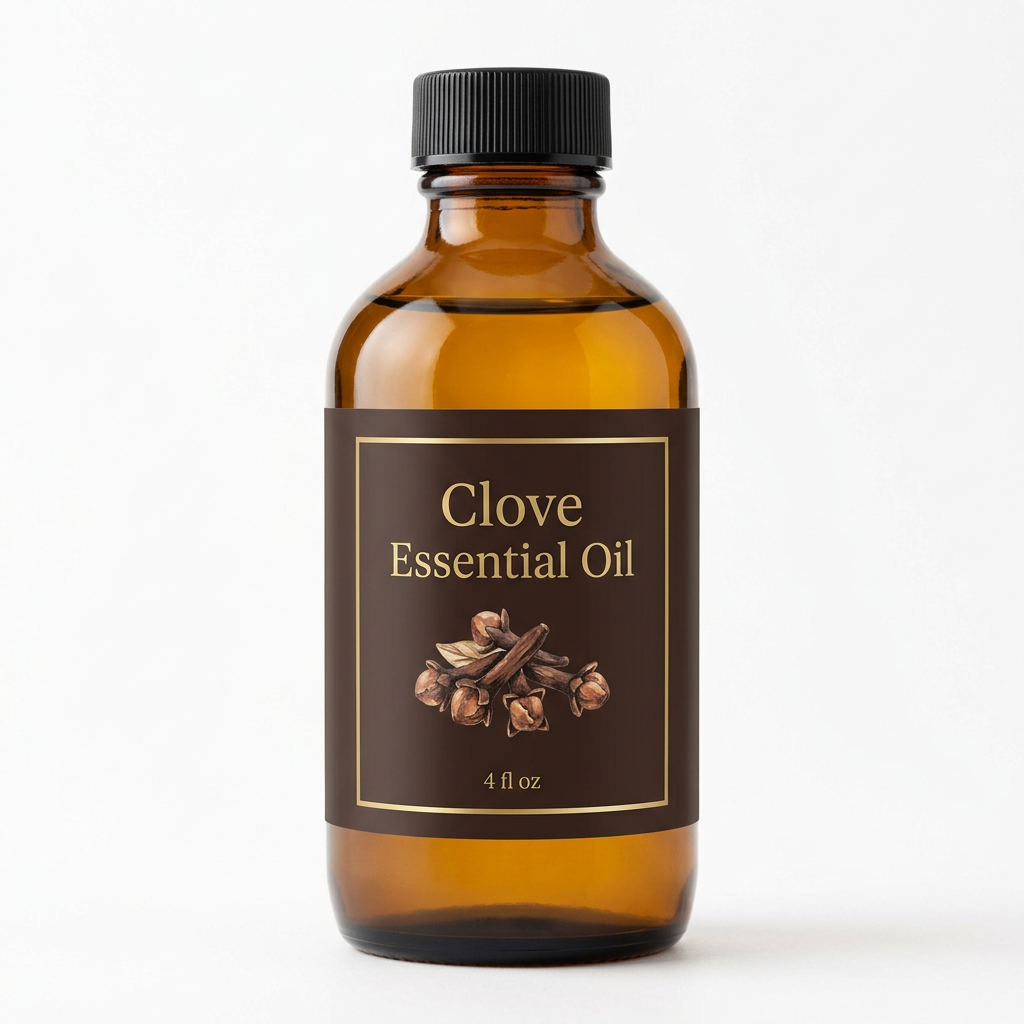
Clove Oil for Toothache: See a Dentist First
Toothache has many causes. What NHS and ADA guidance say to do, what the clove studies cover, and why a dentist comes first.

Clove Oil for Warts: What to Try Instead
Clove oil on a wart sounds like a tidy home fix, but eugenol is tough on skin. See what the AAD and NHS suggest and when a wart needs a professional look.

Clove Oil for Insect Bites: What to Use Instead
Dermatology and NHS advice for an itchy bite is ice, hydrocortisone or an antihistamine. What the sources say, and why clove stays out of it.

Clove Oil for Mosquitoes: What the Studies Really Show
Clove did well in mosquito studies, but at strengths far above skin guidance. See what the research measured and what the CDC points to instead.
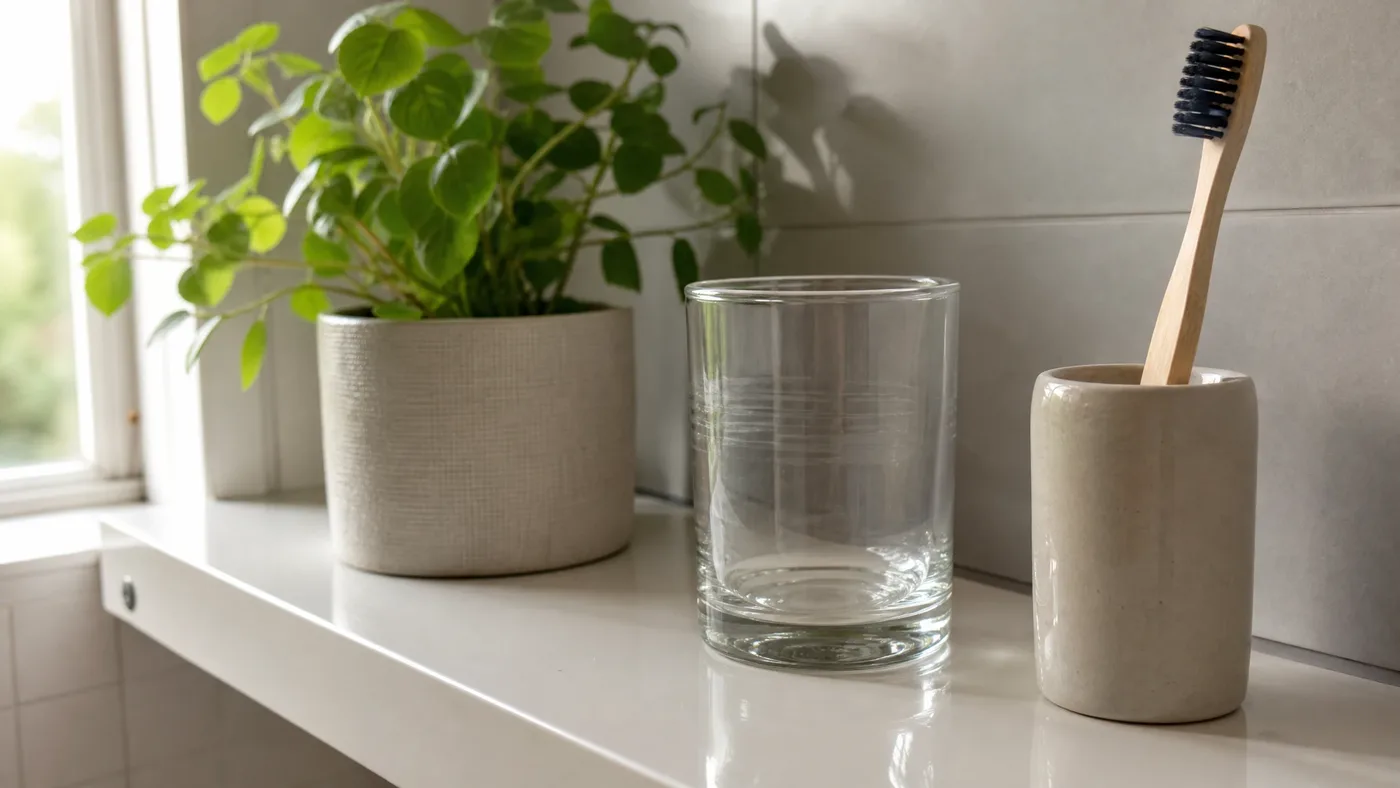
Clove Oil Mouthwash: Why the DIY Rinse Falls Short
A clove oil rinse sounds simple, but real mouthwashes are carefully formulated. We explain what makes one work and why our oils stay out of the mouth.
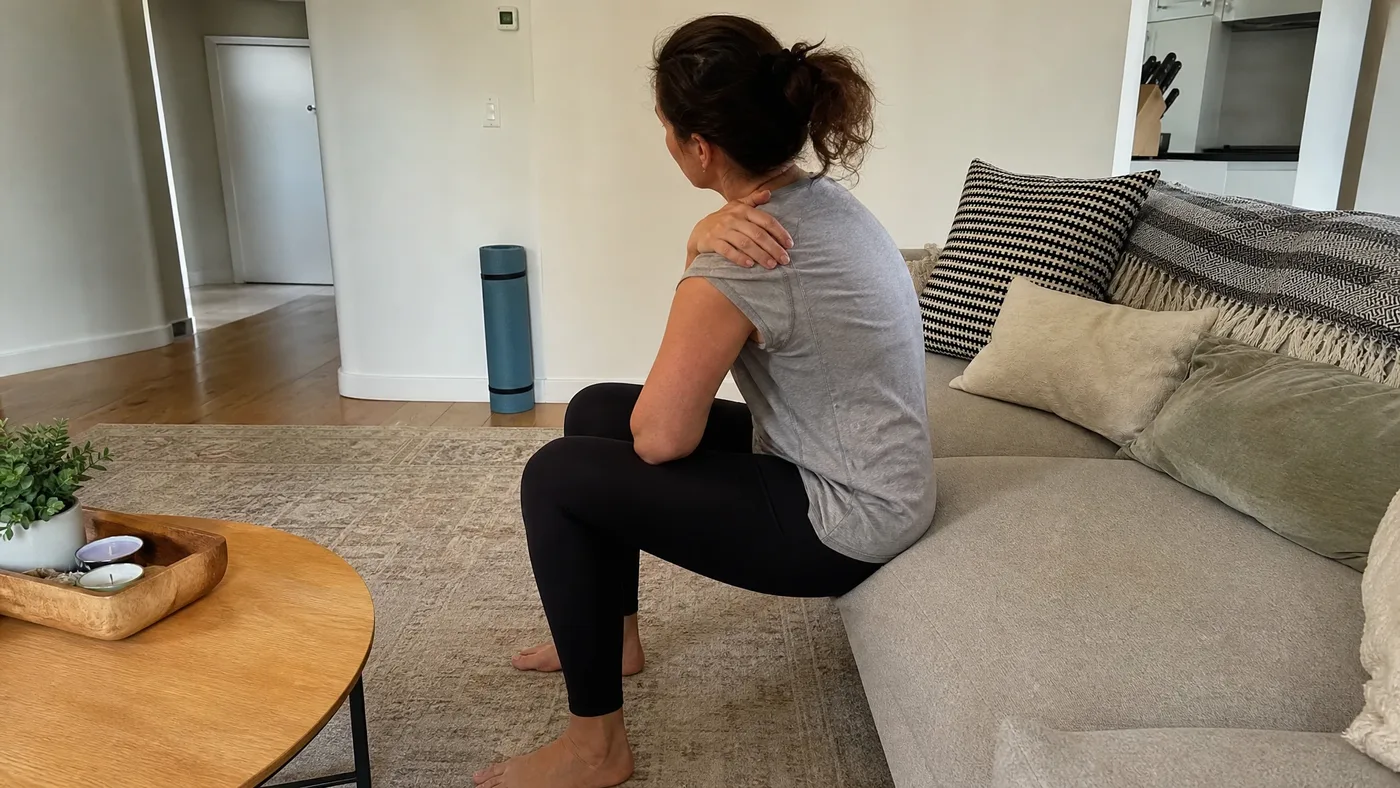
Clove Oil Muscle Rub: Why Your Skin Tingles
Clove oil feels hot on skin, which is easy to misread. Learn what the tingle is, what the mouse research covers, and how little oil a dilution needs.
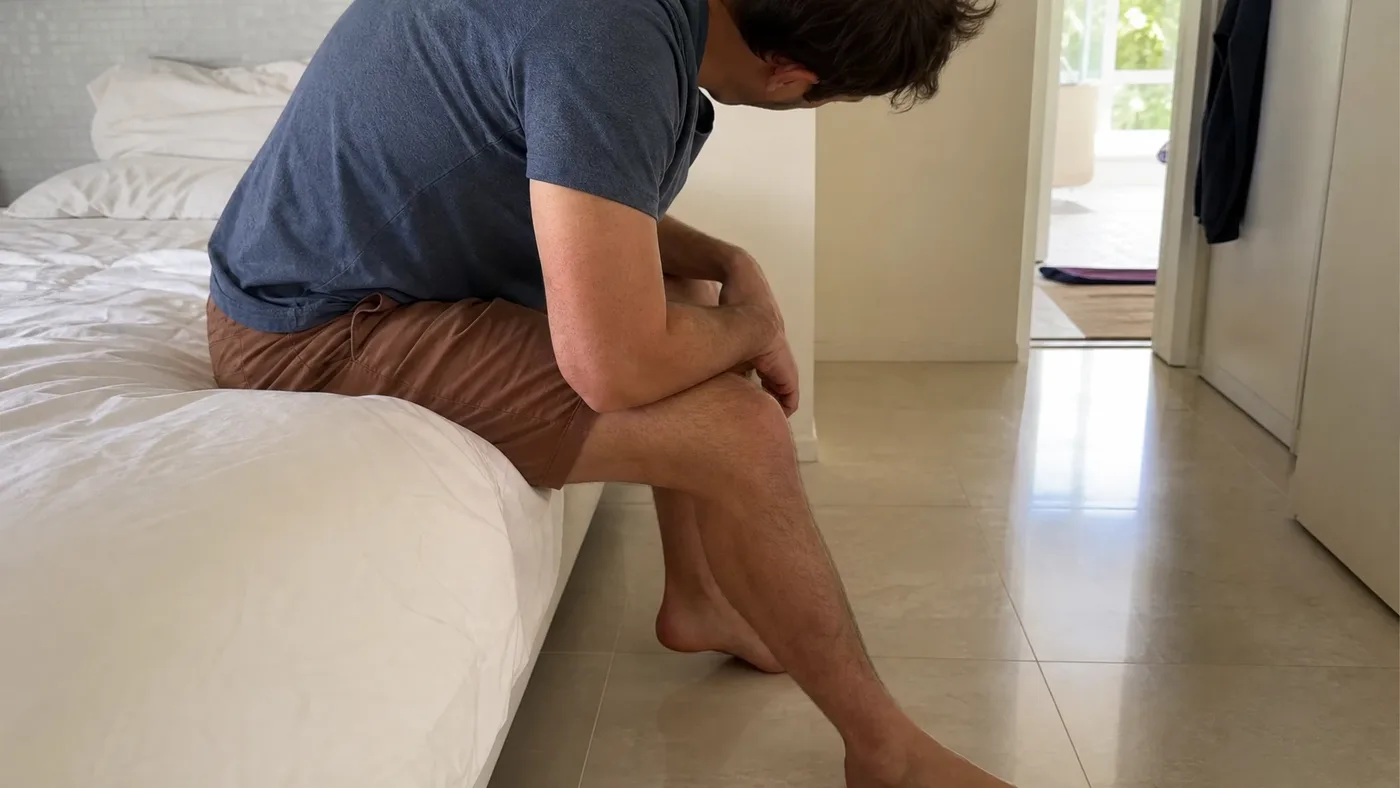
Clove Oil for Nail Fungus: Lab Results vs Real Toenails
Clove oil held back fungi in a lab dish, but a toenail is far harder to reach. See what the research covers and why a clinic visit comes first.
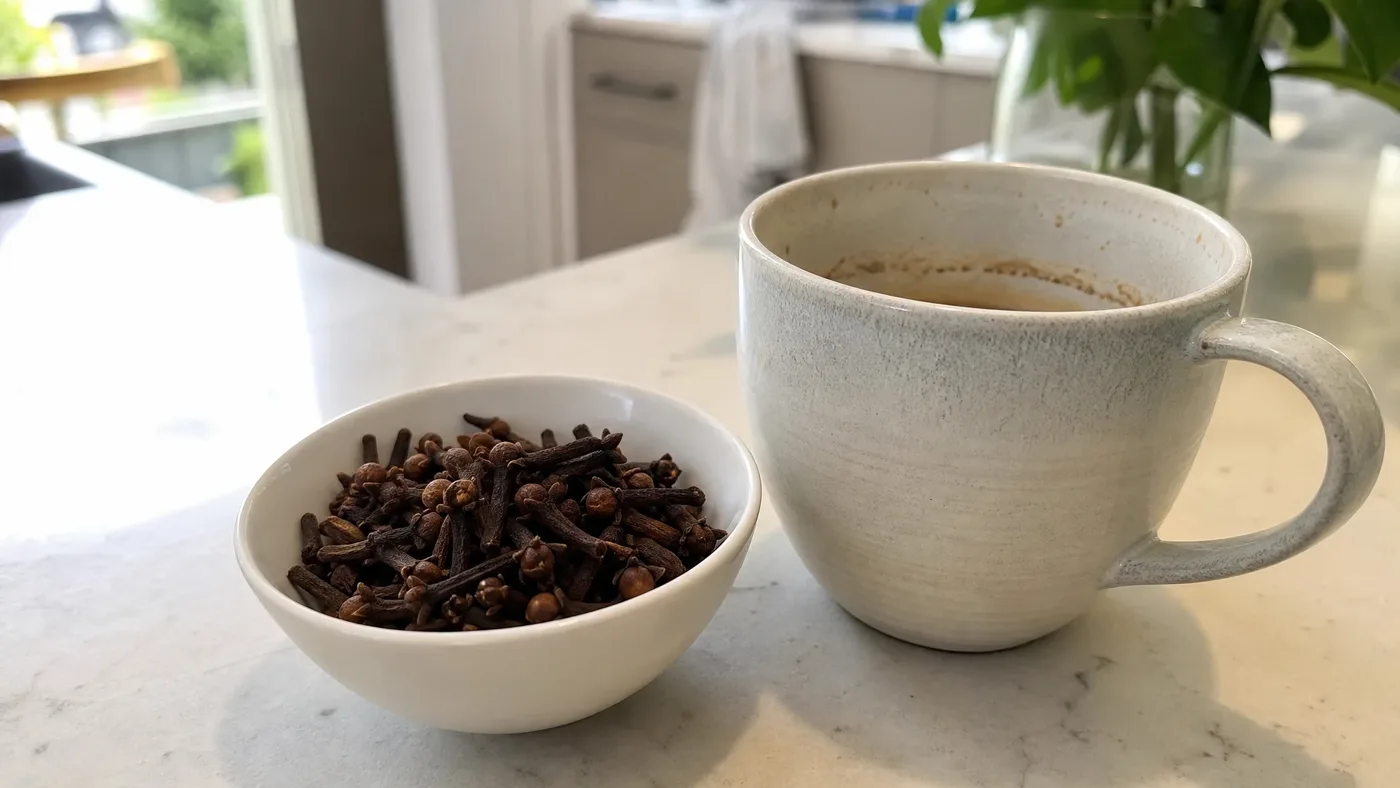
Clove Oil and Teeth: Why Eugenol Stays at the Dentist
Eugenol has a place in dentistry, in a dentist's hands. Our clove oils are aroma oils, and here is why that distinction matters and who to call.

Is Clove Oil Safe During Pregnancy? Ask First
No authority we know of has cleared essential clove oil for pregnancy. Here is what the guidance says and what to ask your midwife, pharmacist or dentist.
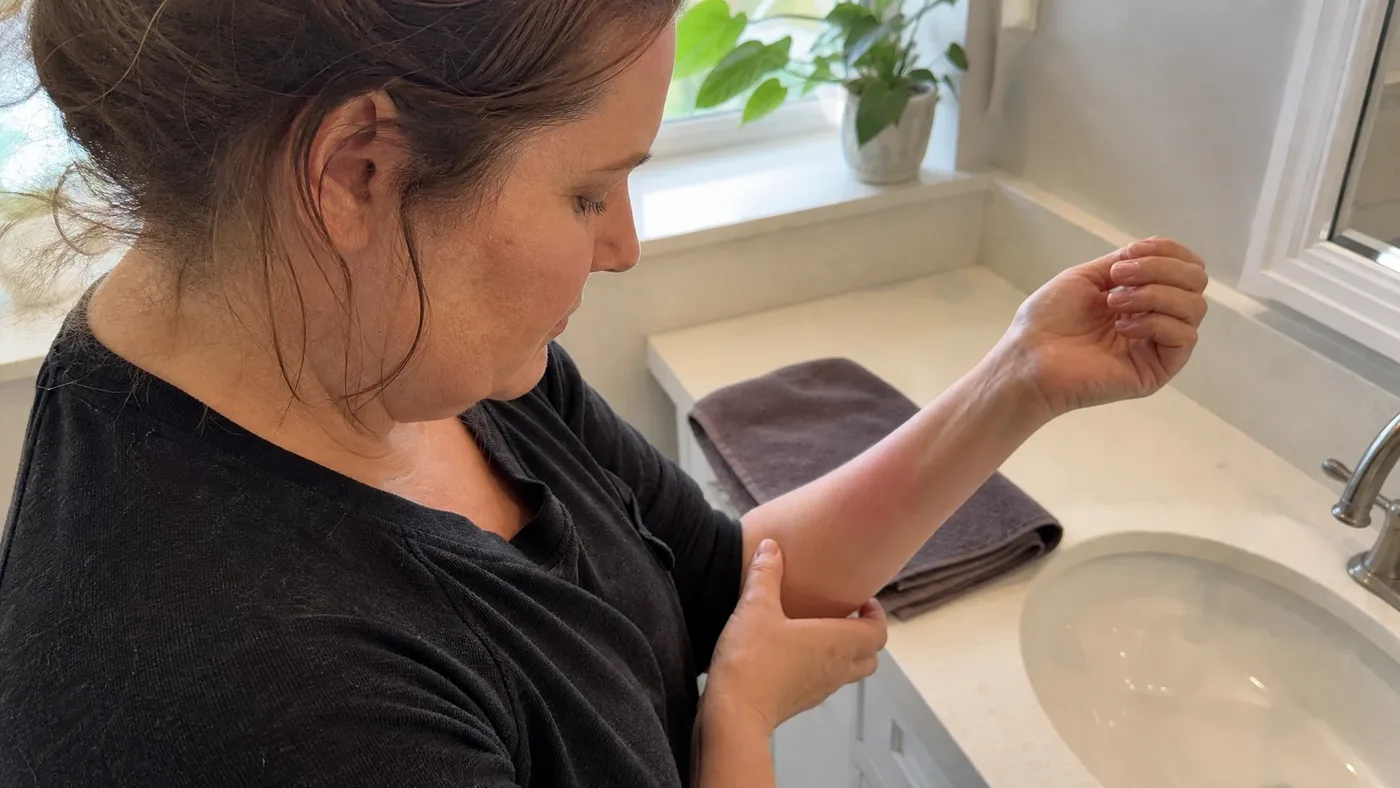
Clove Oil Side Effects: What to Know Before Use
Most clove oil trouble is mundane, a patch of irritated skin from a heavy hand. A few cases are serious. Here is what is documented and how to avoid it.
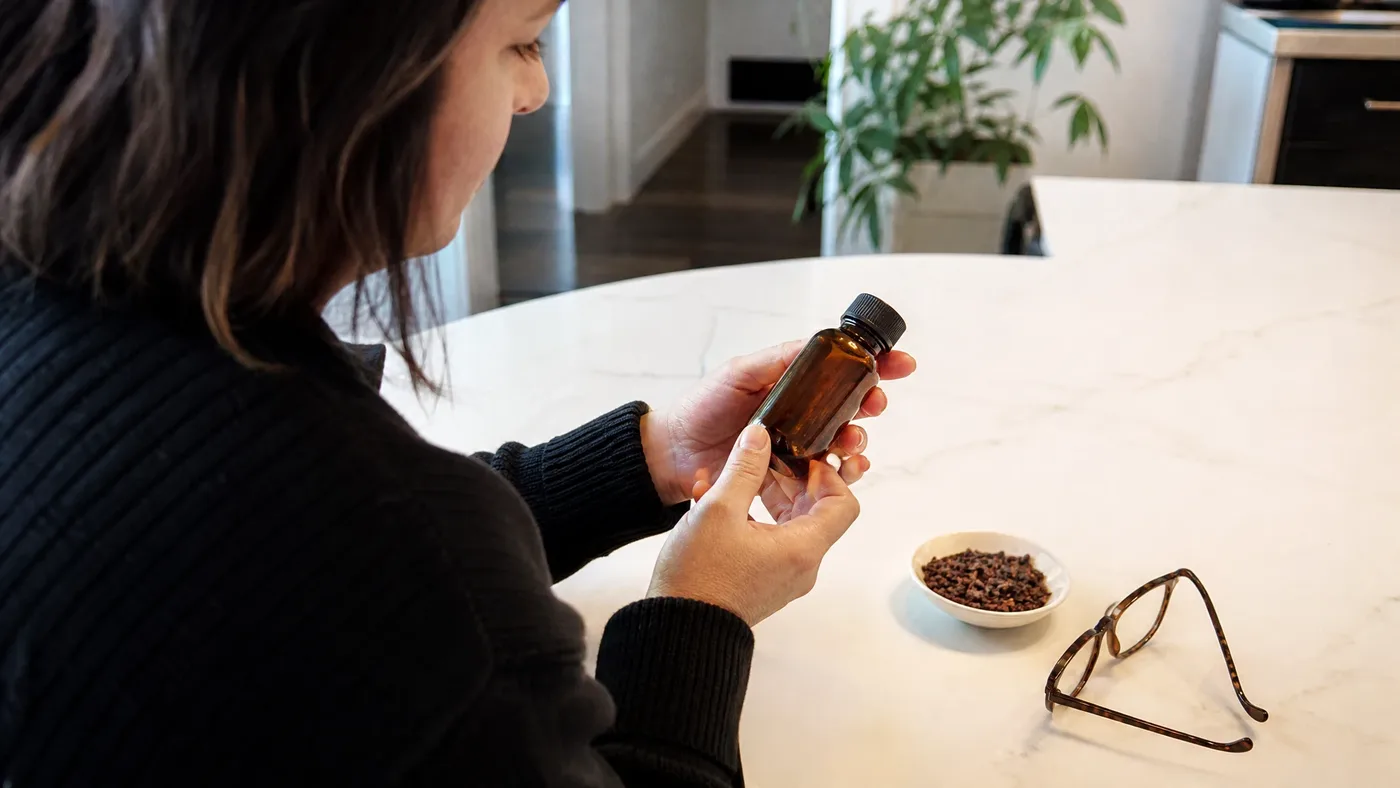
Therapeutic Grade Clove Oil: Does the Label Mean Anything?
Therapeutic grade sounds official but no authority defines it. See what actually helps you judge a clove oil: plant part, botanical name and a real report.
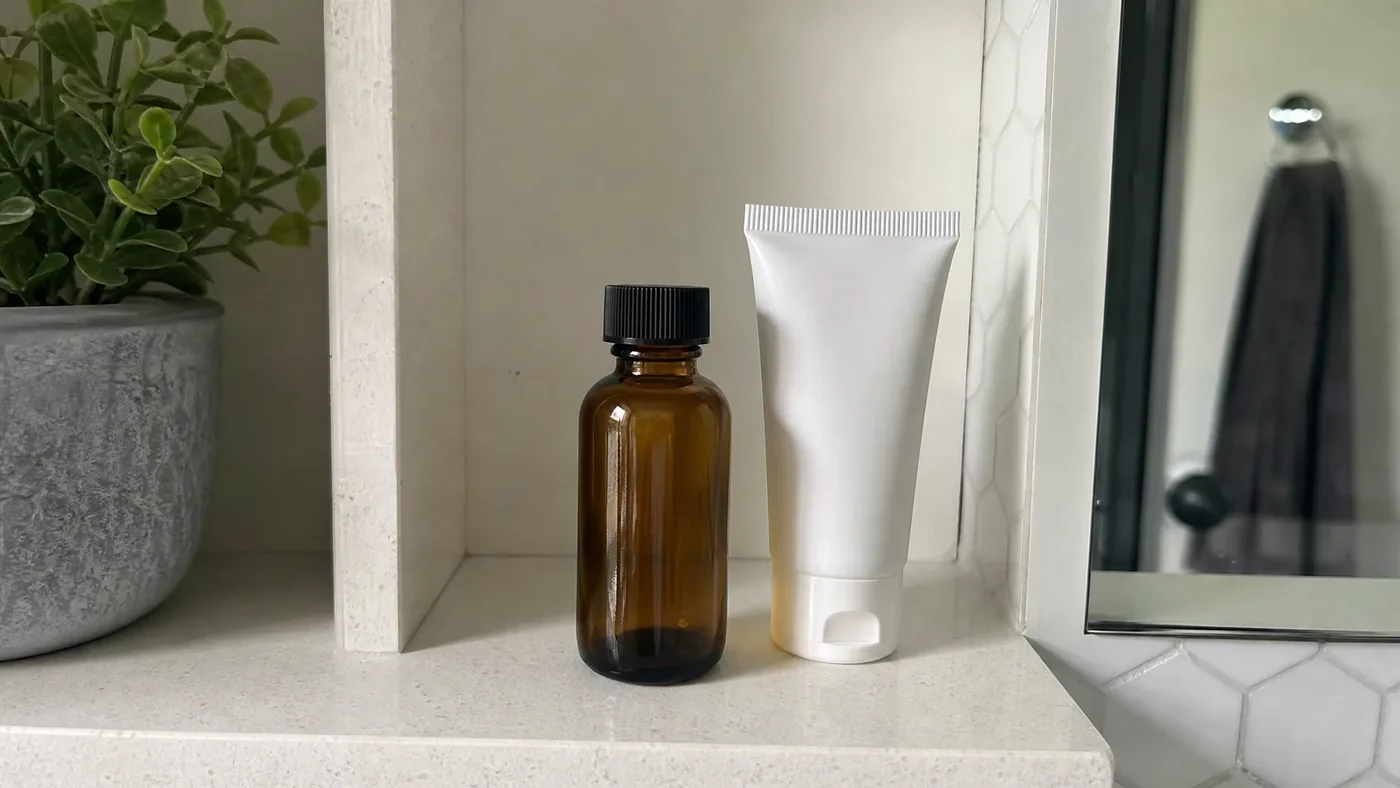
Clove Oil vs Benzocaine: What the 2006 Trial Found
One 2006 trial compared a homemade clove gel with benzocaine gel before a needle stick. What it found, what FDA says, and where it stops.
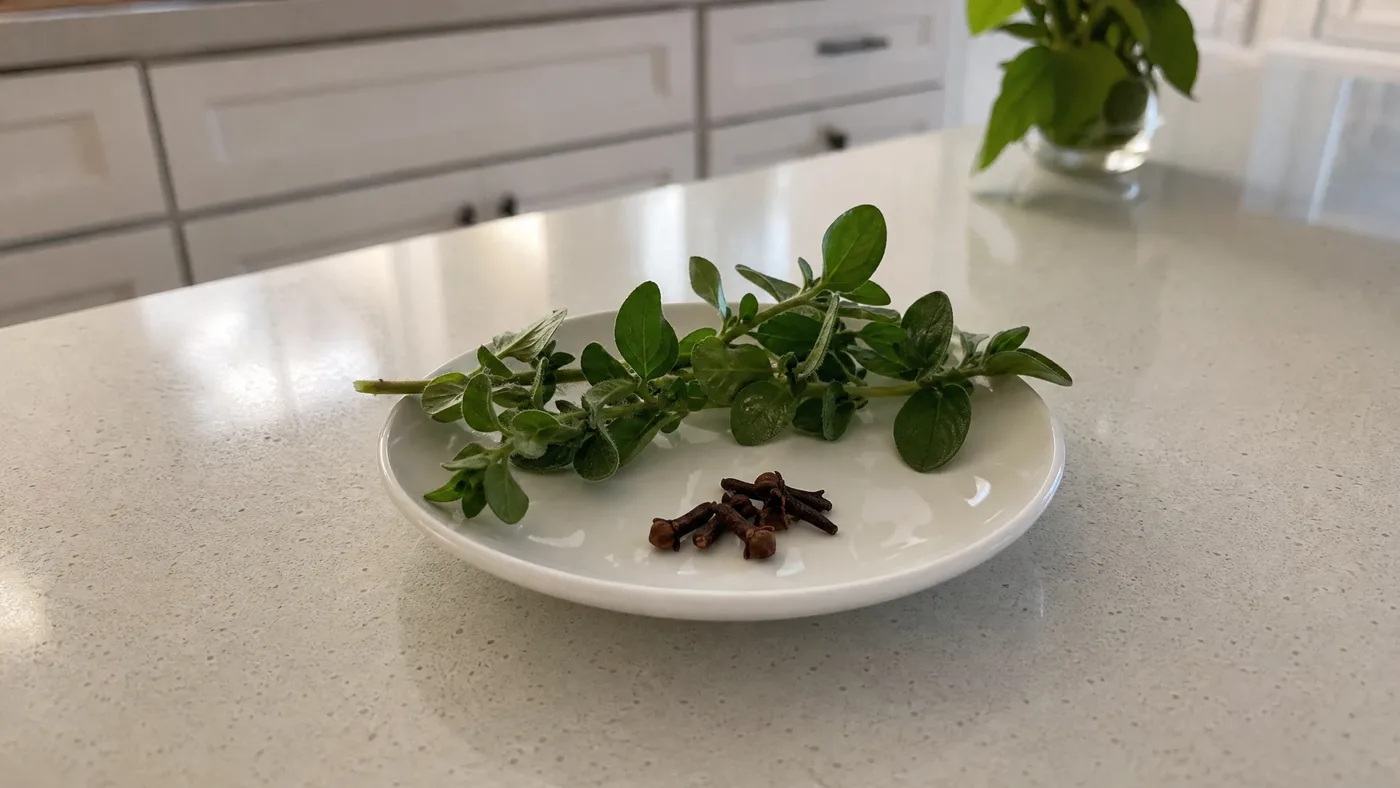
Clove vs Oregano Oil: What Sets Them Apart
Both oils are about three-quarters one phenol. See how clove and oregano compare in composition, labelling and handling, and why dilution matters for each.
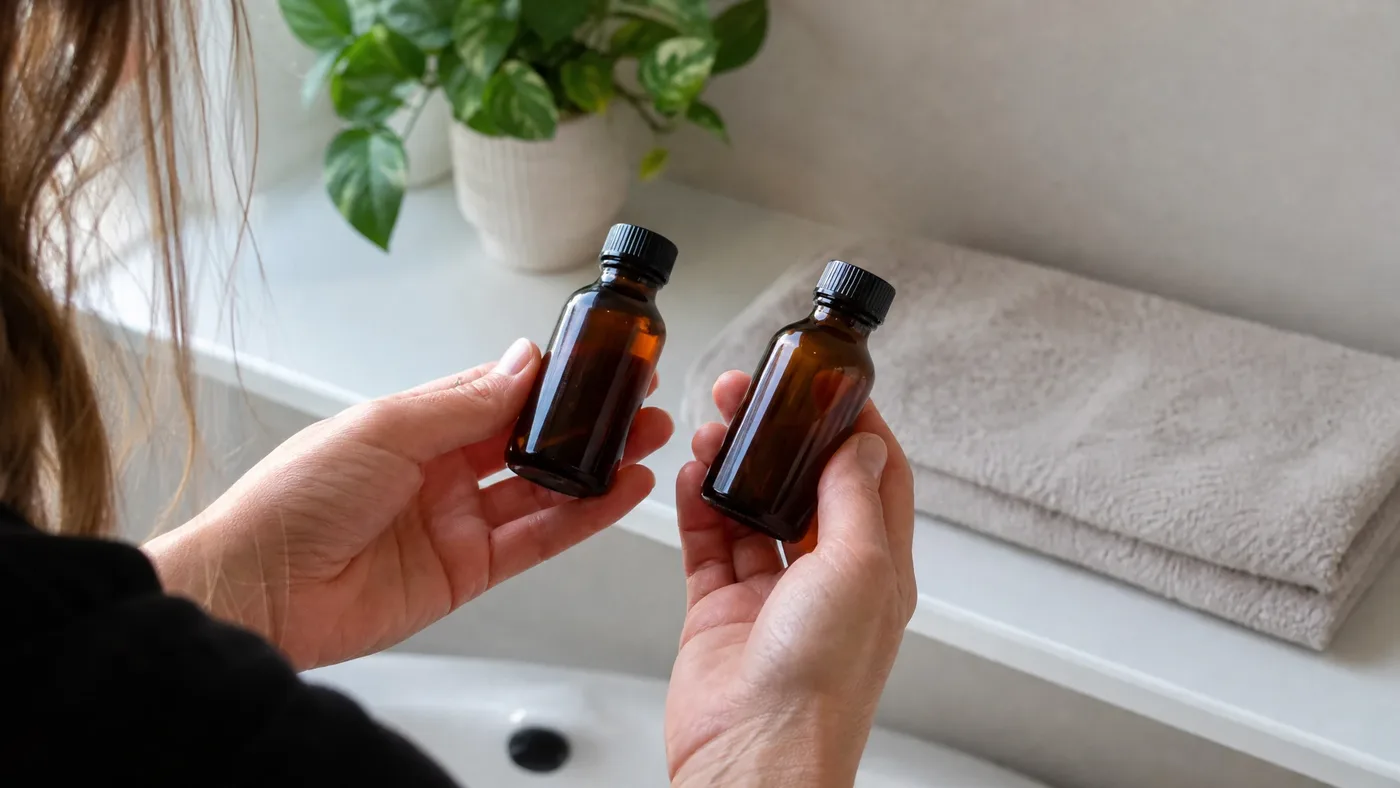
Clove Oil vs Tea Tree Oil: Which Needs More Care?
Tea tree oil can become a skin sensitiser as it oxidises, while clove is strong from day one. See how that changes storage and dilution for each.
Clove Oil and Wisdom Tooth Pain: Who Can Help
Back-of-the-jaw pain can be an infected gum flap, dry socket or something else. What dentists look for, and why our clove oils stay out of the mouth.

Clove Oil Antioxidant Claims: How to Read the Score
Clove oil tops antioxidant charts, and sellers love to quote them. See what those lab scores mean, what they do not, and why we keep the oil off the face.
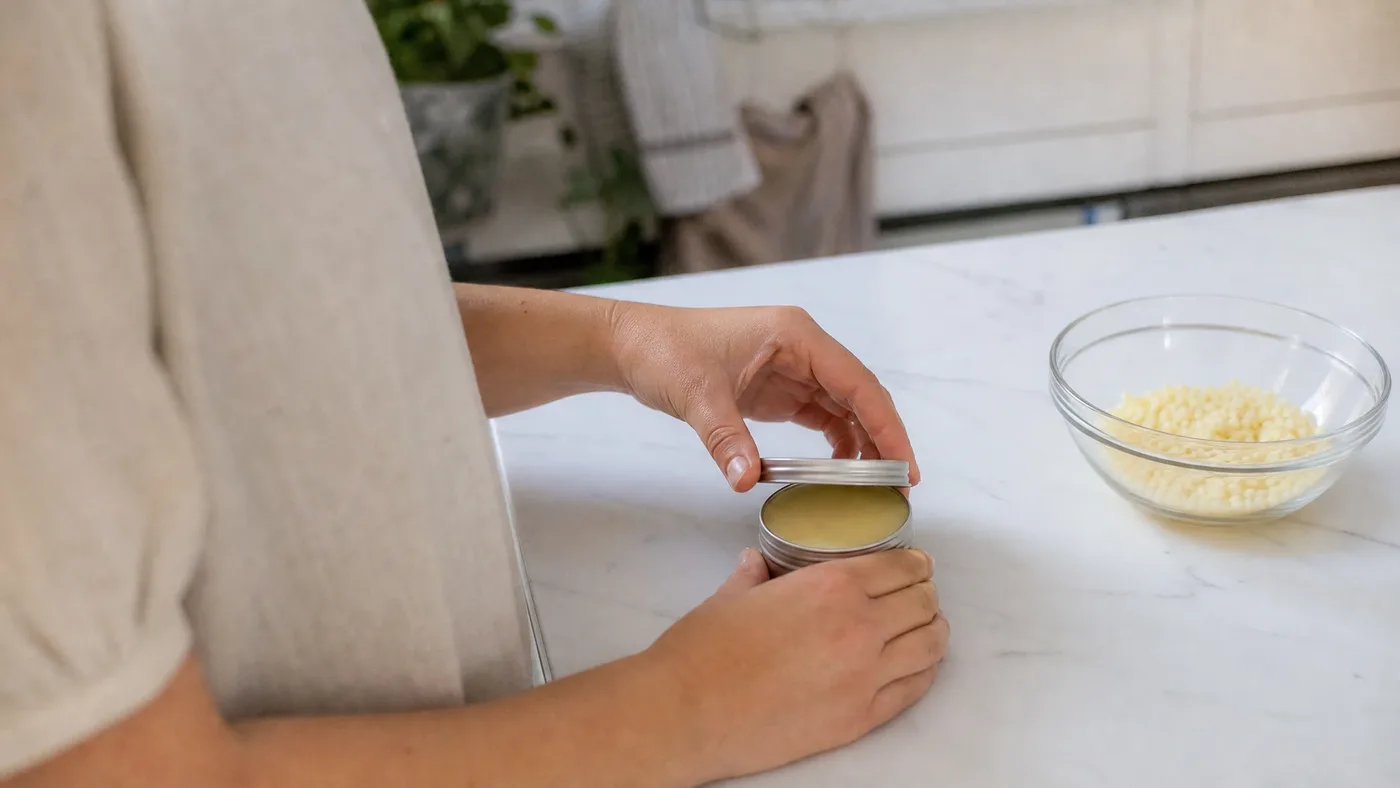
Clove Balm Recipe: A 60 Gram Tin in One Pot
A pocket-sized spiced clove balm, with the exact grams, the method, and the half-percent ceiling we keep it under.
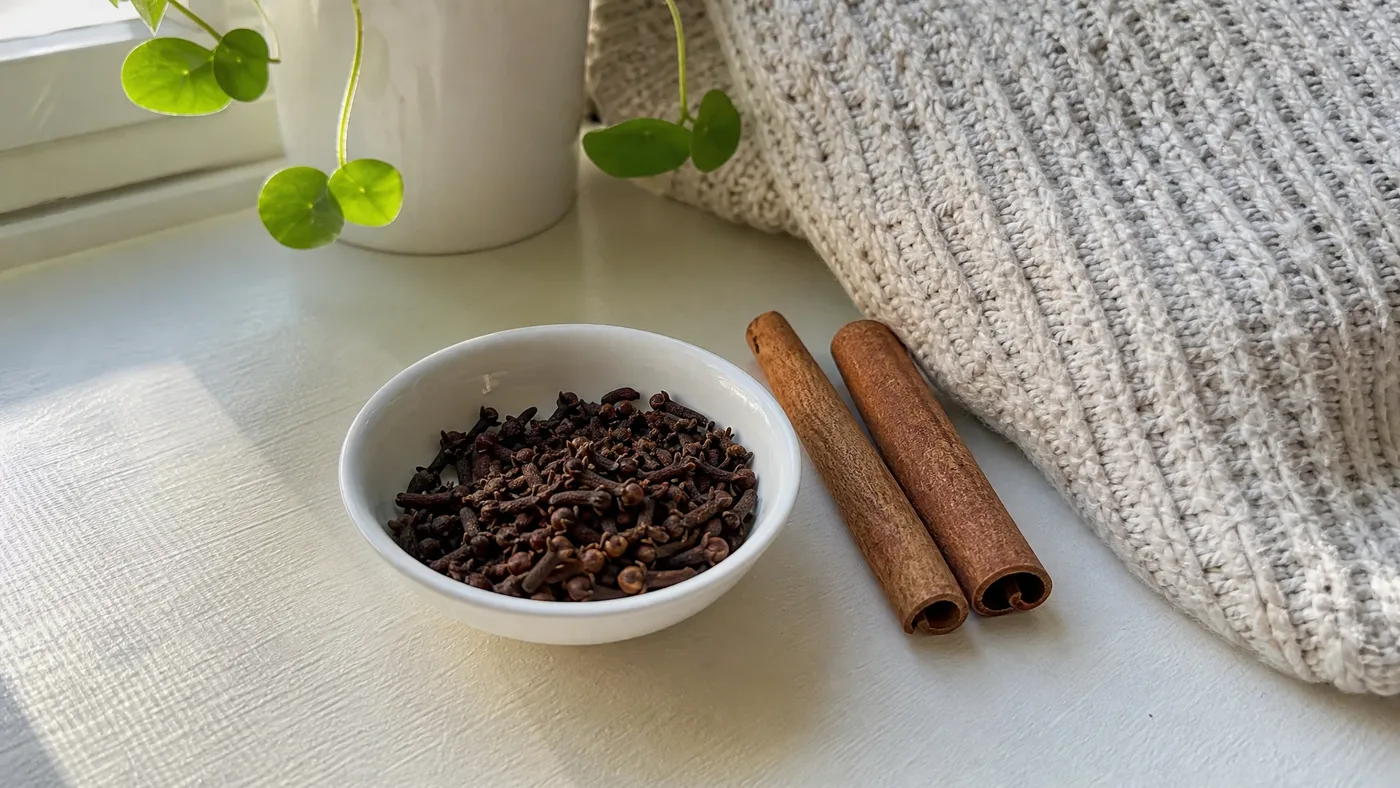
Four Thieves Oil Origins: Vinegar, Legend and Clove
Four thieves began as a vinegar, not an oil. What the old recipes contained, where cloves come in, and how to enjoy the clove side of the story.
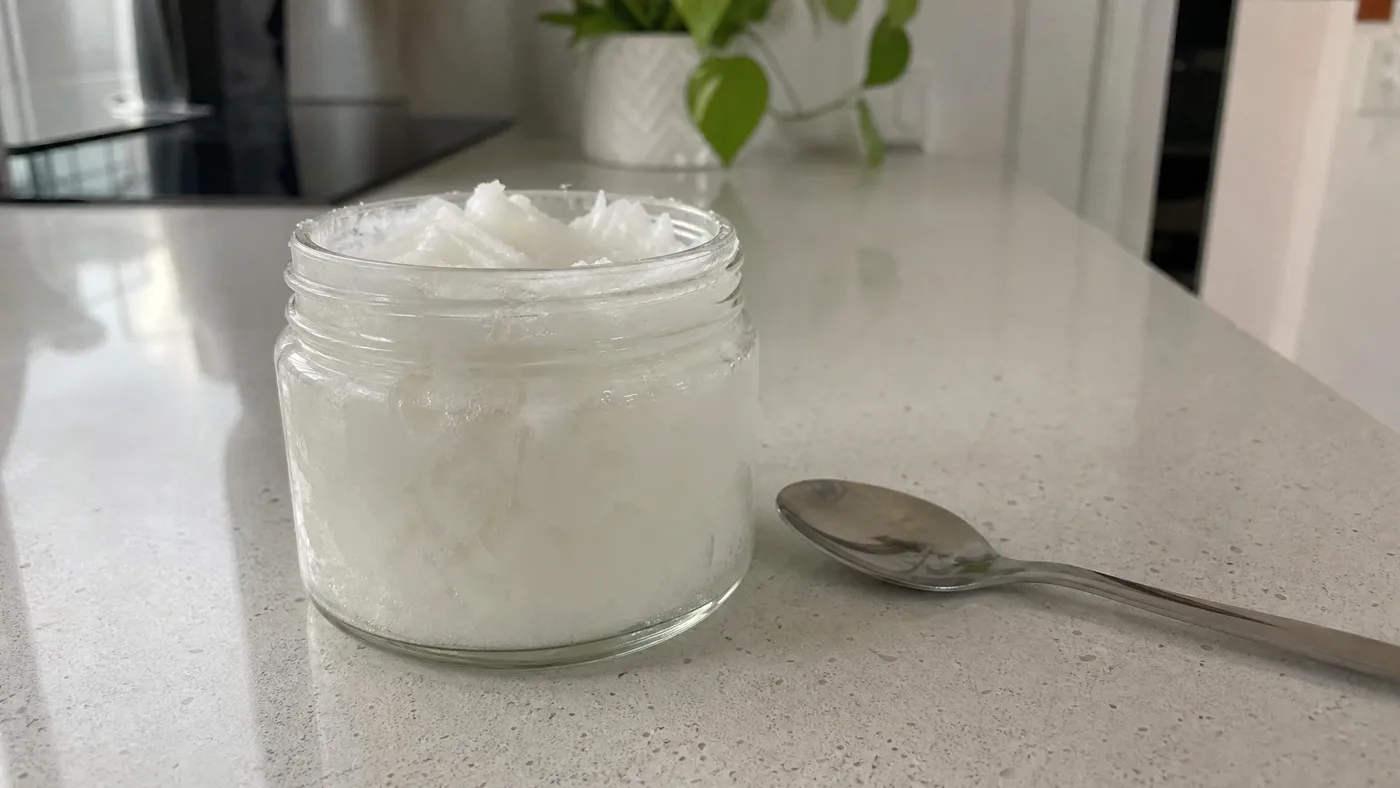
Can You Use Clove Oil for Oil Pulling?
Oil pulling is popular, and adding clove oil is a common twist. We look at what the studies and the ADA say and why we stop short of a clove oil method.
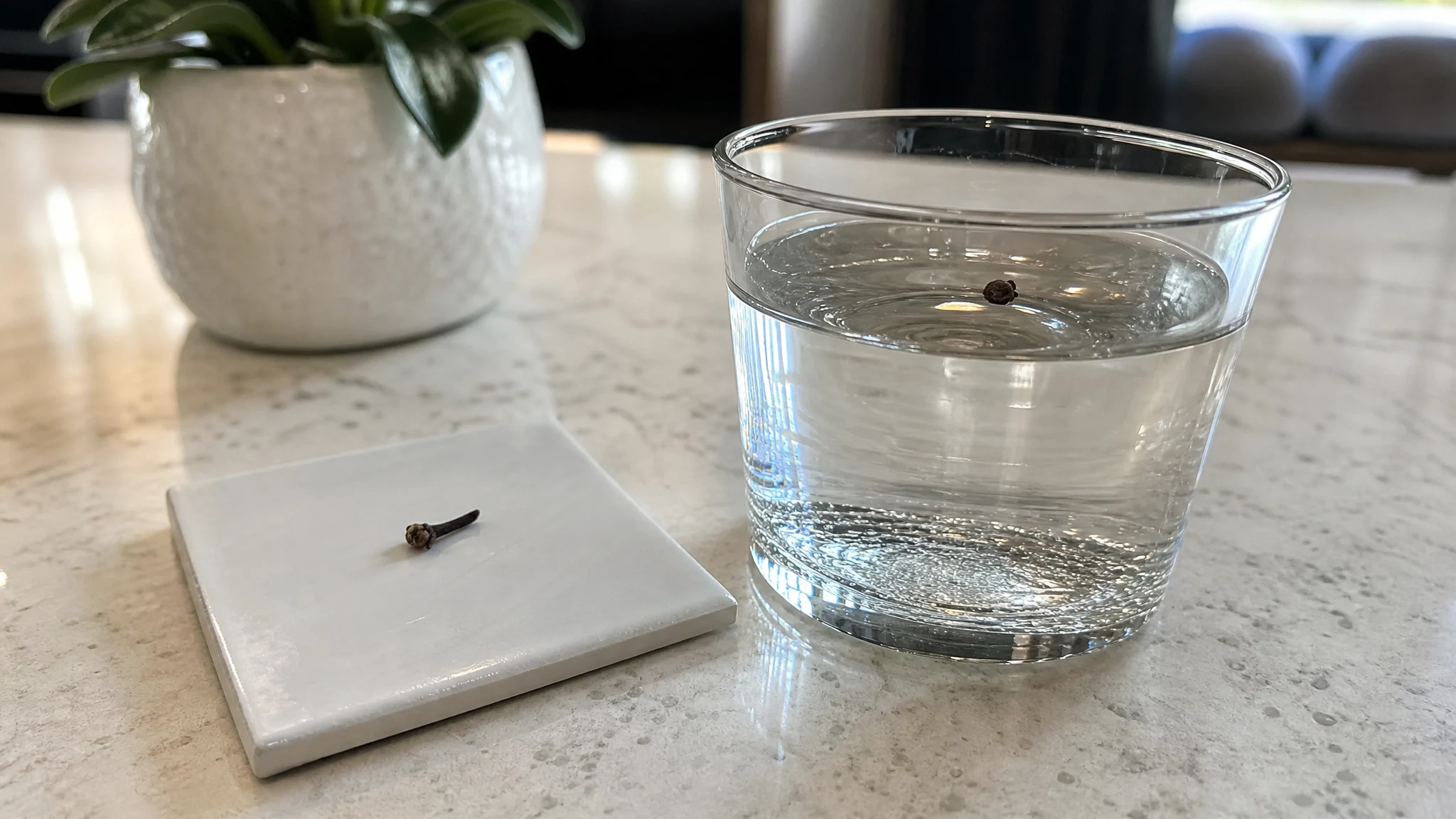
Does Clove Oil Sink? Simple Checks to Do at Home
Clove oil sinks in water, and that is a neat, honest home check. What smell, sinking and weighing can show, and what needs a lab report.
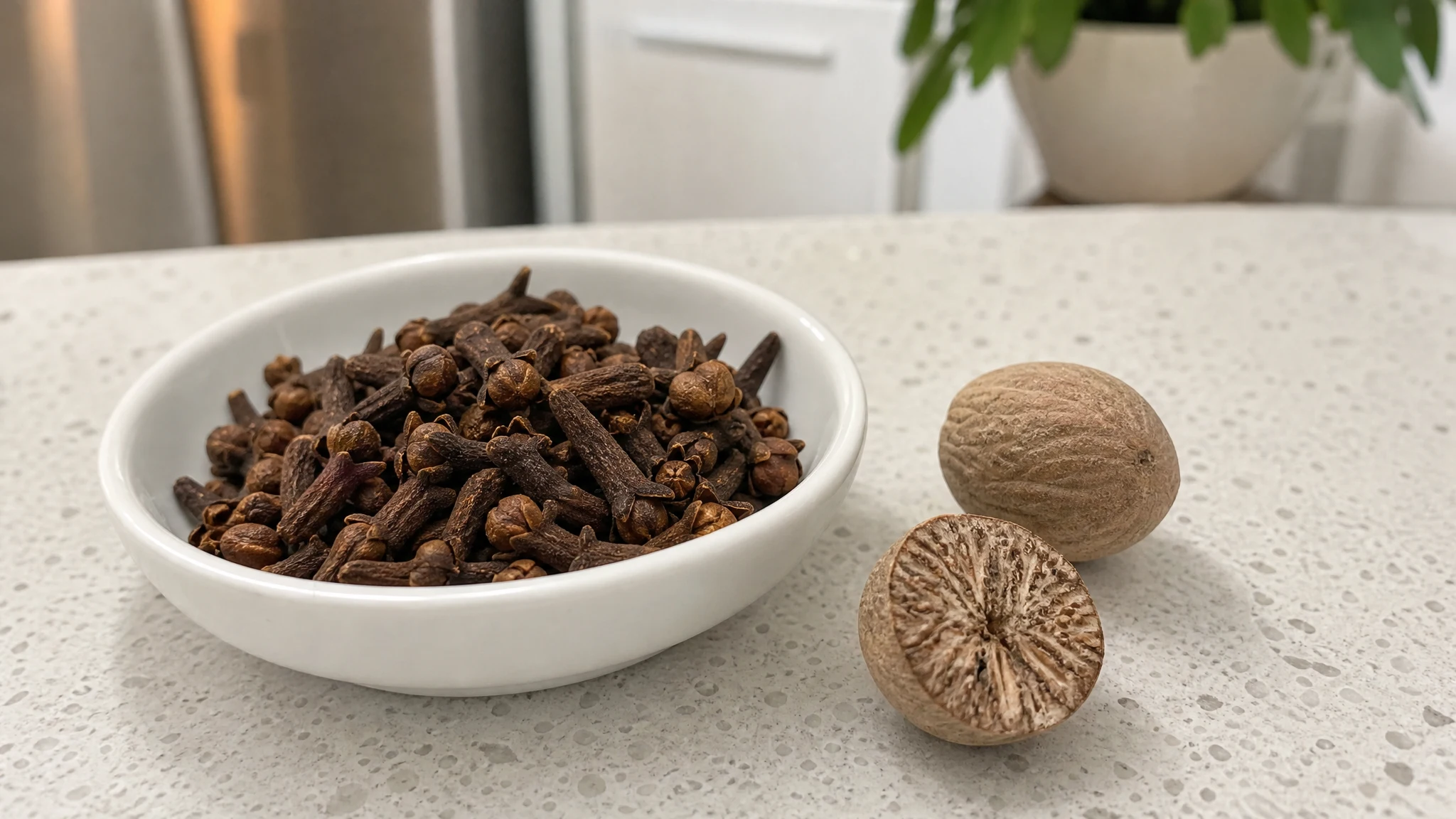
Clove Oil vs Nutmeg Oil: Which Spice Fits Your Blend?
Clove and nutmeg both say holiday spice, but the oils are built differently. What published analyses show and what to ask before you buy.
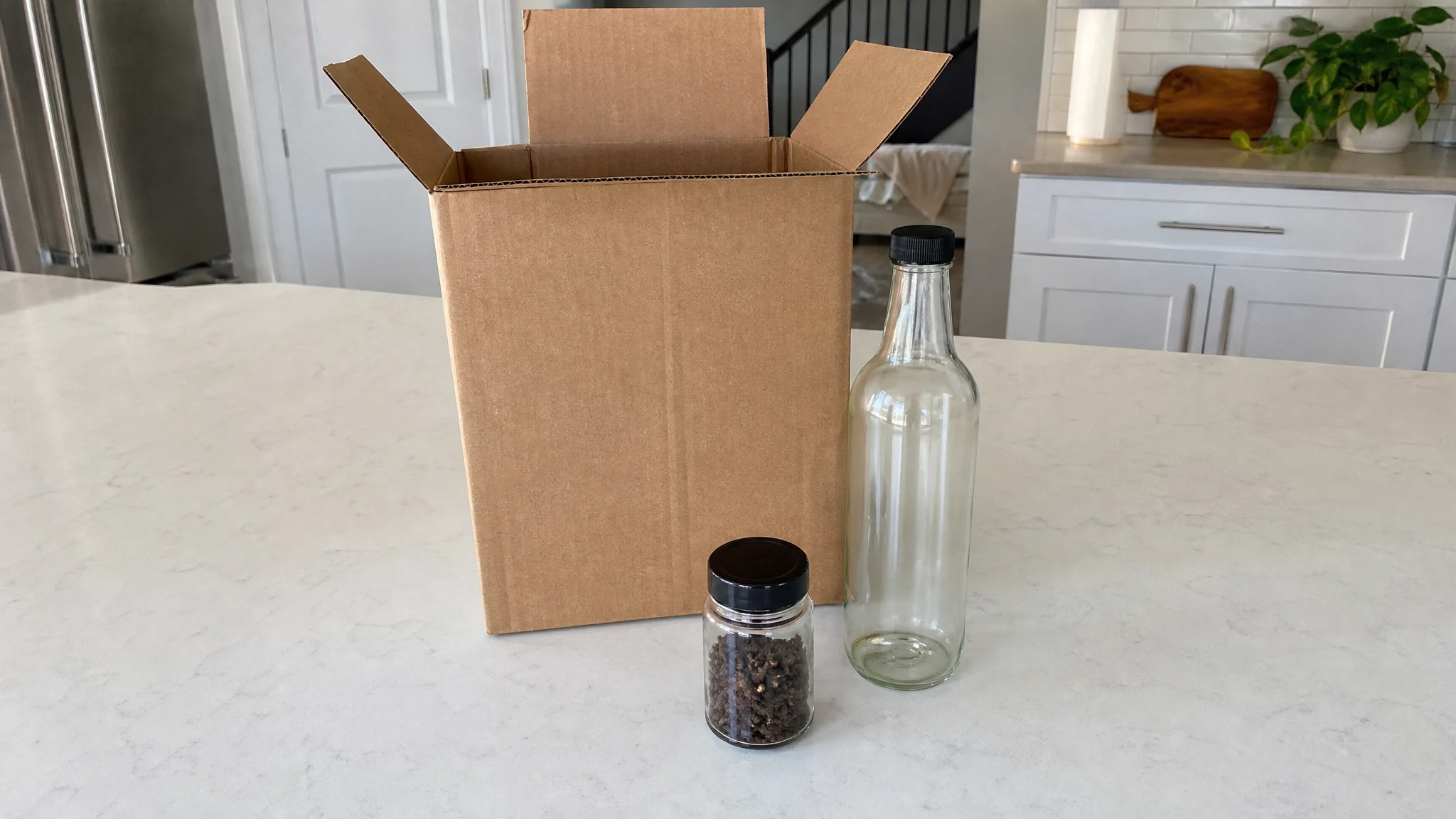
Clove Oil Label Guide: What to Check Before You Buy
Latin name, plant part, paperwork, claims and safety notes: five quick checks that tell you what is really in a bottle of clove oil.
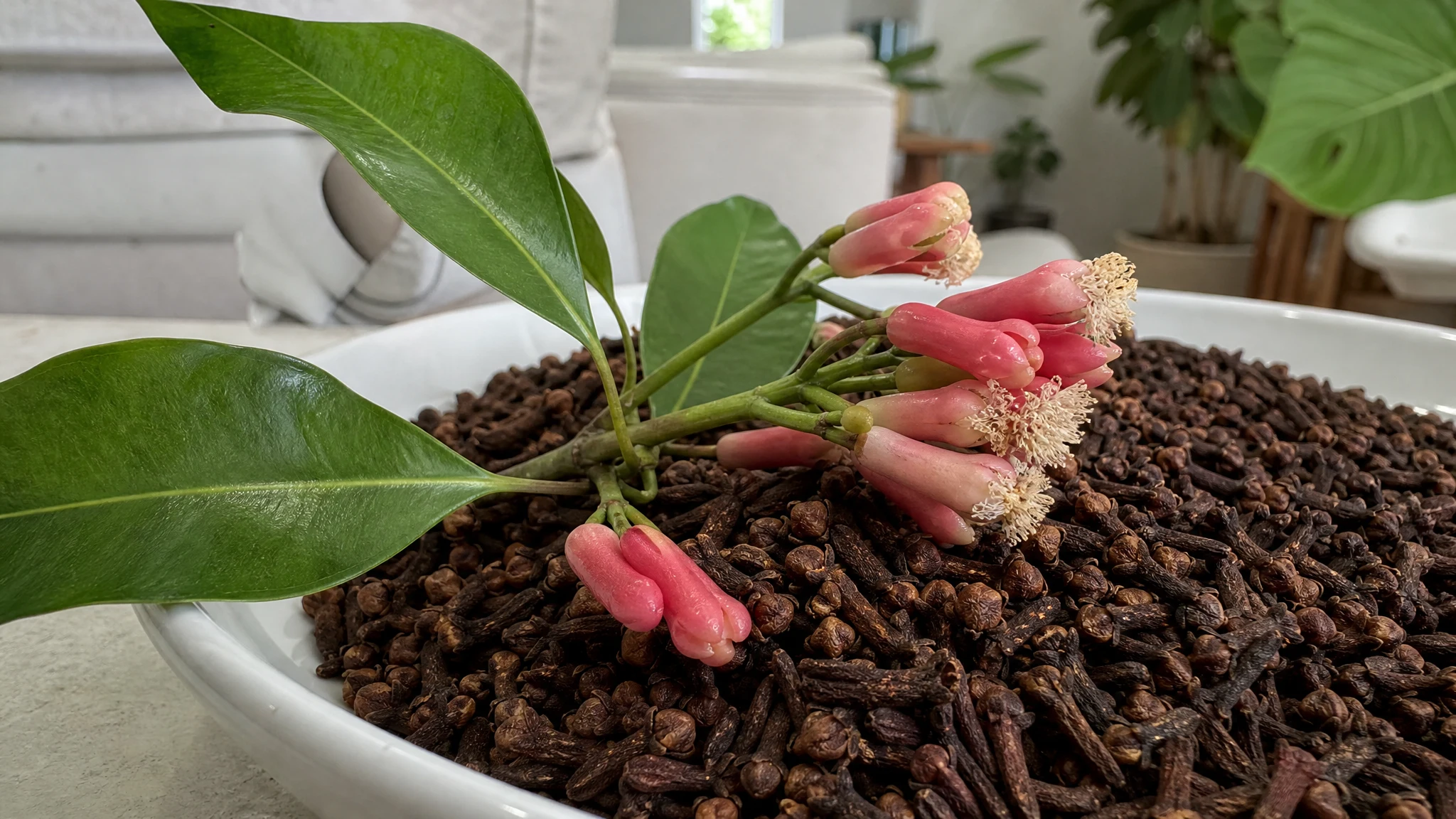
What Is Clove Oil? Bud vs Leaf Explained
Ask for clove oil and you could get any of three different oils. Here is how bud and leaf differ, what eugenol does, and what to look for on a label.

7 Ways to Use Clove Oil at Home
Clove oil earns its place in seven home uses: diffuser, simmer pot, potpourri, candles, soap, cleaning sprays and perfume. Where to start with each.
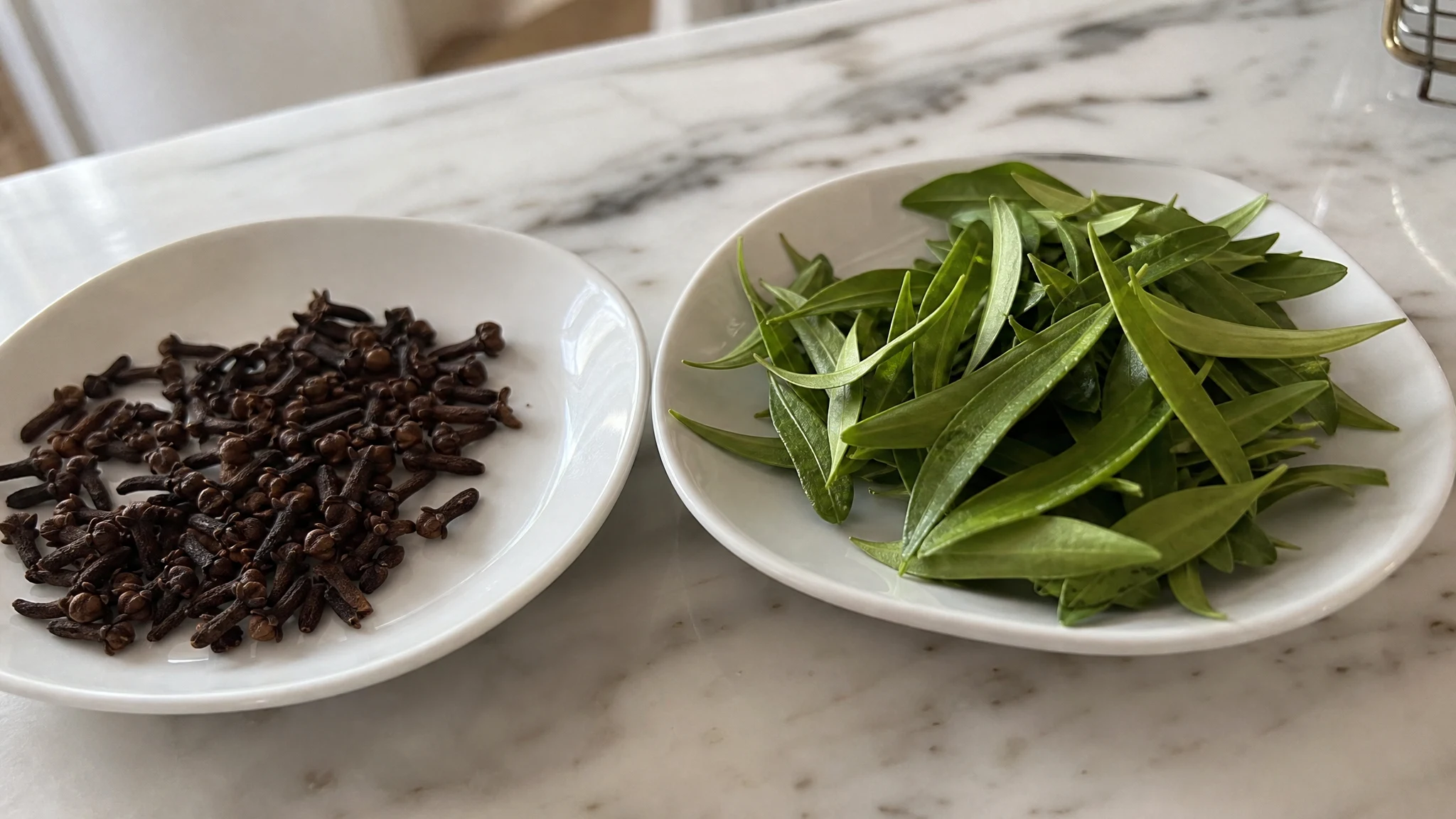
Clove Bud vs Clove Leaf Oil: Which Should You Pick?
Bud and leaf clove oils carry almost the same eugenol, yet smell different. What sets them apart and how to pick one for soap, candles or scent.
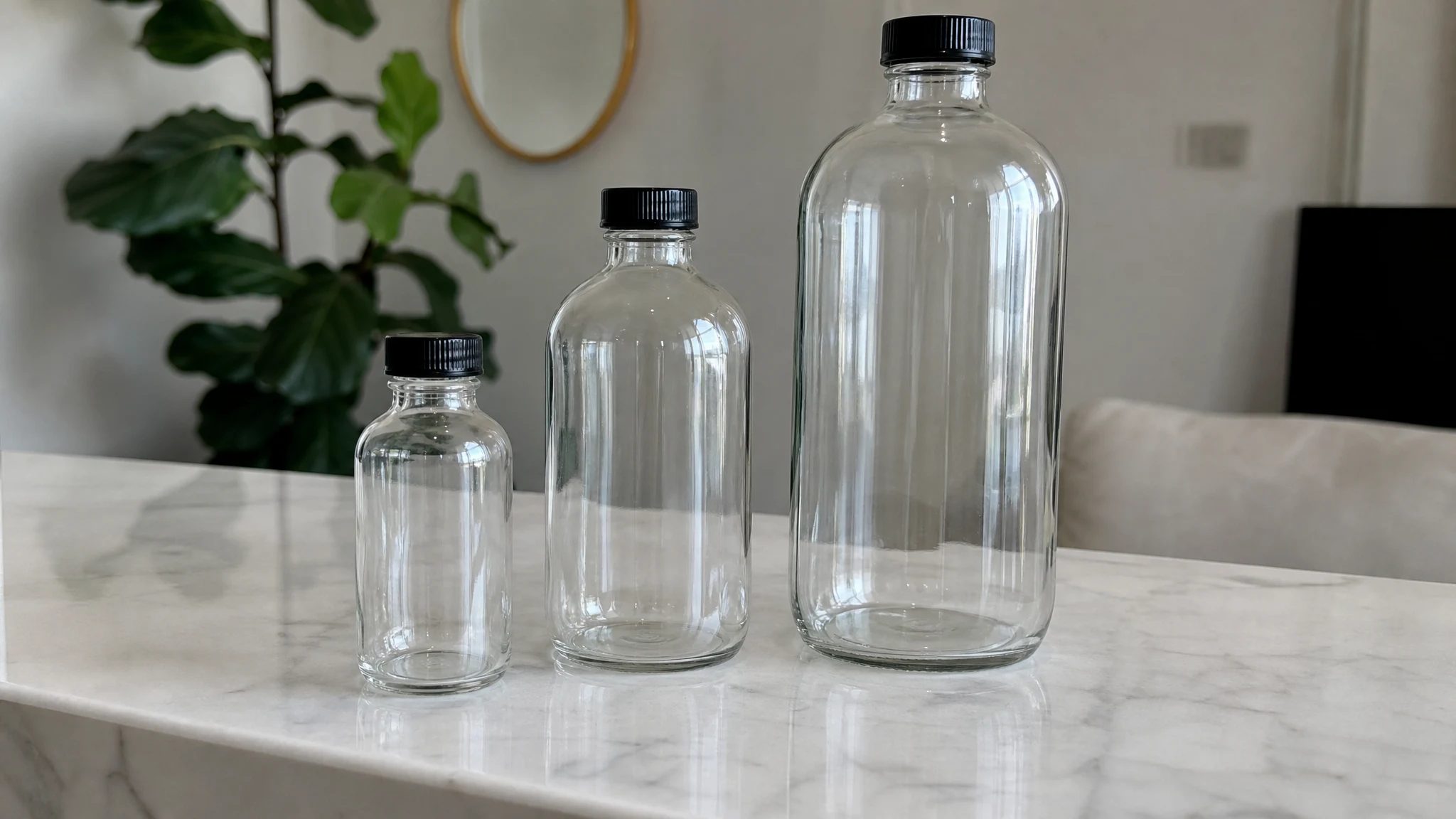
How Big a Clove Oil Bottle Do You Need?
A 0.5 oz bottle holds about 300 drops, enough for roughly a hundred small skin blends. Match the size to the project, not to the per-ounce math.
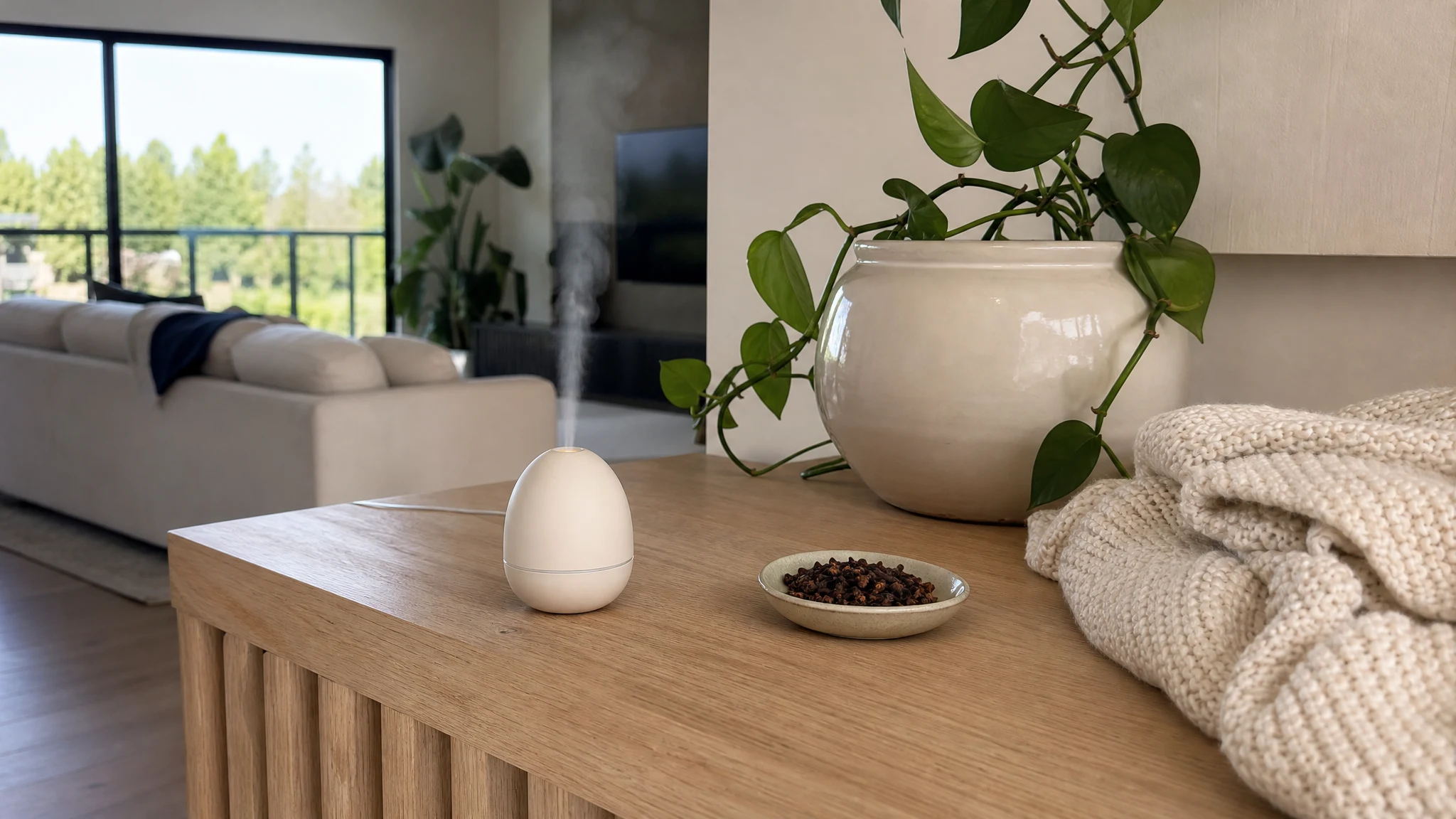
Clove Oil Diffuser Blends: Four Warm Recipes
The first ten minutes of a clove diffuser smell wonderful. Four formulas built on one drop of clove, plus how to run a reservoir so it stays that way.
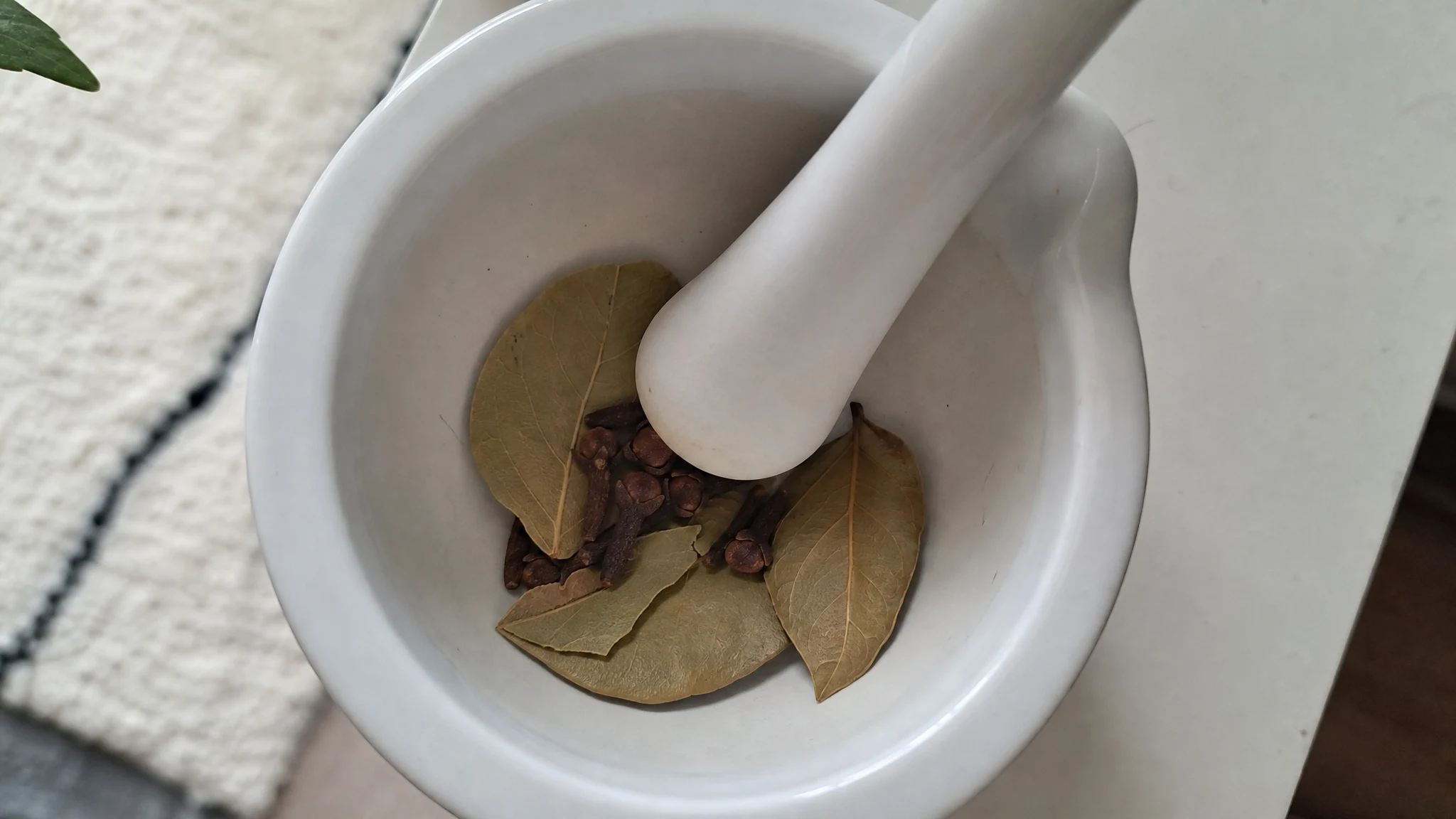
What Does Clove Oil Smell Like? Bud vs Leaf
Clove bud and clove leaf oils are both unmistakably clove but smell different. See how to tell them apart and what gives clove its famous warm spice.
What Is Eugenol? The Compound Behind Clove's Scent
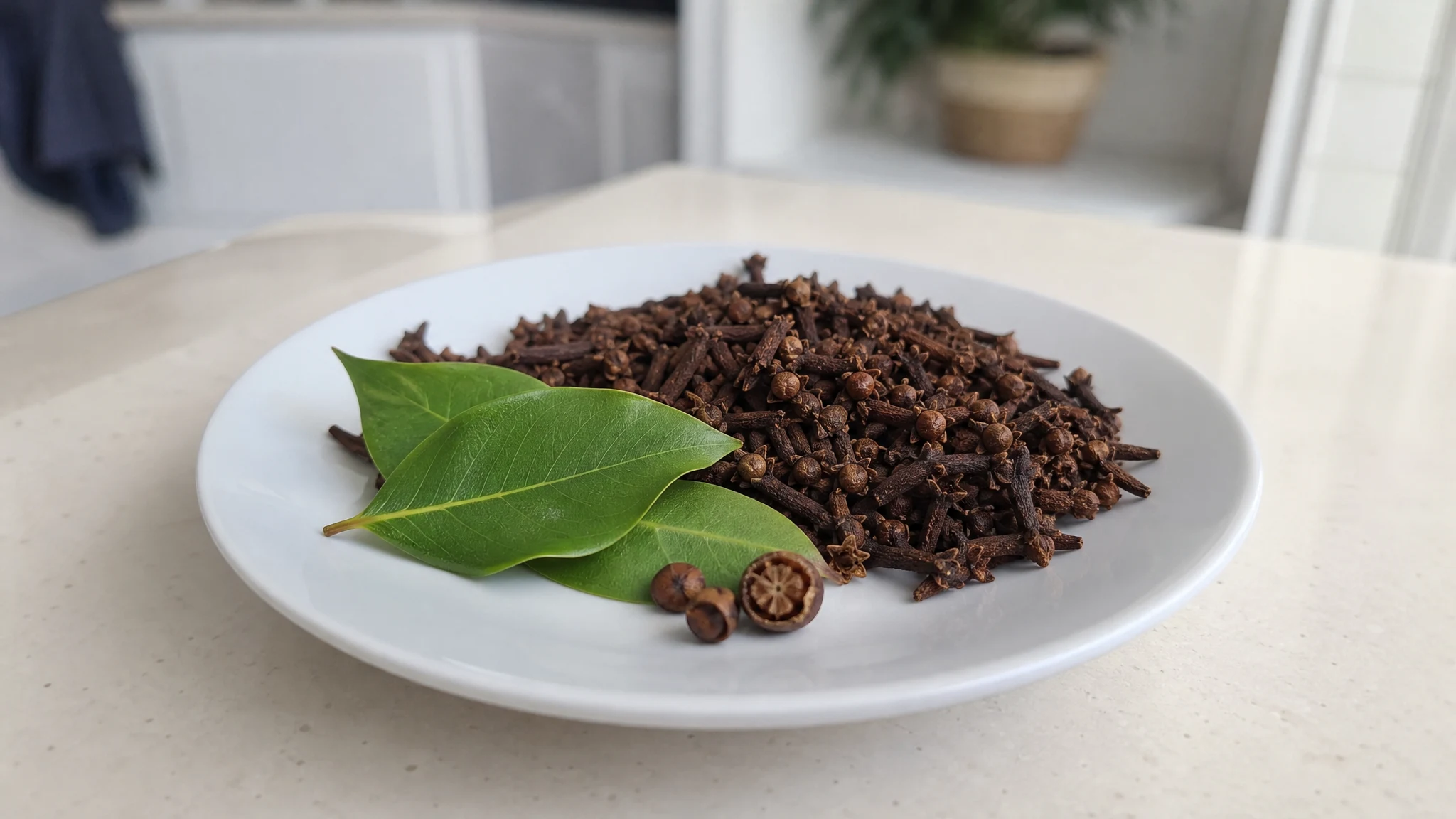
Eugenol is most of what clove oil is. See what it is, how much our bud oil's report lists, why the number is read the way it is, and what it means on skin.

Clove Oil Safety: Dilution, Patch Tests and Pets
Clove oil is mostly eugenol, so it rewards careful handling. Our 0.5% skin ceiling with drop counts, a patch test, and care around kids, cats and birds.

How Is Clove Oil Made? From Green Bud to Bottle
From hand-picked green buds to steam still to amber glass, here is how clove oil is made and why a bud oil and a leaf oil end up smelling different.
Clove vs Cinnamon Oil: How to Choose Between Them
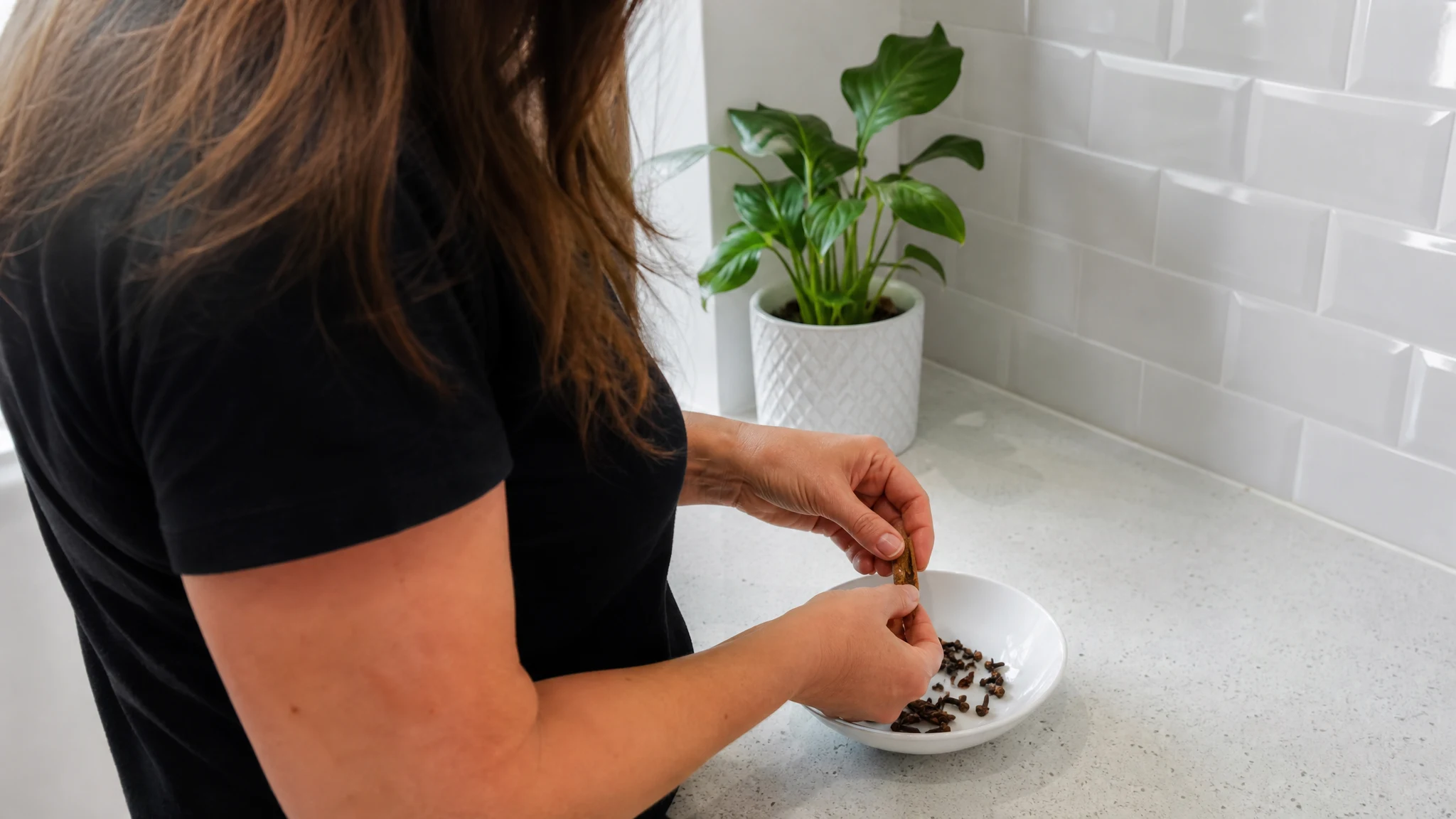
Clove oil is reliably eugenol-rich; cinnamon oil depends on species and plant part. How they compare on chemistry, skin and what to ask a seller.
Clove Oil Cleaning Spray: Scent It the Easy Way
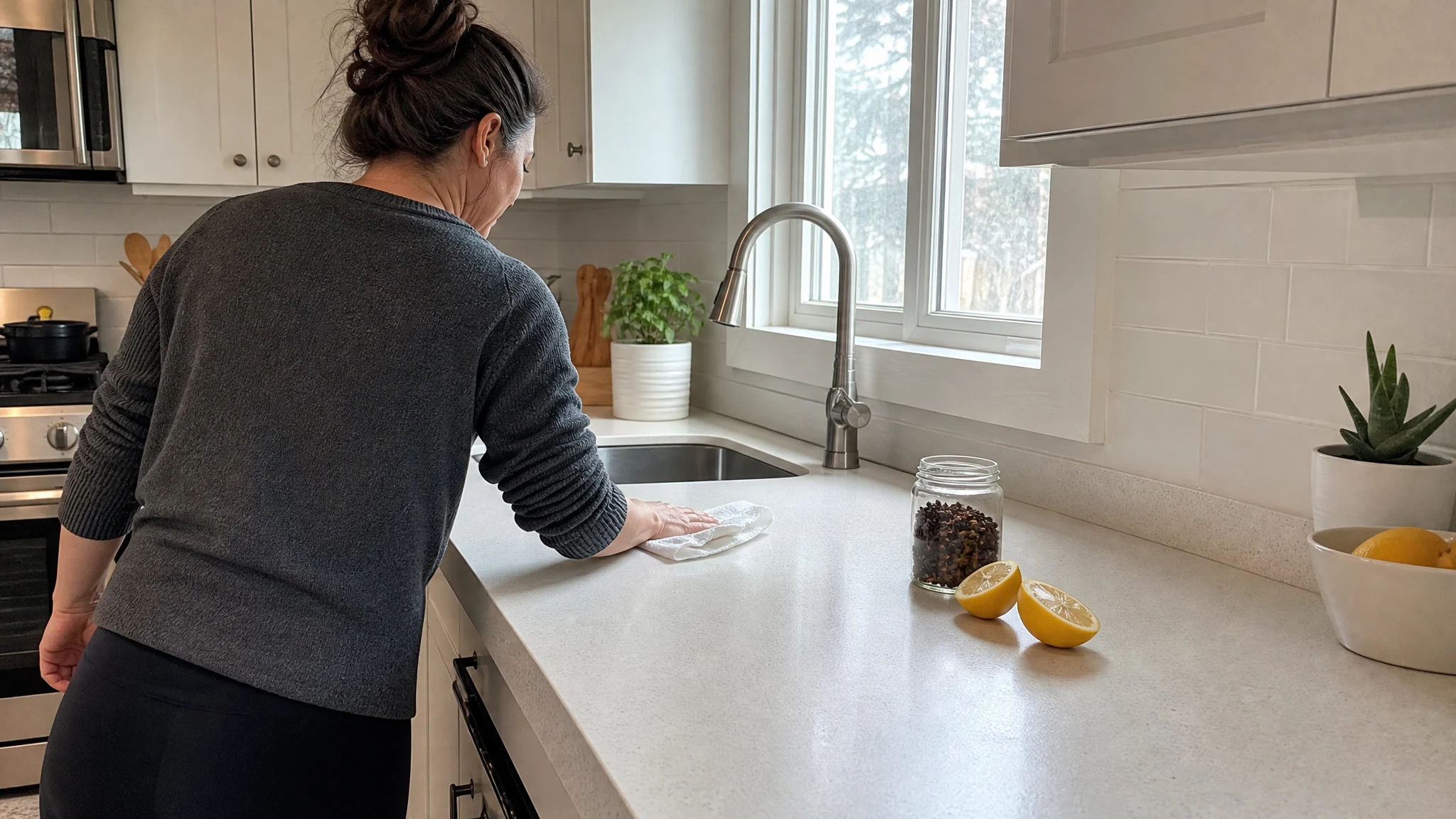
Clove oil gives a homemade cleaner a mulled-cider scent. How much to add, how to mix it and where to take care, with soap or vinegar doing the cleaning.

Clove and Orange Room Spray: A Pomander Style Mist
A clove-studded orange as a mist: an alcohol-based spray with the arithmetic, why oil needs alcohol to mix, and where a flame-free room matters.
How to Store Clove Oil: Keep It Fresh for Years
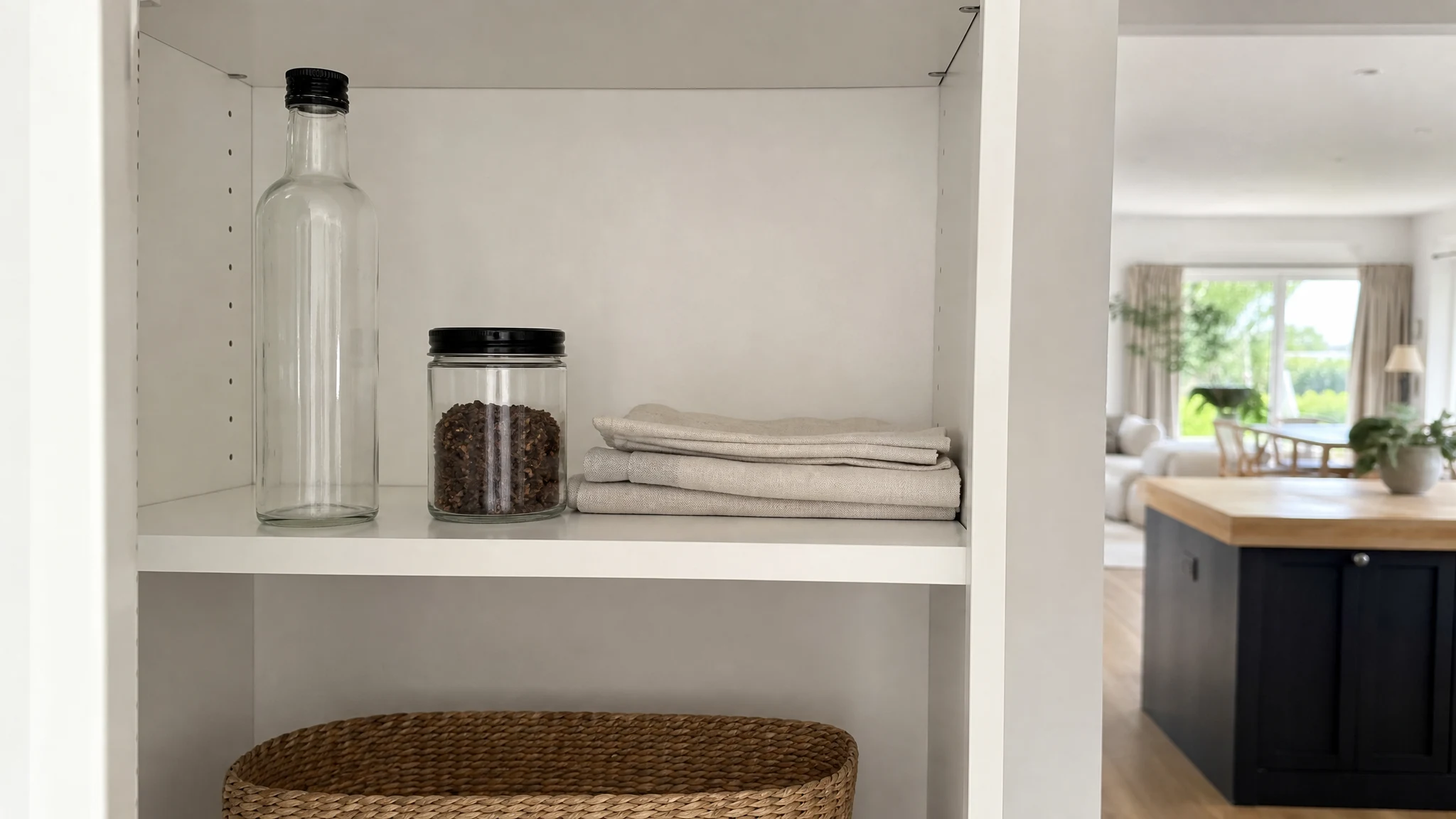
Cool, dark, sealed and dated: simple habits that keep clove oil at its best, plus when to move an older bottle from the skin shelf to the simmer pot.
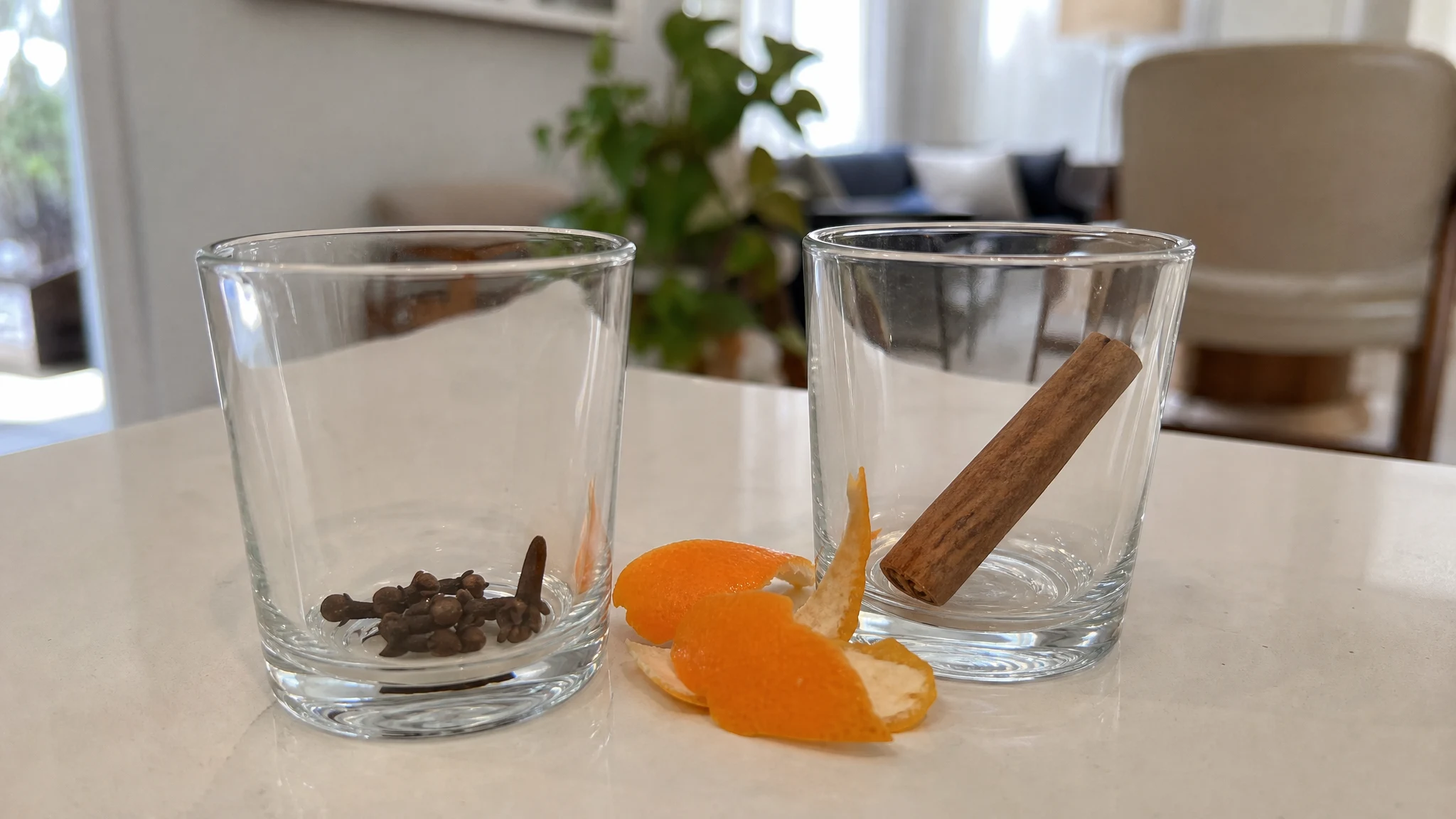
Clove Essential Oil vs Fragrance Oil: Know the Difference
Eugenol is the same molecule whether distilled or synthesised. Here is how a clove essential oil label differs from a fragrance oil label, and what to ask.
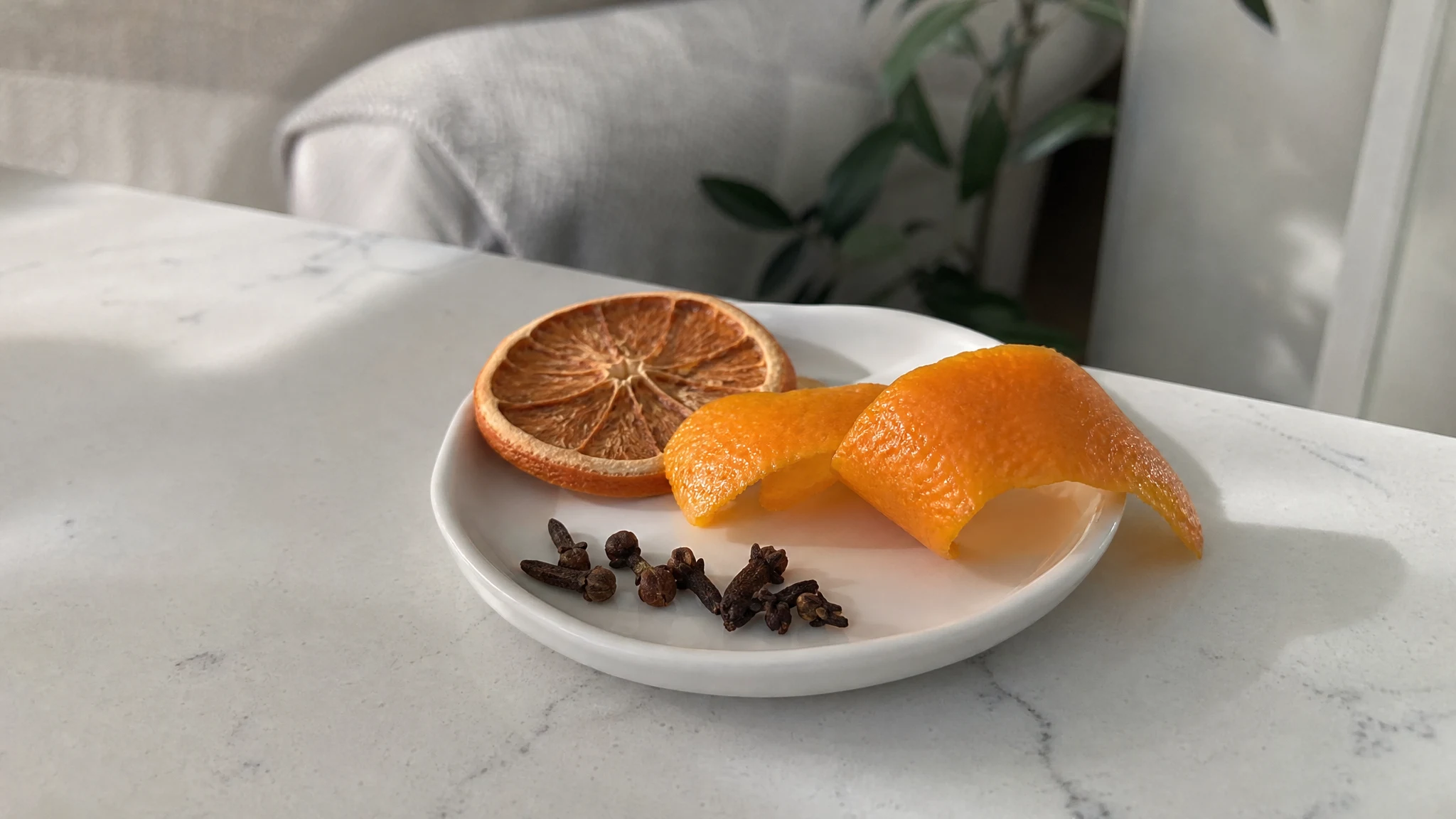
Clove Oil Blends: Simple Recipes Built on One Drop
Clove is the pinch of spice in a blend, not the main event. Ten ten-drop recipes, from orange to cedarwood and frankincense, each with one drop of clove.
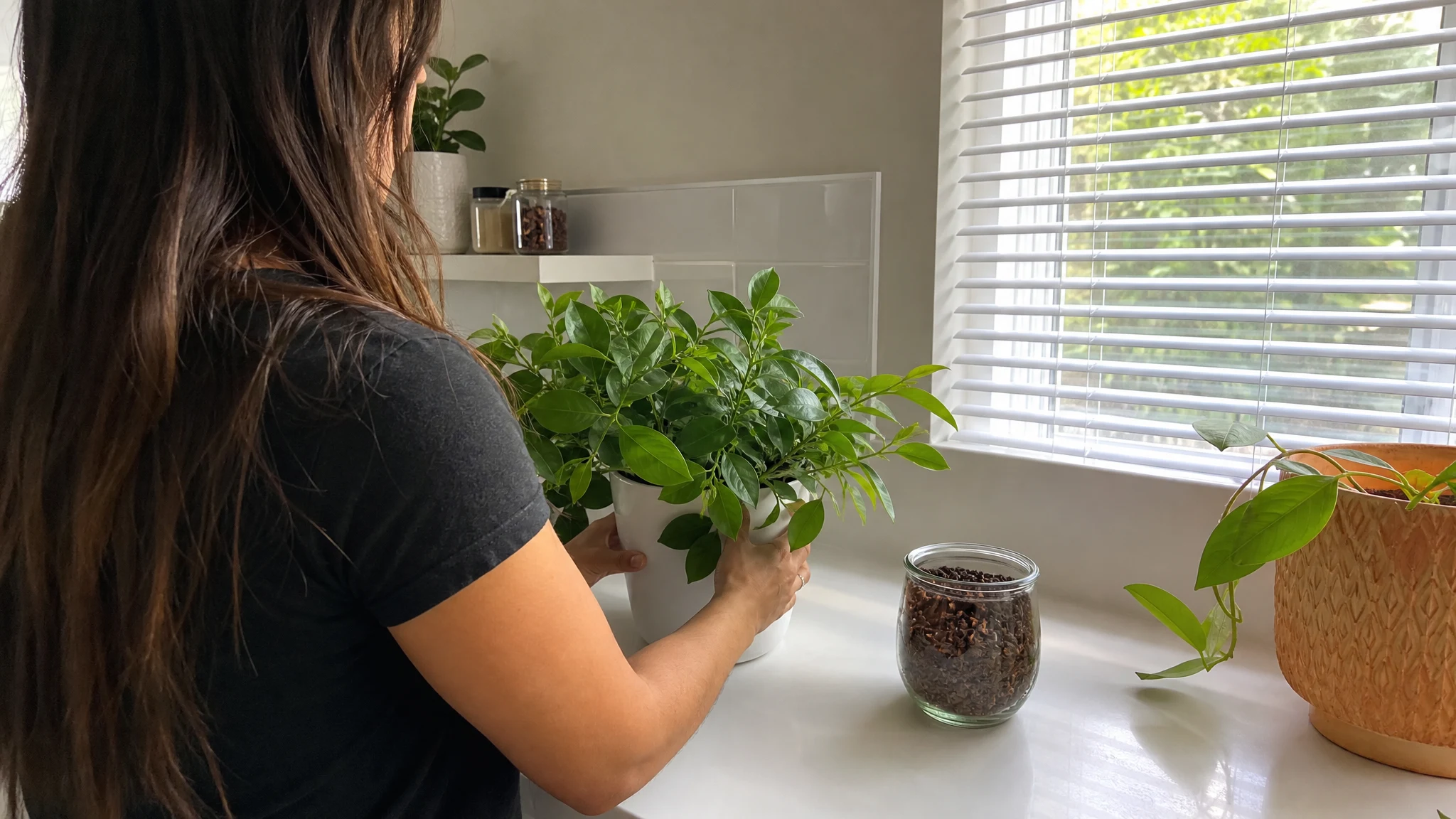
Clove Oil for the Workbench: Scent Projects to Try
A little clove makes a workshop smell like autumn. Scent projects that suit the oil, how to pick bud or leaf, and bench handling tips for gloves and drops.

Clove Oil in Wax Melts: A Gentle Starter Guide
Clove makes a cozy wax melt, and a warmer runs for hours. Here is a low-load formula with the arithmetic, bud versus leaf, and when to skip it.
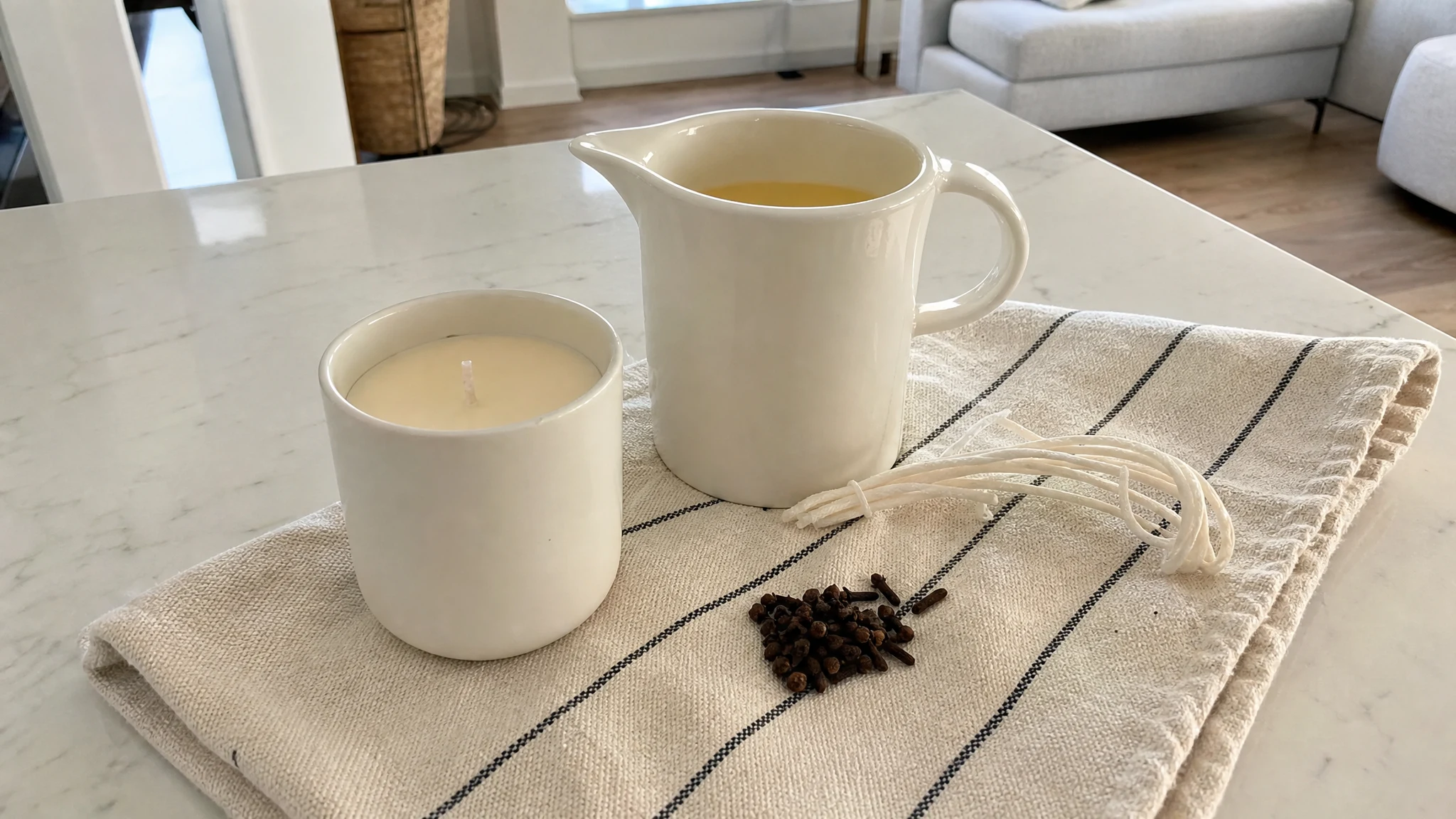
Clove Spice Candle: A Start to Finish Guide
Scenting a candle with clove oil: the arithmetic for 100 g of wax, why your wax data sheet sets the limit, and a single test jar first.
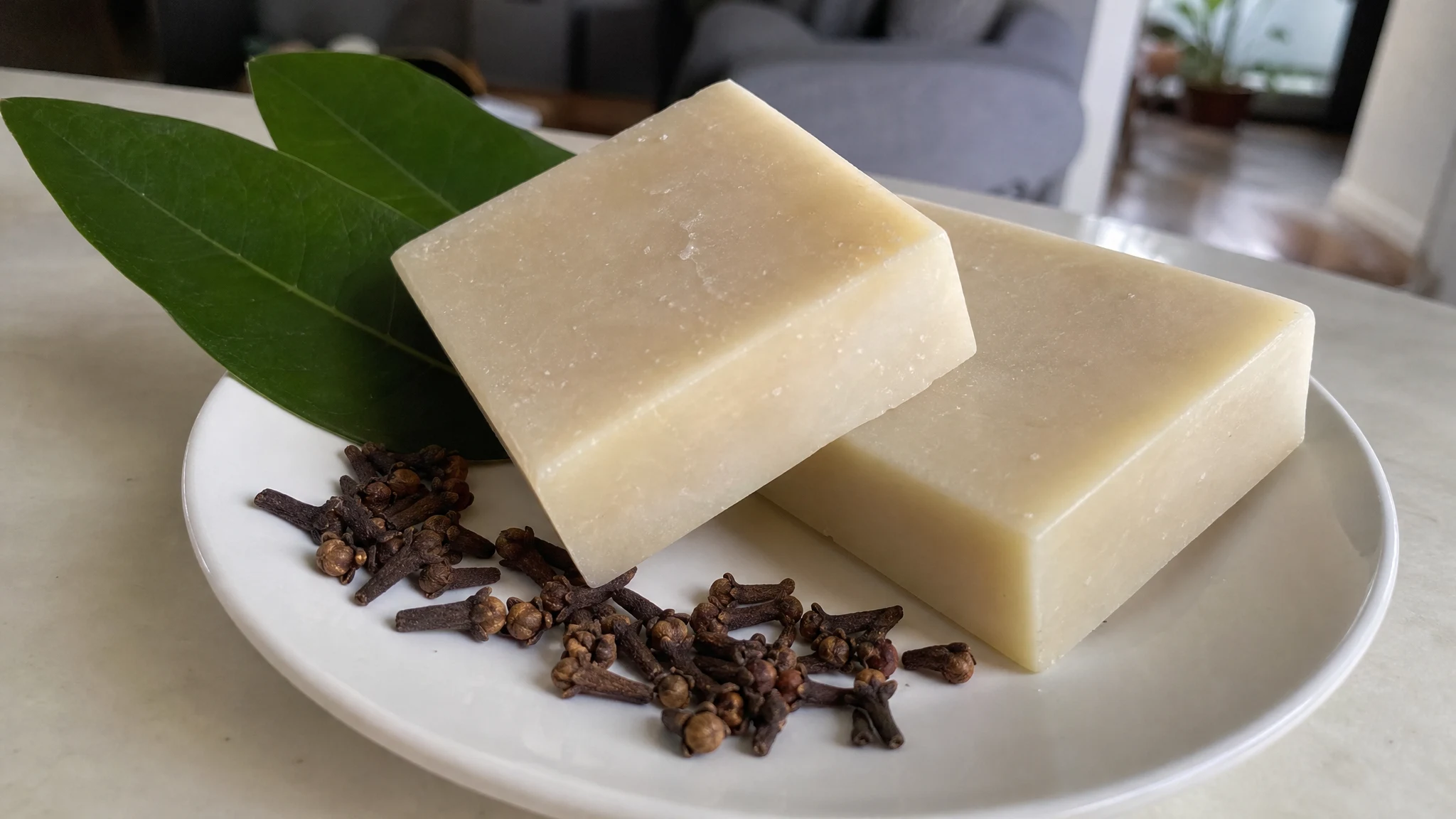
Clove Melt and Pour Soap: A Simple Spiced Bar
A melt and pour clove soap made in grams: 2.27 g of oil to one pound of base, the pour in order, and who should skip clove.
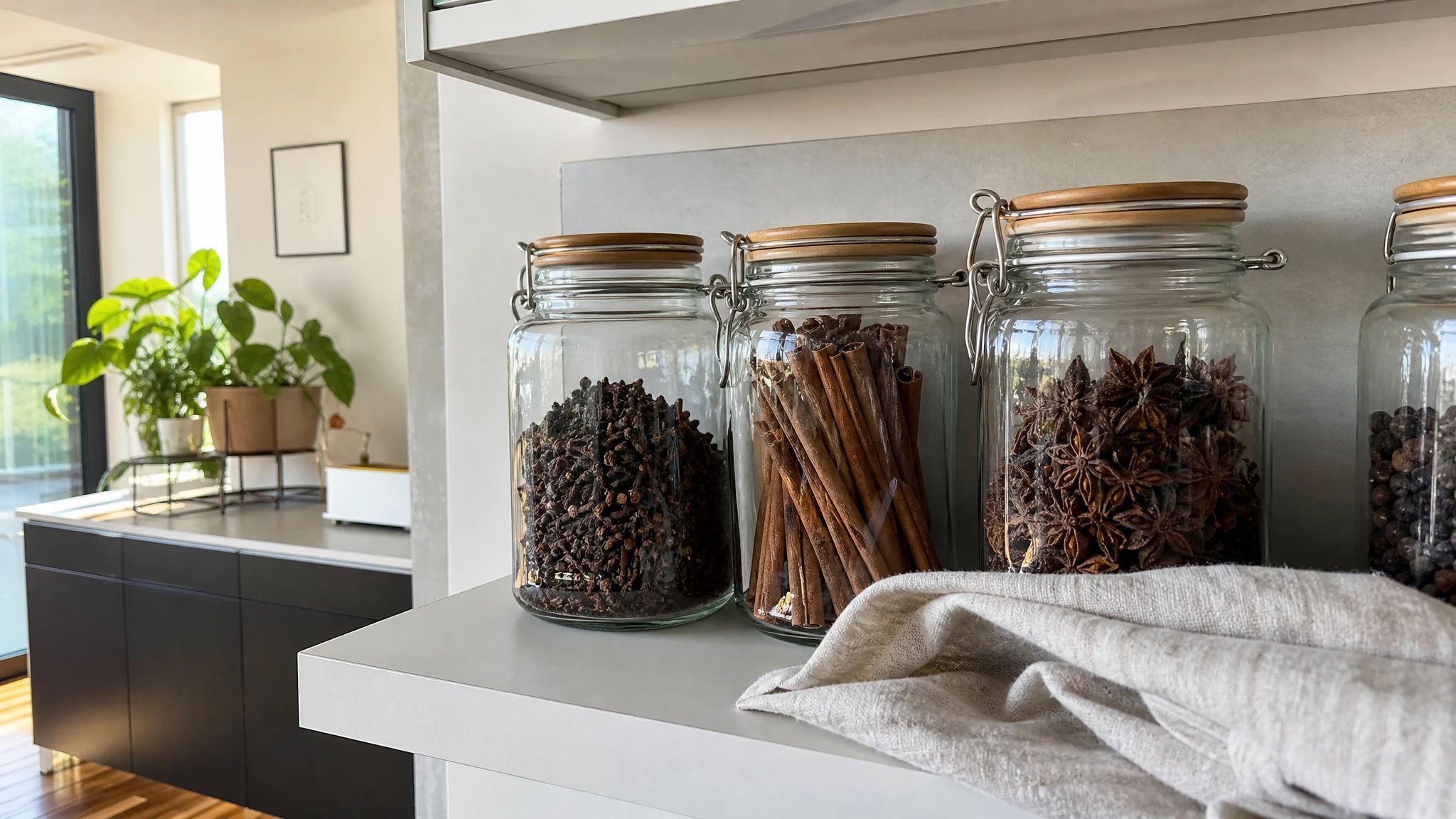
Clove History: From the Maluku Islands to Your Spice Rack
A nail-shaped flower bud from a few Indonesian islands shaped trade routes for centuries. The sourced story, from Venice to Dutch chiefs to Zanzibar.
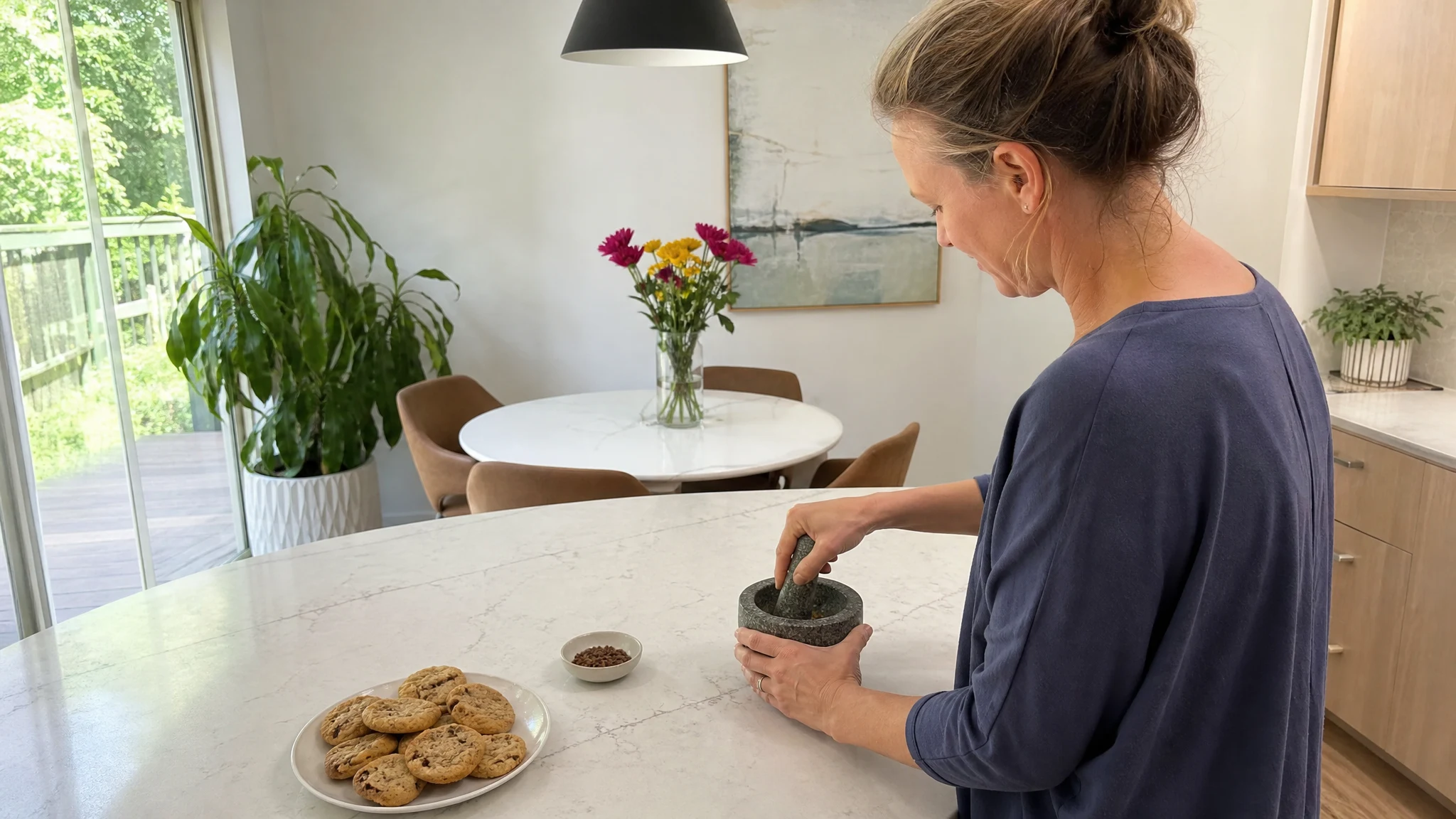
Clove Oil vs Whole Cloves: Which Do You Need?
One ounce of clove bud oil represents about 300 grams of buds. See where whole cloves belong and where the oil earns its place, from stovetop to crafts.

Winter Clove Diffuser Blends for Every Room
A diffuser cannot smell of apples, but it can echo the spice and peel of mulled cider. Three formulas for hall, dining room and living room.
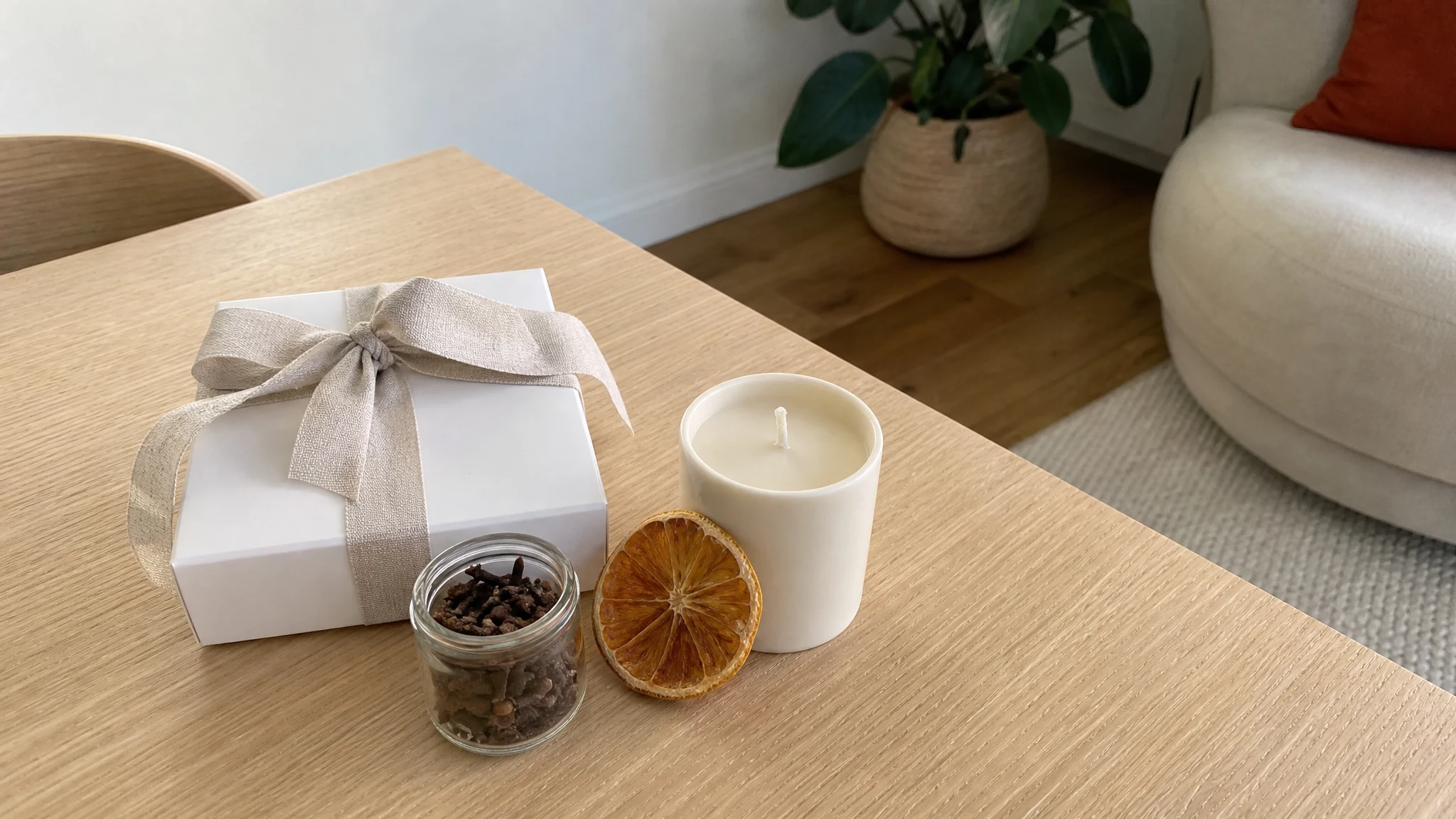
Gifting Clove Oil: Who It Suits and Who to Skip
Clove oil is a lovely gift for the right person. Four questions to ask first, and a short handling card to tuck in with the bottle.

Where Do Cloves Grow? Origins and Oil Labels
Indonesia, Madagascar and Zanzibar all grow cloves. Learn how the tree traveled, why an origin name is only a lead, and what to ask before you buy.
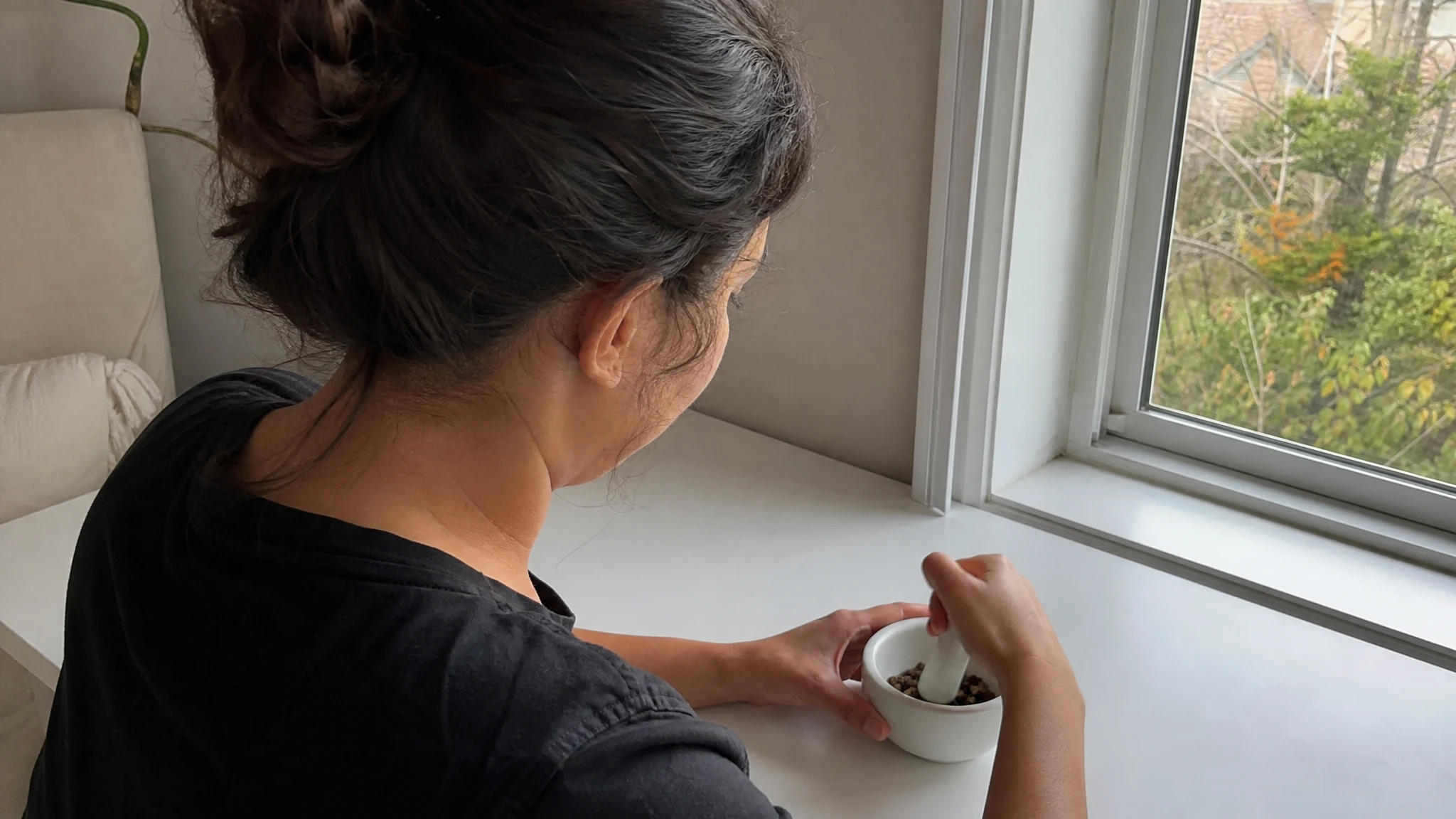
Is Clove a Base Note? Clove Oil in Perfume
Clove is called a base note, but paper-strip data puts it in the middle. How to build a spicy accord around it, and how few drops a perfume can hold.
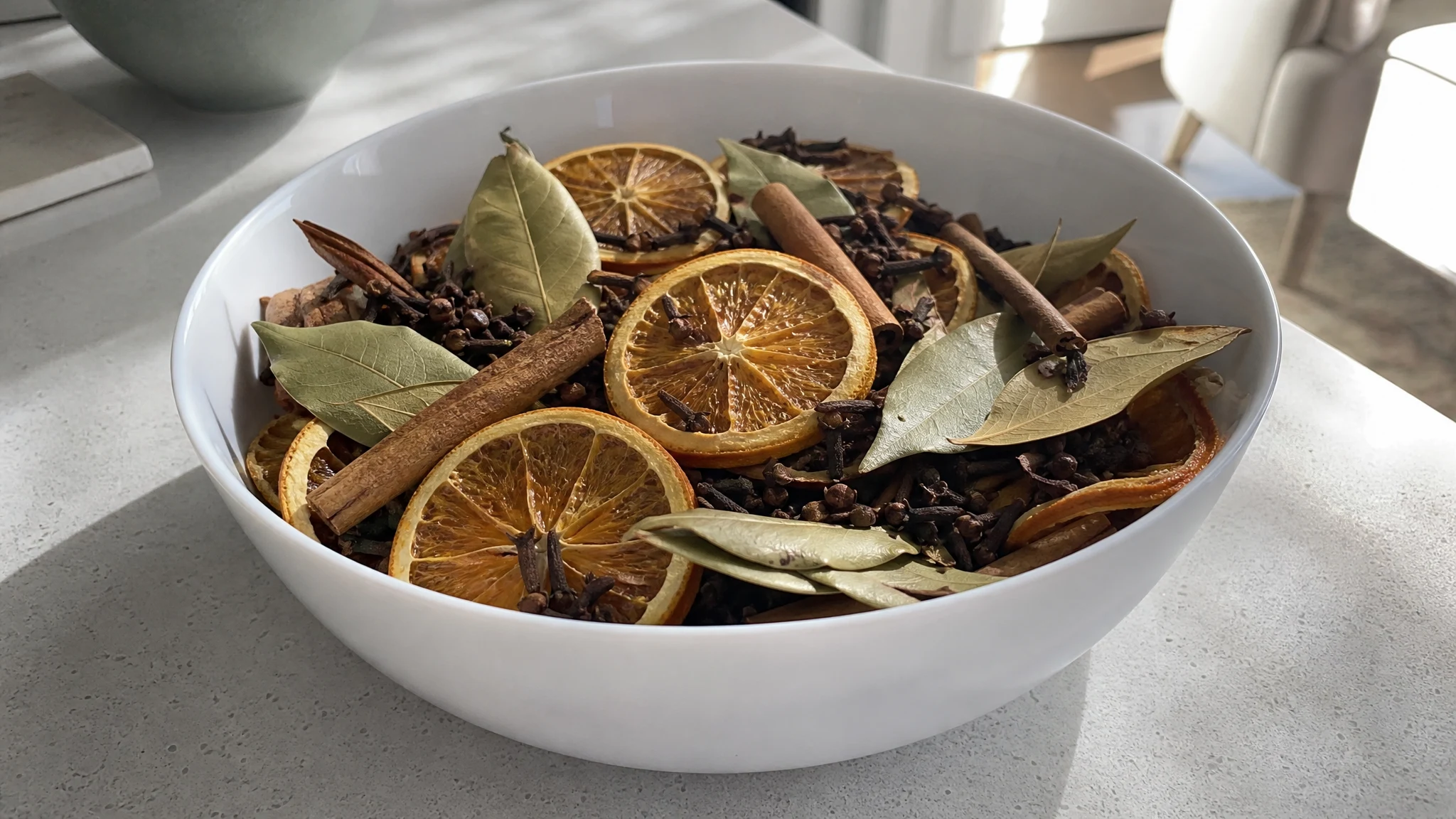
Clove Potpourri: A Dried Bowl and a Simmer Pot
A dried-bowl blend for weeks of spice scent, a stovetop version for an afternoon, and how to refresh the bowl with a few drops of clove oil.

How to Scent a Home with Clove Oil, Carefully
Before the recipe comes the room. Match diffuser, simmer pot, potpourri or candle to who shares the air, and start with the smallest amount of clove.
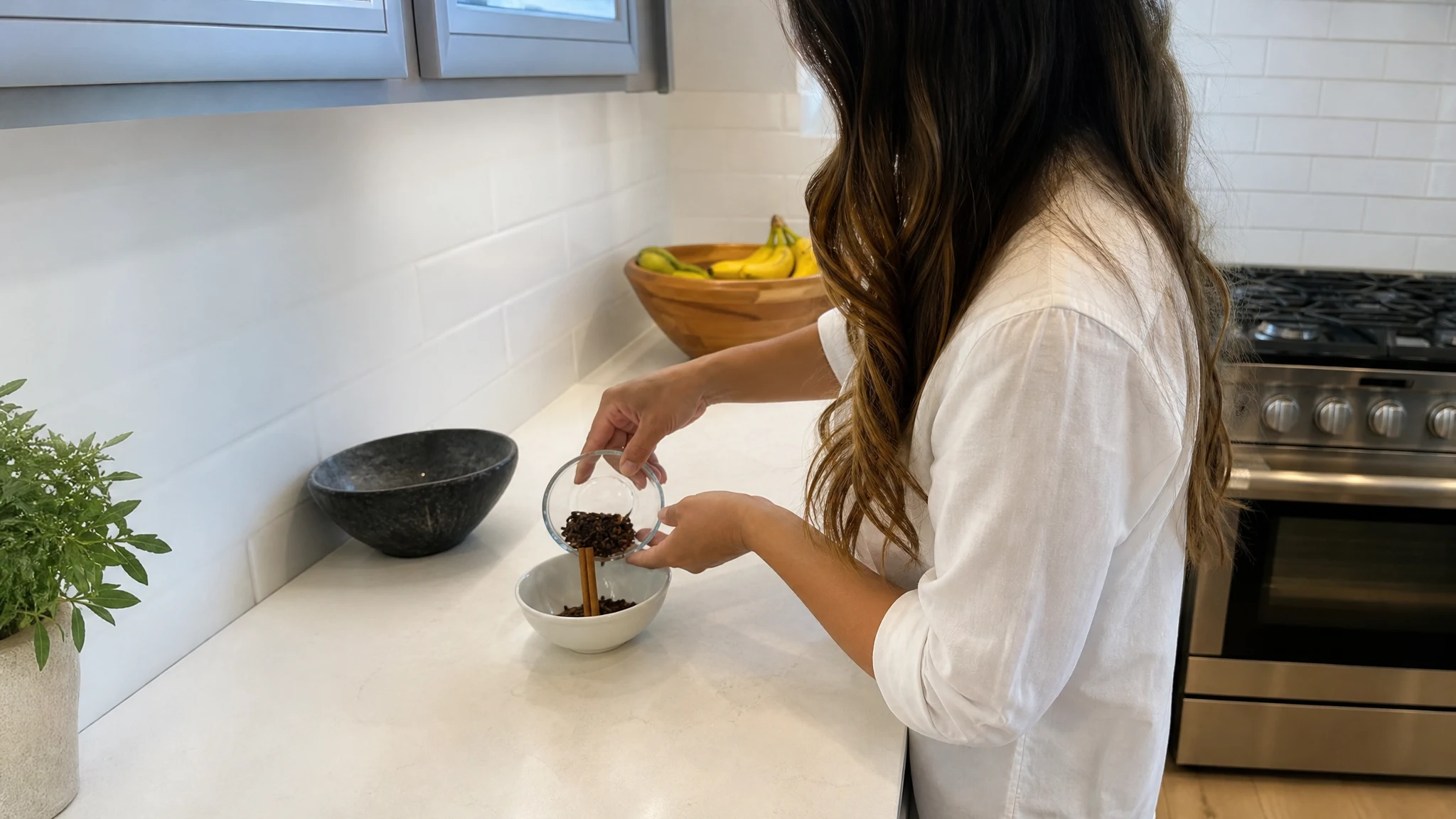
Blending With Clove Oil: Partners and Drop Counts
Clove works best as the smallest number in a blend. Turn percentages into drops, then pair by note: orange for lift, cedarwood for depth, vanilla to round.
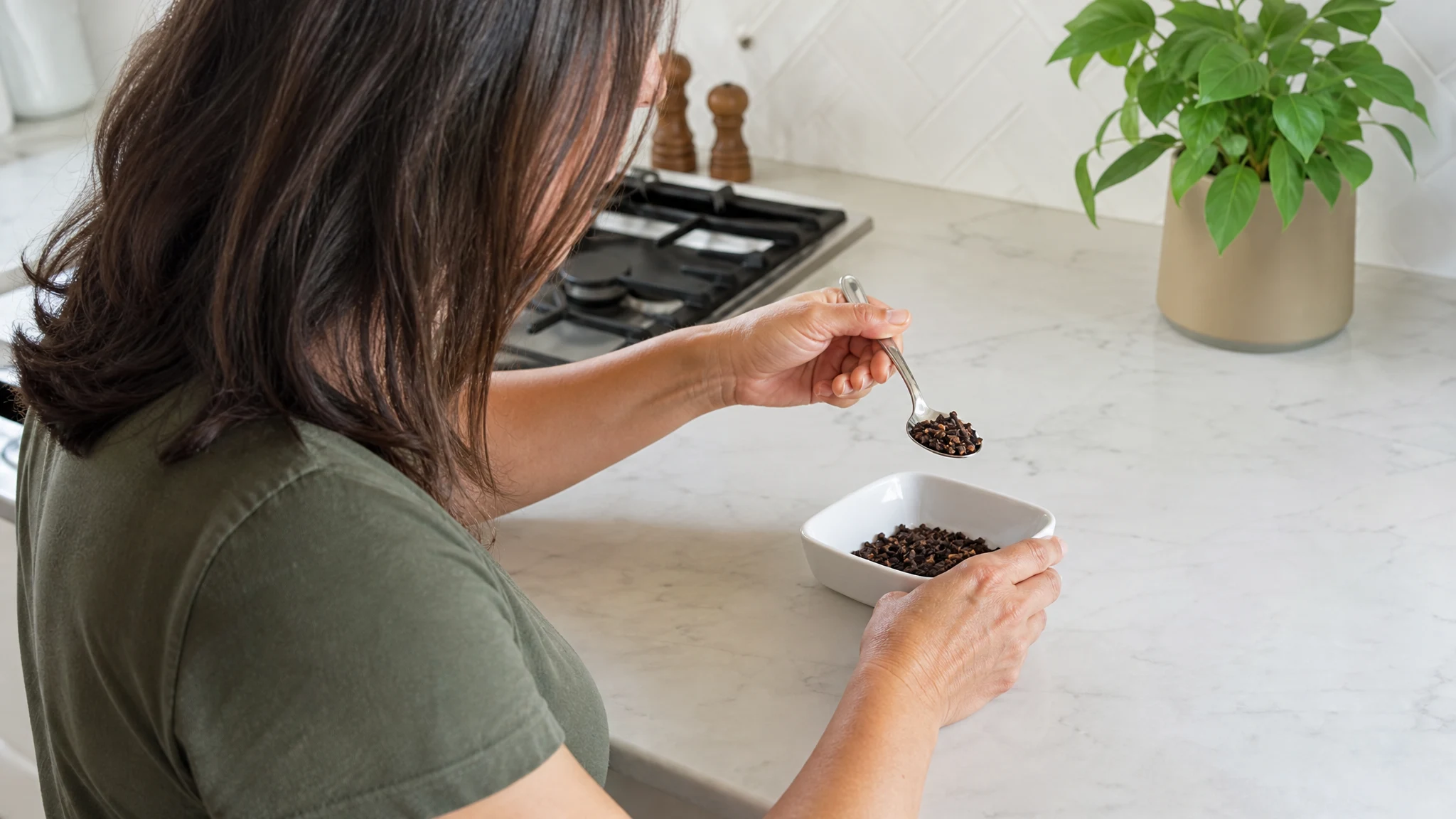
Clove Oil FAQ: Your Top Questions Answered
Bud or leaf, how strong, how to store it, what paperwork exists: ten of the questions we hear most about clove oil, answered plainly.
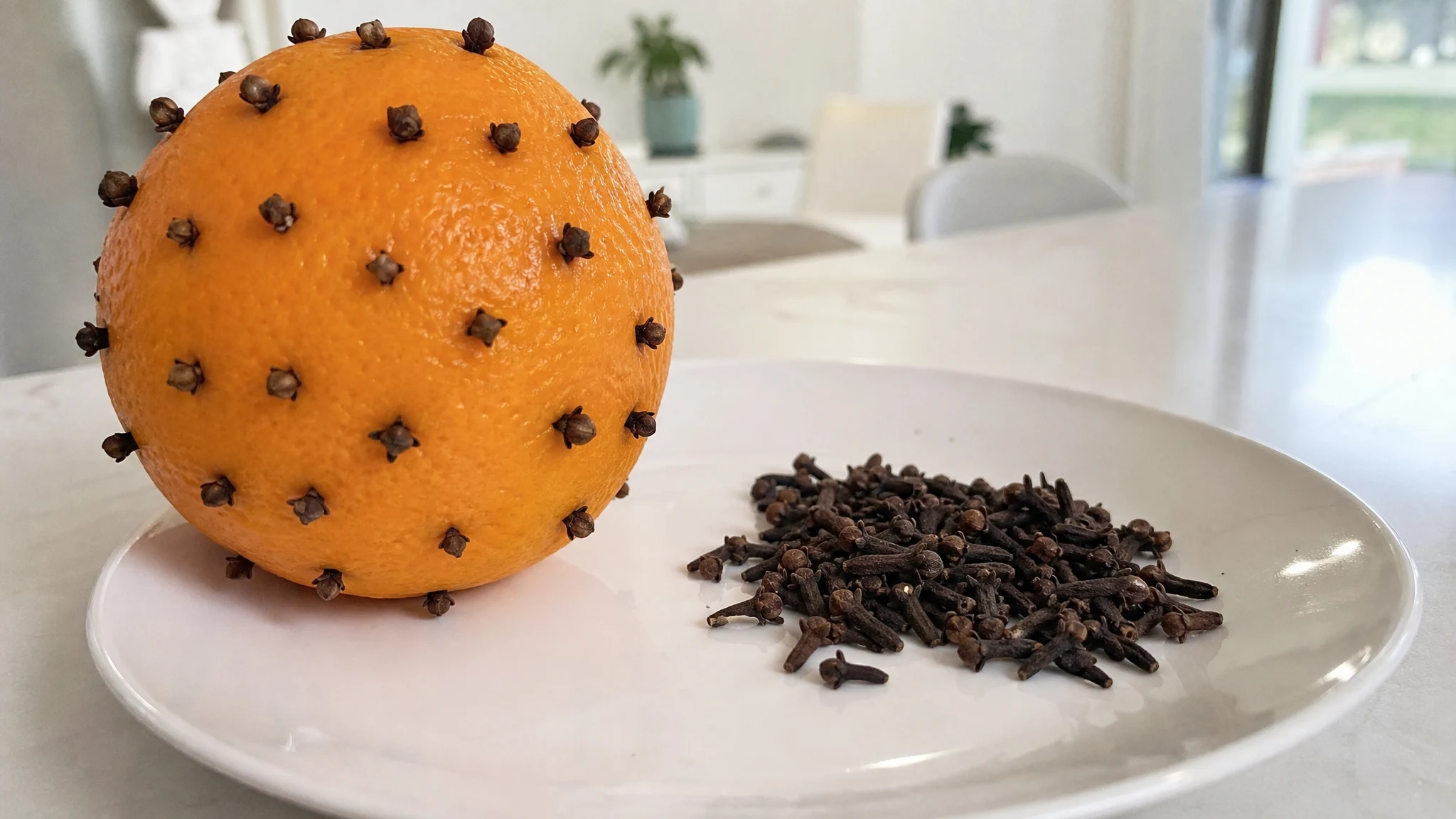
Clove Oil Myths: 6 Things People Get Wrong
Clove oil collects myths, from spice-rack safety to grade labels. We sort six common ones into what is true, what is stretched and why it matters.

Clove Scents for Thanksgiving: A Day-Of Plan
The kitchen already smells like dinner. A timeline for Thanksgiving: clove in the entry hall, nothing on the table, and a pot on the stove afterward.
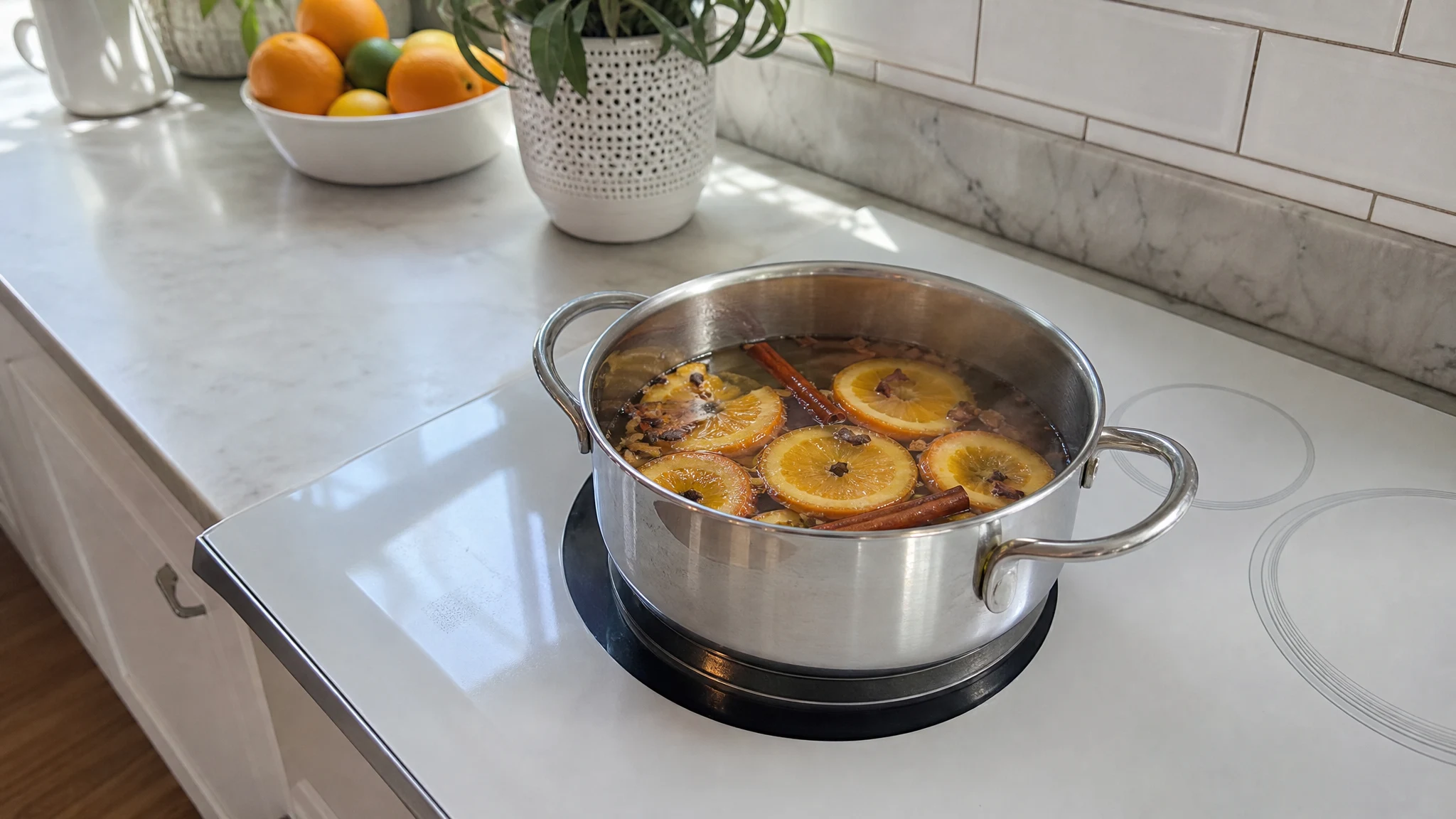
Clove Simmer Pots: Five Stovetop Recipes to Try
A simmer pot needs little more than cloves, fruit and water. Five ingredient lists, when one drop of oil helps, and easy stove habits for a cozy afternoon.

Clove Oil Room by Room: Where It Belongs at Home
The rooms that should get clove oil are fewer than the rooms you will want to scent. A porch, a living room and a den each get their own formula.
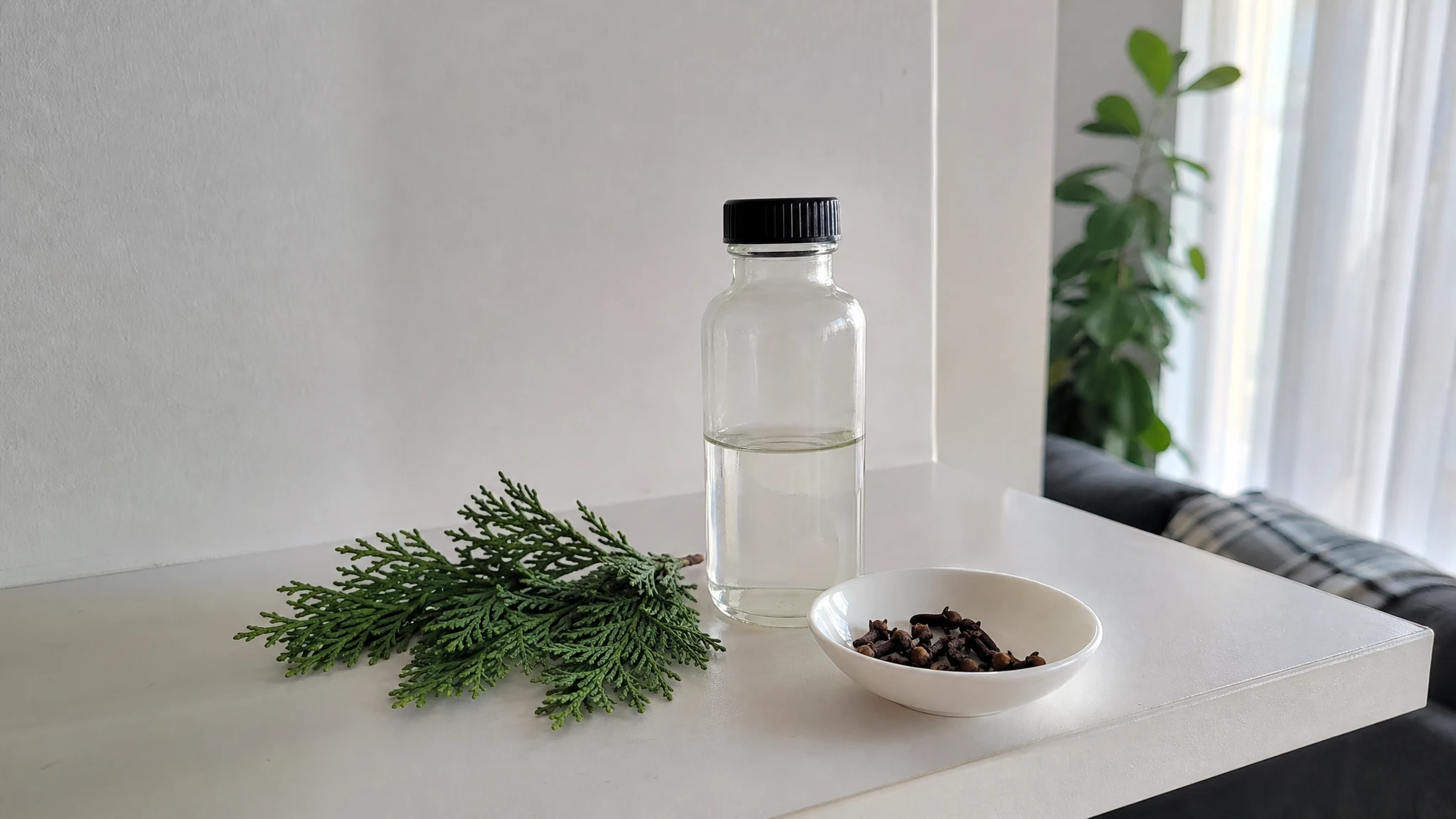
Clove, Cedarwood and Orange Blend: A Simple Ratio
Clove wins any contest with cedarwood and orange. A 6-3-1 accord shows how to give each oil a job, scale it in drops and judge it on a paper strip first.
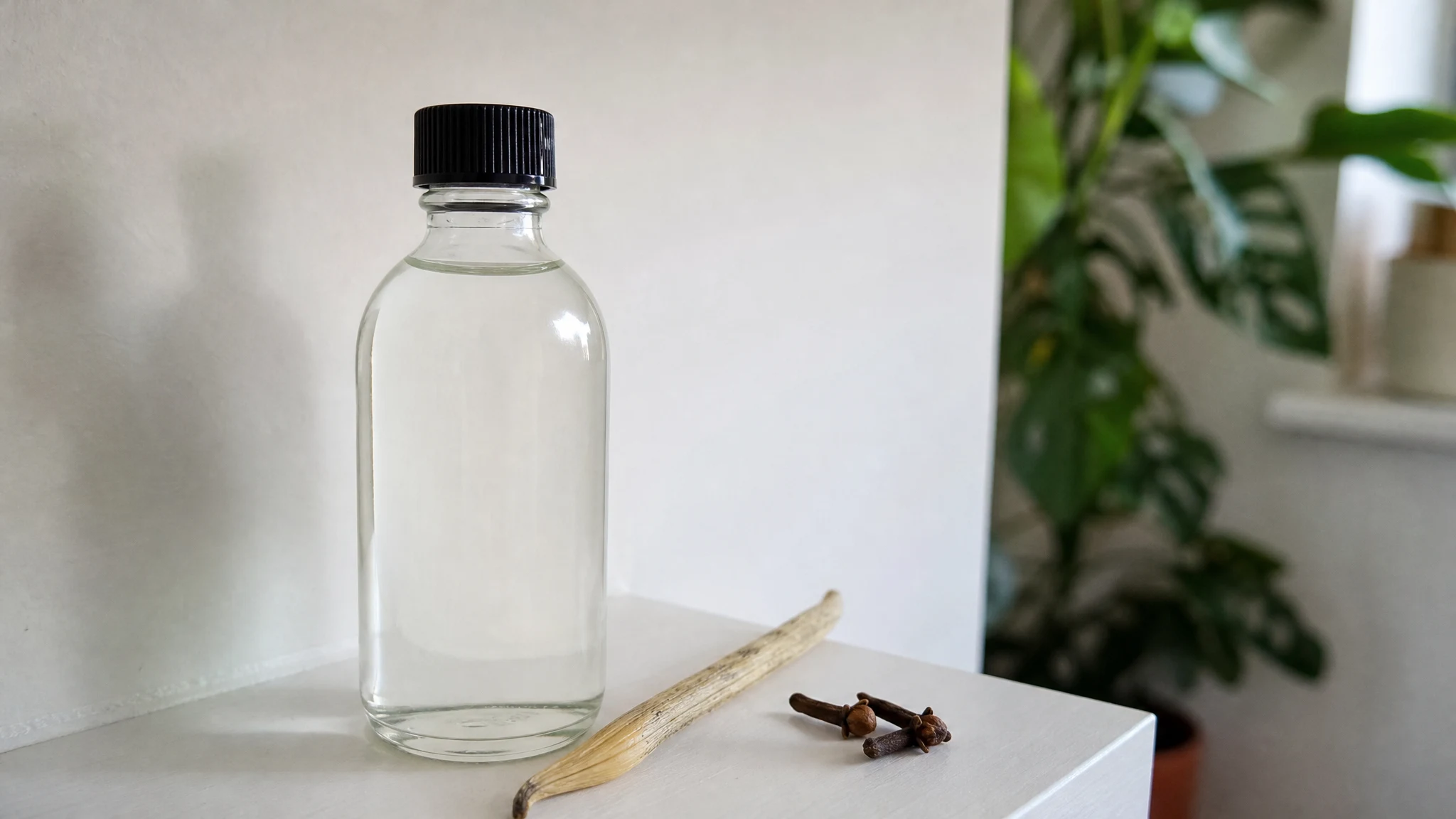
Clove and Vanilla Blend: Choose the Vanilla First
Sweet against spicy is the oldest pairing in the cupboard. Pick the vanilla first, keep clove to one part in ten, and the blend stays round and warm.
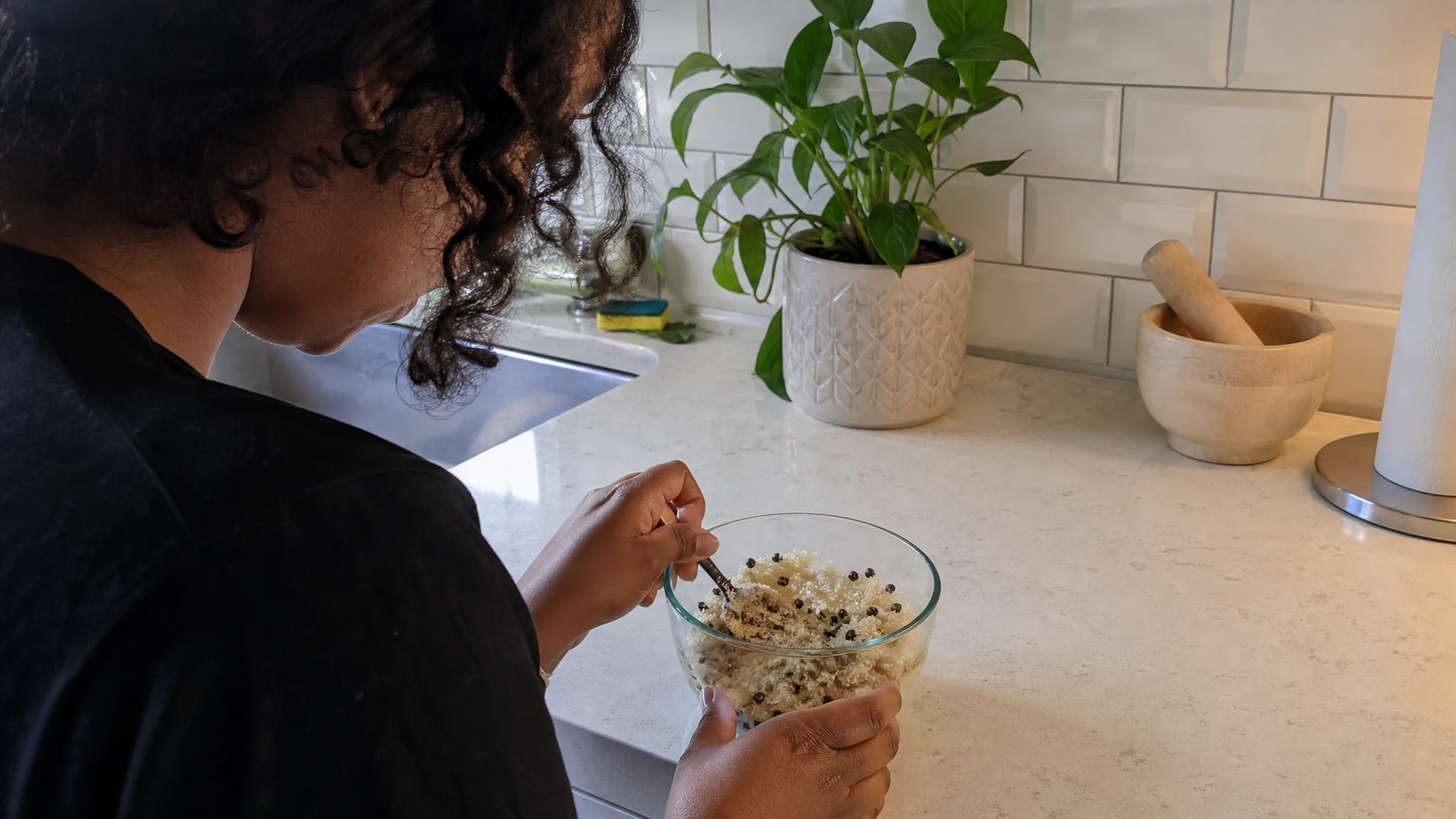
Clove Sugar Scrub: A Spiced Jar Worked Out in Grams
A spiced clove sugar scrub in grams: sugars, carrier oil and a quarter percent clove oil, mixed so the scent is even through the jar.
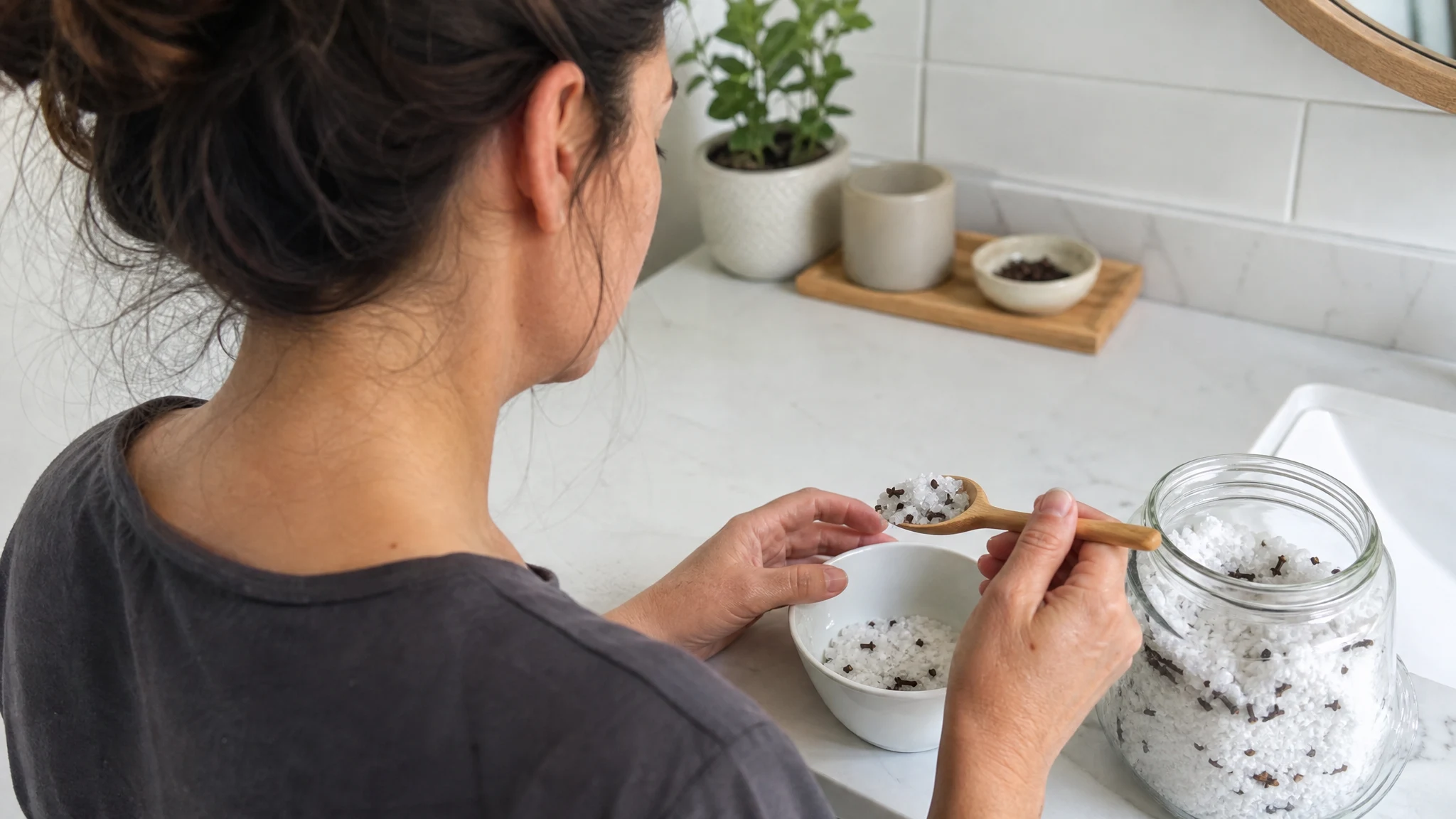
Clove Bath Salts: A Simple Recipe and Tub Tips
A cozy spiced salt blend with clove oil pre-mixed into a carrier, kept at a quarter percent, plus an easy alternative: a bowl for the shelf.
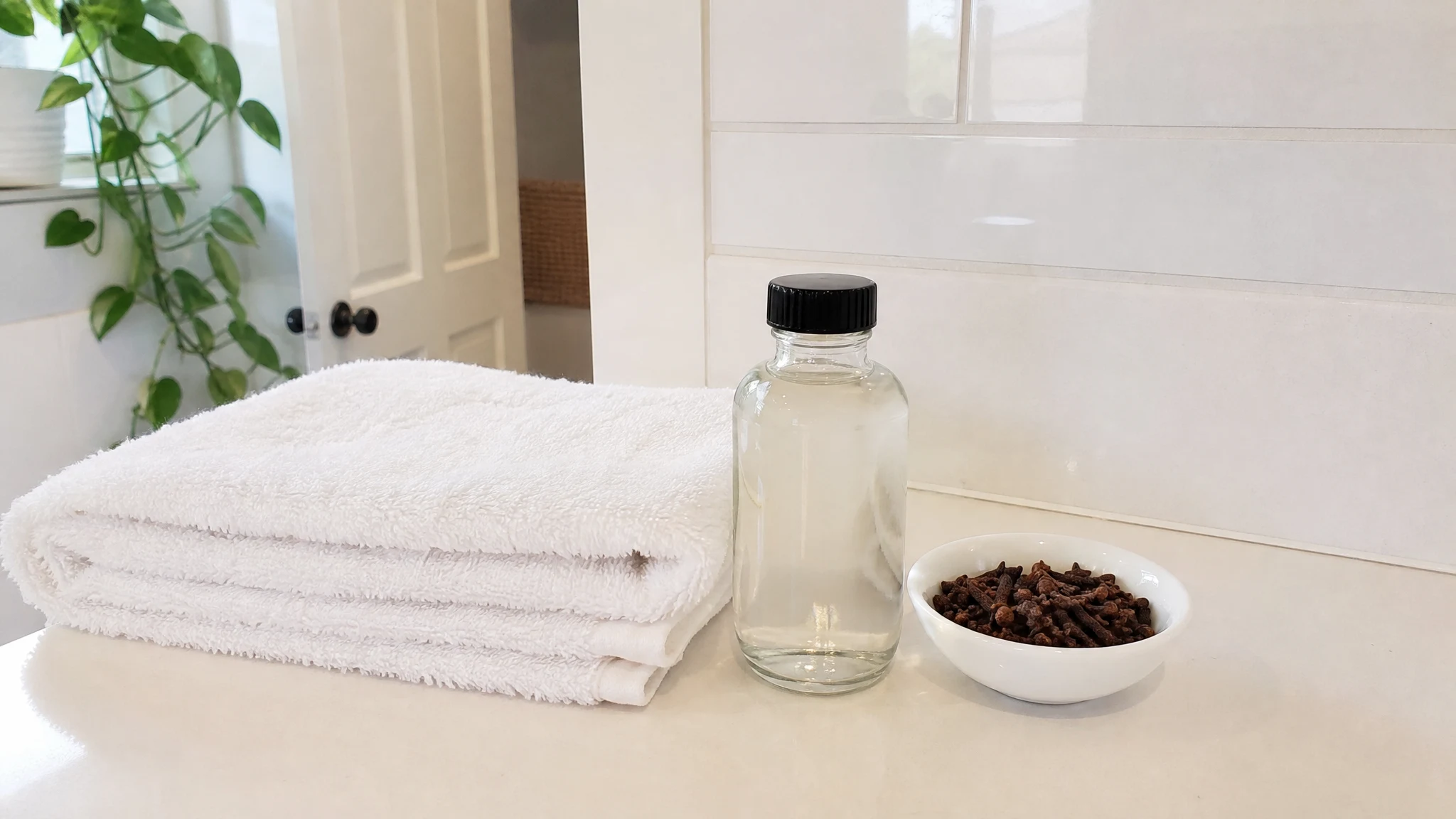
Clove Beard Oil Recipe: Why Two Drops Is Enough
A scented beard oil needs far less clove than most recipes use. Here is the arithmetic for a 30 ml bottle, and a method that mixes evenly.
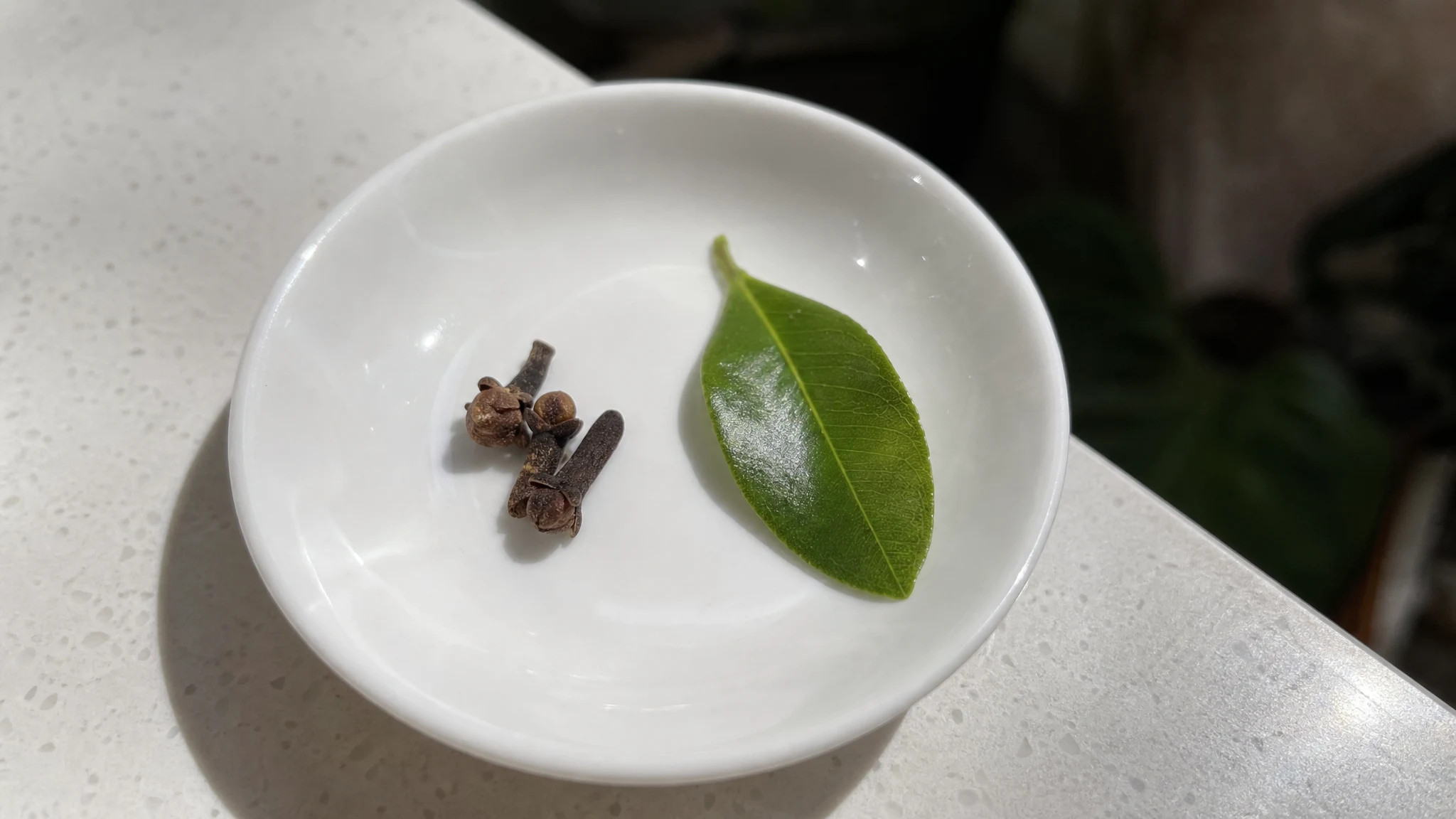
How to Read a Clove Oil GC-MS Report
Eugenol gets the headline, but eugenyl acetate tells bud from leaf. A walk through our clove bud GC-MS report and what its numbers mean.
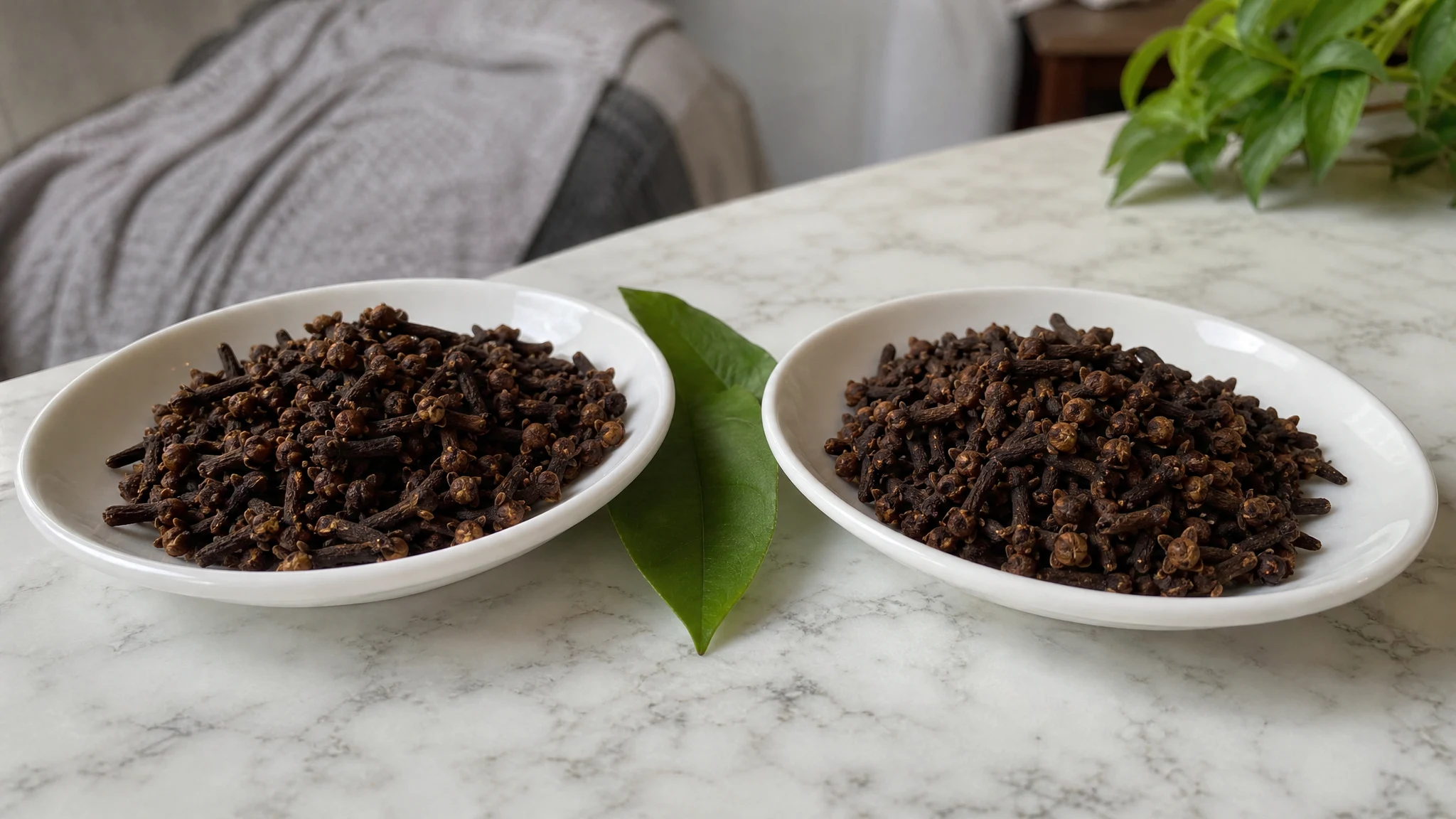
Is There Organic Clove Oil? What the Label Means
An organic seal covers how the crop was grown, not how clove oil smells or behaves on skin. Learn what it can tell you and the questions to ask any seller.
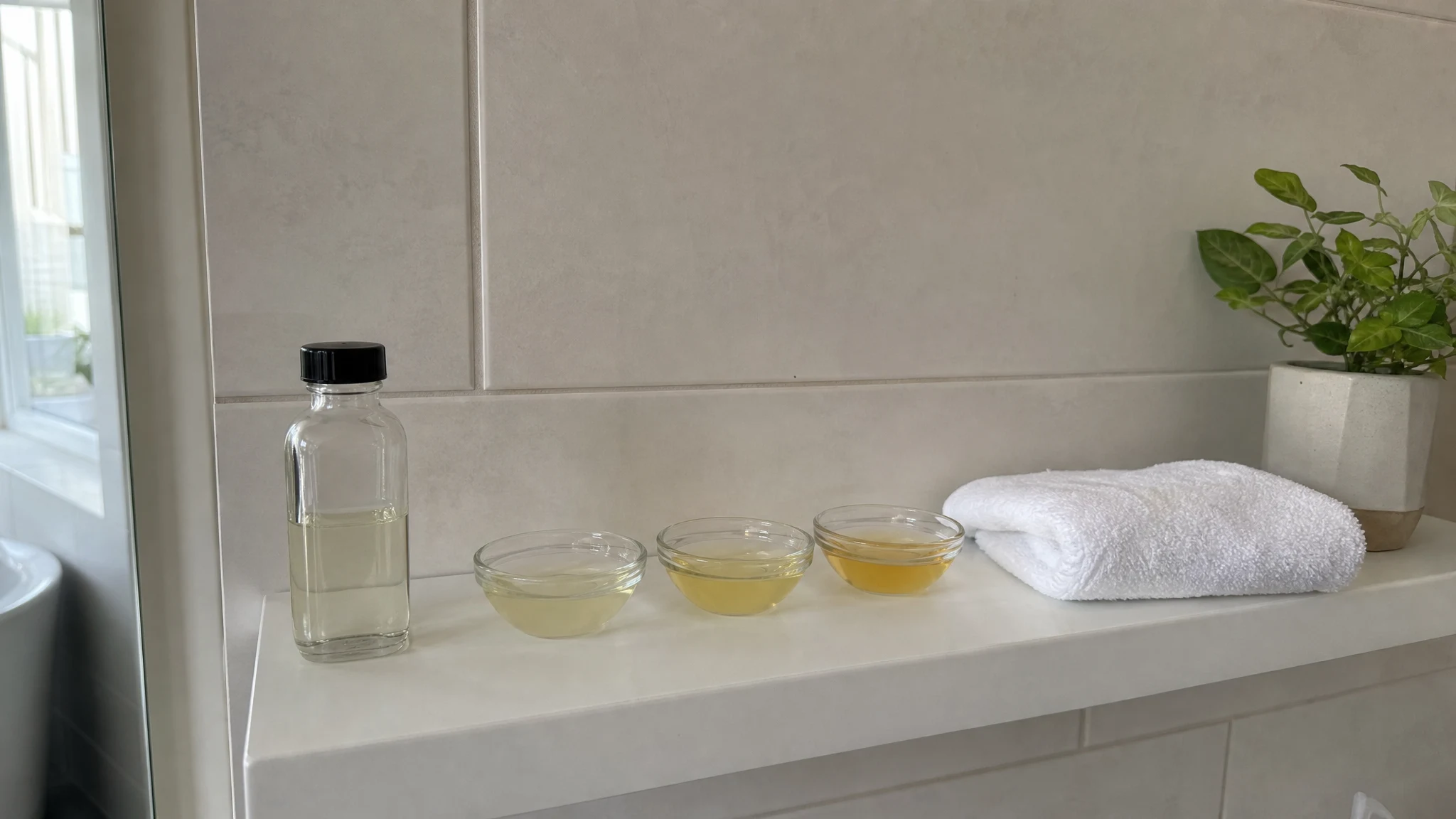
Which Carrier Oil for Clove? What Really Matters
Almond or jojoba? The carrier matters less than how much clove goes in. Here is the maths, a simple drop guide and what to ask when you buy a carrier.

Zanzibar Clove History: A Tree That Crossed the Sea
Cloves are not African at all. Follow the tree from the Moluccas to Zanzibar, how a sultan's order made the islands the top producer, and why they slipped.
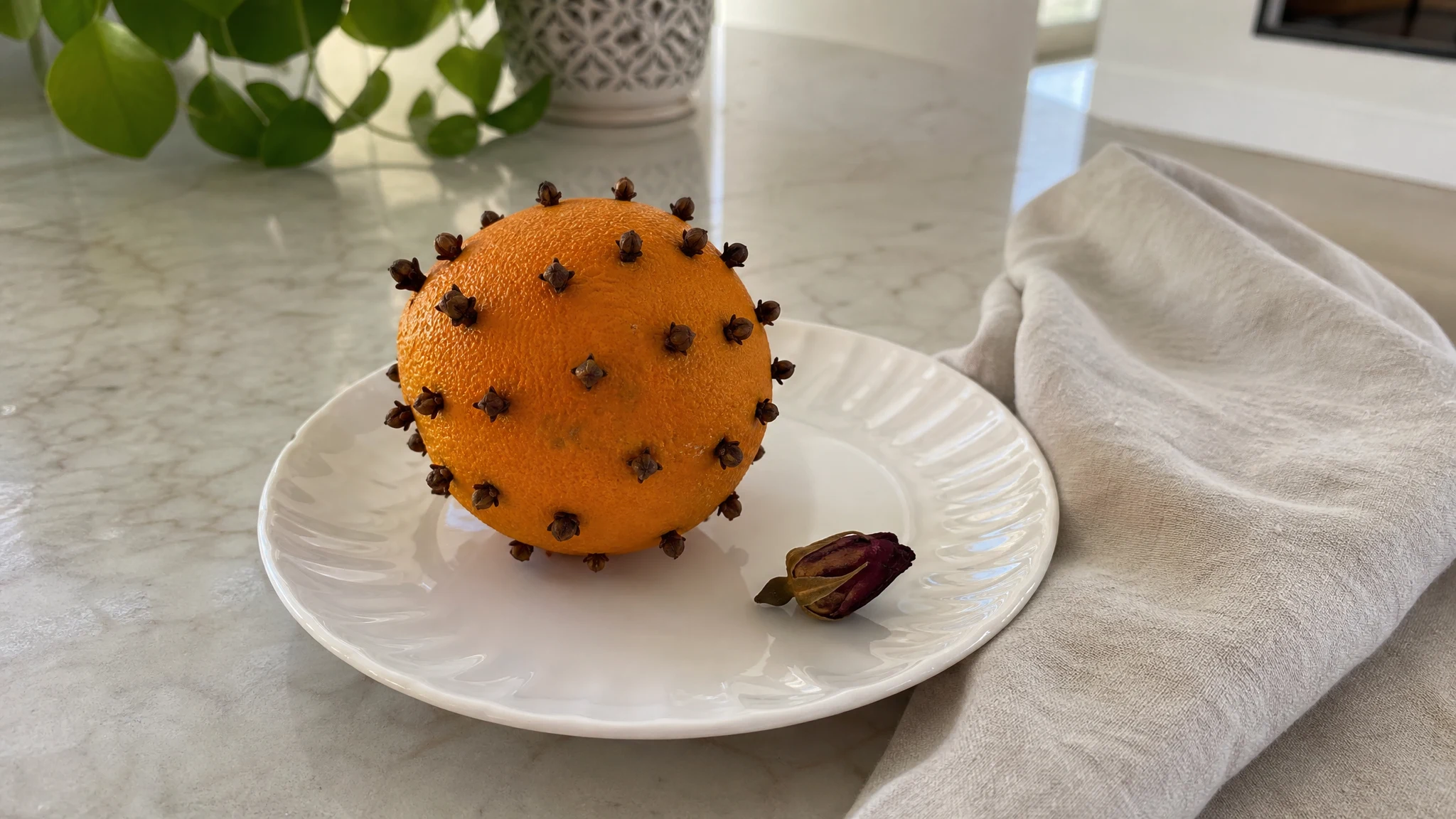
Clove Orange Pomander: What the Sources Really Say
The original pomander was a perfumed ball in a metal case, not an orange. Follow how cloves, oranges and the name came together, and how to make one today.
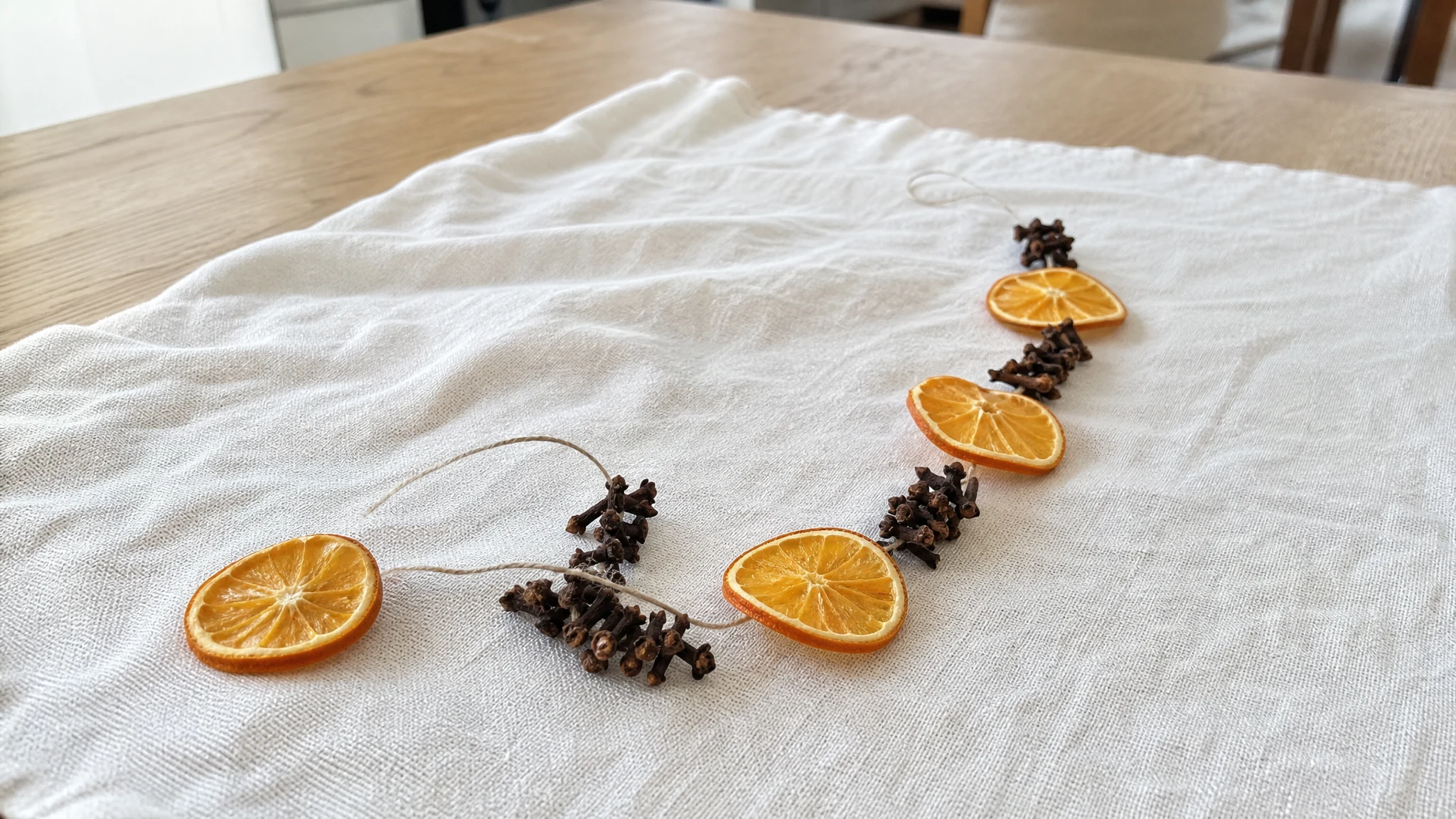
Victorian Cloves: What Mrs Beeton Really Cooked
The Victorian clove Christmas of garlands and swags is mostly a later picture. Mrs Beeton's household manual put cloves in the pot, not on the wall.
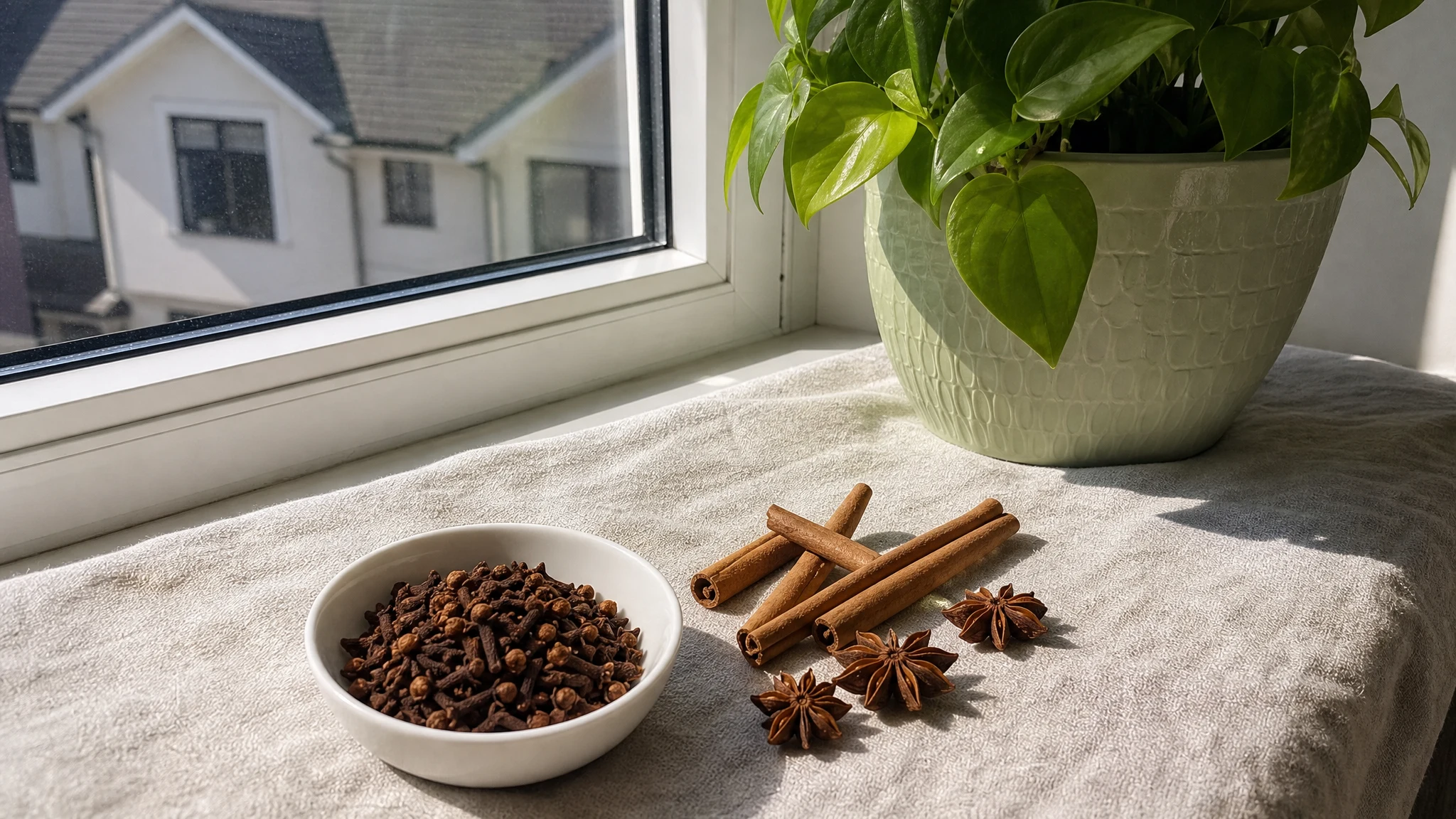
Clove Folklore and Customs With a Real Source
Clove traditions are easy to find and hard to source. We follow the customs that trace to a real page, from New Year oranges to a name that means nail.