Clove Oil Room by Room: Where It Belongs at Home
The rooms that deserve clove oil are fewer than the rooms you will want to scent. That sounds like a downer, but it is the secret to a house that smells warm instead of overwhelming. Clove is a strong, spicy accent, so we give it one room at a time and build every formula around a single drop.
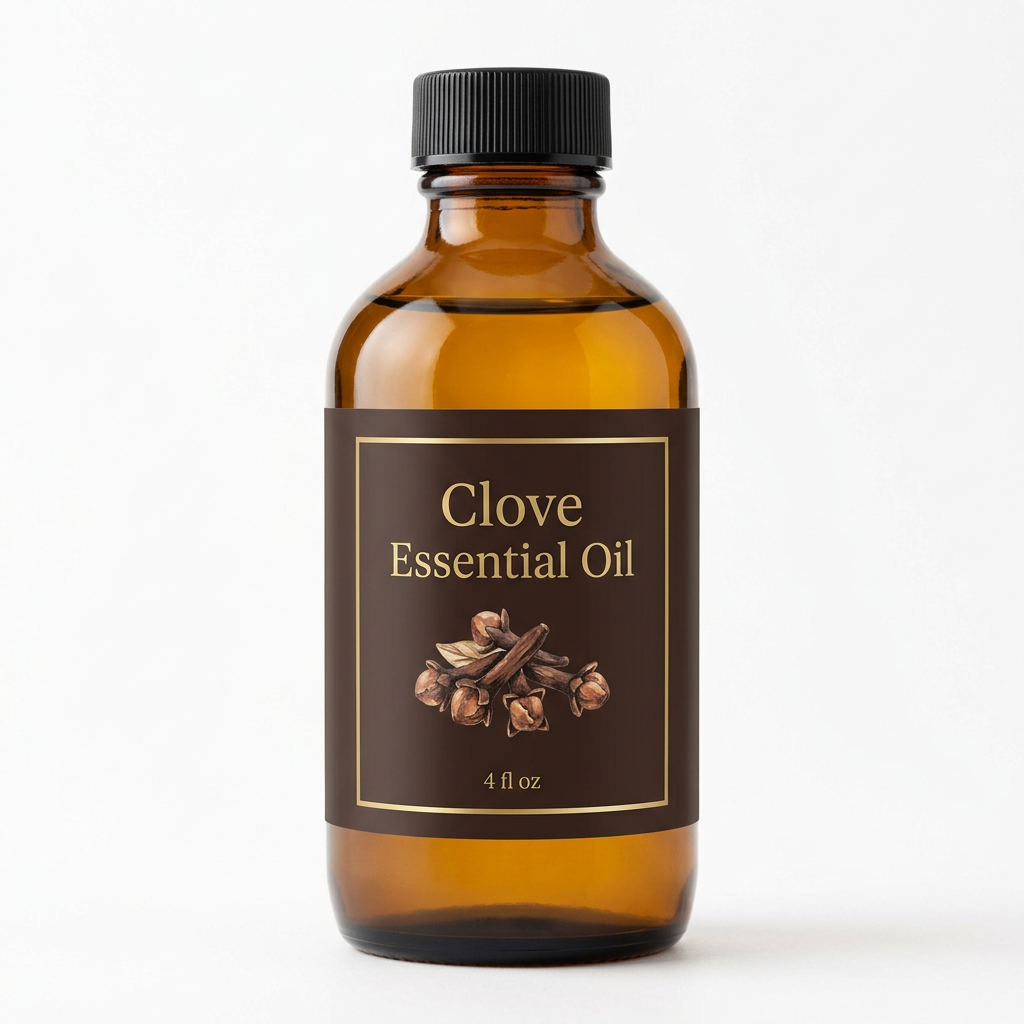
Clove Essential Oil
Our own Clove Essential Oil, in sizes from 0.5 oz to bulk.
From $10.99
Shop Now →One drop is the budget
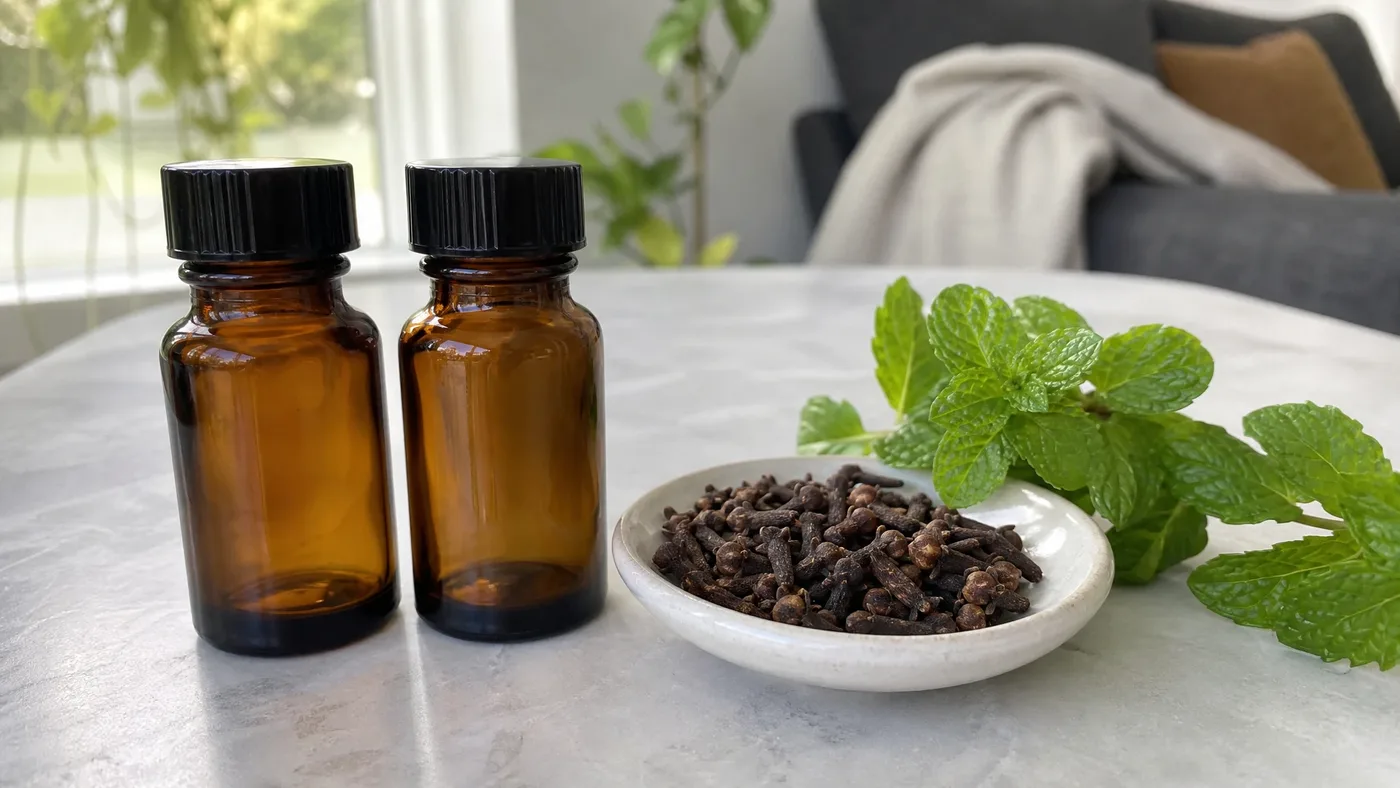
Our bud oil's GC-MS report lists eugenol at 73.57% by area, which is why a drop goes so far. The Tisserand Institute's eugenol page puts the topical maximum for clove bud at 0.5%, and that is a skin figure rather than a diffuser one. For the air, we keep to one drop of clove in a 100 ml reservoir and 3 to 5 drops of oil in total, the same starting point we use in our diffuser post. If your diffuser's manual asks for less, follow it. The rest of this page is about spending that one drop well.
Why each room gets its own formula
Notes leave a room at different speeds. On the paper-strip scale compiled by Zarzo (2012), a score under 15 is a top note, 15 to 60 a middle note, and above 60 a base note. Florida orange oil scores 11, clove bud oil 22, and patchouli and black pepper oils 100. A paper strip is not a diffuser, so this is a way of thinking, not a measurement of your room. But it points the right way: where air keeps moving, the orange goes first, the clove next, and whatever you built on the base is what remains. Each room below is designed around how long people stay in it.
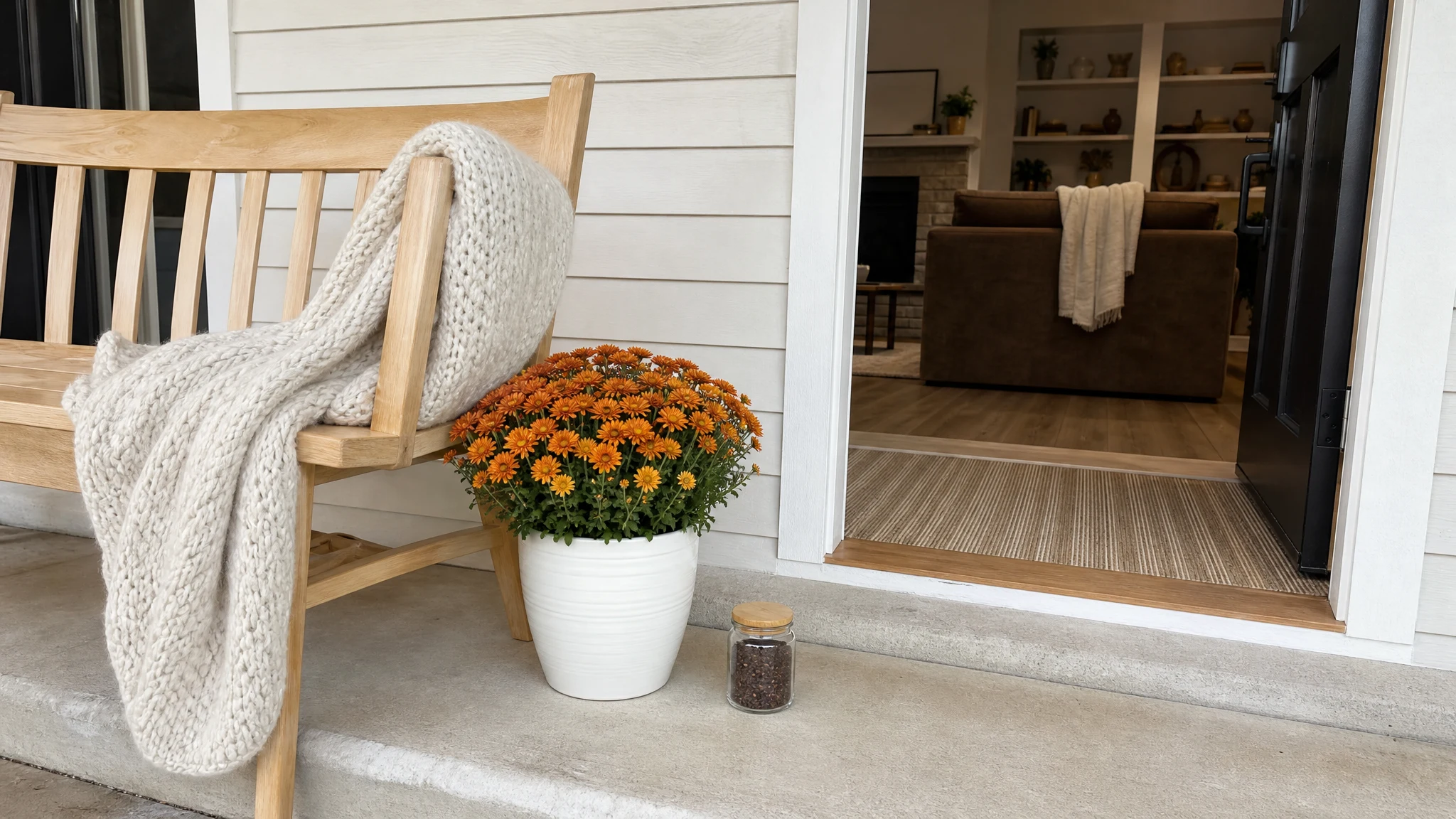
The porch: drier, with leaf oil
Per 100 ml reservoir: sweet orange 2, black pepper 1, clove leaf 1.
A porch has no walls to hold a scent, so an orange-led blend would be gone before anyone arrived. Black pepper sits in the base class on that scale, so it carries a dry edge after the orange has left. We chose leaf over bud here because we describe the leaf as bold, smoky and earthy-spicy, and drier and less sweet than the bud, which suits damp weather better than sweetness does. Put a porch diffuser somewhere covered, with the cord out of the way and the bottle out of reach of children and pets.
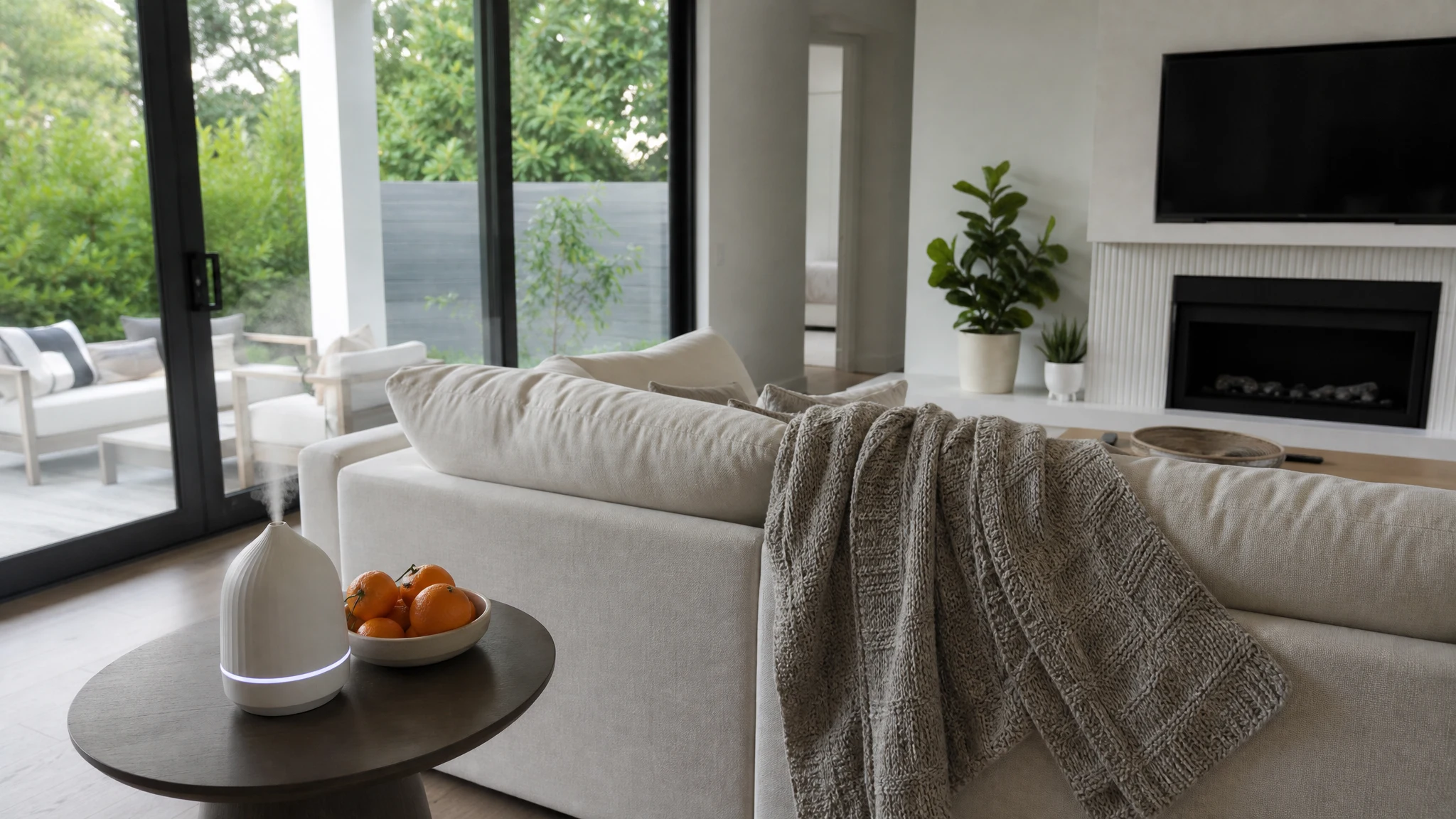
The living room: orange, patchouli, clove
Per 100 ml reservoir: sweet orange 2, patchouli 1, clove bud 1.
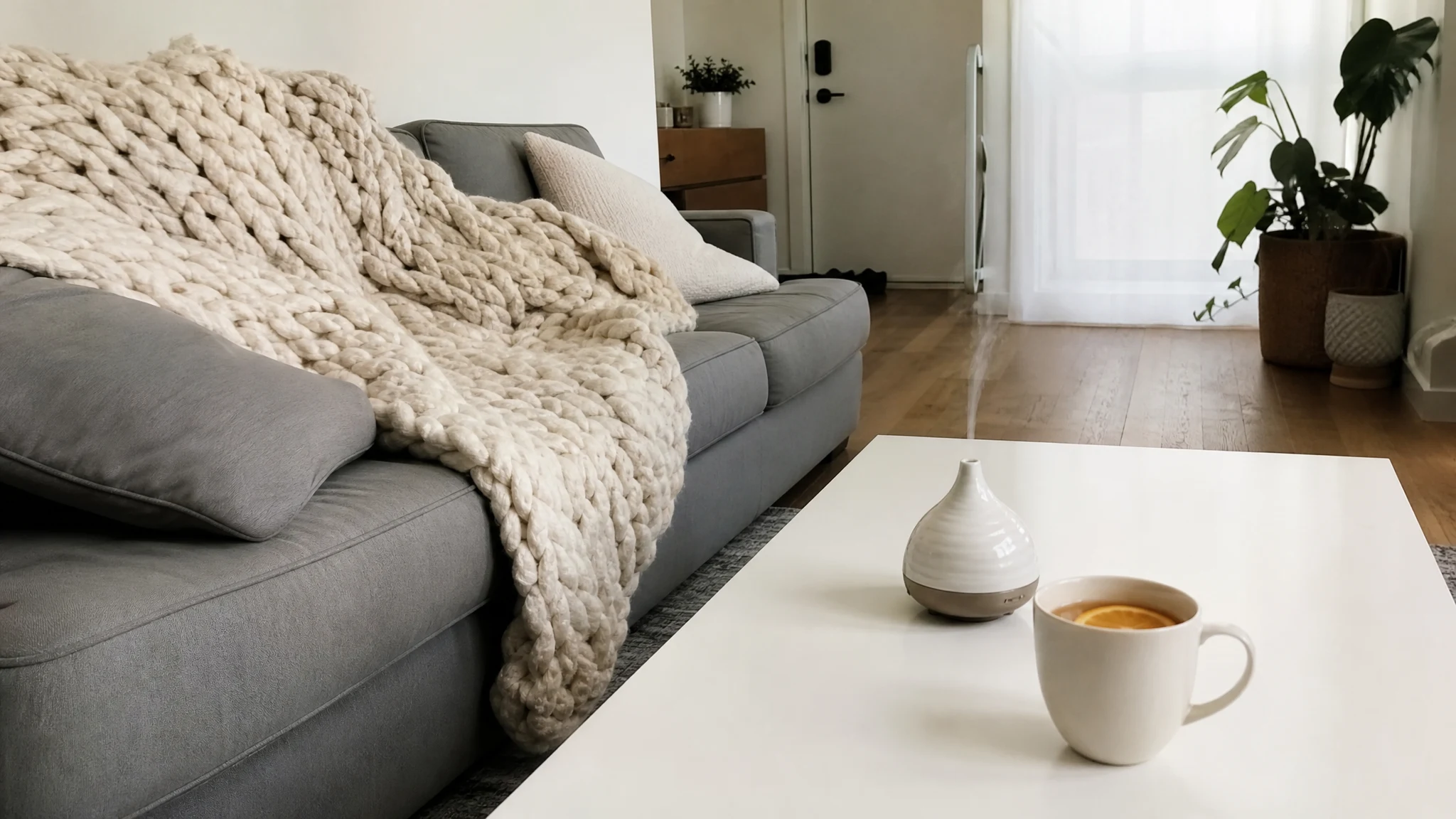
This is where people sit for hours, so the blend needs a back half. The orange opens, the clove sits in the middle, and the patchouli, at 100 on the scale, is still there at the end of the evening. Without it, the room would likely smell of clove and little else by the second hour. If you would rather stay close to the pairings we list for the bud, trade the patchouli for cedarwood and you have the Cedar Porch blend from the diffuser post. Run it for 30 minutes at a time with the door open, and sit away from the mist.
The den: quiet and sweet
Per 100 ml reservoir: vanilla 2, frankincense 1, clove bud 1.
A den is the smallest room, so keep the formula and shorten the run, rather than adding oil. The effect is sweet vanilla over resin, with clove as a thin line of spice. The vanilla bottle matters more than anything else here. An absolute, a CO2 extract, an alcohol extract and a vanilla fragrance oil are very different materials, and only some dissolve into an oil blend. Our clove and vanilla post shows what to look for on the label.
The orange, black pepper, patchouli, vanilla and frankincense come from an essential oil supplier, since clove is the only oil in these formulas we sell. Read each bottle's safety notes before you buy.
Two rooms we would skip
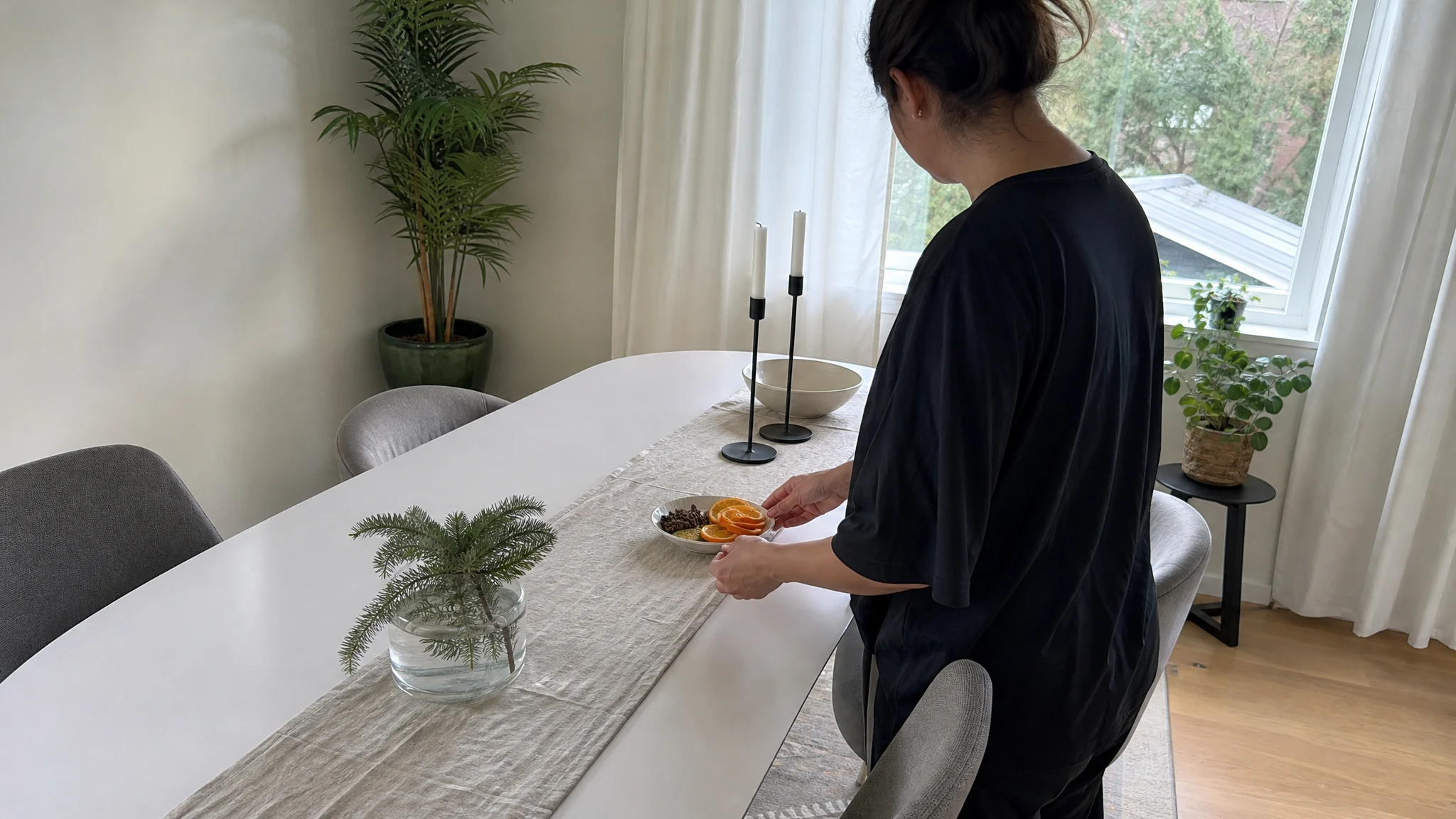
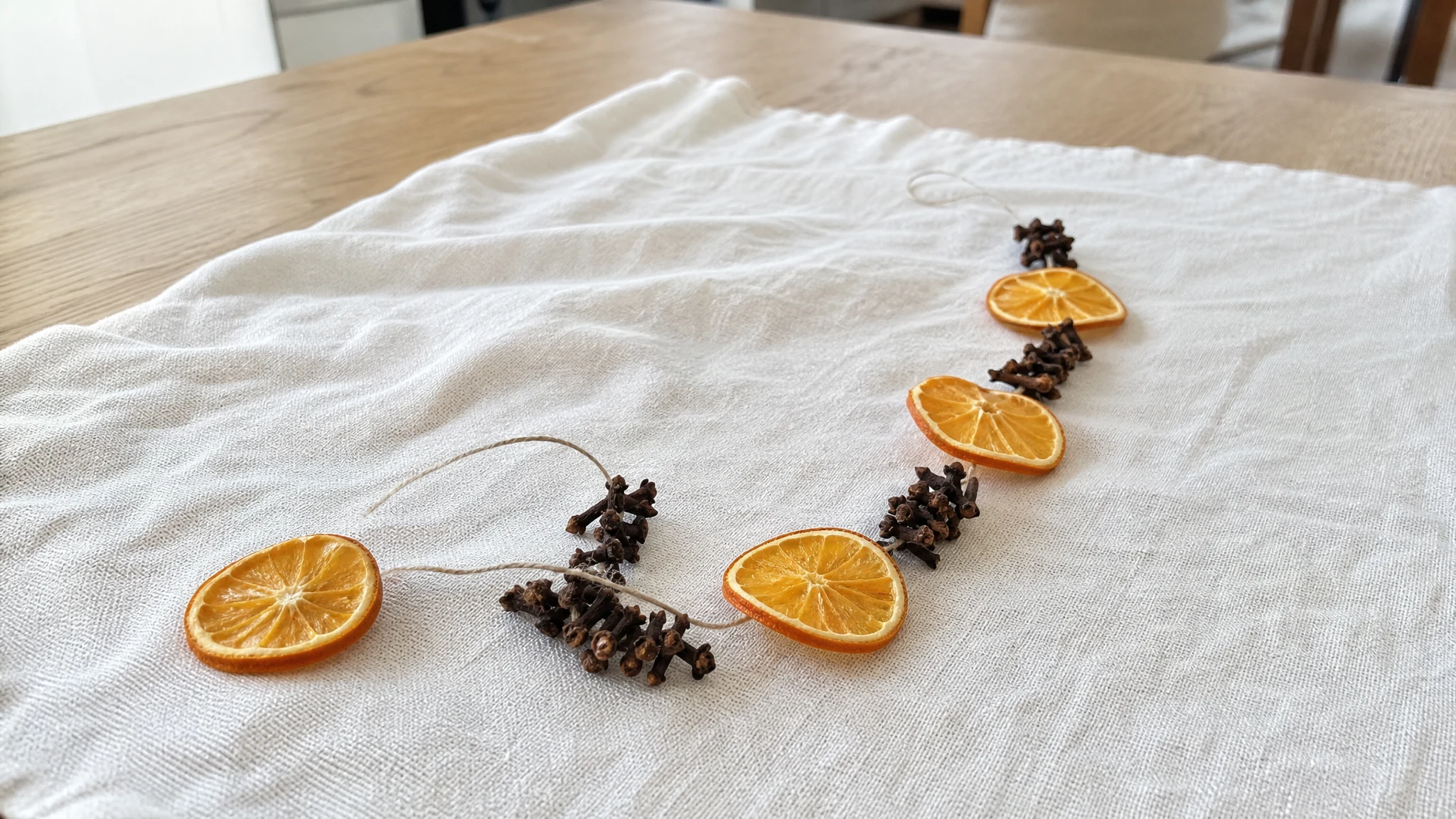
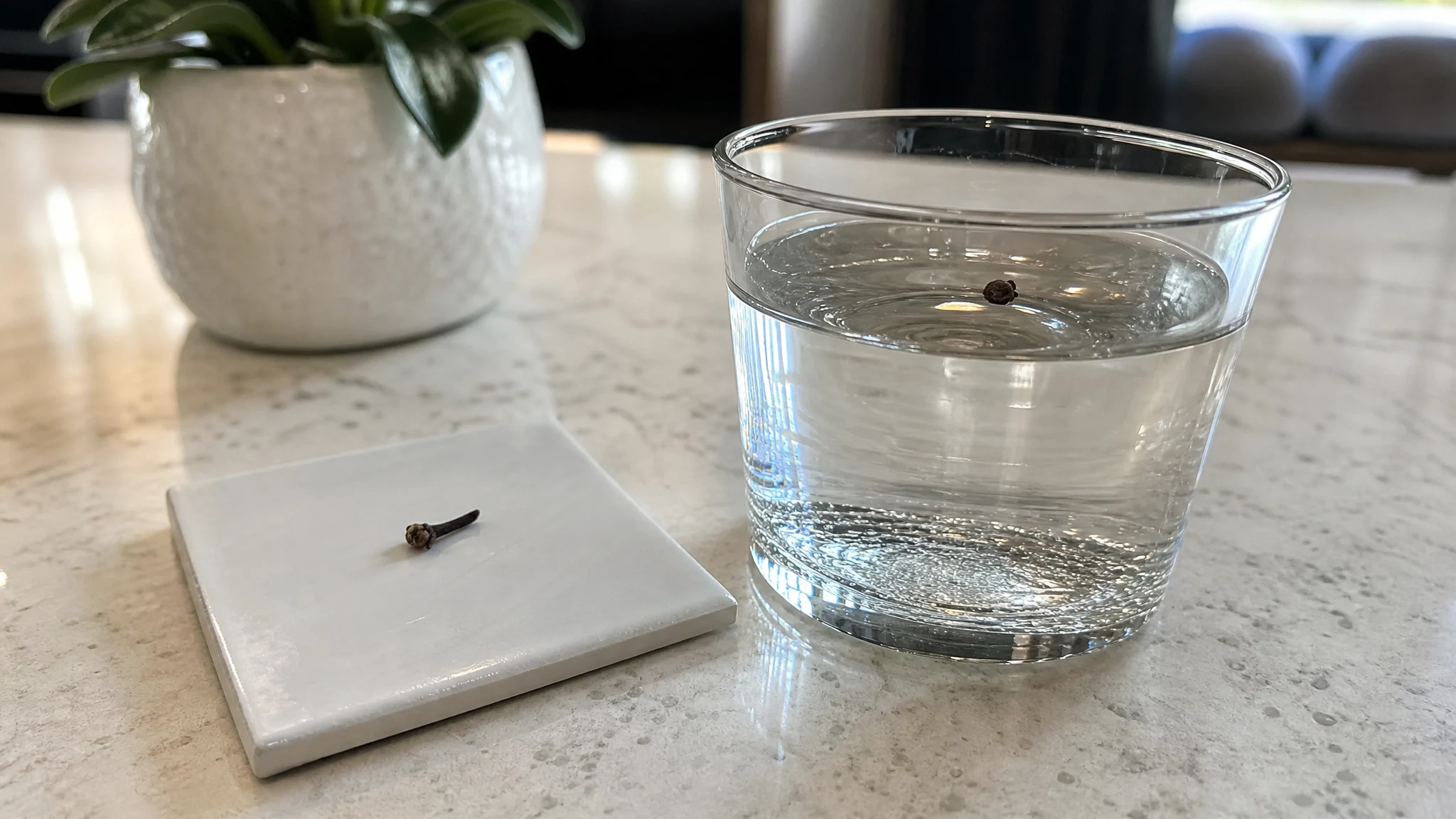
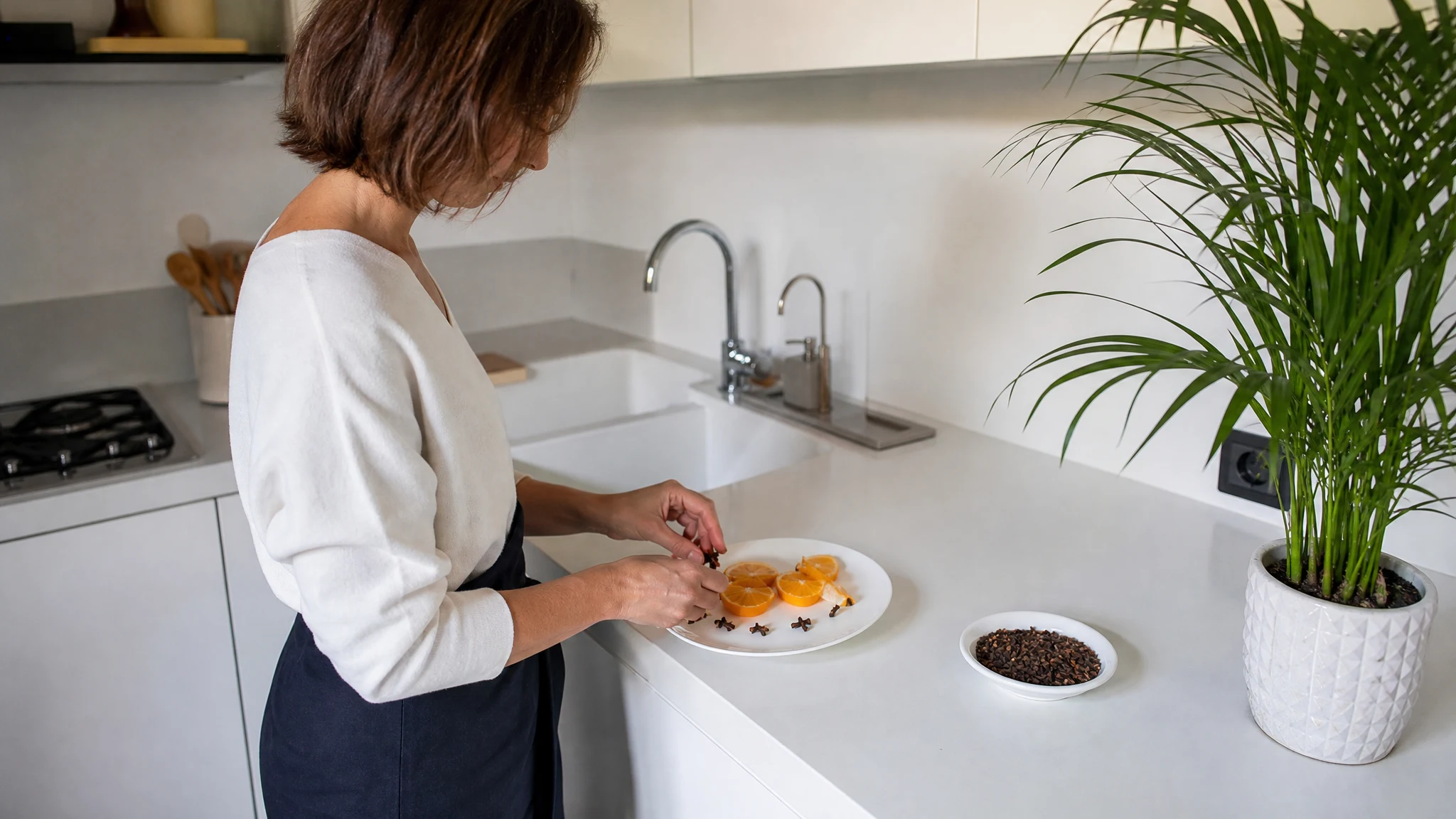
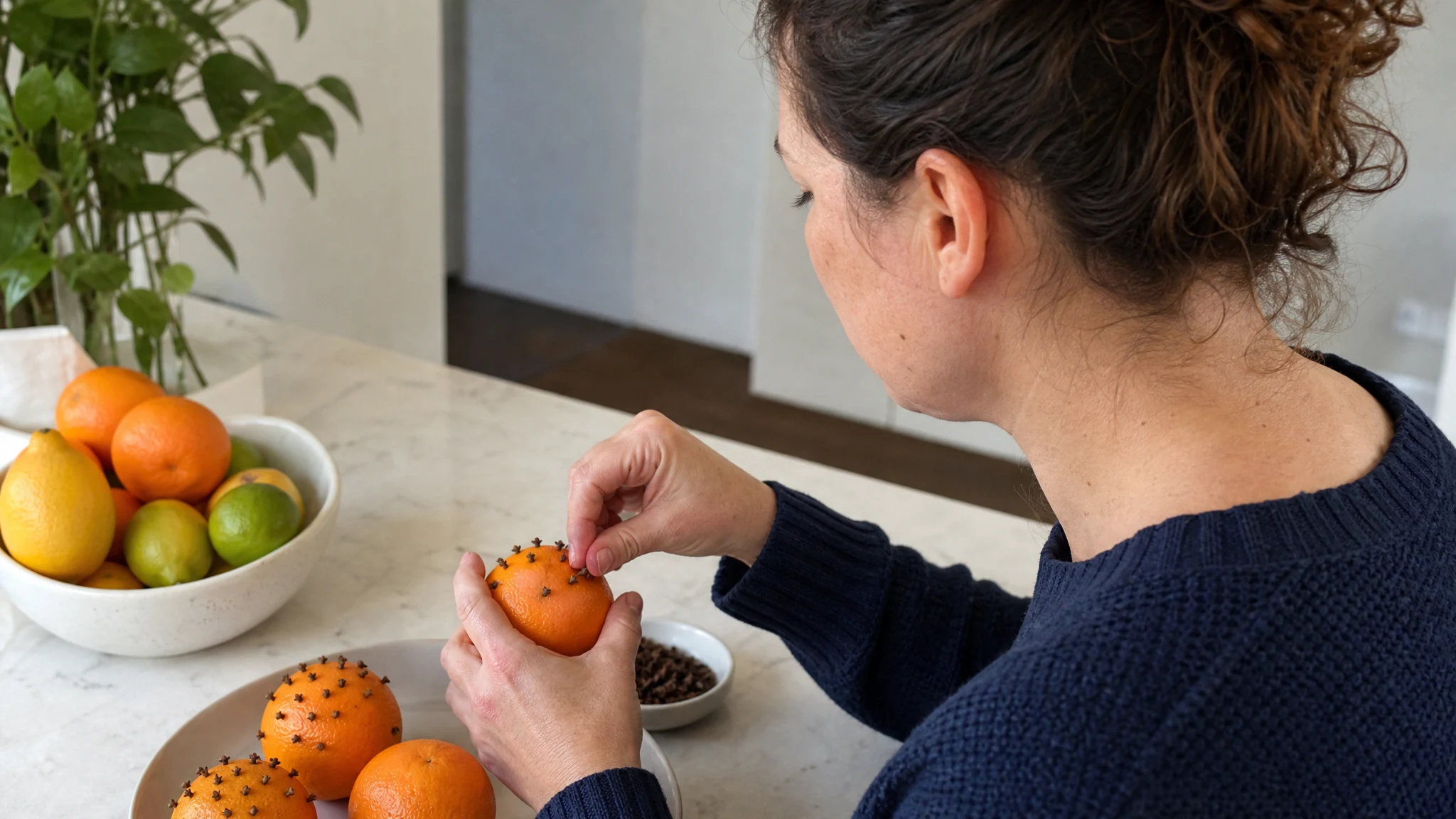
- The kitchen. It already smells of dinner. If you want clove there, a pot of water with whole cloves and orange peel does the job with no oil at all. See our simmer pot recipes. Whole cloves come from the grocery store.
- The bedroom. It is a small, closed room where someone spends hours at a stretch, which is the situation where we would rather not run a strong eugenol-rich oil. A bedroom is better off with something milder.
Walk in from outside
The best test of any room formula is to leave the house for a bit and come back in. You will get a clean first impression, which is the one your guests will have. If you catch the clove before you catch anything else, the formula is too strong, so lower the run time next time.
Little habits that help
Resist adding a second clove drop because the scent seems to fade. After twenty minutes your nose has probably adjusted, and a ten-minute break outside the room tells you more than another drop would. Use bud or leaf in a room, not both, because together they make two doses of the same spice. And write each formula on a label so you can repeat what you liked.
Think about who shares the air, too. In a 2018 survey of 1,137 US adults, 64.3% of those with asthma reported adverse effects from fragranced products in general, so it is worth asking before you scent a shared room. Pet Poison Helpline says that cats and birds are at greatest risk from essential oils, so a household with either should talk to a veterinarian first. These formulas are for the air and not for skin.
Seen together, the three formulas are one idea three times: let something else carry the room, and let clove be the single sharp line of spice.
Clove Essential Oil
Clove Essential Oil from our own shop, in sizes from 0.5 oz to bulk.
From $10.99
Shop Now →Sources & Further Reading
- Tisserand Institute (R. Tisserand), Eugenol: Essential Oil Constituents in Food Part 4. tisserandinstitute.org/learn-more/eugenol
- Zarzo, M., 2012. What is a fresh scent in perfumery? Sensors 12. PMC3574685
- Steinemann, A., 2018. Fragranced consumer products: effects on asthmatics. Air Quality, Atmosphere & Health 11. pubmed.ncbi.nlm.nih.gov/29391919
- Pet Poison Helpline, Essential oils. petpoisonhelpline.com