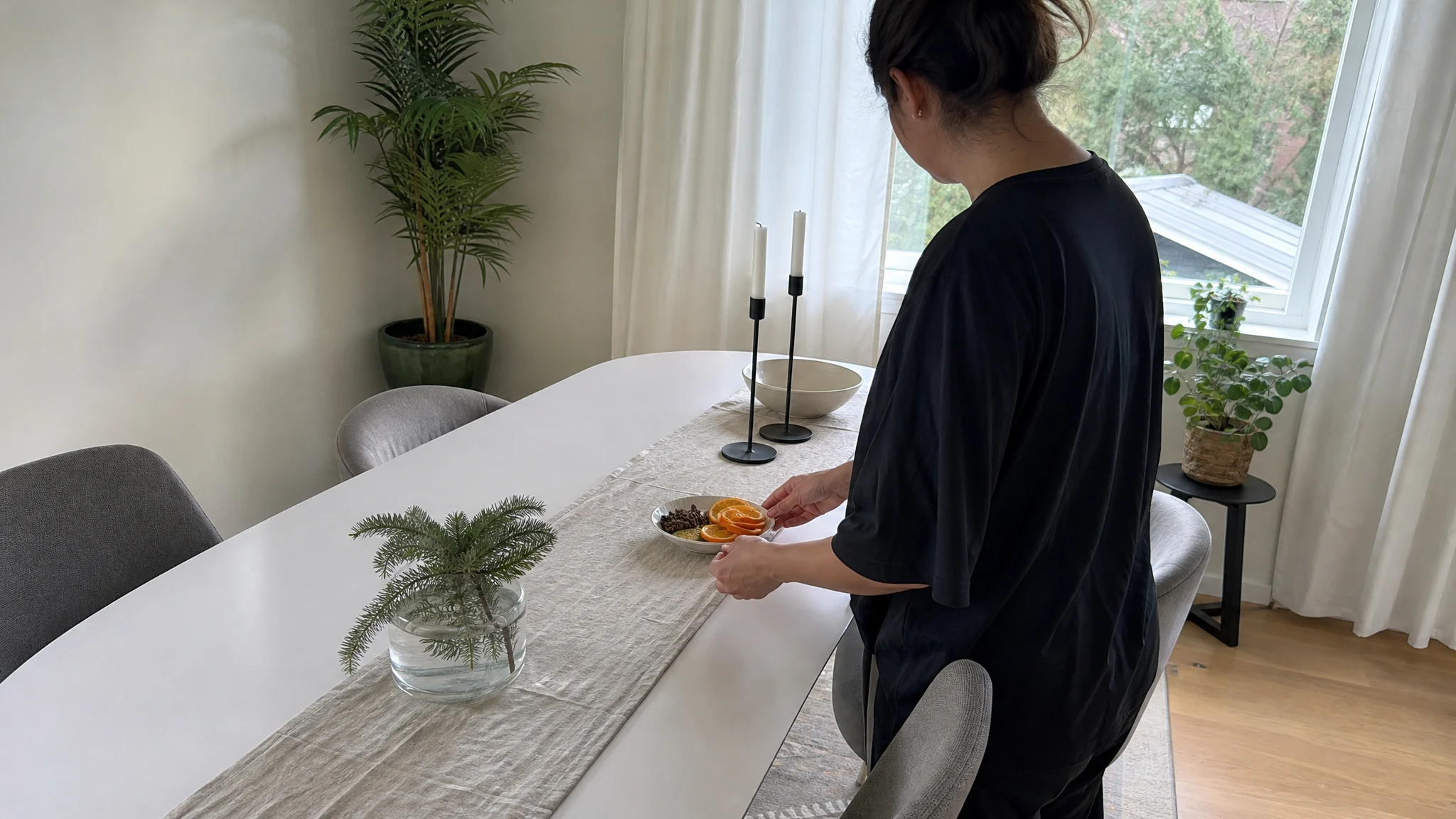
Clove Scents for Thanksgiving: A Day-Of Plan
By noon on Thanksgiving the house already has a scent. Butter, sage, roasting turkey and baking apple are doing all the work, and the last thing the kitchen needs is another strong aroma. The best use of clove oil on the day is somewhere the food cannot reach, and with a light hand.
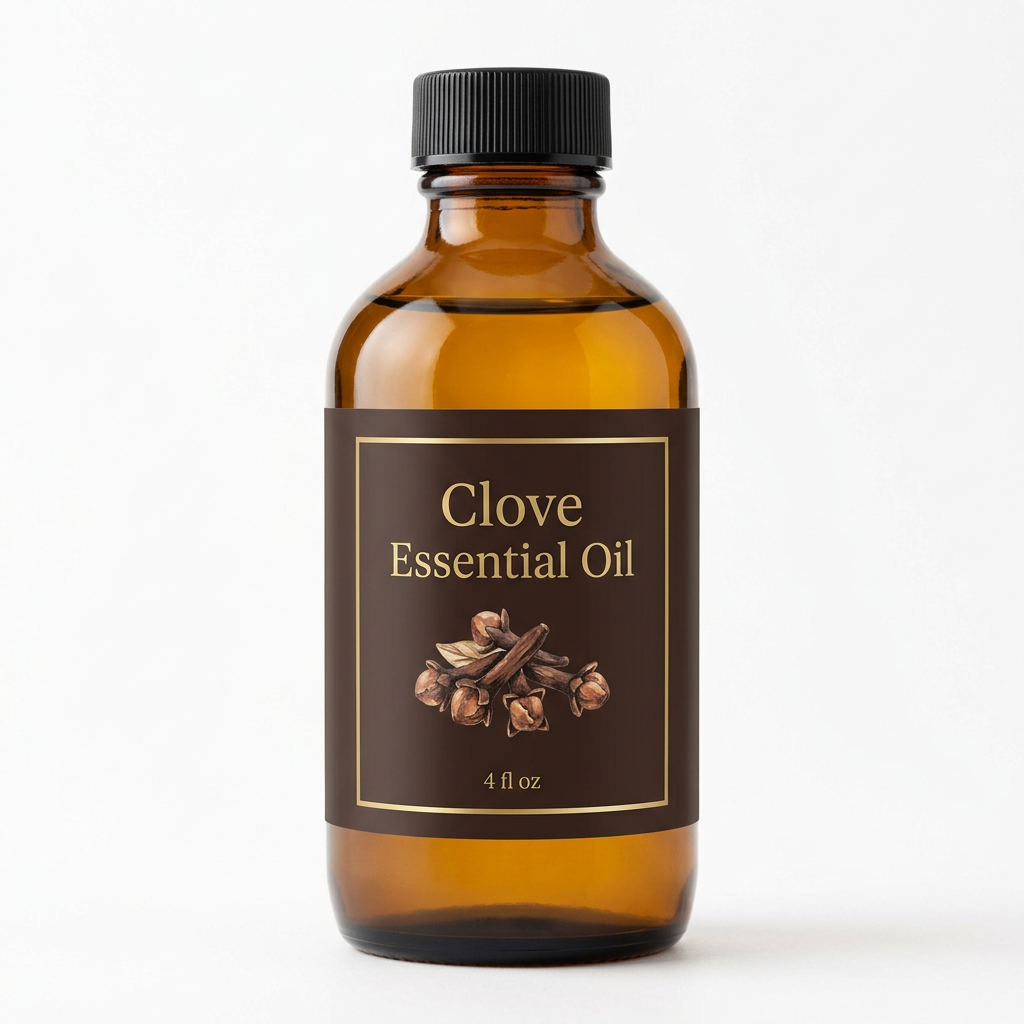
Clove Essential Oil
Our own Clove Essential Oil, in sizes from 0.5 oz to bulk.
From $10.99
Shop Now →Scent the places that do not smell like dinner
We describe our bud oil as warm, rich and sweetly spicy, with baking-spice depth, and it sits well beside orange. That makes it a natural match for the entry and the hall, where guests arrive with cold air and coats. The leaf oil, which we describe as bold, smoky and earthy-spicy, is the heavier option, and we would use it very sparingly in a space guests walk through, if at all.
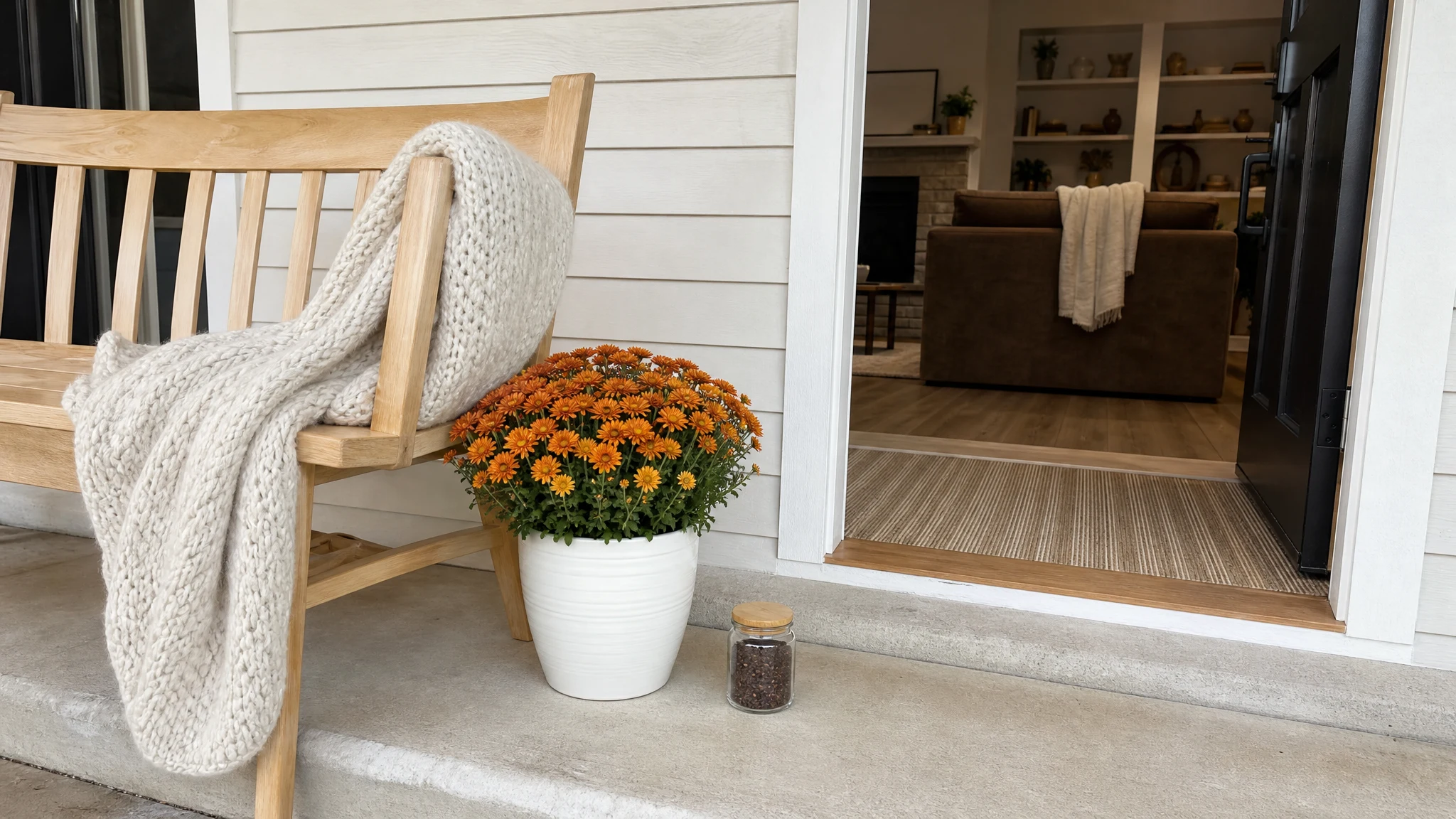
Think about the first ten seconds of arriving at someone's house. The door opens, cold air meets warm air, and the nose registers the house before the eyes register the people. That moment is the one worth designing. A faint, welcoming spice in the entry sets the tone, and then the kitchen takes over with the real smells of the meal.
A timeline for the day
Two hours before guests: the entry
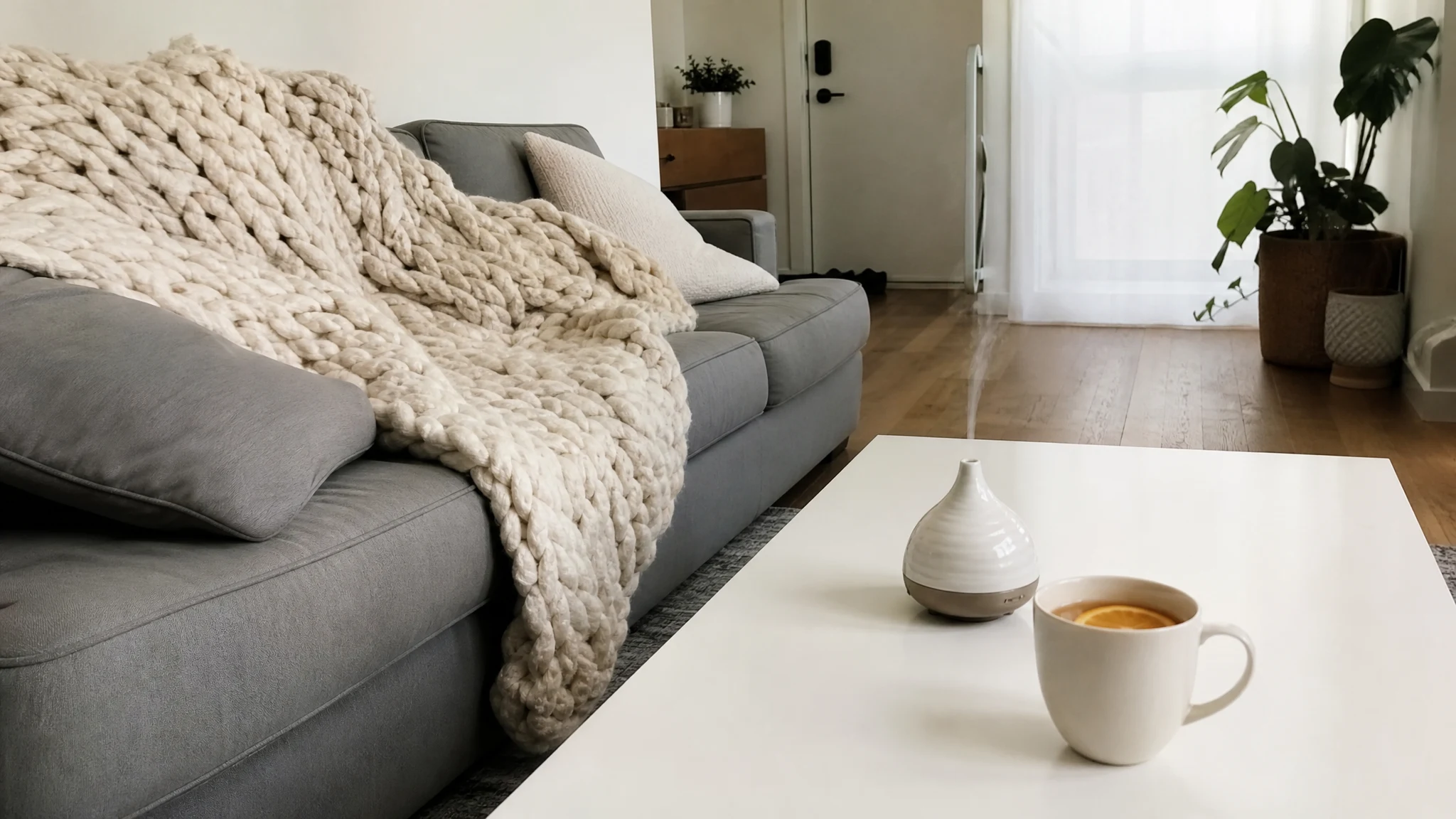
Run a diffuser in the entry for about thirty minutes and then turn it off. A formula we like for it: in a 100 ml reservoir, two drops of sweet orange and one of clove bud. At roughly 20 drops to the ml that is a very small amount of clove, on purpose. More ideas, and the reasoning behind the drop counts, are in our diffuser post.
During dinner: nothing on the table
Skip scented candles near the food. Fragrance competes with the meal, and an open flame next to serving dishes and sleeves is its own hazard. Unscented candles give the glow without the clash. If you want a clove candle for another room, our candle tutorial covers how much oil a wax can carry. We do not sell candles ourselves.
After dinner: a pot on the stove
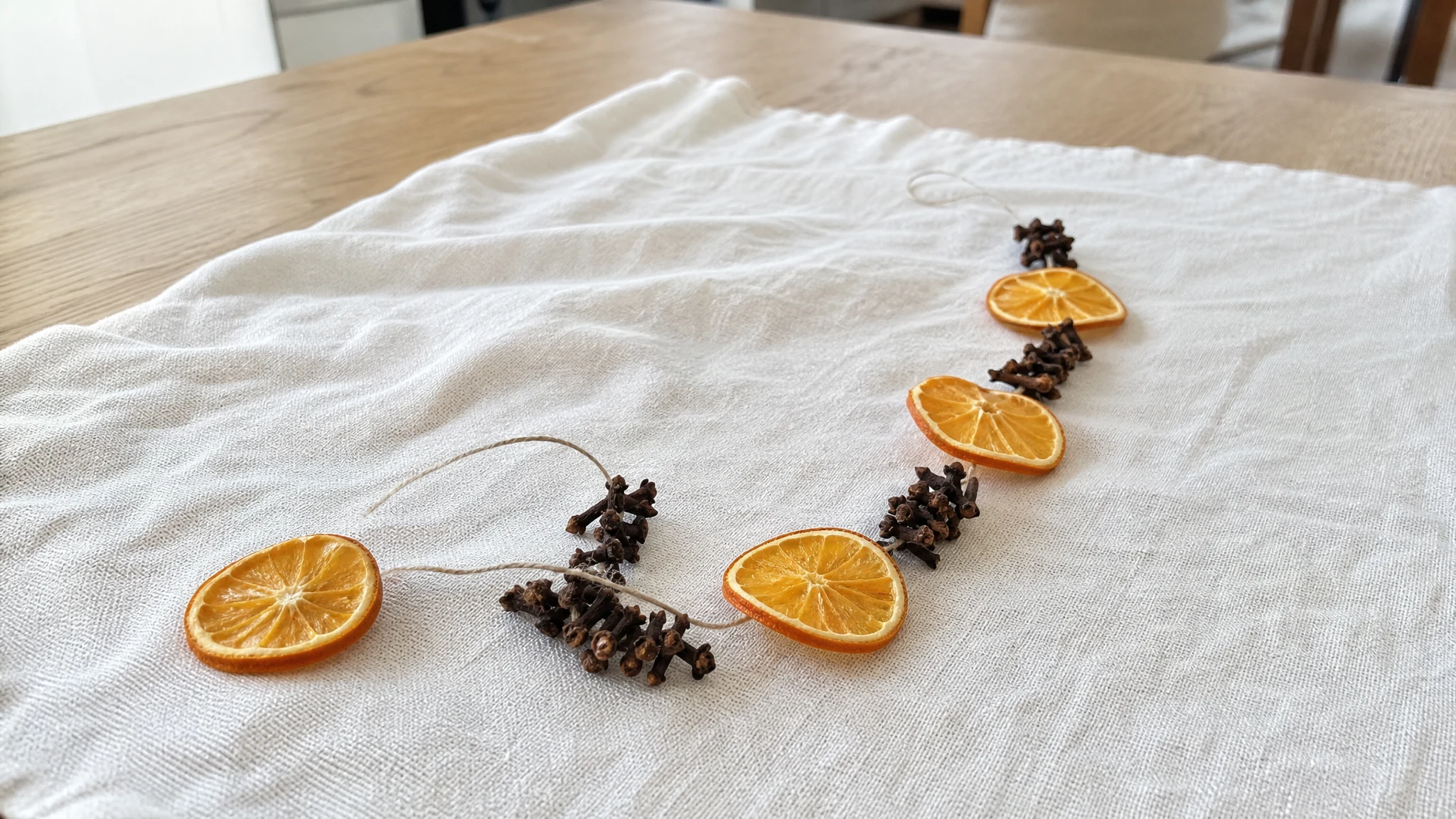
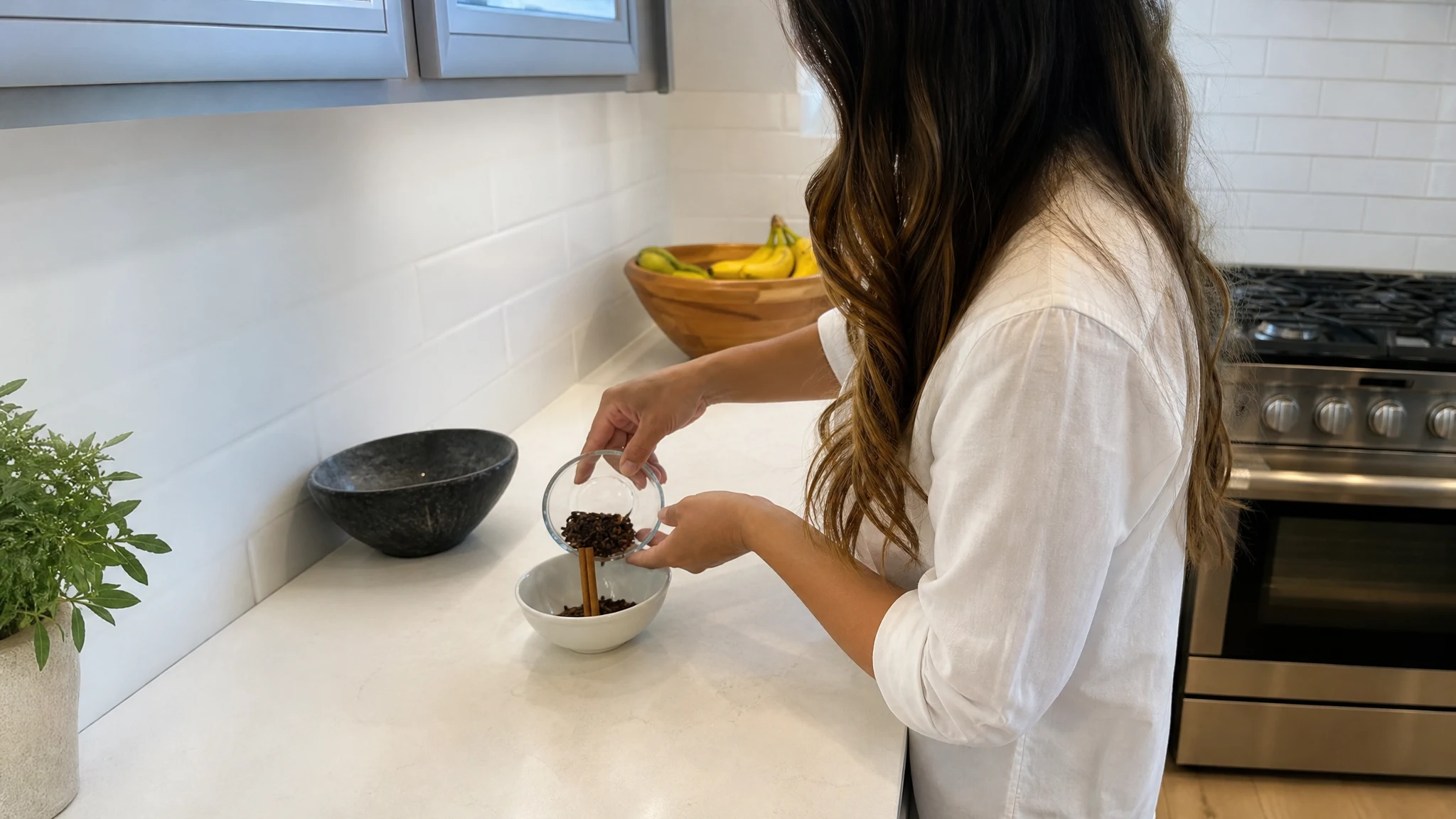
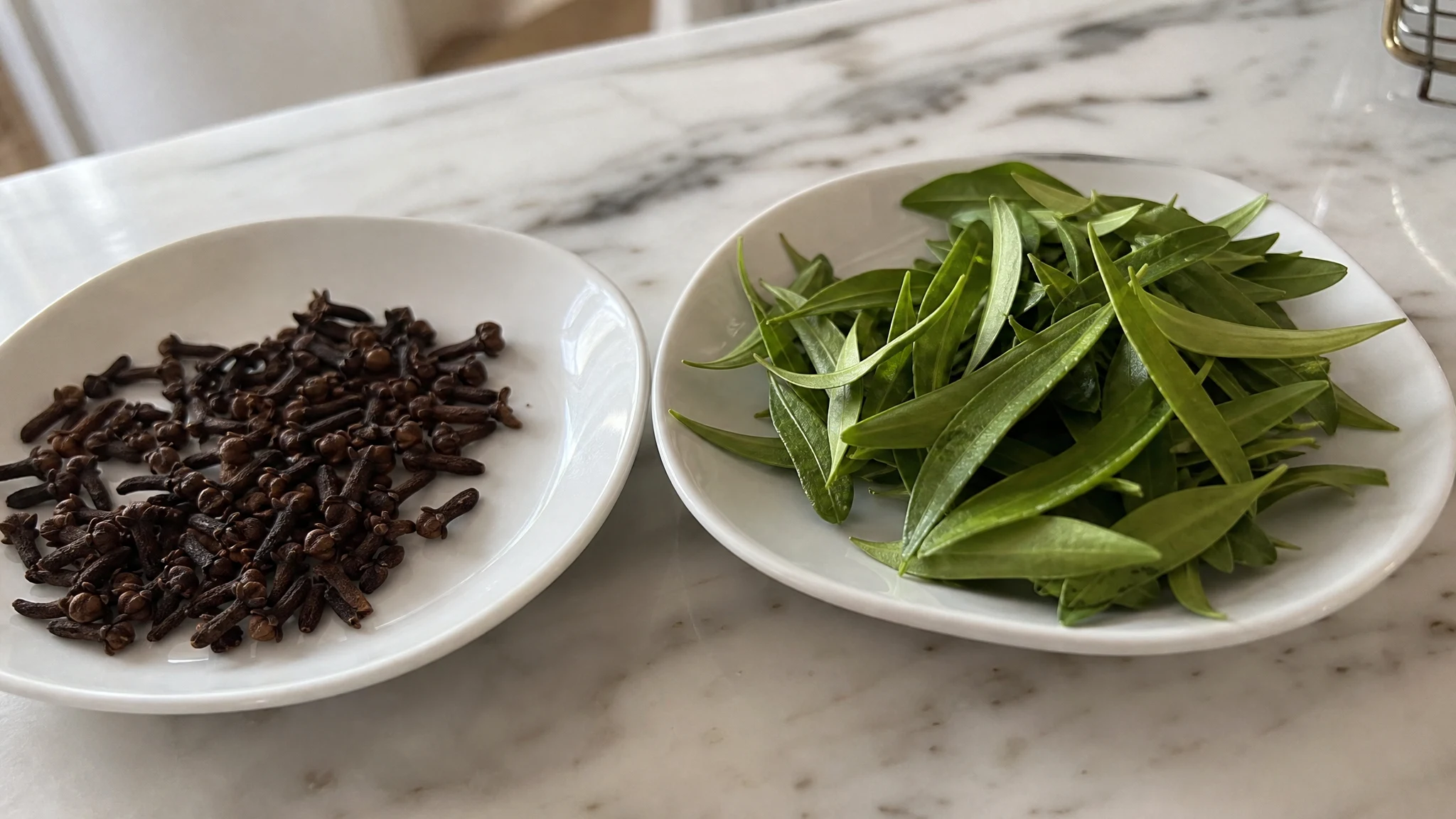
A simmer pot of water, orange peel and whole spices is how most households do the scent, and it needs no essential oil. Whole cloves are a food and a different product from our oil, so they come from the grocery store. Our posts on clove oil versus whole cloves and stovetop recipes take it from there. Stay in the house while it simmers, and top up the water so the pot never dries and scorches.
A small saucepan is plenty. Fill it halfway, add a few strips of orange peel and a handful of whole spices, and keep the heat low enough that it barely trembles. As the afternoon goes on the scent mellows and deepens, which is exactly what you want when the plates are cleared and the coffee comes out.
Know your guest list
Big family tables often include someone who is sensitive to scent. In a US survey of 1,137 adults, about 26.8% reported an asthma or asthma-like diagnosis, and 64.3% of that group reported adverse effects from fragranced products, respiratory problems most commonly (Steinemann, 2018). It was a self-report survey about fragranced products in general, so it does not measure clove, but it makes a practical point for a host. Ask, and keep one room unscented. As for the air itself, a review by Wolkoff and Nielsen found no indoor measurements for eugenol, which is one more reason to keep the dose low and the windows ready to open.
Pets, children and the dinner table
- Pets. Pet Poison Helpline says essential oils can affect all species, with cats and birds at greatest risk, and lists clove (Pet Poison Helpline). Make sure any pet can leave the room freely, and ask your veterinarian about birds and cats.
- Children. Poison Control recommends keeping essential oils locked up, out of the sight and reach of children and pets. A bottle on a low shelf in a crowded house is the likeliest way for a child to meet undiluted oil, so put it back in a cabinet after every use. If something is swallowed, call Poison Help at 1-800-222-1222.
- Food and drink. Clove oil does not belong in cider, pie or cocktails. It is a concentrate and our ingestion post explains why.
- Skin. A guest who touches a drip should wash it off with soap and water. Eugenol is a recognised contact allergen.
The morning after
If the house still smells of spice, open a window. Wipe any drip from wood or plastic promptly, and try a hidden spot first if you are unsure about a finish. Keep the bottle sealed, cool and dark, and it will be ready for next November, since the bud oil typically keeps 3 to 5 years unopened.
A few host habits worth borrowing
- Write the diffuser start time on a sticky note by the plug, so it does not run all afternoon by accident.
- Rinse and dry the diffuser reservoir the evening before, so a stale smell does not get into your fresh blend.
- Keep the bottle in a cabinet between uses, not on the counter next to the pies.
- Do a quick walk-through an hour before guests arrive. If the hallway smells like clove from three steps away, switch the diffuser off and open a window.
The smallest bottle is plenty for this plan. A 0.5 oz bottle holds about 14.8 ml, roughly 300 drops by the 20-per-ml convention, and the entry formula uses one drop of clove a run. Clove does not need to set a mood on its own. Bud oil smells of baking spice, leaf oil of smoke and earth, and a drop or two against orange is all a hallway needs. For bigger holiday scent projects, our home fragrance crafts post has the methods.
Clove Essential Oil
Clove Essential Oil from our own shop, in sizes from 0.5 oz to bulk.
From $10.99
Shop Now →Sources & Further Reading
- Steinemann, A., 2018. Fragranced consumer products: effects on asthmatics. Air Quality, Atmosphere & Health 11. pubmed.ncbi.nlm.nih.gov/29391919
- Wolkoff, P., Nielsen, G.D., 2017. Effects by inhalation of abundant fragrances in indoor air: an overview. Environment International 101:96-107. pubmed.ncbi.nlm.nih.gov/28126407
- Pet Poison Helpline, Essential oils. petpoisonhelpline.com
- Poison Control, Essential oils. poison.org/articles/essential-oils