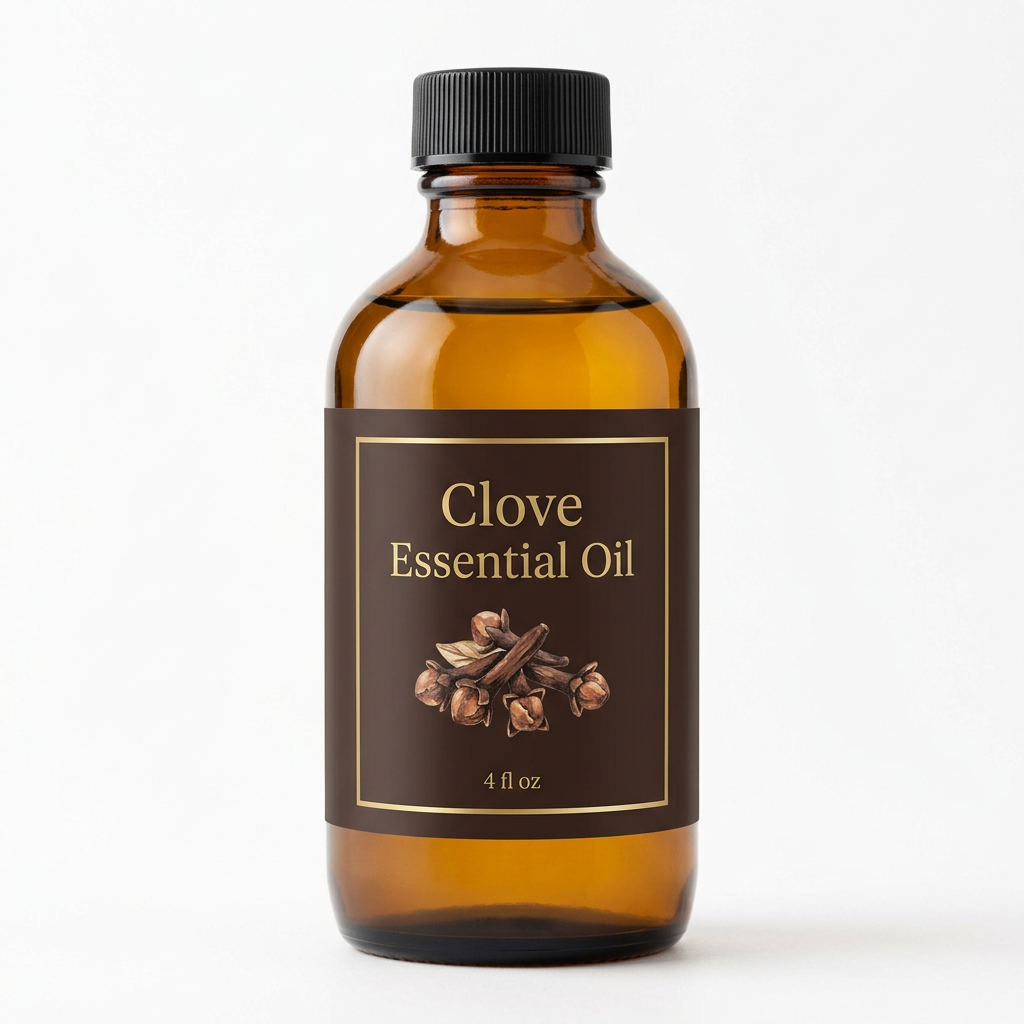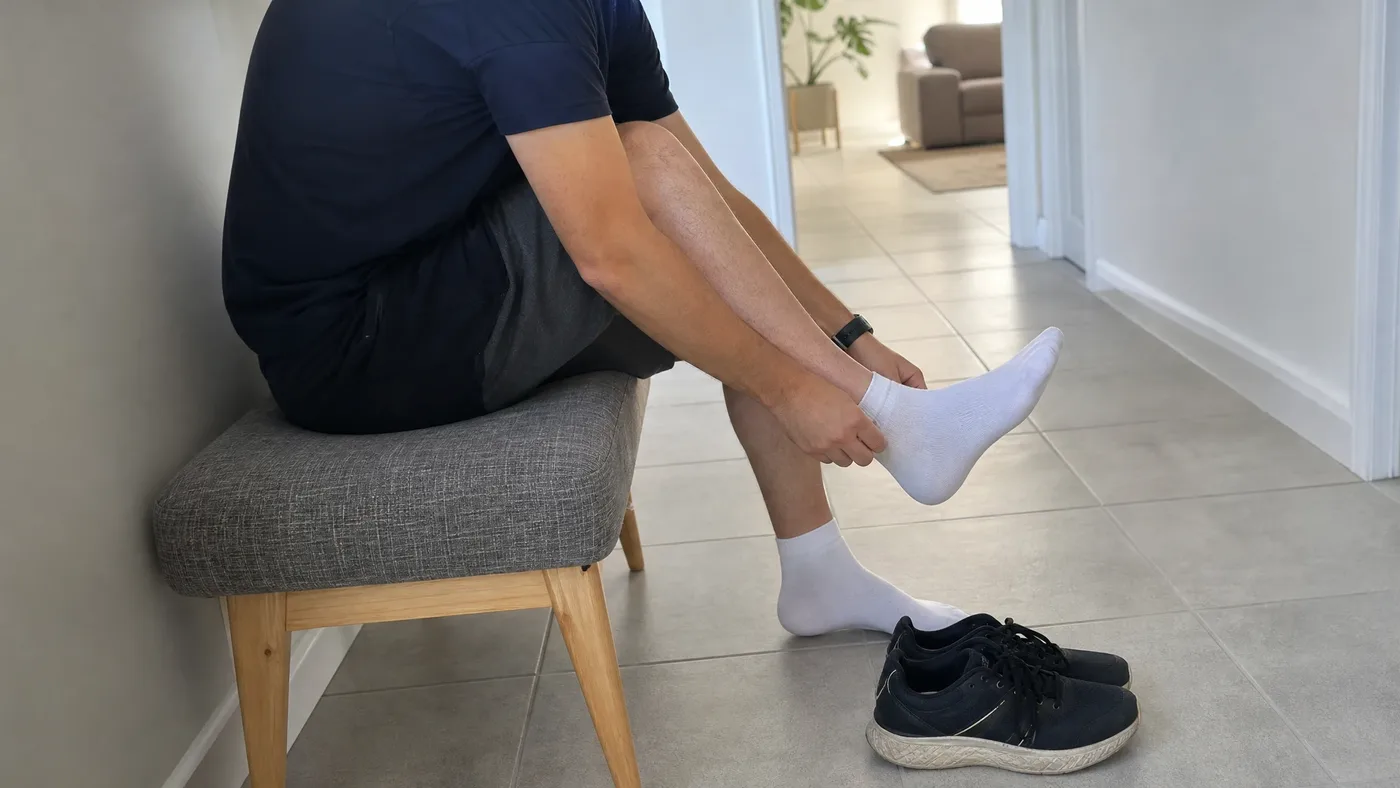
Clove Oil and Athlete's Foot: What the Lab Study Shows
Clove oil holds fungus back in a lab dish, but a dish is not a foot. What the study showed, why skin changes the picture, and where to go instead.

Clove Oil for Bad Breath? Start With the Cause
Clove smells fresh, but bad breath starts with bacteria, dry mouth or gums. What dental sources say, and why our oil stays in the diffuser.

Clove Oil for Congestion: Why We Skip the Steam Bowl
No trial backs clove oil for a blocked nose, and hospital burn units see steam-bowl scalds every year. Here is what the sources say, and a gentler way.
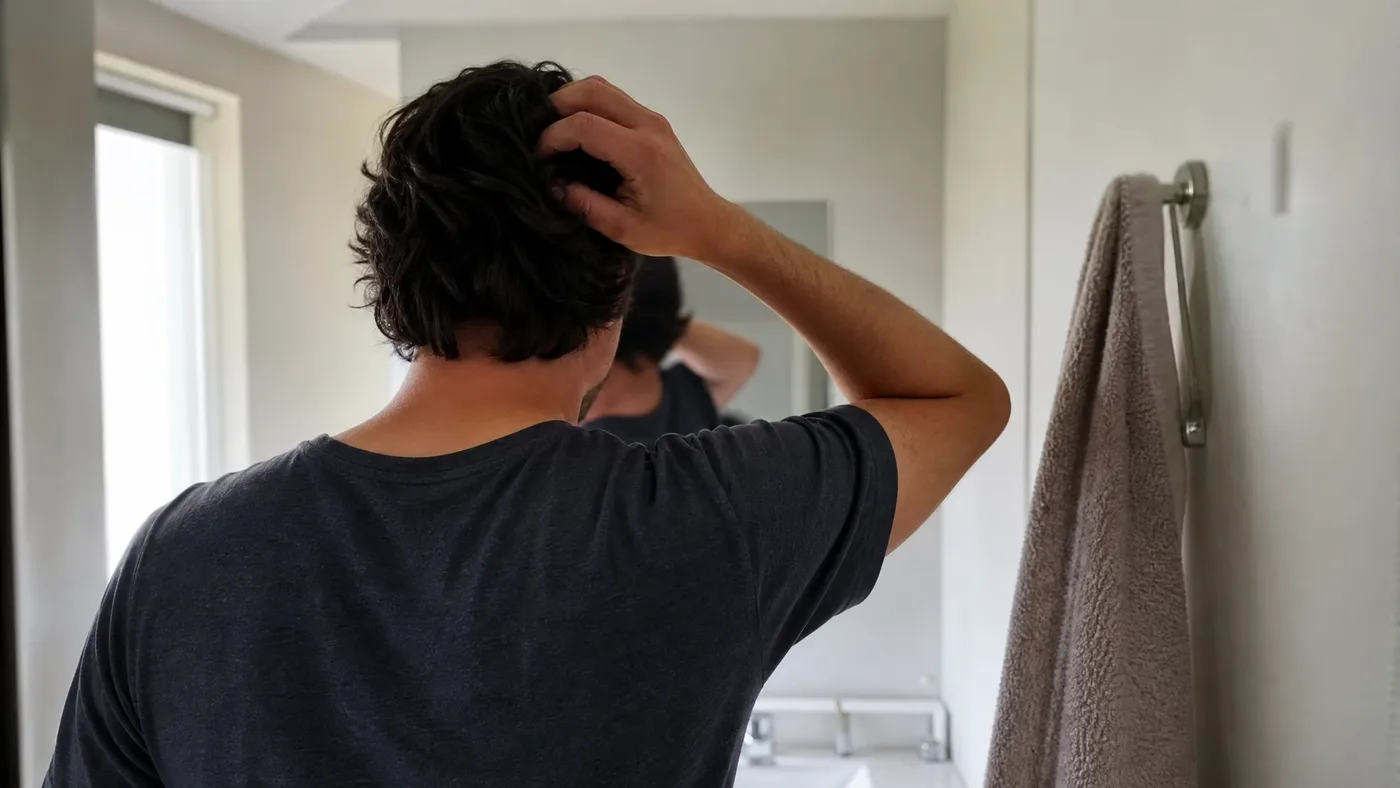
Clove Oil for Dandruff: What a Flaky Scalp Needs
Flakes can come from oily skin, eczema or a fungal yeast. What dermatologists point to for dandruff, and why clove oil stays a room scent for us.
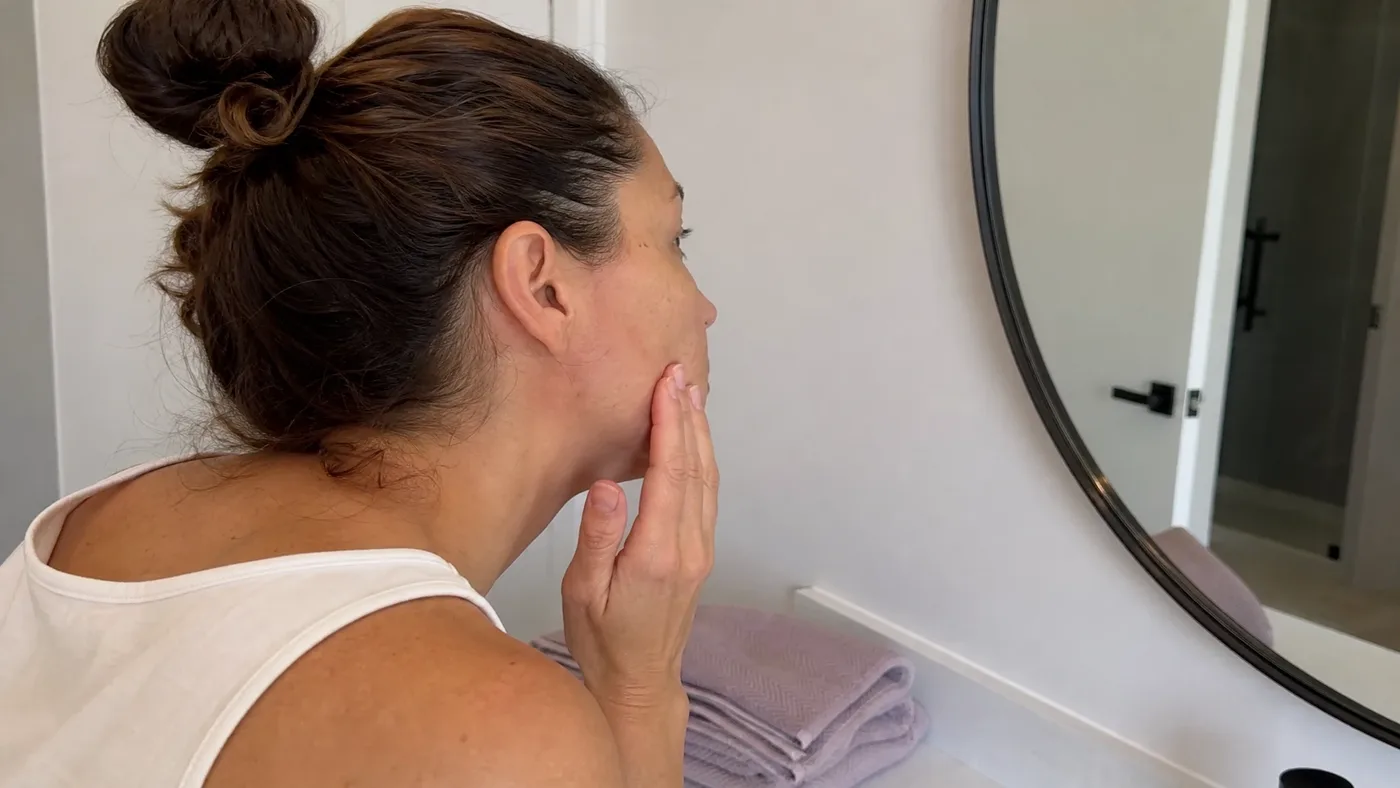
Clove Oil for Acne: Reading One Small Trial
One 2025 trial tested a clove and curcumin gel on acne. What it showed, why it is hard to read, and what dermatologists recommend instead.

Clove Oil for Gums: How to Read the Research
Clove chemistry is active against gum bacteria in the lab, but gums depend on plaque control. How to read the research, and why a dentist comes first.
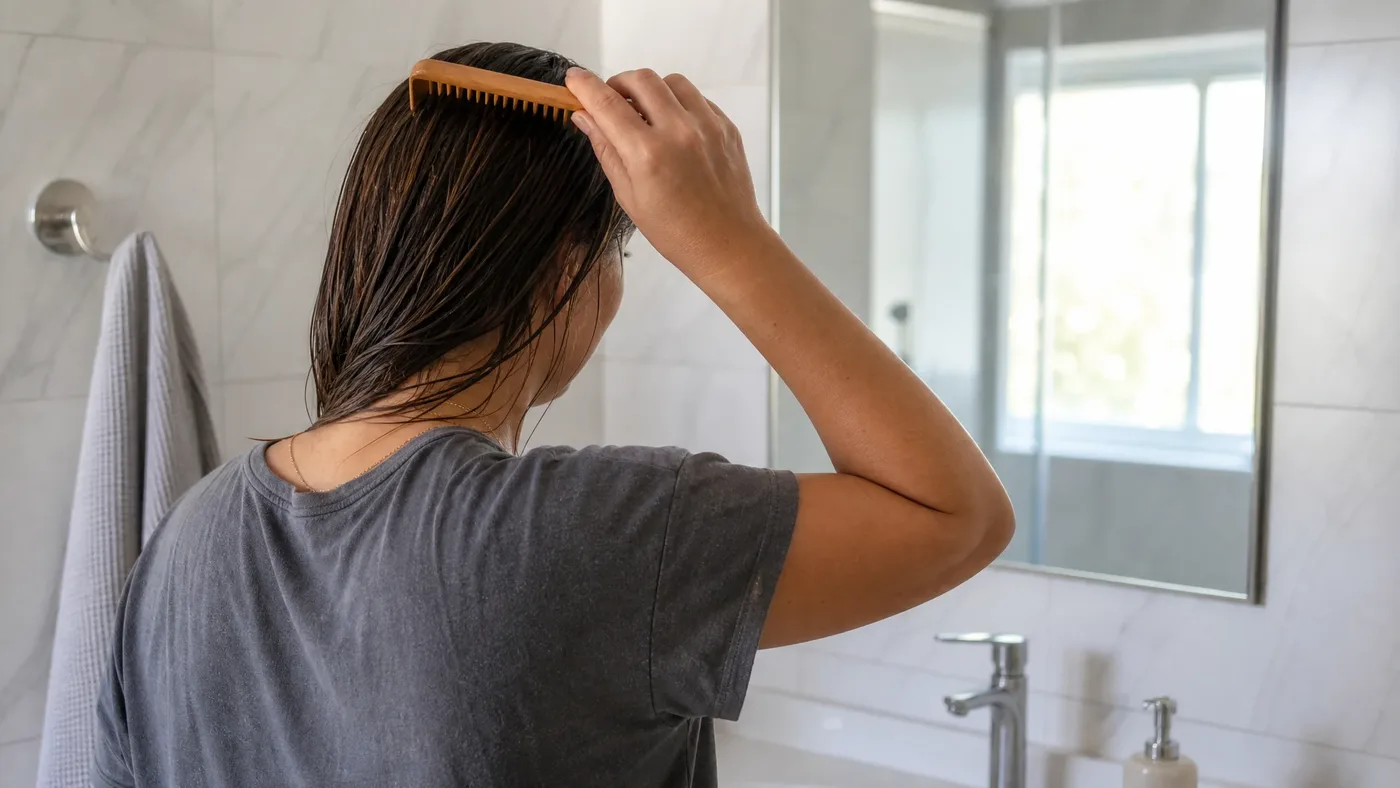
Clove Oil for Hair: What the Studies Actually Cover
The clove hair trend borrows its evidence from rosemary and peppermint. What those studies showed, and what to know before oil touches a scalp.

Clove Oil for Insect Bites: What to Use Instead
Dermatology and NHS advice for an itchy bite is ice, hydrocortisone or an antihistamine. What the sources say, and why clove stays out of it.

Clove Oil Muscle Rub: Why Your Skin Tingles
Clove oil feels hot on skin, which is easy to misread. Learn what the tingle is, what the mouse research covers, and how little oil a dilution needs.
Clove Oil for Nail Fungus: Lab Results vs Real Toenails
Clove oil held back fungi in a lab dish, but a toenail is far harder to reach. See what the research covers and why a clinic visit comes first.

Clove Oil Antioxidant Claims: How to Read the Score
Clove oil tops antioxidant charts, and sellers love to quote them. See what those lab scores mean, what they do not, and why we keep the oil off the face.
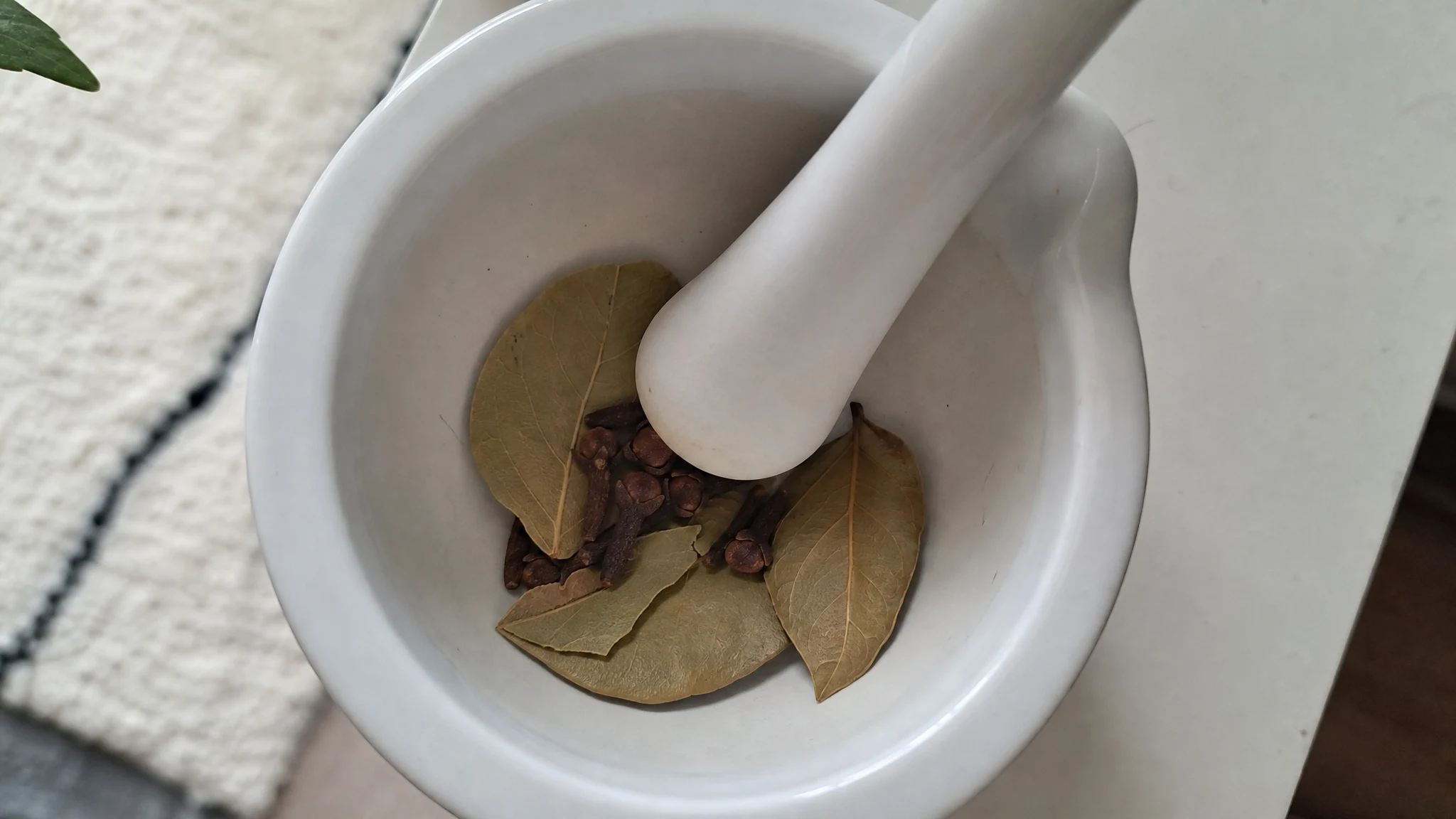
What Does Clove Oil Smell Like? Bud vs Leaf
Clove bud and clove leaf oils are both unmistakably clove but smell different. See how to tell them apart and what gives clove its famous warm spice.
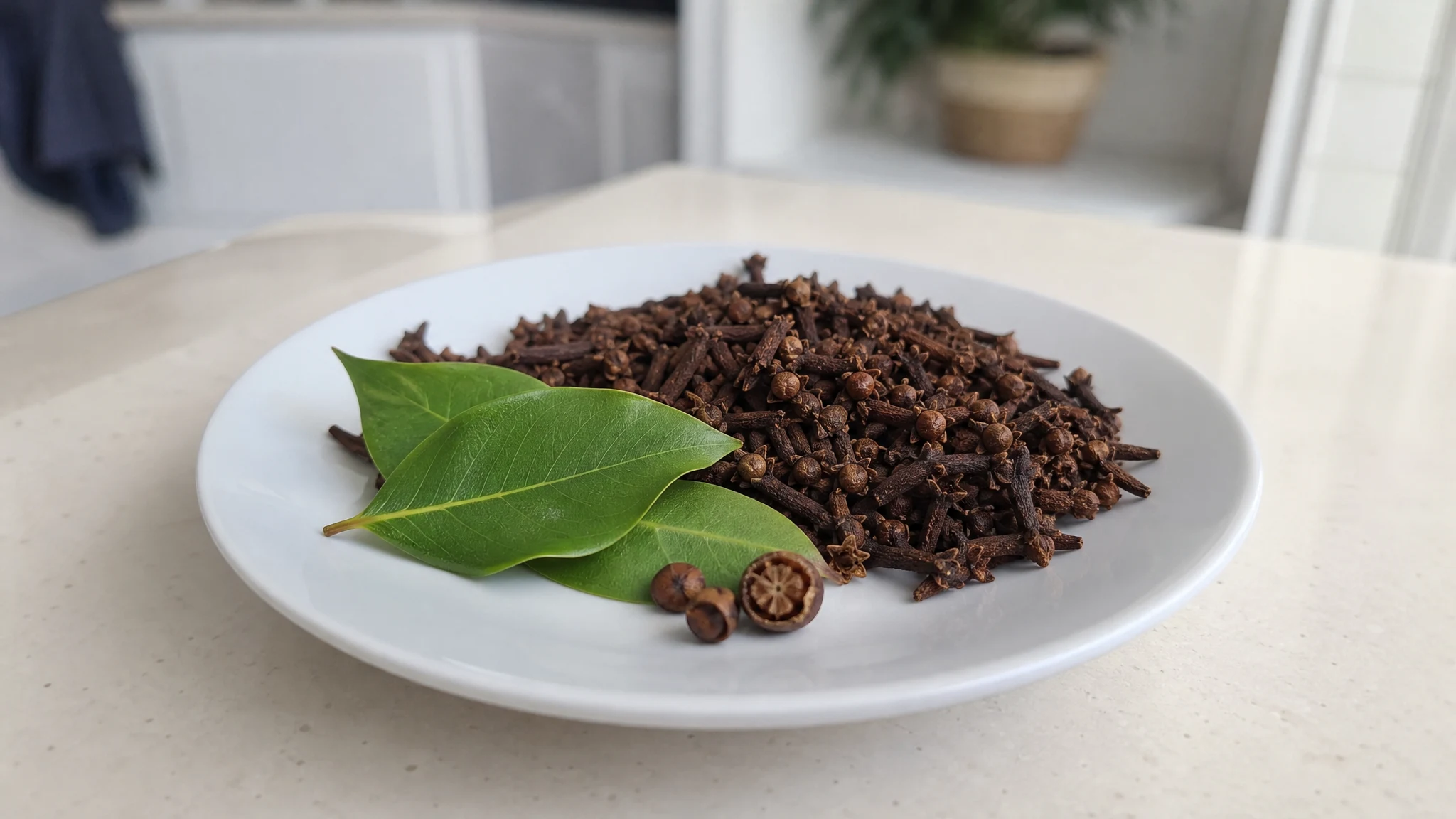
What Is Eugenol? The Compound Behind Clove's Scent
Eugenol is most of what clove oil is. See what it is, how much our bud oil's report lists, why the number is read the way it is, and what it means on skin.

How Is Clove Oil Made? From Green Bud to Bottle
From hand-picked green buds to steam still to amber glass, here is how clove oil is made and why a bud oil and a leaf oil end up smelling different.

Where Do Cloves Grow? Origins and Oil Labels
Indonesia, Madagascar and Zanzibar all grow cloves. Learn how the tree traveled, why an origin name is only a lead, and what to ask before you buy.

Zanzibar Clove History: A Tree That Crossed the Sea
Cloves are not African at all. Follow the tree from the Moluccas to Zanzibar, how a sultan's order made the islands the top producer, and why they slipped.
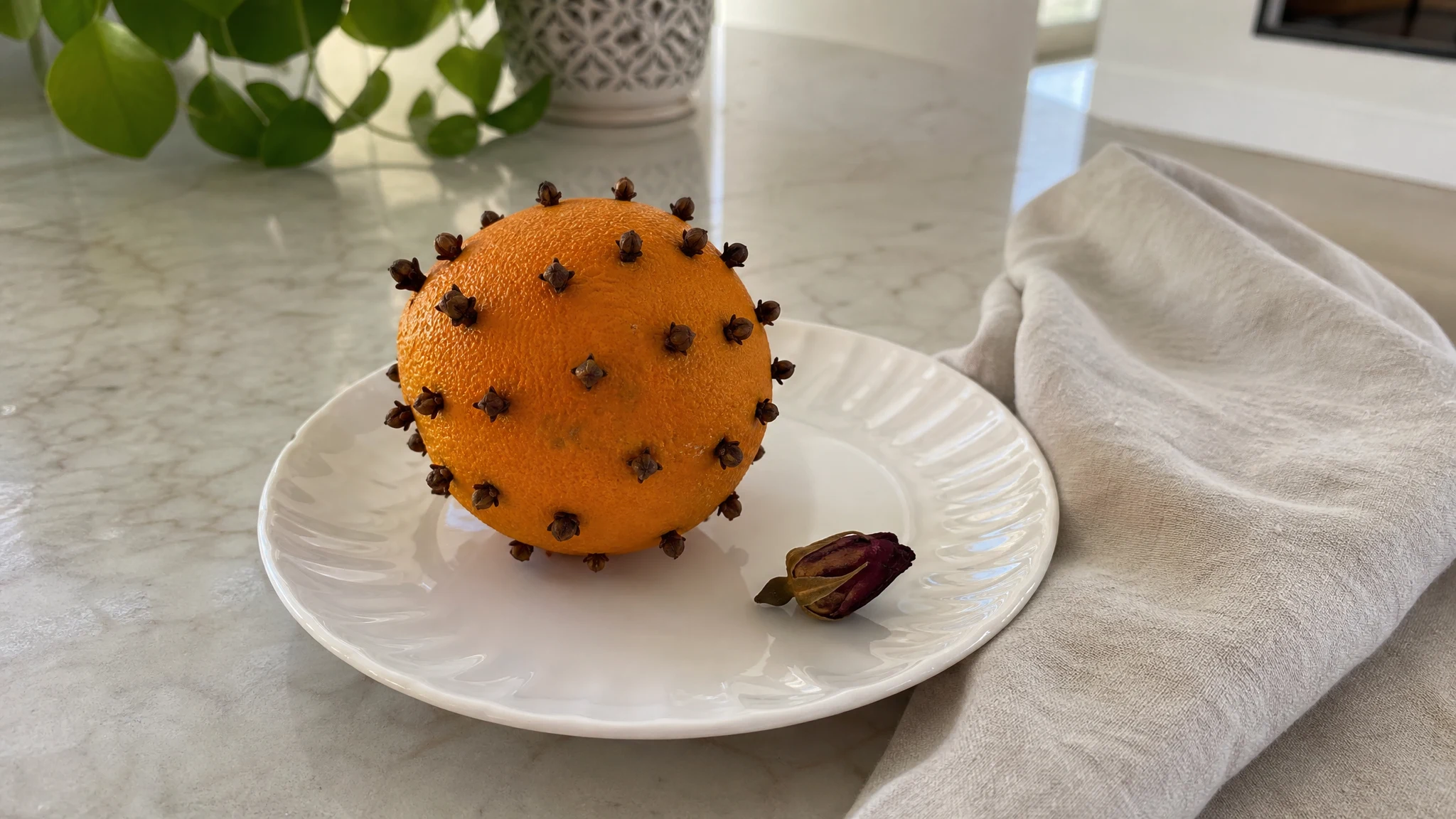
Clove Orange Pomander: What the Sources Really Say
The original pomander was a perfumed ball in a metal case, not an orange. Follow how cloves, oranges and the name came together, and how to make one today.