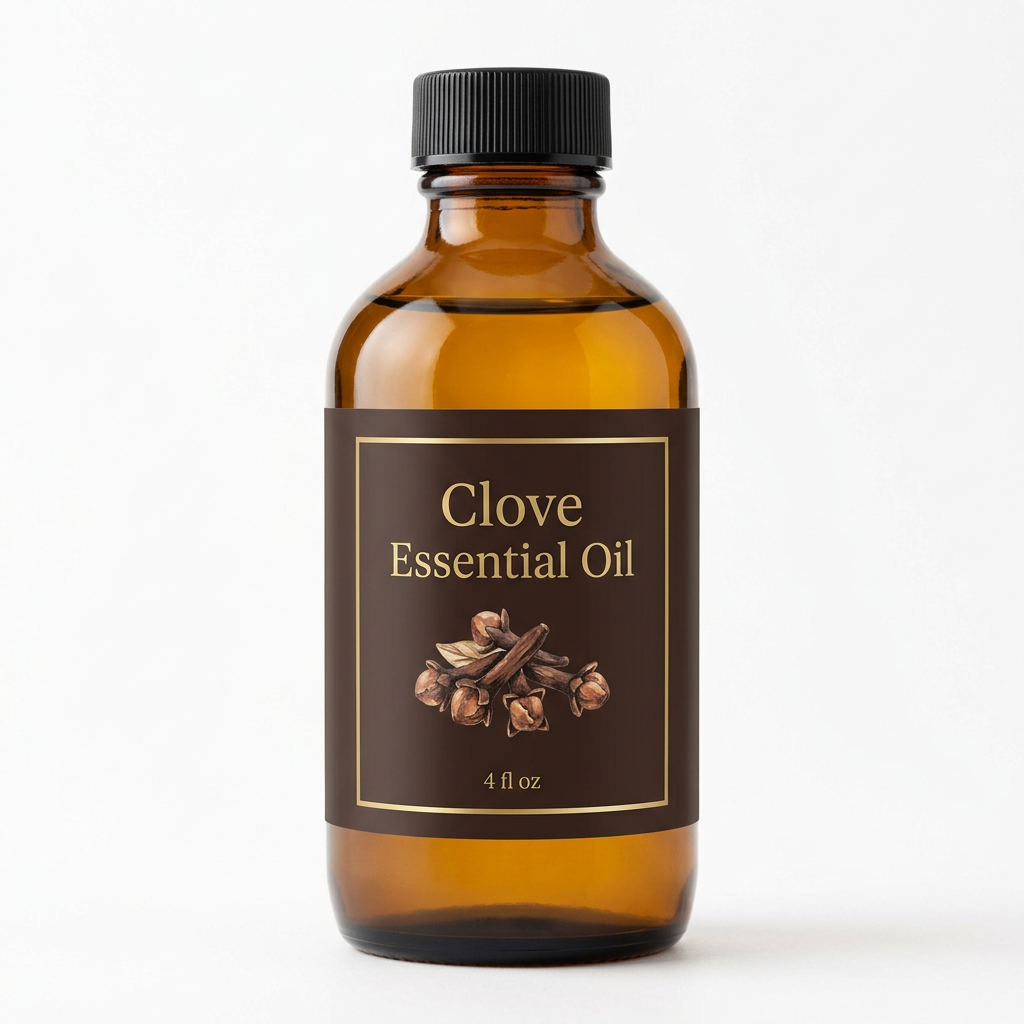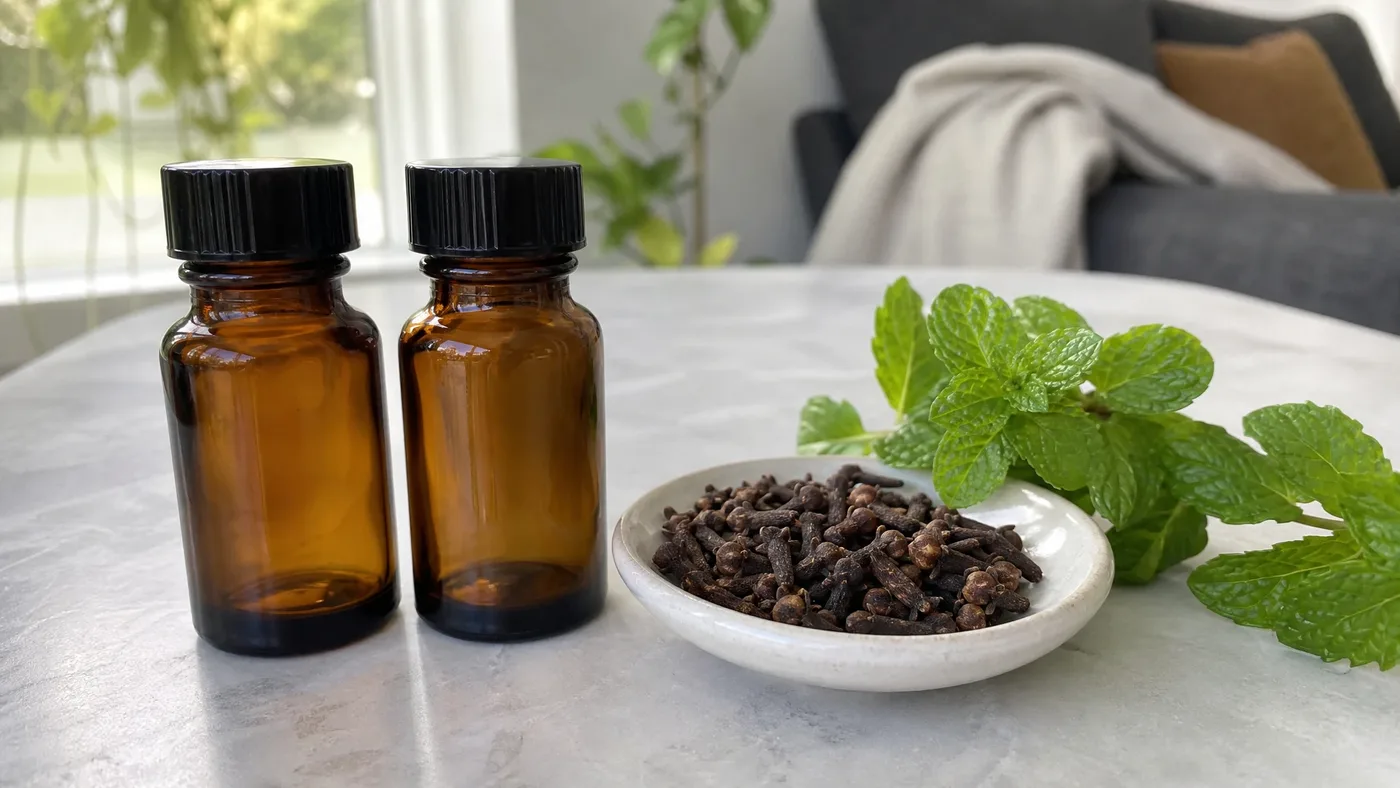
Essential Oils and Toothache: Where Clove Really Fits
Clove has the longest dental history of any essential oil. What the studies looked at, what the NHS advises, and why a toothache needs a dentist.
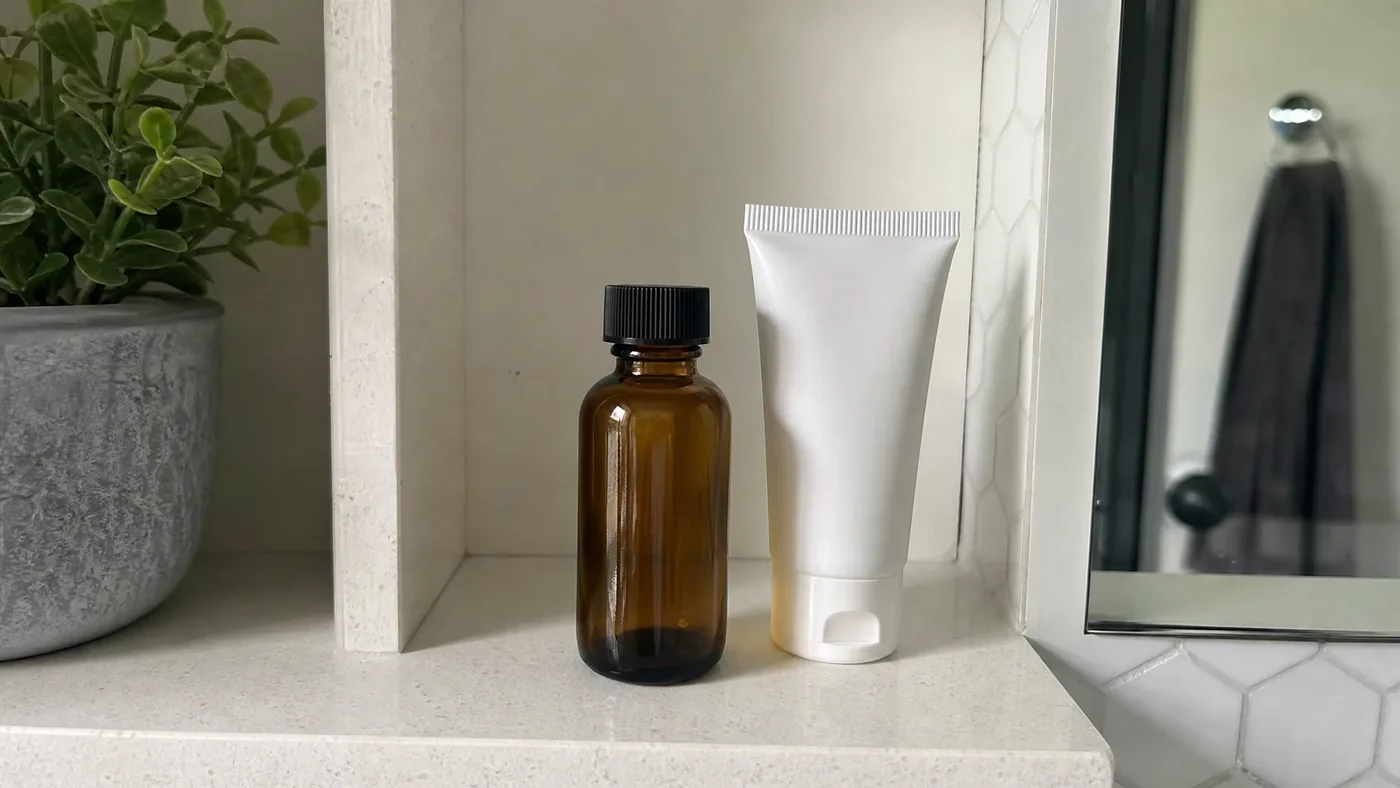
Clove Oil vs Benzocaine: What the 2006 Trial Found
One 2006 trial compared a homemade clove gel with benzocaine gel before a needle stick. What it found, what FDA says, and where it stops.
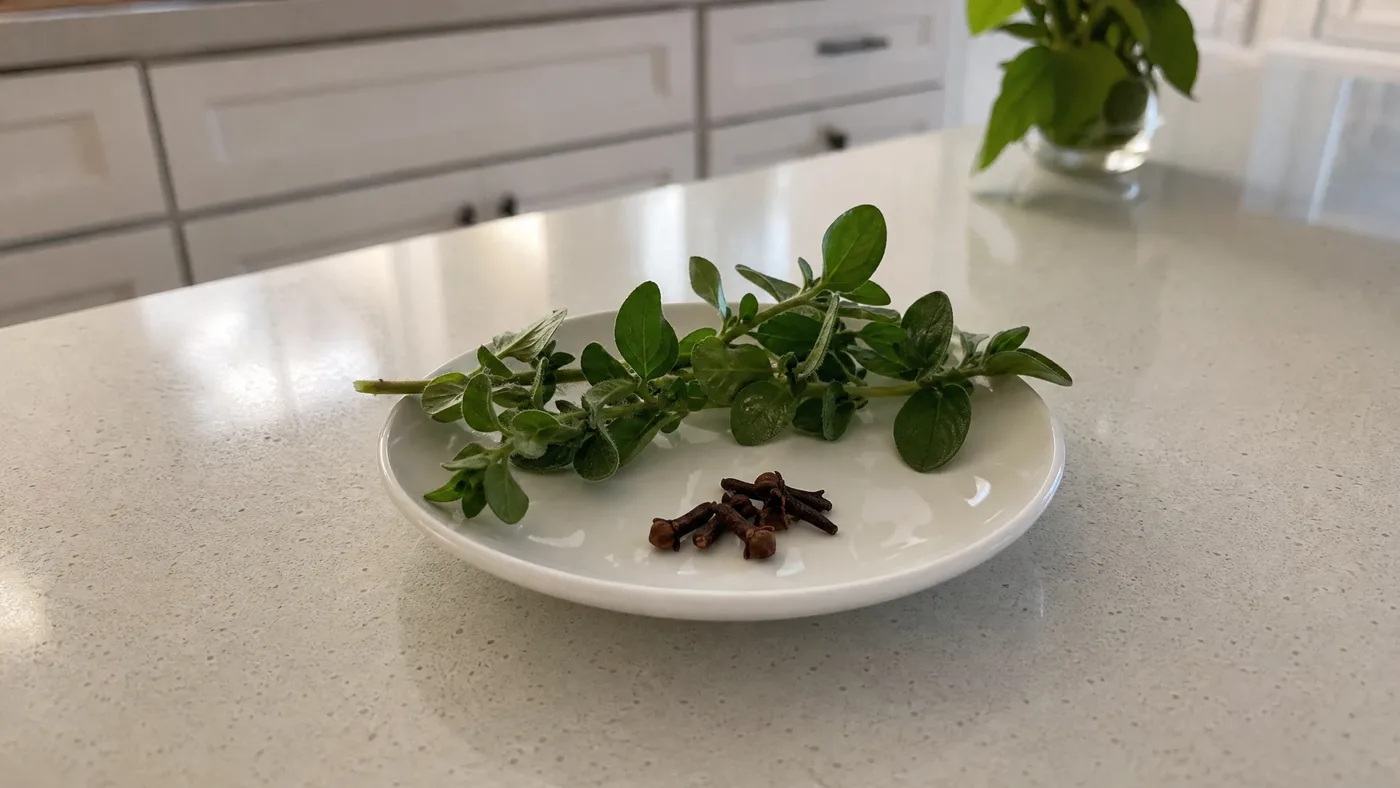
Clove vs Oregano Oil: What Sets Them Apart
Both oils are about three-quarters one phenol. See how clove and oregano compare in composition, labelling and handling, and why dilution matters for each.
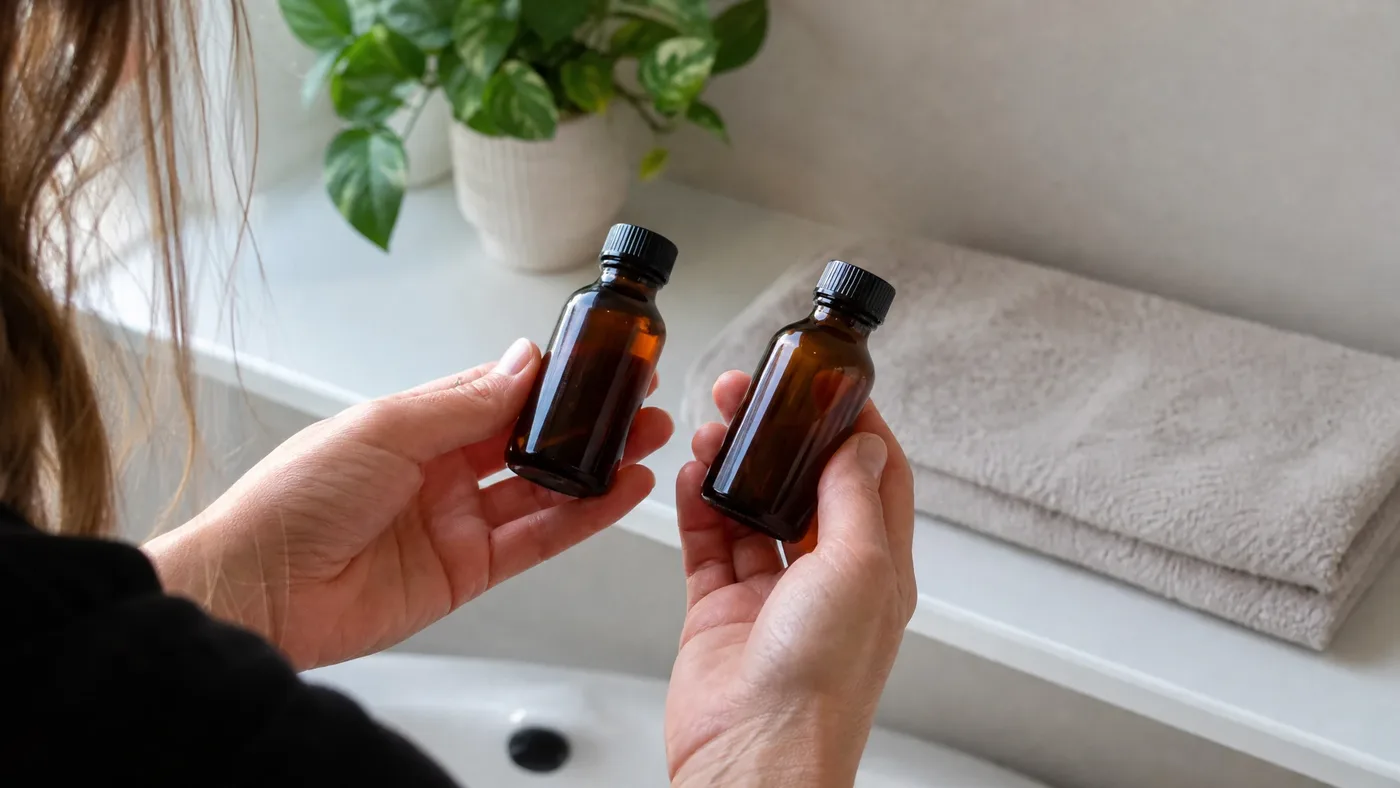
Clove Oil vs Tea Tree Oil: Which Needs More Care?
Tea tree oil can become a skin sensitiser as it oxidises, while clove is strong from day one. See how that changes storage and dilution for each.
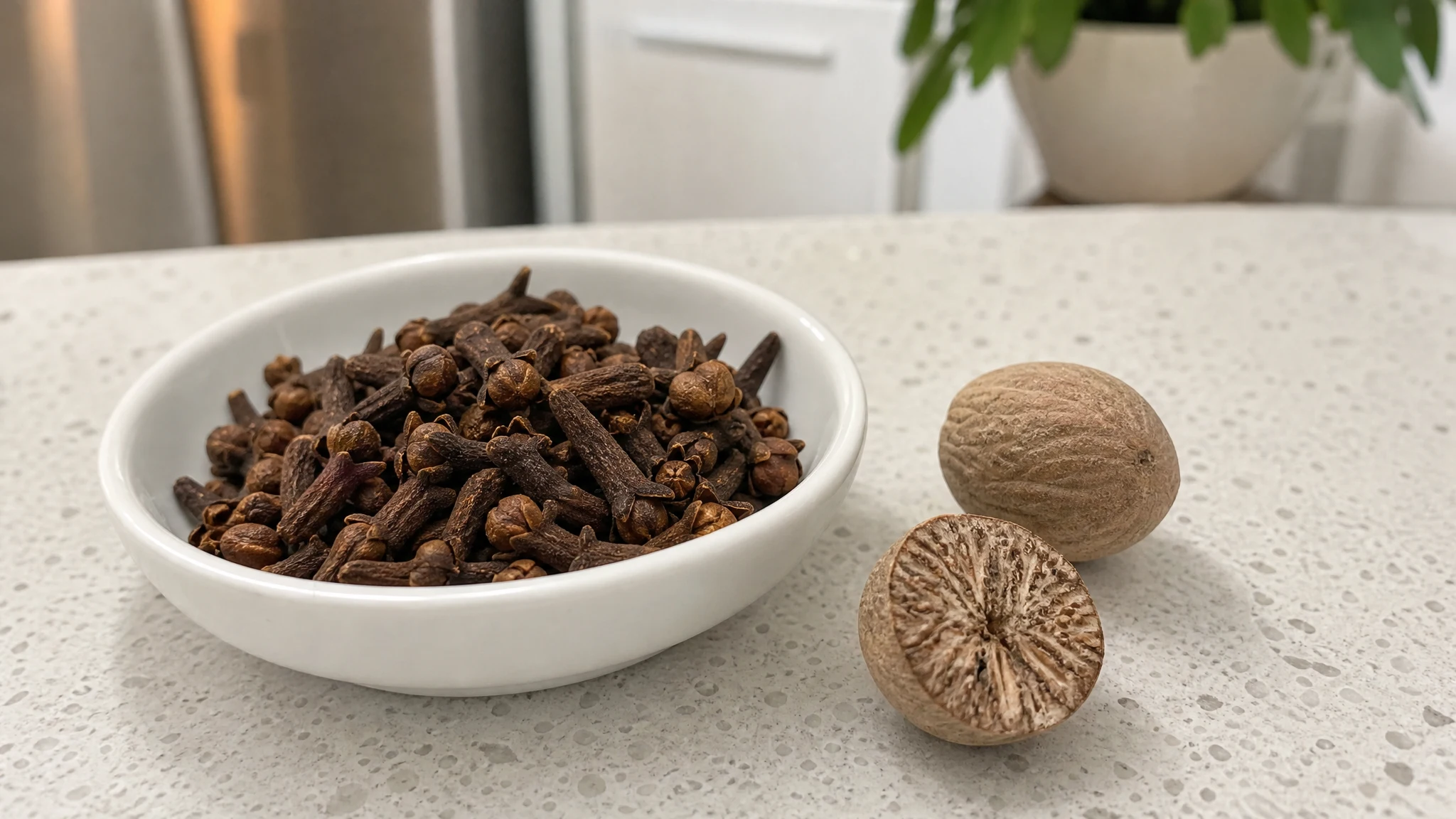
Clove Oil vs Nutmeg Oil: Which Spice Fits Your Blend?
Clove and nutmeg both say holiday spice, but the oils are built differently. What published analyses show and what to ask before you buy.
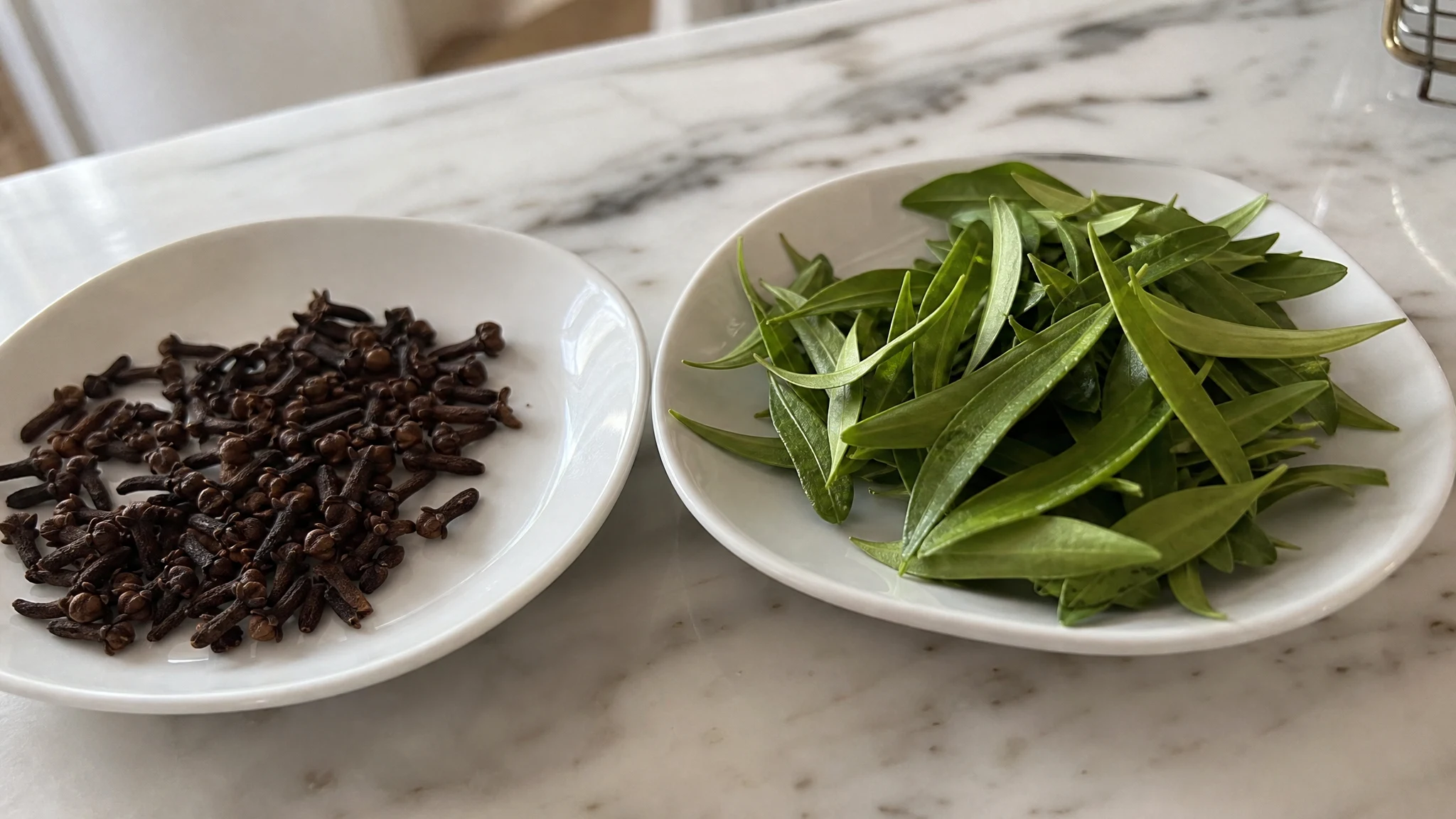
Clove Bud vs Clove Leaf Oil: Which Should You Pick?
Bud and leaf clove oils carry almost the same eugenol, yet smell different. What sets them apart and how to pick one for soap, candles or scent.
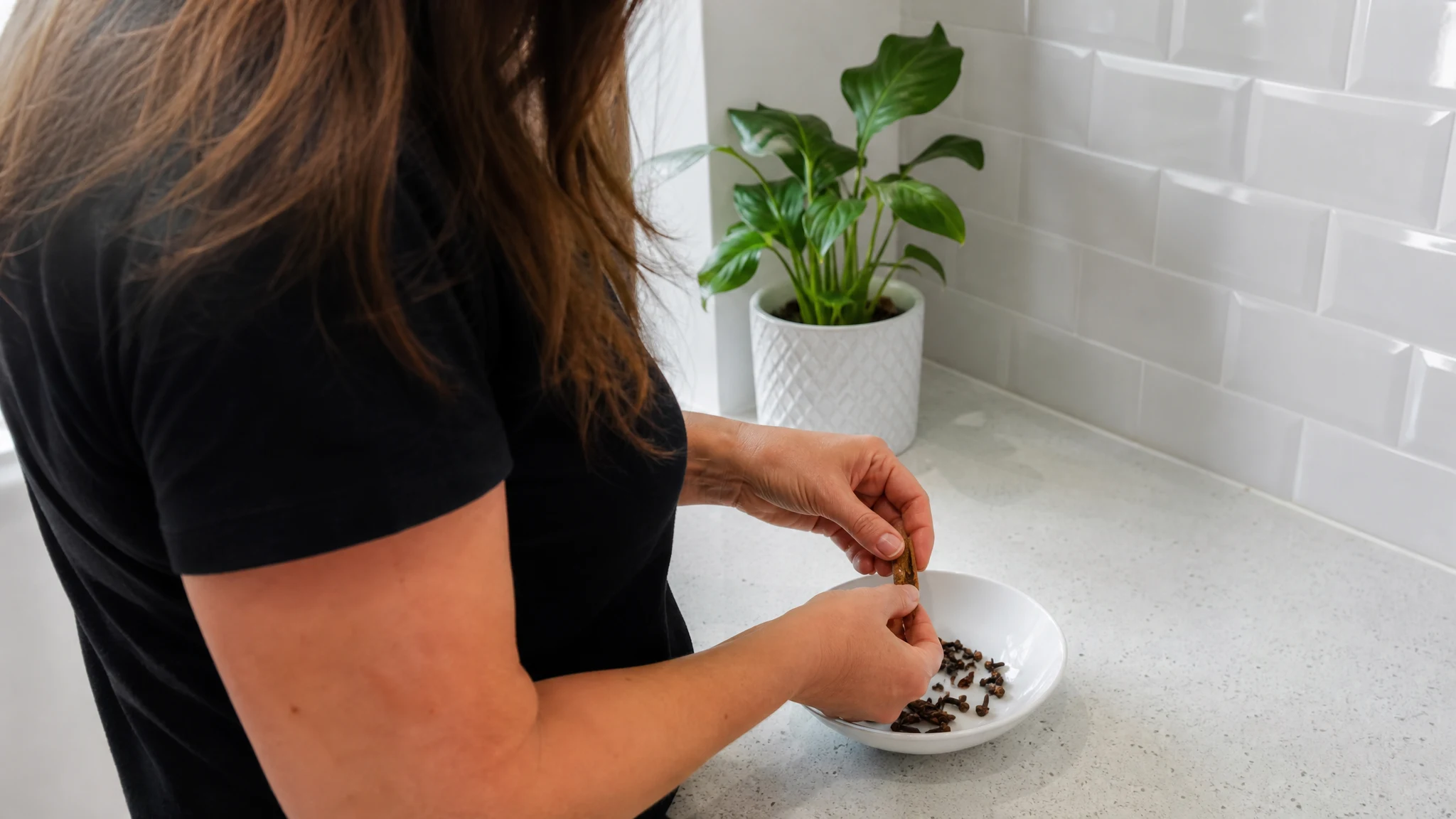
Clove vs Cinnamon Oil: How to Choose Between Them
Clove oil is reliably eugenol-rich; cinnamon oil depends on species and plant part. How they compare on chemistry, skin and what to ask a seller.
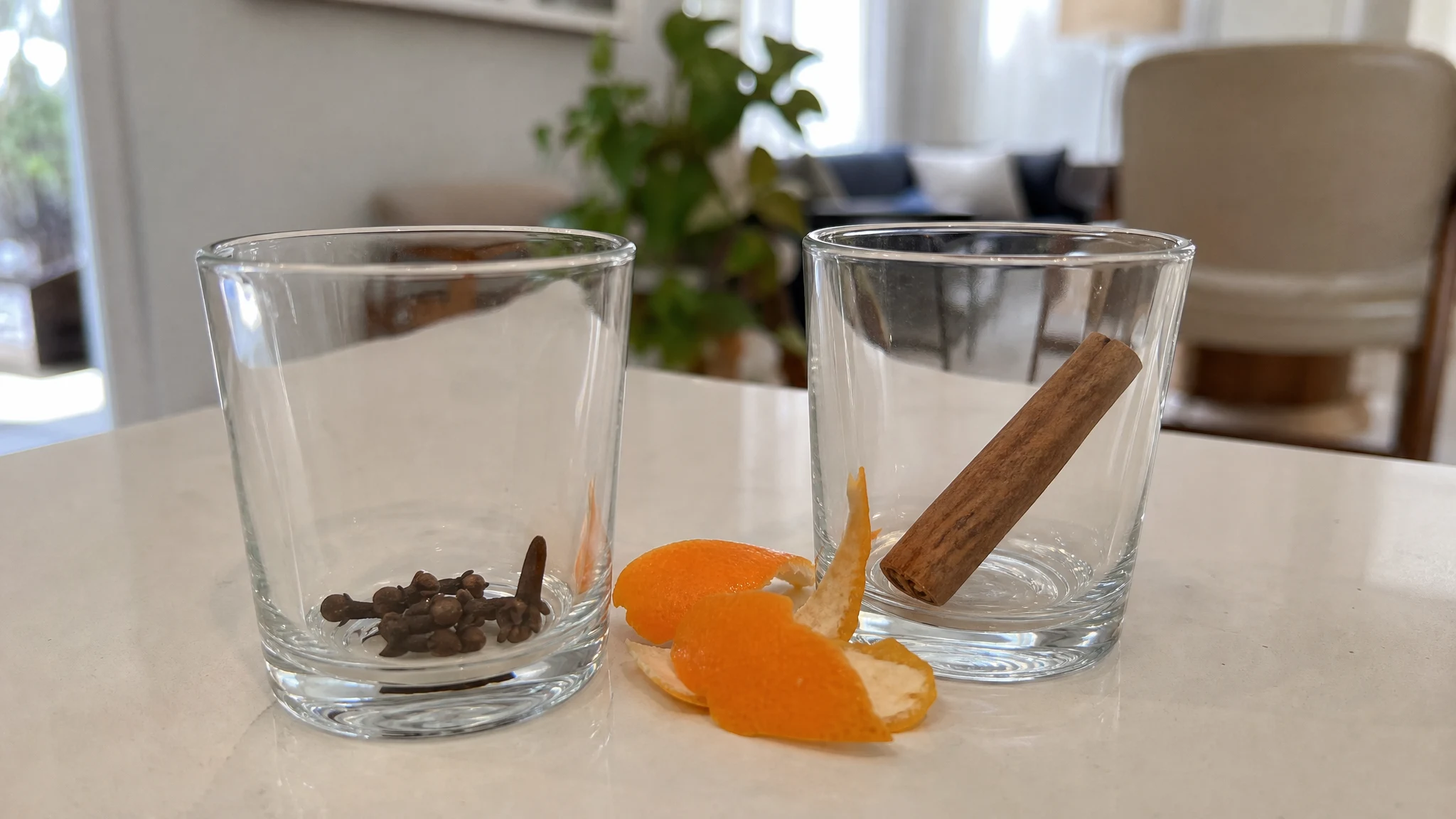
Clove Essential Oil vs Fragrance Oil: Know the Difference
Eugenol is the same molecule whether distilled or synthesised. Here is how a clove essential oil label differs from a fragrance oil label, and what to ask.

Clove Oil vs Whole Cloves: Which Do You Need?
One ounce of clove bud oil represents about 300 grams of buds. See where whole cloves belong and where the oil earns its place, from stovetop to crafts.
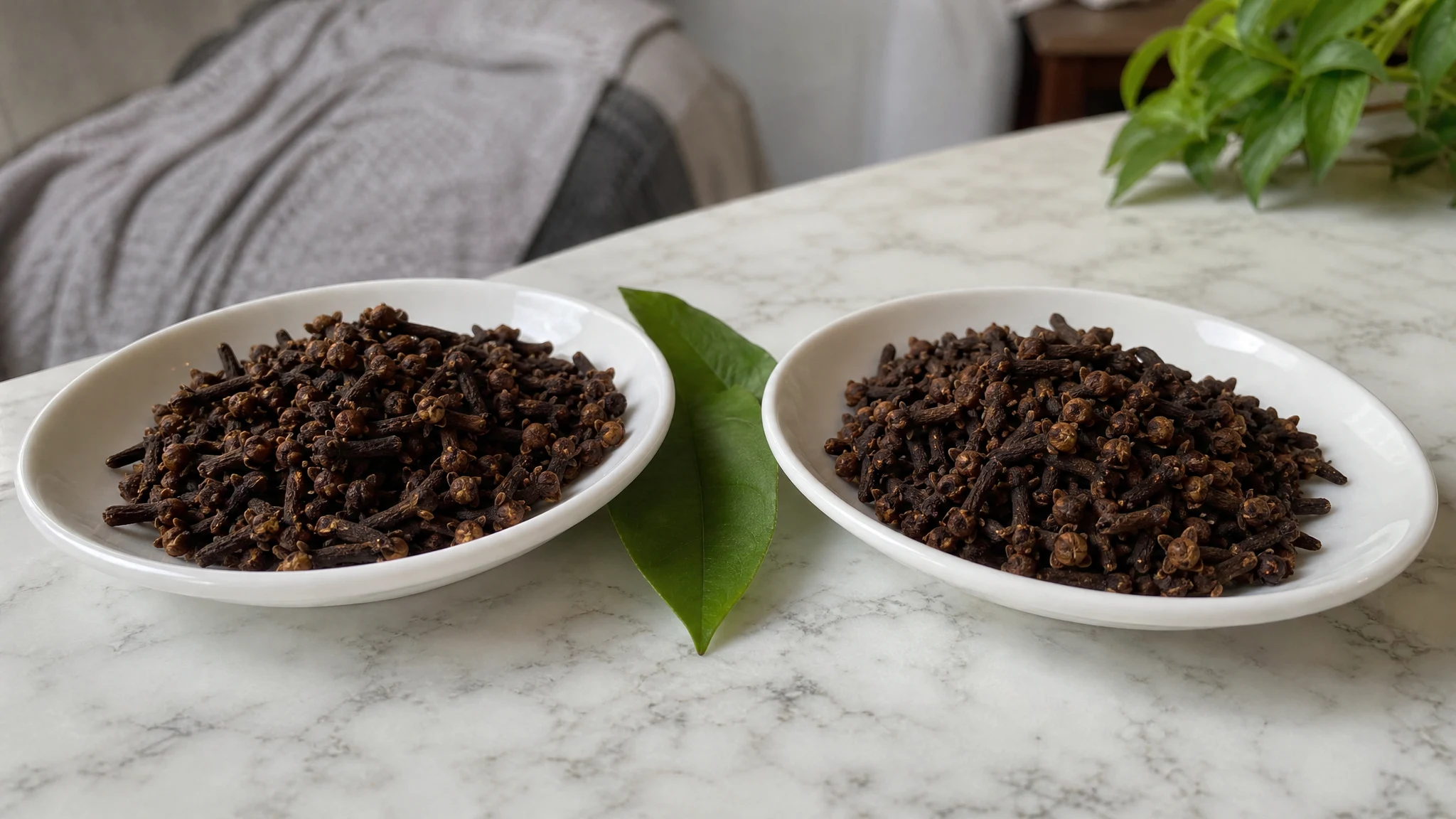
Is There Organic Clove Oil? What the Label Means
An organic seal covers how the crop was grown, not how clove oil smells or behaves on skin. Learn what it can tell you and the questions to ask any seller.