Essential Oils and Toothache: Where Clove Really Fits
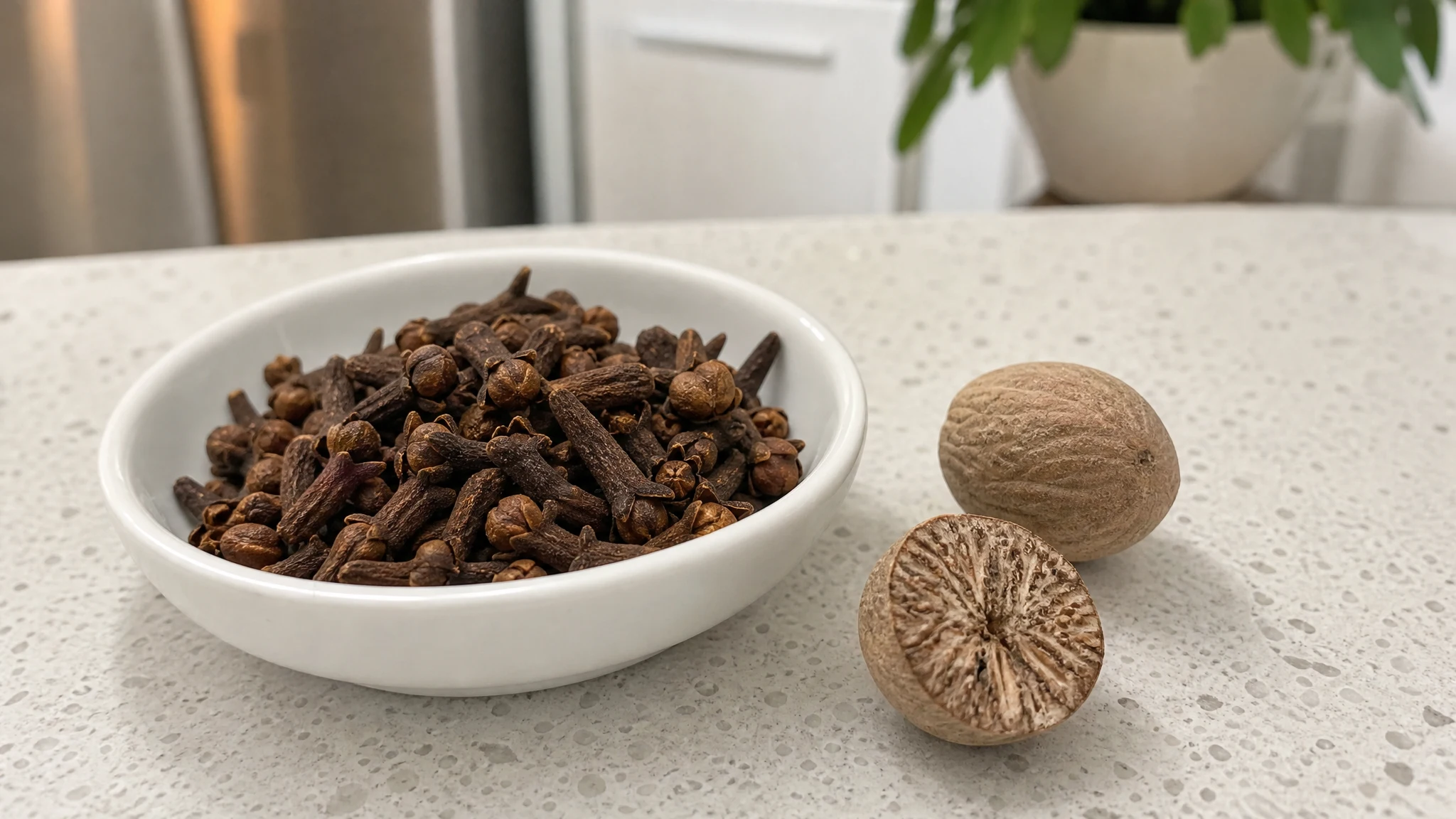
Ask which essential oil is linked to toothache and nearly everyone says clove. There is a reason: clove oil's main compound, eugenol, has a long place in dentistry. But there is a gap between "used in dental products" and "a bottle of aromatic oil is the answer to a sore tooth," and that gap is worth understanding. We sell clove oil as an aromatic, cosmetic oil, and we do not give directions for putting any essential oil on a tooth or gum.
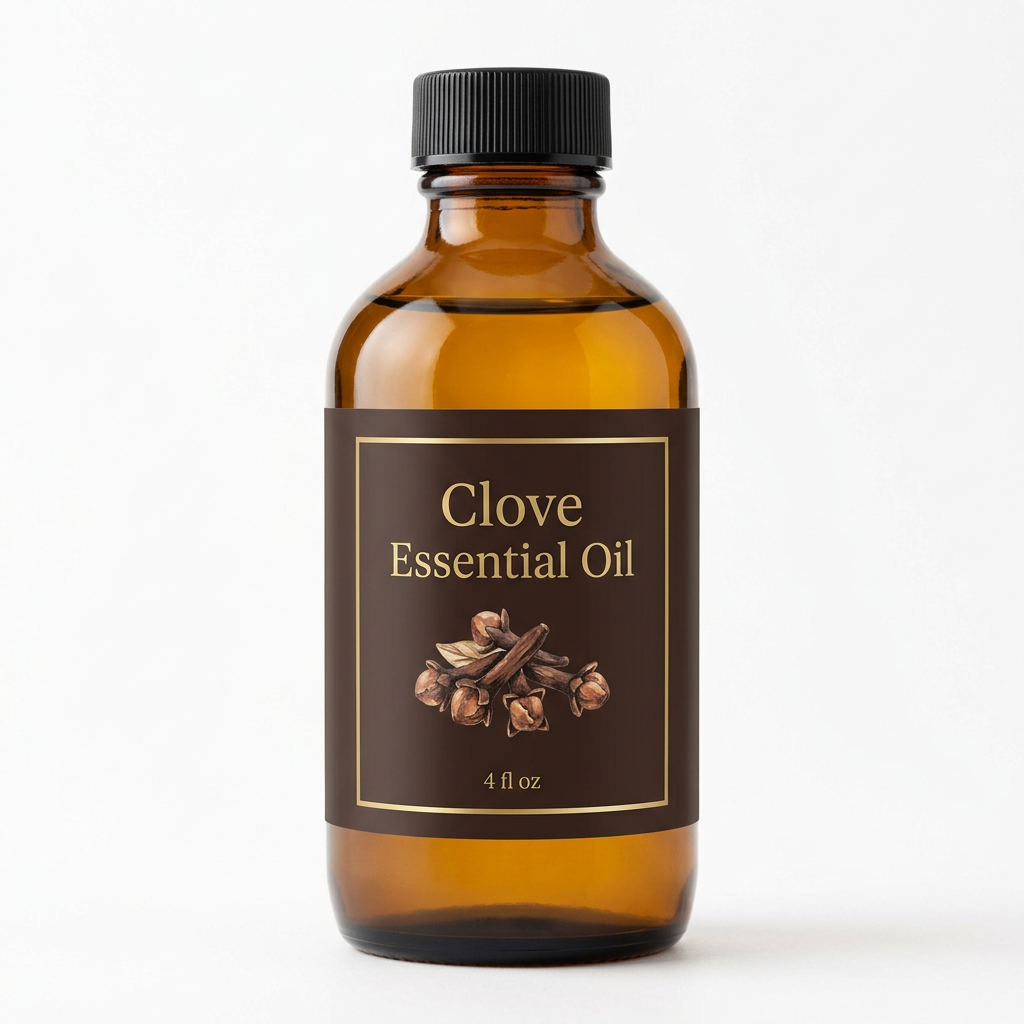
Clove Essential Oil
Our own Clove Essential Oil, in sizes from 0.5 oz to bulk.
From $10.99
Shop Now →Start with the tooth, not the oil
The NHS advises booking a dentist if toothache lasts more than two days, does not settle with painkillers, or comes with a fever, pain on biting, red gums, a bad taste or swelling in the cheek or jaw. Swelling that makes it hard to breathe, swallow or speak is an emergency. The causes it lists are decay, an abscess, a cracked tooth, a loose filling and gum disease, none of which an aroma can sort out (NHS, toothache). While you wait for an appointment, its suggestions are ordinary painkillers, a pharmacy gel made for the mouth and soft foods. Clove oil does not appear on that page.
We say this as people who love clove. The warm, sweetly spicy smell of the bud oil is one of the great pleasures of a cold afternoon, and it is easy to see why a scent that strong gets handed a big reputation. But a smell that feels like it could fix something is not the same as a fix, and a sore tooth is the wrong place to find that out the hard way.
What the clove research actually looked at
The best-known clove experiment is a 2006 randomized trial in the Journal of Dentistry. Researchers gave 73 adult volunteers a homemade clove gel, a 20% benzocaine gel or a matching placebo on the gum tissue above an upper canine, waited five minutes, and then gave two needle sticks. Both active gels scored lower for pain than placebo, and the two did not differ from each other (Alqareer et al., 2006). It is a useful study, and also a narrow one: healthy tissue, a needle, a gel of unreported strength, and no aching tooth. We compare it with the benzocaine side in clove oil vs benzocaine.
Broader reviews of plant-based pain agents in dentistry also mention clove oil among the agents with analgesic signals, while calling for standardized preparations and larger trials (Reddy et al., 2025). The key word there is standardized. A dental product with a measured amount of eugenol and professional labeling is a different thing from a bottle of aromatic oil, and the research on one does not transfer to the other.
What the dental products themselves say
The UK product information for a clove oil dental solution gives a useful reality check. It describes small amounts used in a cavity as a temporary measure, with advice to see a dentist as soon as possible, and it warns that eugenol can irritate skin and mucous membranes, that repeated use may damage the gums, and that people can become sensitized. It is contraindicated for anyone allergic to clove oil, eugenol or Peru balsam and is not recommended for children under 2 (Electronic Medicines Compendium). That is the standard a mouth product meets. Our oils are labeled for aroma and cosmetic use, not for the mouth.
If you have ever been given a little bottle of clove oil by a relative who swears by it, you will have noticed how intense the smell is straight from the bottle. That intensity is the clue. This is a concentrate, and a concentrate asks for more care, not less. Keep the cap on tight, keep the bottle upright, and keep it out of the way of anyone who might mistake it for something to taste.
What about other oils?
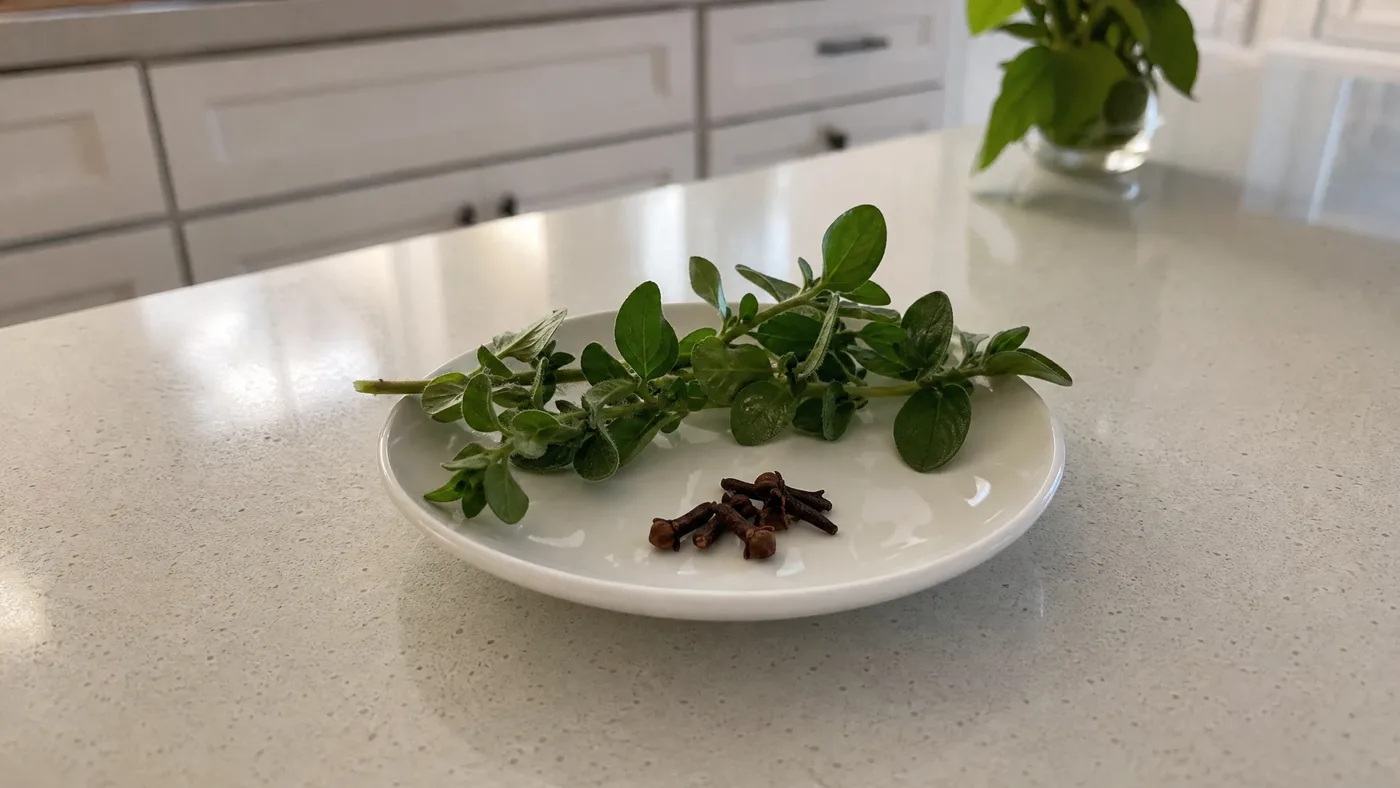
You will see tea tree, peppermint, thyme and oregano on lists like this one. The research on essential-oil mouth products we looked at is mostly about plaque and gum health, not tooth pain, and the results depend heavily on the formulation. Tea tree also comes with a clear warning from the US National Center for Complementary and Integrative Health not to swallow it (NCCIH). We do not sell tea tree; for a side-by-side look at the compounds, see clove oil vs tea tree oil.
A note on keeping strong oils at home
A single case report shows why any bottle of clove oil should be kept out of reach of young children: a 15-month-old developed serious liver injury after swallowing about 10 ml of clove oil (Janes et al., 2005). Our smallest bottle holds roughly 14.8 ml. If anyone swallows essential oil, call Poison Help at 1-800-222-1222 in the US.
Who to call for what
- Toothache that lingers, throbs or comes with swelling or fever: a dentist, as soon as you can.
- Trouble breathing or swallowing: an emergency department.
- Questions about over-the-counter pain relievers or mouth gels: a pharmacist.
- Tooth pain in a child, or during pregnancy: a dentist, pediatrician or OB-GYN.
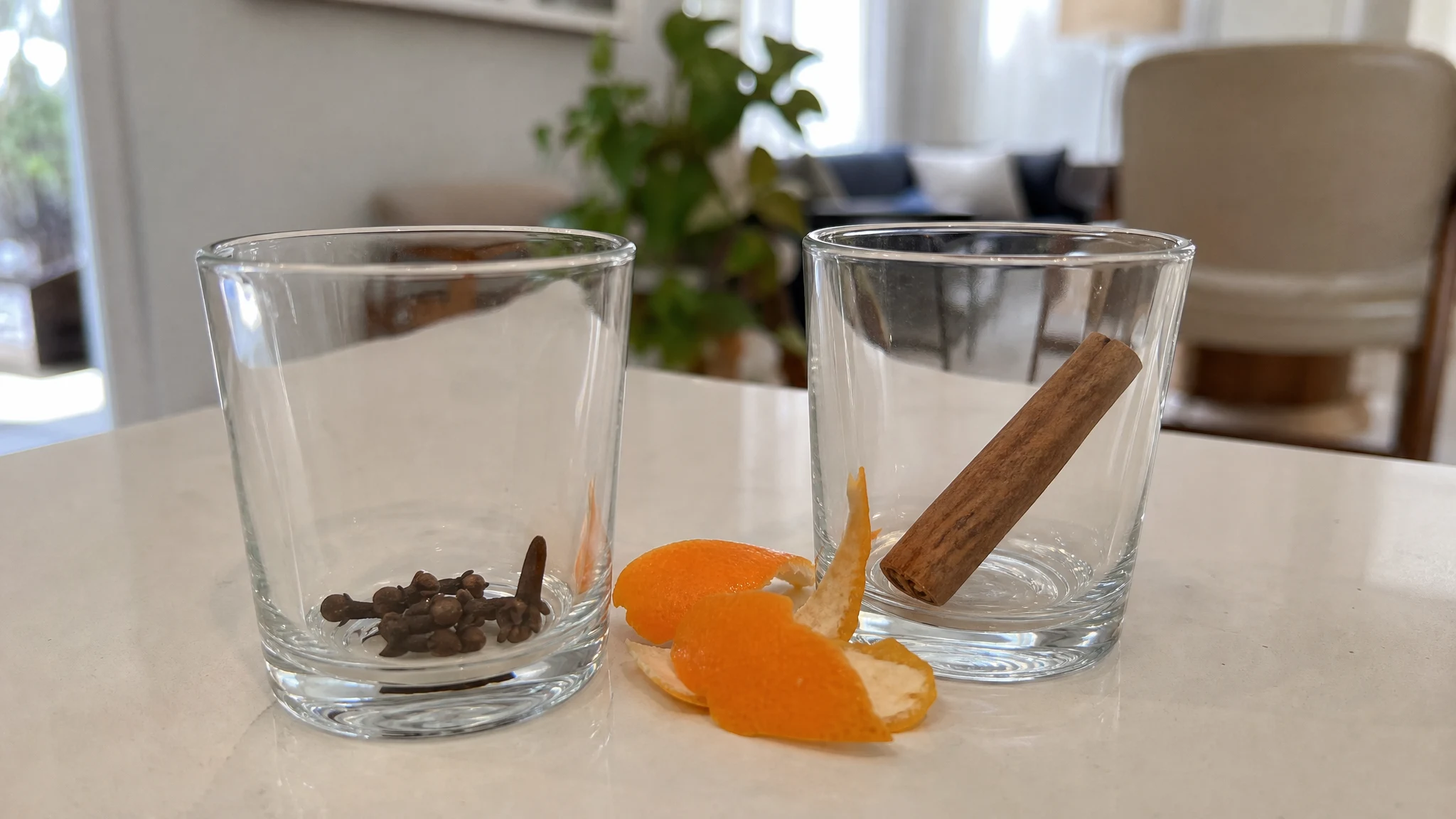
For more on how clove sits in the dental world, see clove oil and toothache and clove oil and oral health. Clove oil from our shelf belongs where its aroma does best: in the diffuser, the simmer pot and the craft table, with the tooth left to your dentist.
If that sounds like a lot of caution, it is, because toothache is a time when people reach for whatever is in the cupboard. The kindest thing a bottle of aromatic oil can do on a day like that is stay in the cupboard while you ring the dentist. Once the tooth is sorted, come back to the oil for what it does well: a drop or two in a diffuser, a simmer pot on the stove, a craft project that wants a warm spice note.
Clove Essential Oil
Clove Essential Oil from our own shop, in sizes from 0.5 oz to bulk.
From $10.99
Shop Now →Sources & Further Reading
- NHS. Toothache. nhs.uk/conditions/toothache
- Alqareer A et al., 2006. The effect of clove and benzocaine versus placebo as topical anesthetics. J Dent. PubMed 16530911
- Reddy et al., 2025. Analgesic efficacy of phytotherapeutic agents in dental pain management: a systematic review. Int J Dent. PubMed 41322706
- Electronic Medicines Compendium. Clove Oil BP dental solution, summary of product characteristics. medicines.org.uk/emc/product/4817
- NCCIH. Tea tree oil. nccih.nih.gov/health/tea-tree-oil
- Janes SE et al., 2005. Essential oil poisoning: N-acetylcysteine for eugenol-induced hepatic failure. Eur J Pediatr. PubMed 15895251