Clove vs Cinnamon Oil: How to Choose Between Them
Clove and cinnamon sit side by side in every spice rack, and the oils get compared constantly. But only one of them is a predictable bottle. Clove oil, from buds or leaves, is built around eugenol whichever label it wears. "Cinnamon oil" can mean bark oil dominated by cinnamaldehyde, leaf oil that leans toward eugenol, or an oil from a different species altogether, and the bottle does not always say which. We sell clove and not cinnamon, so what follows draws on published analyses.
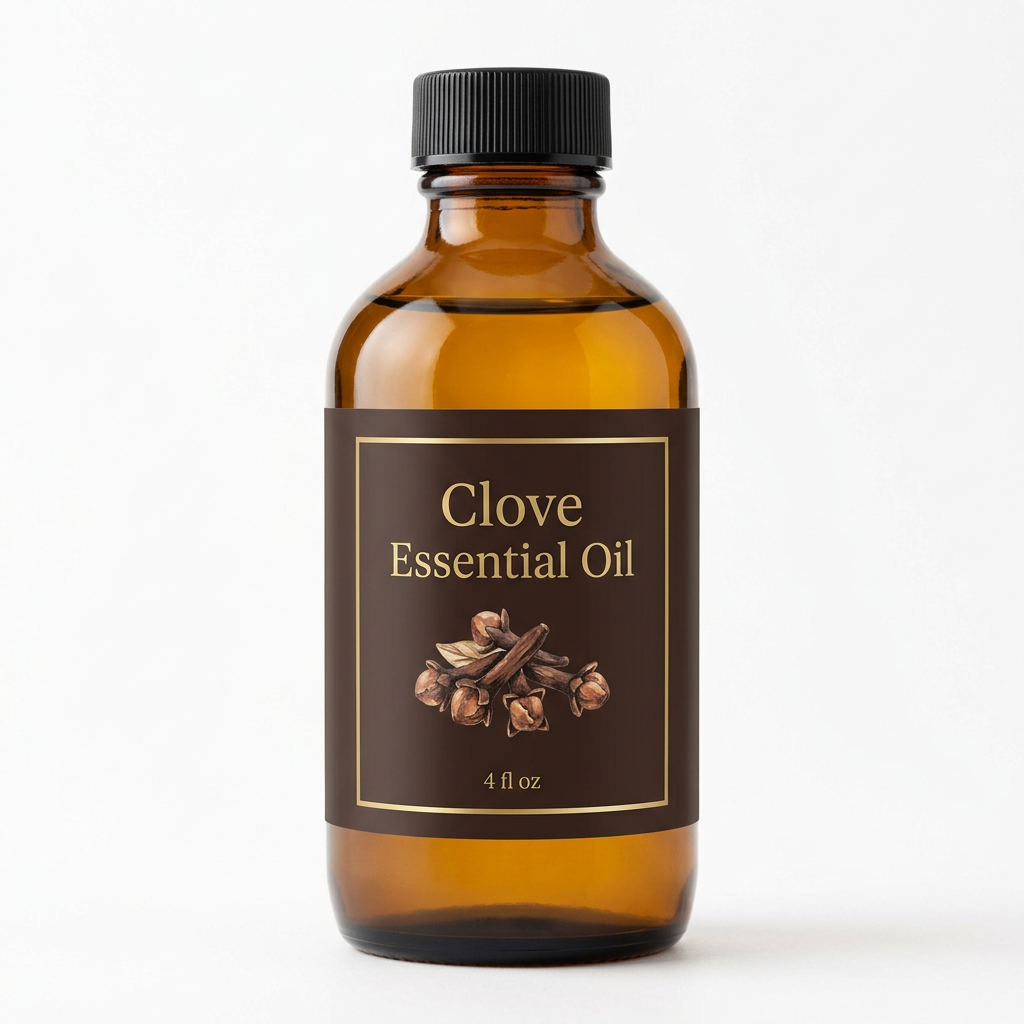
Clove Essential Oil
Our own Clove Essential Oil, in sizes from 0.5 oz to bulk.
From $10.99
Shop Now →Two oils, two lead molecules
A 2025 study analyzed several spice oils on the same instrument for an insect-behavior experiment. A commercial cinnamon oil (Cinnamomum verum, plant part not stated) came out at 78.5% (E)-cinnamaldehyde with only 5.2% eugenol, while a clove bud oil the authors distilled from Ecuadorian buds was 89.2% eugenol (Parichanon et al., 2025). The GC-MS report we publish for our bud oil lists eugenol at 73.57% by peak area, and the European Food Safety Authority's panel found 78% to 86% eugenol across batches of bud and leaf oil (EFSA FEEDAP, 2023). Different samples, different numbers, but the story stays the same: clove is a eugenol oil.
That is the practical difference when you shop. With clove, the main question is bud or leaf. With cinnamon, you need the species and the plant part, and ideally a GC-MS report for the lot, before you know what you are buying.
How they differ on skin
Both oils can trigger skin reactions, and the data suggest cinnamon bark is the more potent of the two. The Tisserand Institute notes that lemongrass, clove and cinnamon bark are more likely to cause skin reactions than many oils (Tisserand Institute), and it lists recommended topical maximums of 0.5% for clove bud and 0.6% for cinnamon leaf on its eugenol page (eugenol page). A 2026 comparison of eight oils estimated the level at which each could sensitize skin; a clove bud oil with 73% eugenol came in at 5,690 micrograms per square centimeter and a cinnamon bark oil with 64.2% cinnamaldehyde at 189, roughly 30 times lower (Dawson et al., 2026). The authors describe those results as descriptive, and leaf oils were not part of the comparison, so take it as one useful snapshot.
For our oils, we keep skin blends at 0.5% or below. Our safety basics post shows what that looks like in drops. If you make products to sell, get the current IFRA standards and your supplier's IFRA certificate for the exact oil.
Choosing for what you are making
A diffuser or simmer pot
Here it is mostly about the aroma. Our bud oil is warm, rich and sweetly spicy, with baking-spice depth, and our leaf oil bolder, smoky and drier. Cinnamon bark is led by an aldehyde rather than a phenol, so it will not smell like clove, and we suggest smelling a sample of each before building a blend. If you share a home with cats or birds, read the pet section of the safety post first. Our simmer pot recipes are a good place to start.
Soap and candles
Clove leaf is a long-time favorite of formulators, and we list cinnamon leaf among its good partners. Your supplier's IFRA certificate sets the total fragrance level for your product type. Our blending guide covers pairings.
Skin products
Eugenol and cinnamaldehyde are different allergens, so using both does not dilute either one; it adds a second. Reasoning from that, keep the total at or below the lower of the two ceilings, and talk to a cosmetic chemist if you plan to combine them. Our DIY balm post has the arithmetic for clove alone.
Smell test first
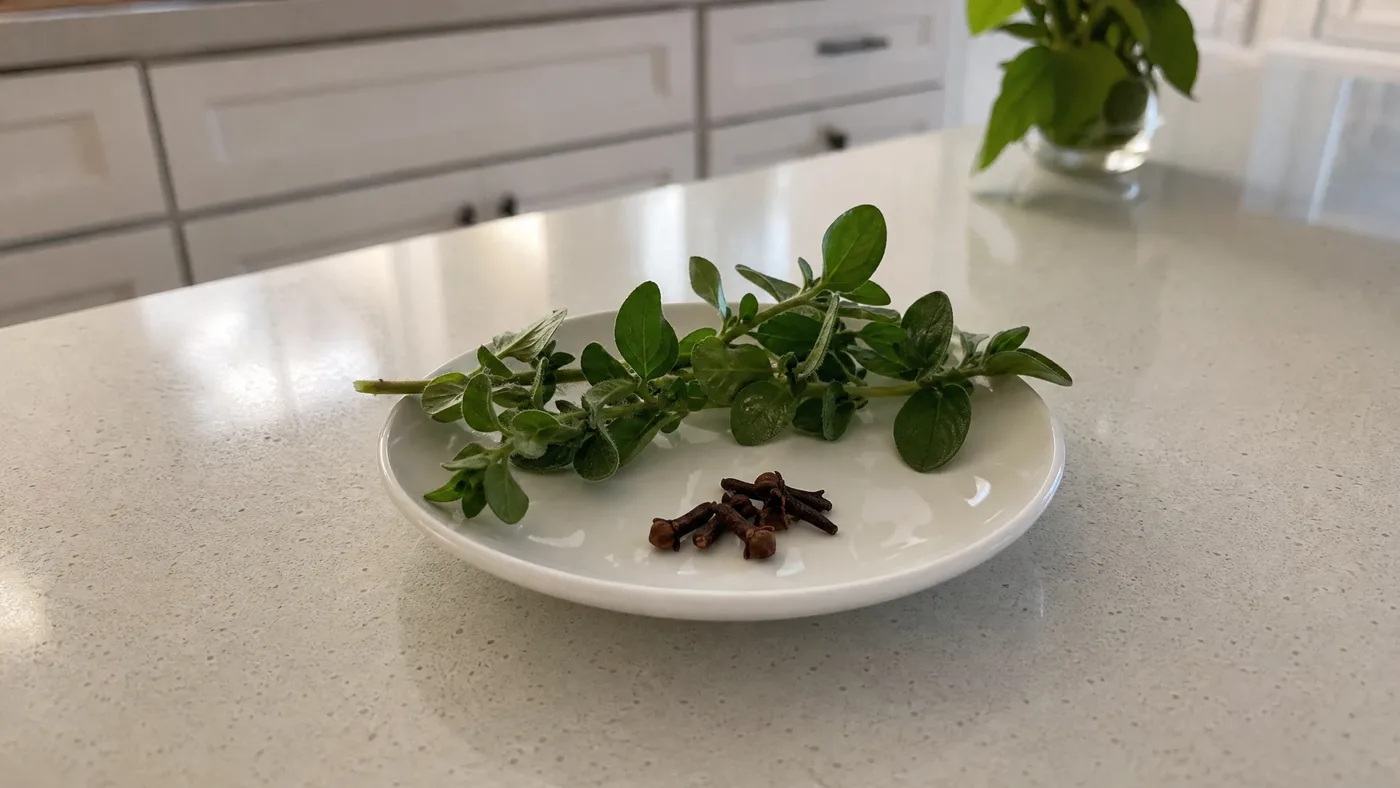
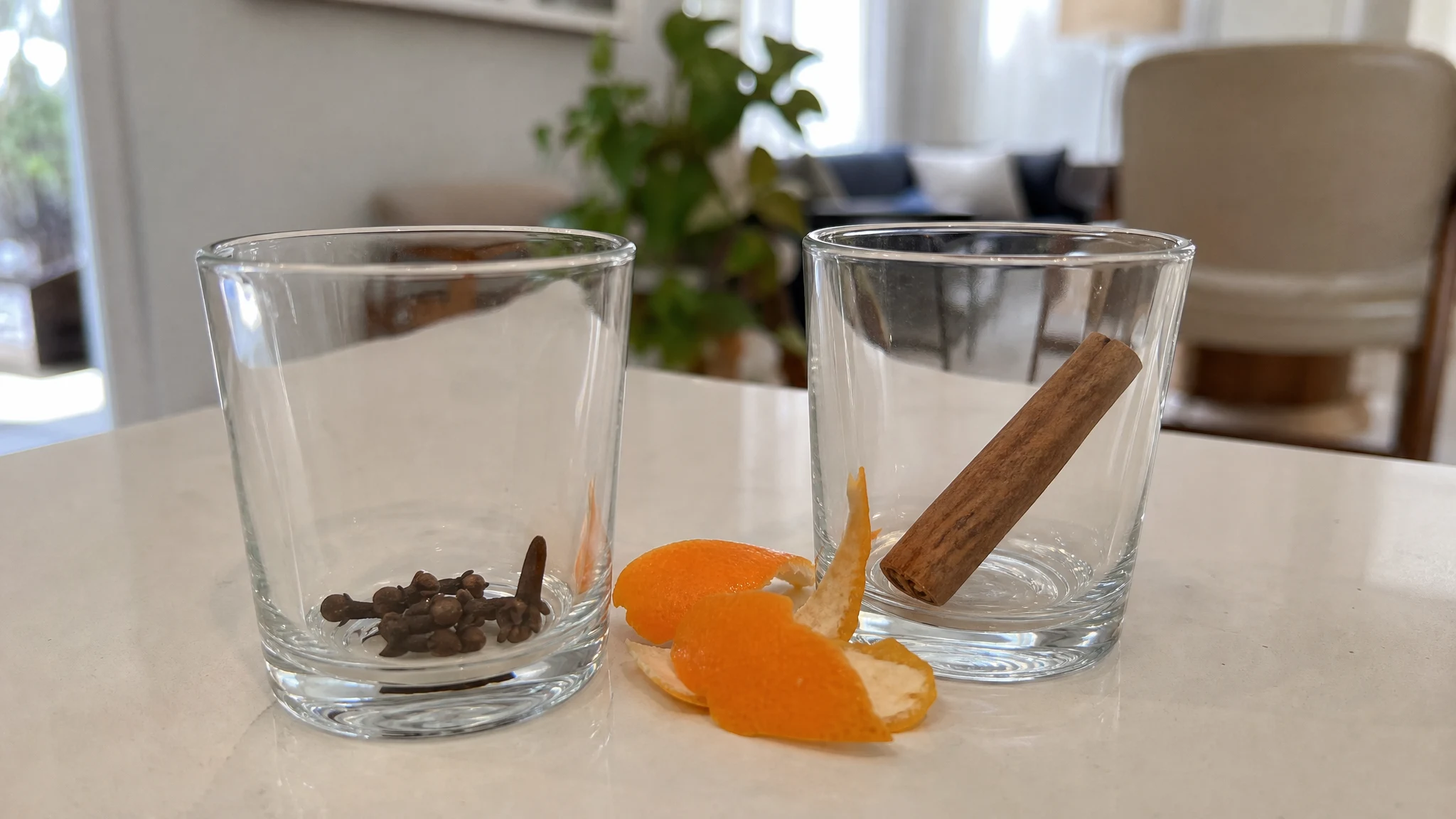
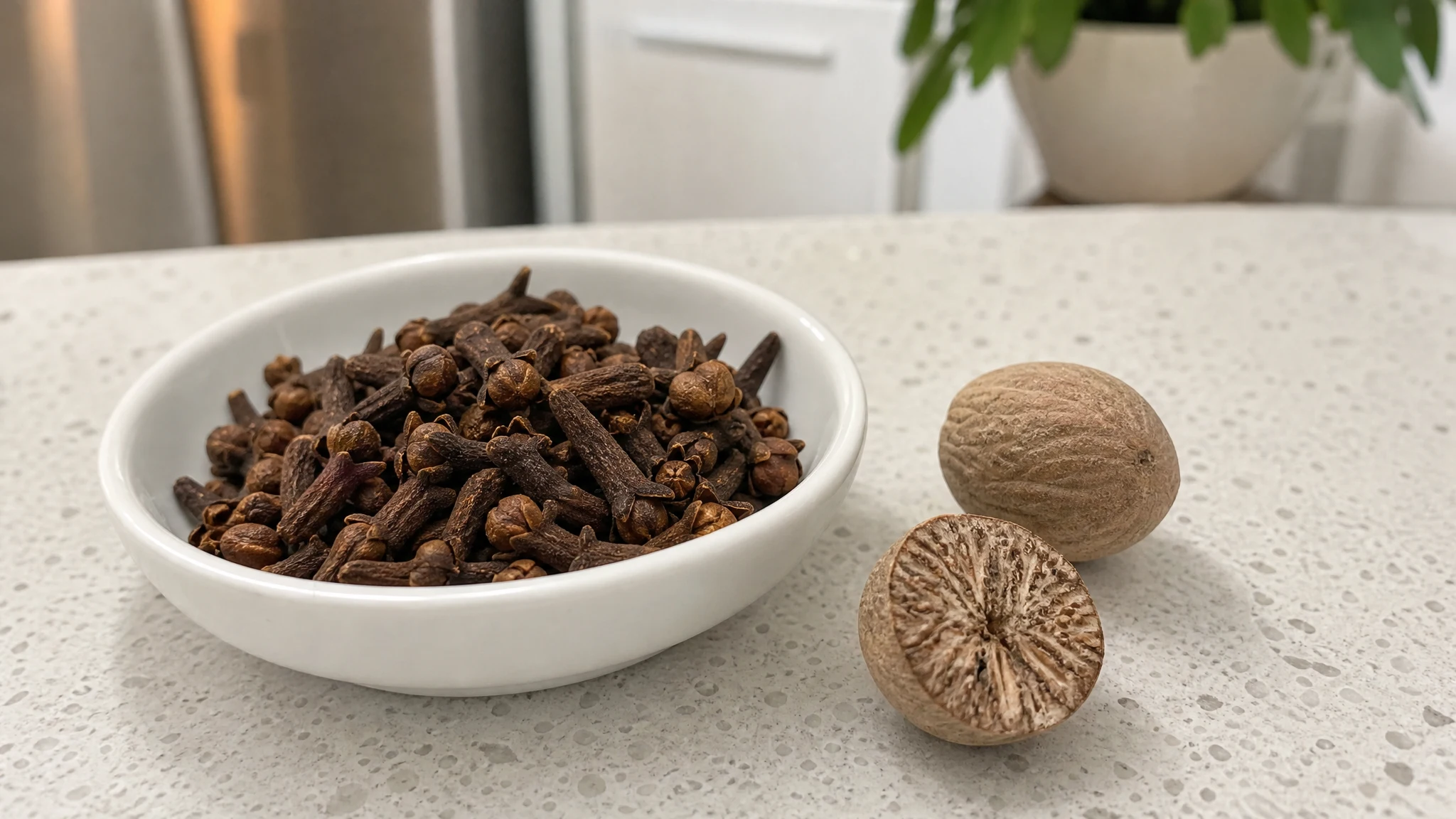
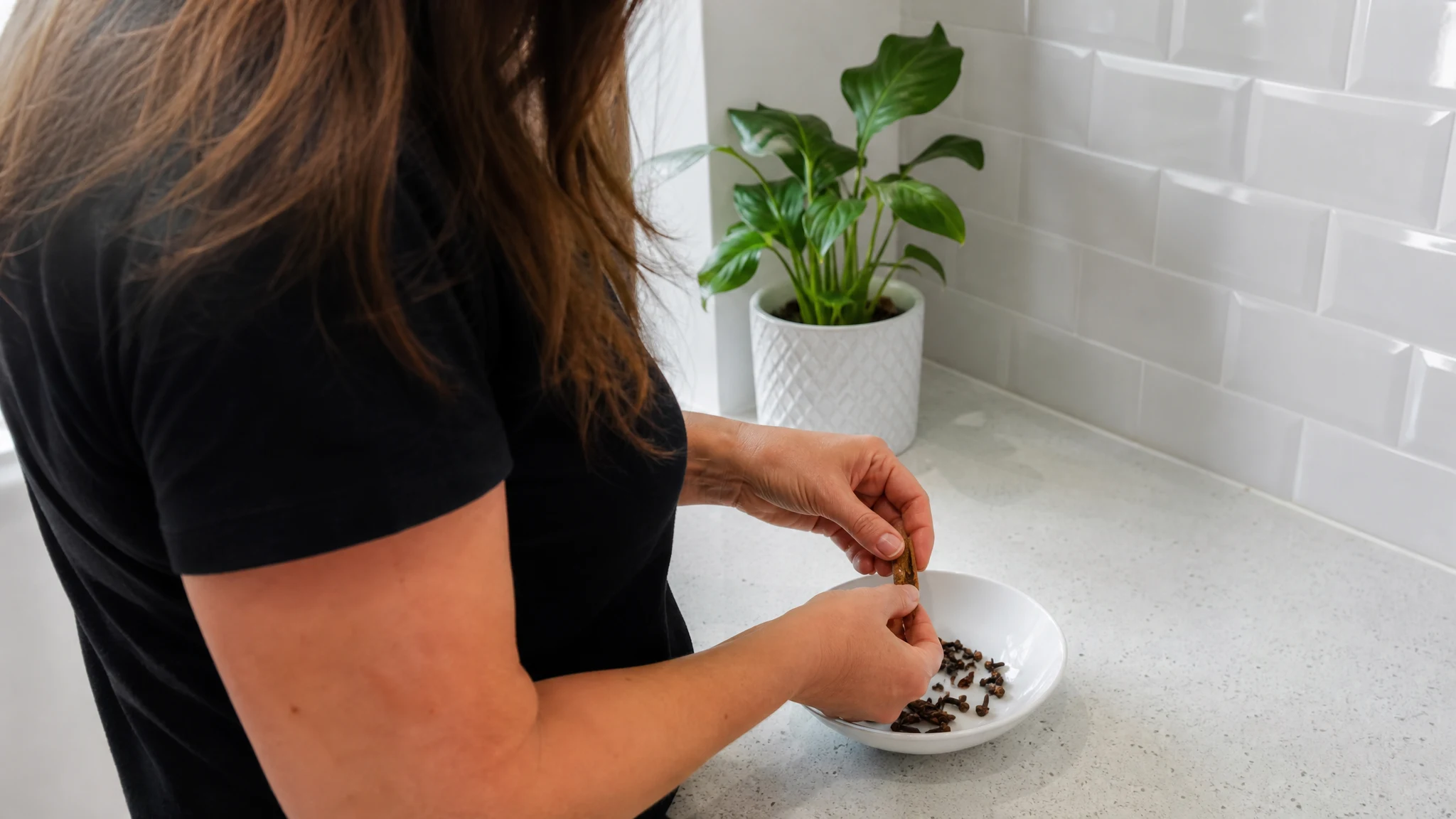
The quickest way to understand the difference is to smell two whole spices. A cinnamon stick has a sweet, bright warmth that many people call candy-like, while a whole clove smells deeper, drier and more woody. The oils exaggerate those differences, which is why we suggest sniffing a sample of anything before you build a blend around it. Hold each bottle a hand's width from your nose rather than directly under it, as both are strong.
If you like both
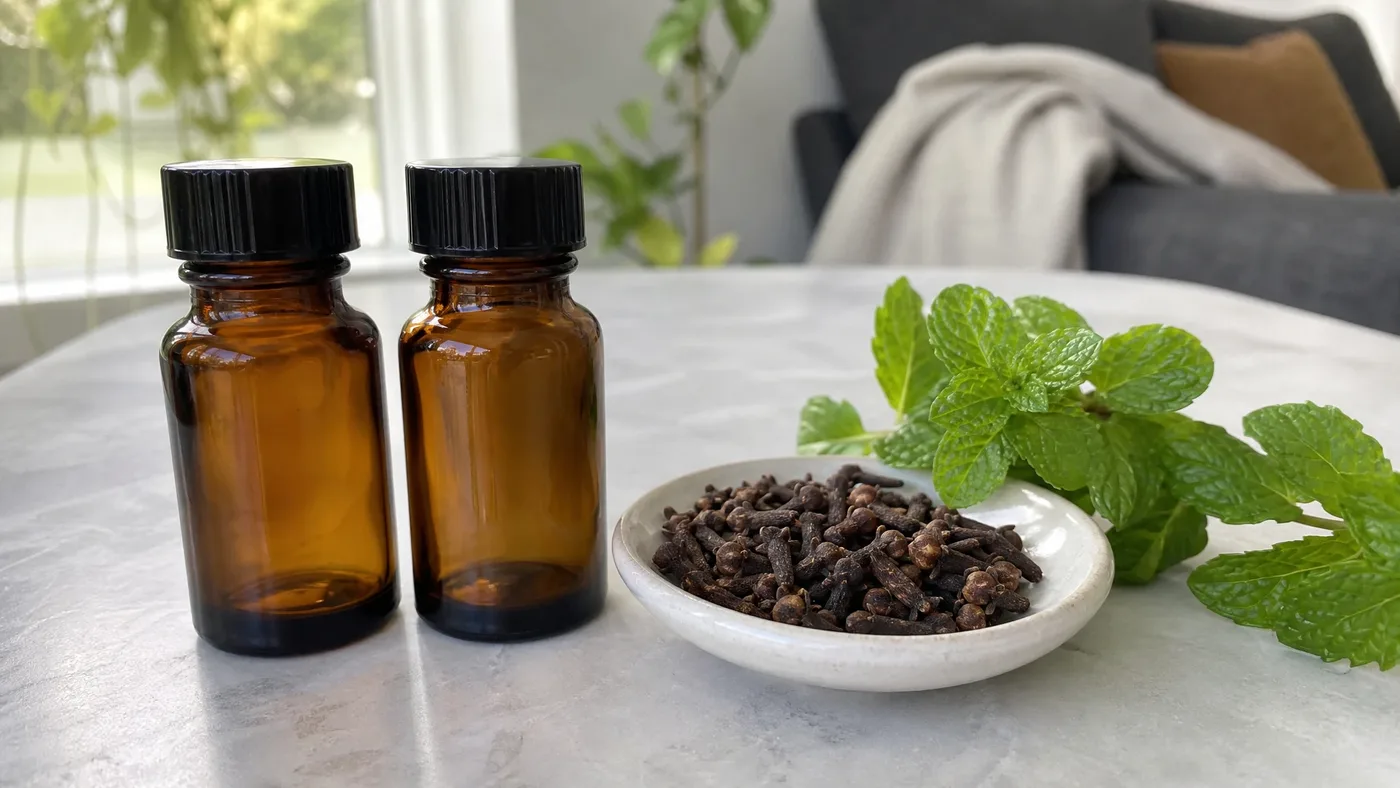
Lots of spice blends use clove and cinnamon together, and we list cinnamon among the partners for our oils. Our bud oil blends well with cinnamon, and our leaf oil with cinnamon leaf. If you combine them, think of one as the lead and the other as the accent, and start small. A blend where both shout tends to lose the nuance that made you want them in the first place.
The kitchen is a separate story
Whole cinnamon and cloves are spices; the oils are concentrated extracts with their own rules. FDA lists clove oils as flavorings at levels not exceeding good manufacturing practice (21 CFR 184.1257), but that is a rule for food manufacturers and not an invitation to drip essential oil into dinner. Our post on swallowing clove oil explains why people so often misread it.
If you want one reliable spice oil with a warm, sweet or smoky clove character, clove makes the simpler choice. If you go with cinnamon, choose a seller that names the species and plant part and can show a report for the lot. Our bud versus leaf post helps with the clove side of the decision.
Clove Essential Oil
Clove Essential Oil from our own shop, in sizes from 0.5 oz to bulk.
From $10.99
Shop Now →Sources & Further Reading
- Parichanon et al., 2025. Species-specific effects of nutmeg, cinnamon, and clove essential oils on Sitophilus oryzae. Molecules 30(17). PMC12430837
- EFSA FEEDAP Panel, 2023. Safety and efficacy of feed additives from Syzygium aromaticum. EFSA J 21(7):e08183. PMC10375362
- Tisserand Institute. Eugenol: Essential Oil Constituents in Food, Part 4. tisserandinstitute.org/learn-more/eugenol
- Tisserand Institute. How to Use Essential Oils Safely. tisserandinstitute.org/safety/safety-guidelines
- Dawson et al., 2026. Comparative analysis of test methods for predicting dermal sensitization potency in essential oils. Toxics. PMC13611667
- U.S. eCFR. 21 CFR 184.1257, Clove and its derivatives. ecfr.gov