Clove Oil in Wax Melts: A Gentle Starter Guide
A wax melt is a quieter way to scent a room than a candle, which is exactly what makes clove worth thinking about before you pour. A warmer sits at a steady heat for hours, usually with nobody watching it, so the gentle approach is to make the melt mild, keep the room airy and choose the right oil for the job.
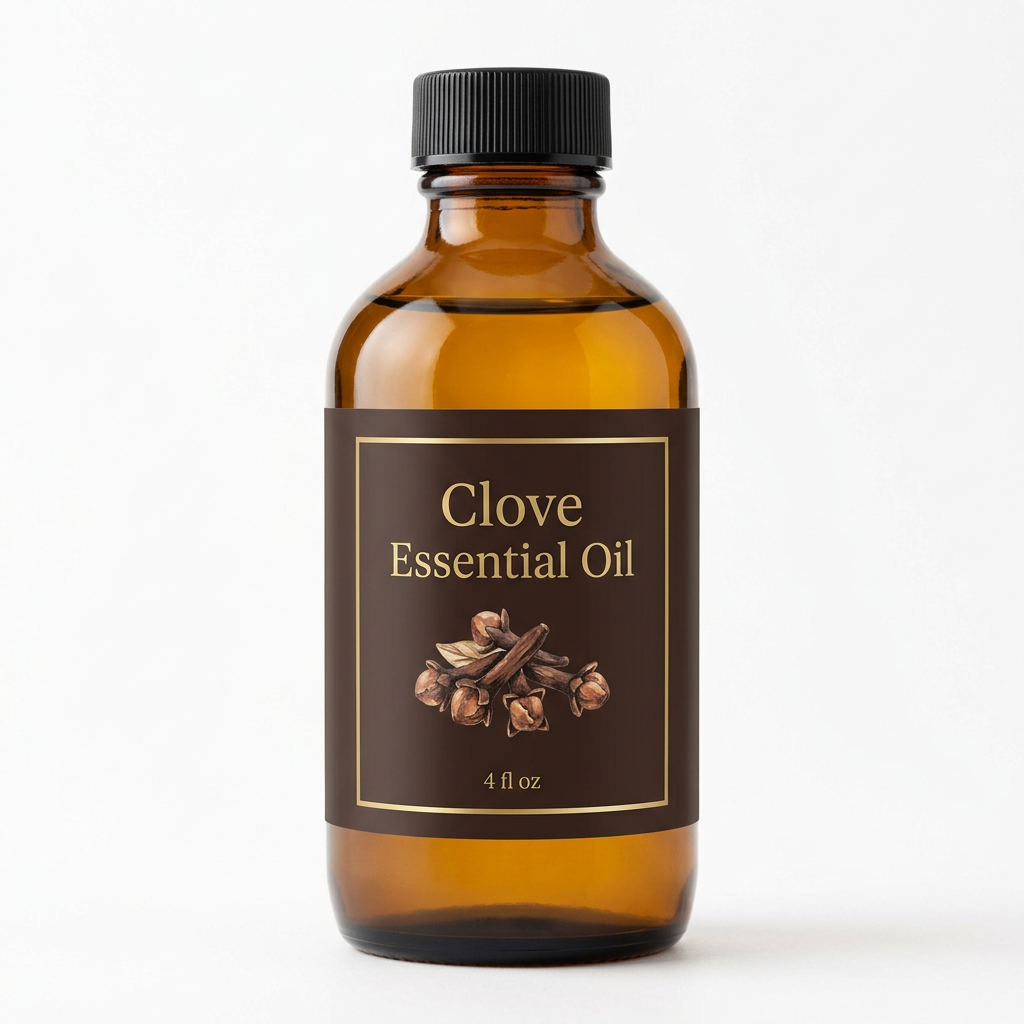
Clove Essential Oil
Our own Clove Essential Oil, in sizes from 0.5 oz to bulk.
From $10.99
Shop Now →Melt, simmer or diffuse?
Three ways of scenting a room with clove tend to get lumped together, and they suit different moods.
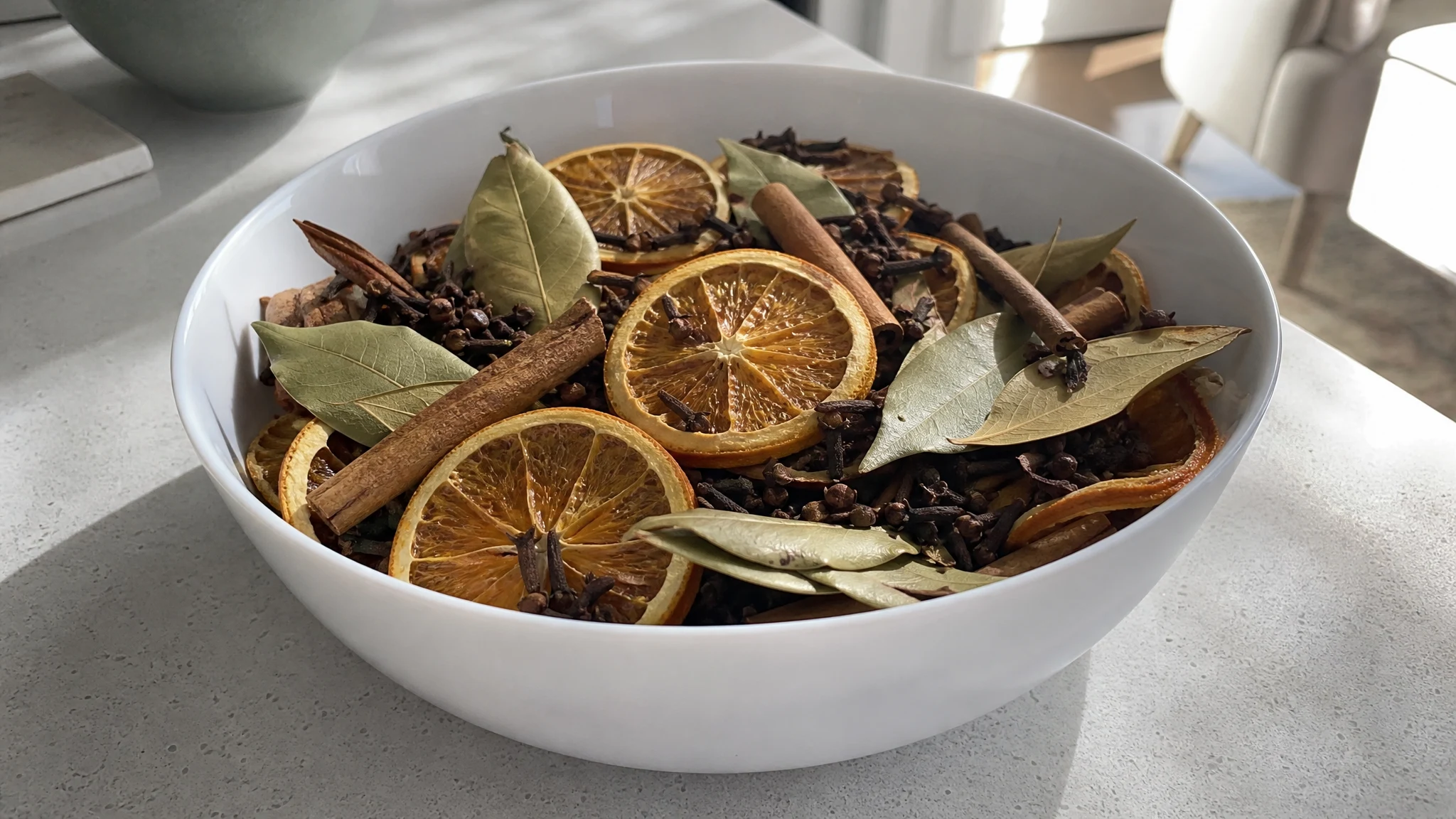
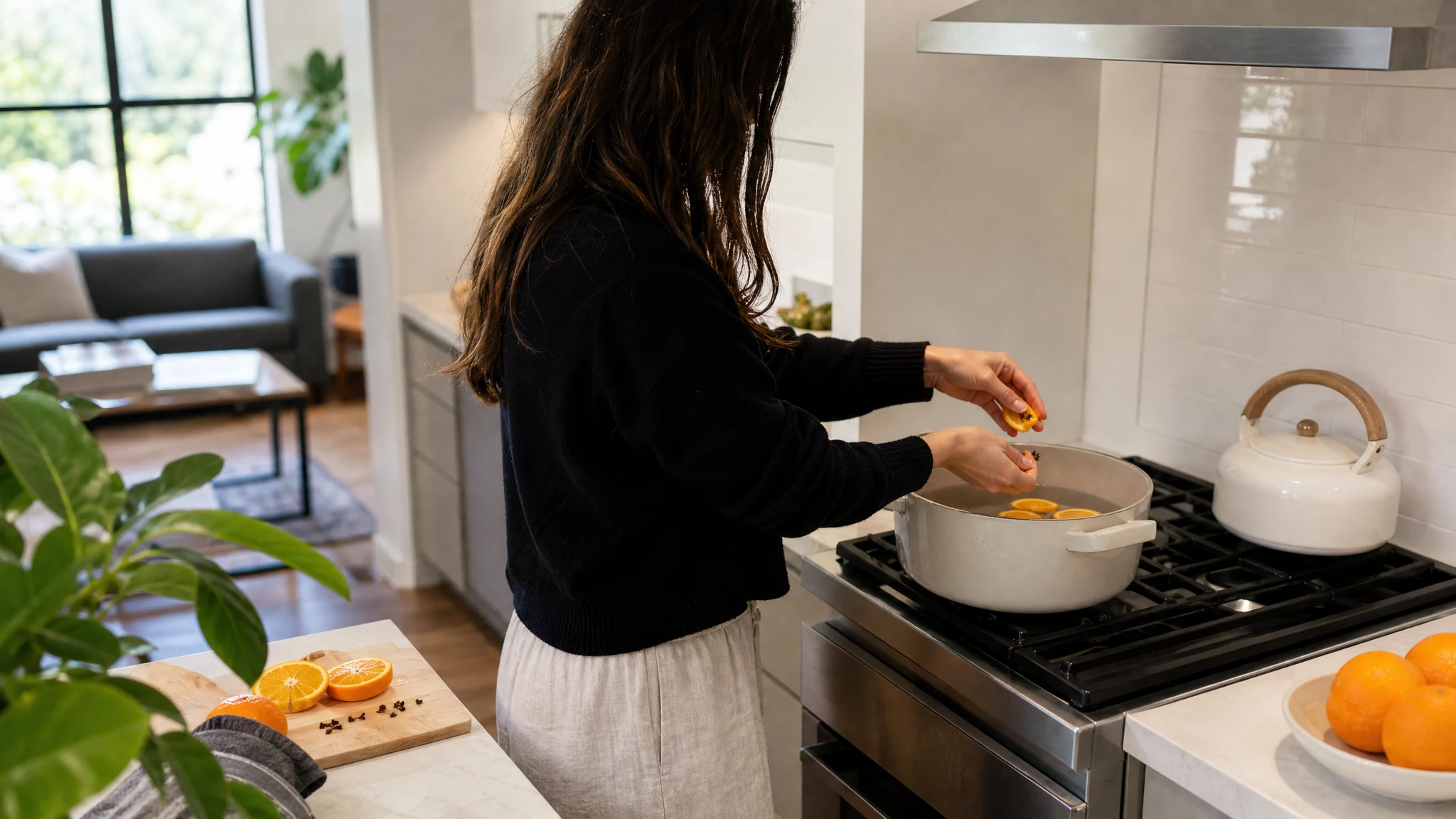
- A simmer pot is whole spices in water on the stove, for an attended afternoon. The oil is optional, and our simmer pot post has five ingredient lists.
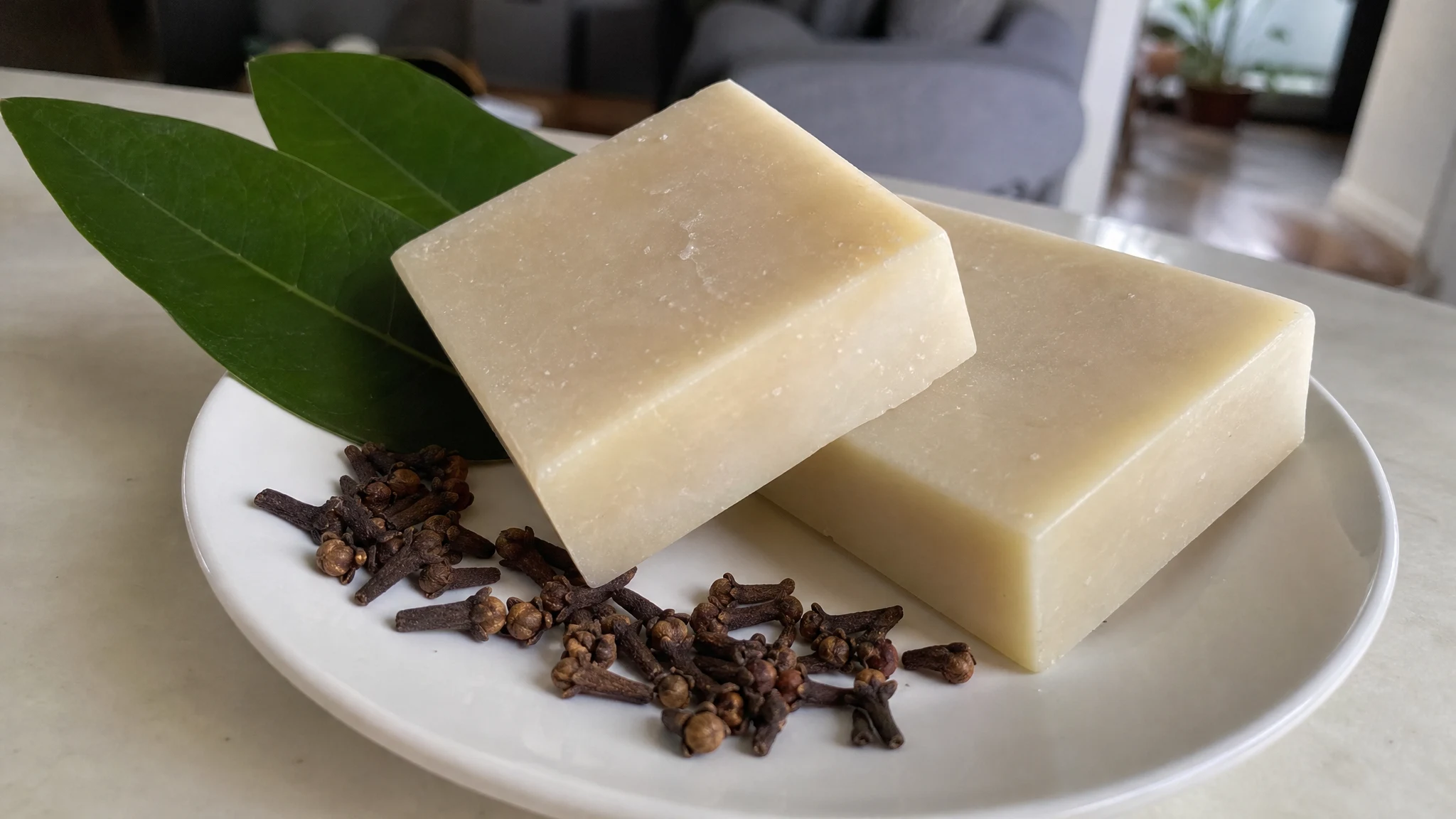
- A wax melt is a scented wax cube warmed from below, ideal for lightly scenting a small room for days.
- A diffuser disperses oil and water as a fine mist; see the diffuser post.
If you love the idea of clove drifting through a room all weekend, the melt is the one that delivers, and it is the one where a little restraint pays off most.
Why clove rewards a light touch
Most of what you smell in clove oil is eugenol. The EFSA expert panel that reviewed clove oils for animal feed recorded eugenol at 81.78 to 84.00% across seven bud oil batches and 78.68 to 86.01% across six leaf oil batches, and described both oils as irritants to skin, eyes and airways and as skin sensitisers (EFSA FEEDAP, 2023). The bud GC-MS report we publish gives 73.57%. The message is the same in every source: one compound carries the scent, and it is a strong one, so a modest dose goes a long way.
A warmer does not burn the oil, it keeps it gently warm. PubChem's eugenol record lists a boiling point of roughly 252 to 256 C and a closed-cup flash point above 100 C, far above the temperature of any wax warmer. The scent leaves the wax slowly over days, which is what makes a small amount last.
A starter formula, with the arithmetic
This is a formulation worked out from the numbers below. Your wax maker's data sheet sets the maximum fragrance load for each wax, so check it before going higher than we suggest here.
- Melt wax (soy or a blend, from a candle or soap supplier): 100 g
- Clove bud or leaf oil: 1 g, a 1% load
- Optional: a second oil from another supplier, 1 g or less
Our bud oil's certificate of analysis gives a relative density of 1.054, so 1 g of that oil is about 0.95 ml, and at the rough convention of 20 drops to the milliliter that comes to about 19 drops. A 2% load would be about 38 drops. Plenty of craft pages suggest far heavier loads, but for an oil that is mostly eugenol we would rather you start light and add a little more only if your wax allows it.
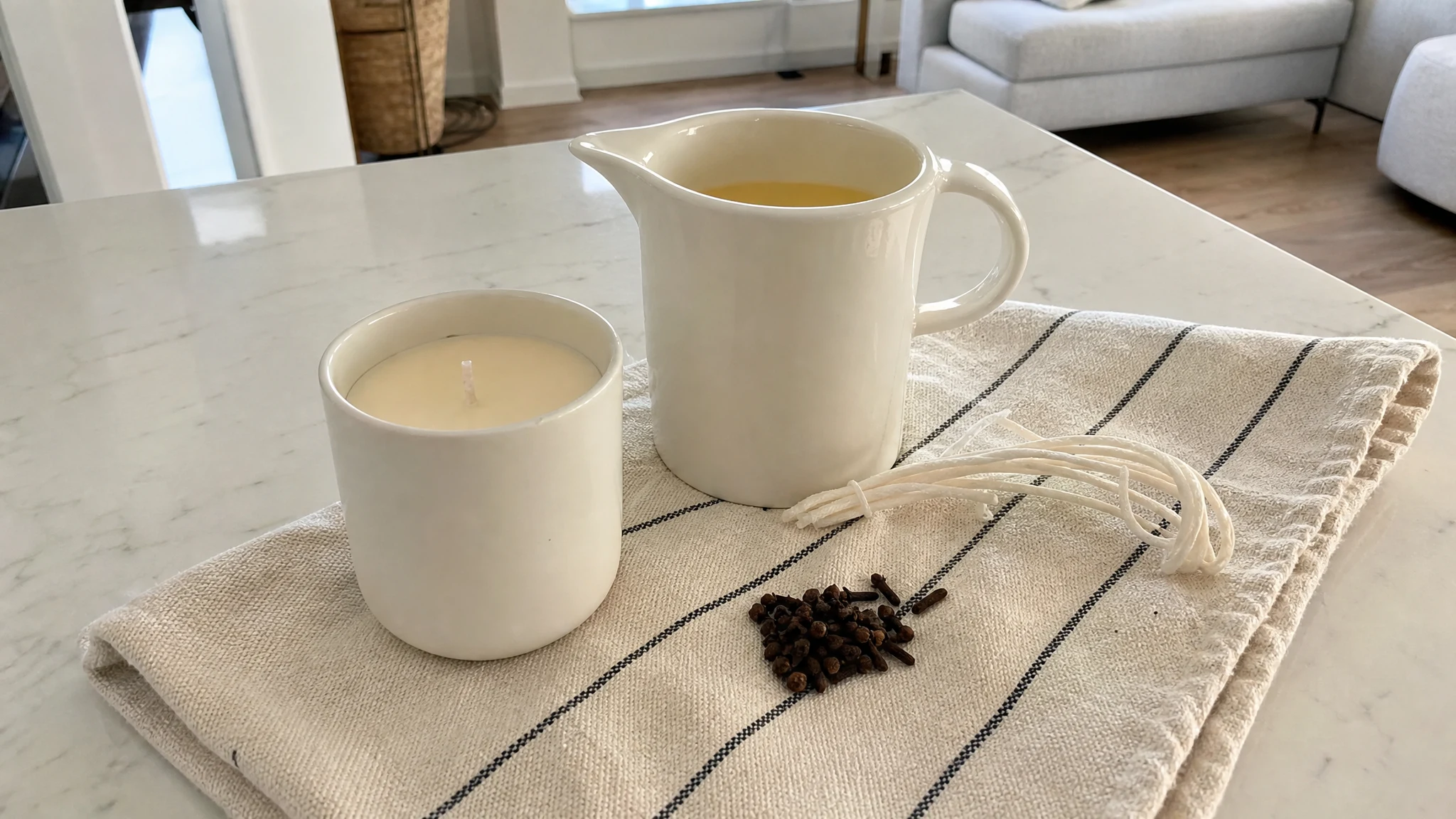
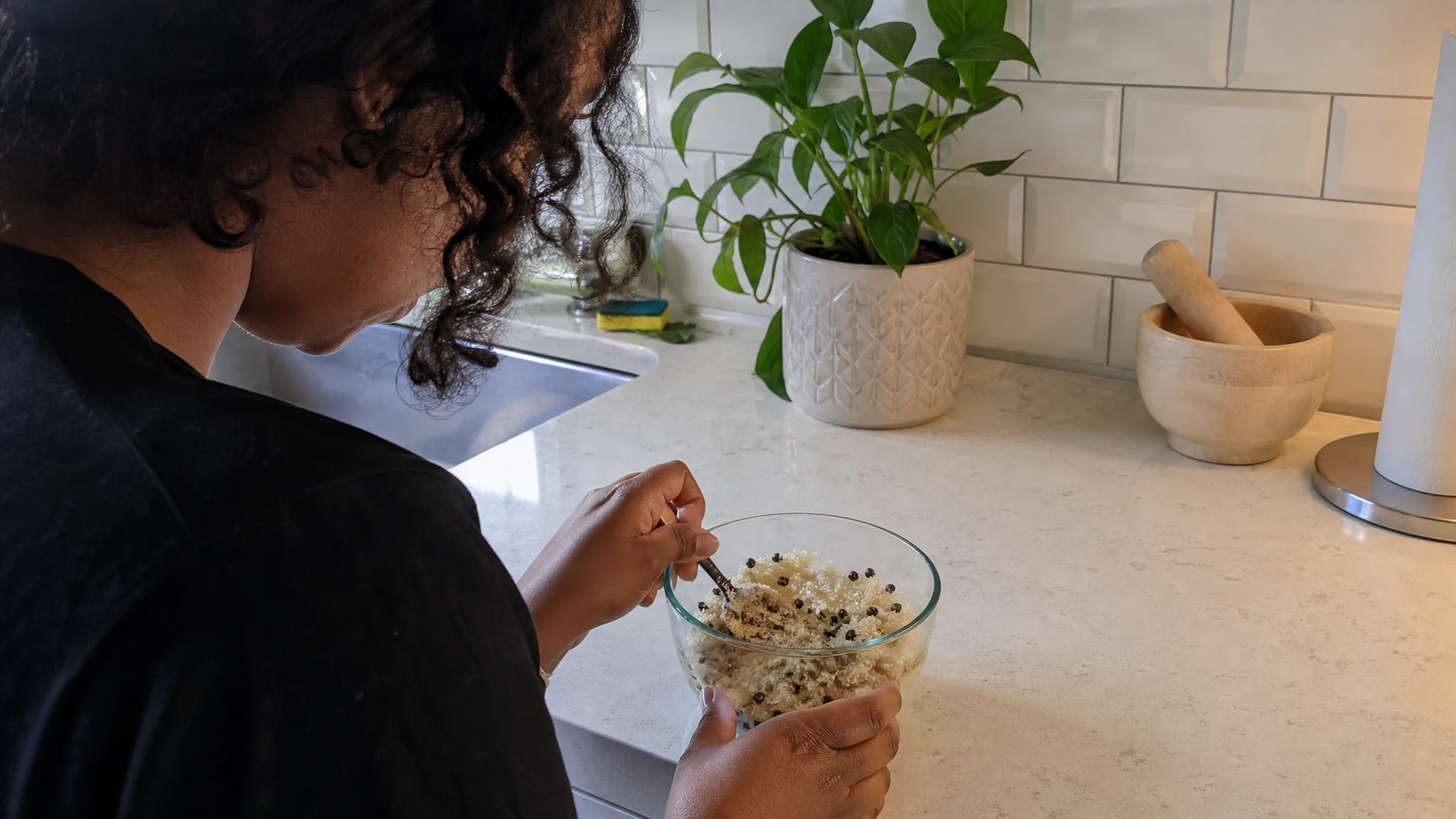
Method: melt the wax in a heatproof jug over a double boiler, take it off the heat to cool a little (your wax maker's sheet names the temperature), stir in the oil, pour into a mold and let it set fully before unmolding. Label the cubes and store them where children and pets cannot reach them, because a scented cube looks very much like candy.
Bud or leaf?
Our bud oil is warm, rich and sweetly spicy; our leaf oil is bold, smoky and drier, and it is the more economical of the two. For a first batch we would pick the bud for its sweetness, and save the leaf for a smokier, spicier melt once you know what you like. The two differ in composition too. In the same EFSA dossier, bud oil carried 7.90 to 9.09% eugenyl acetate while leaf oil carried 0.02 to 1.47%, and leaf was richer in beta-caryophyllene. Those are batch ranges from EFSA's own samples, not figures for our oils. Bud versus leaf goes through the practical difference. We sell only the two clove oils, so any wax and any second oil come from a craft or aromatherapy supplier.
Setting the scene
Put the warmer on a steady, heat-proof surface in a small room, away from curtains and the edge of a shelf. Walk in from another room after an hour and you will notice the scent more clearly than you do when you have been sitting in it all along, because your nose adjusts quickly. That fresh-from-the-hallway sniff is the best judge of whether your melt is strong enough. If it is, leave it alone.
Air, pets and who should skip it
Scented melts do put something into the air. In a test house at Purdue, Patra and colleagues (2025) ran three scented wax melt products in a warmer and measured a rise in tiny particles, which the authors tie to citrus-type terpenes reacting with ozone, at levels comparable to candles and gas stoves. They did not test toxicity, and clove was not among the products. It is a good reason to run a melt in a room with the door open or a window cracked rather than shut up all night.
- If anyone in the home has asthma or reacts to fragranced products, a melt may not be the right choice. In a survey of 1,137 US adults, Steinemann (2018) found 64.3% of those with asthma or asthma-like conditions reported adverse effects from fragranced products in general.
- If you keep cats or birds, the Pet Poison Helpline says they are at greatest risk from essential oils and lists clove among those involved.
- If you only want the scent for an evening, a simmer pot or a short spell in the diffuser is an easier commitment.
Wear gloves for the pour if spices bother your hands, and never taste the oil; our ingestion post explains why. For more ideas on where a bottle of clove can go, see twenty warm and spicy ideas.
A modest melt with the window cracked is clove at its coziest: it fills a room without ever shouting.
Clove Essential Oil
Clove Essential Oil from our own shop, in sizes from 0.5 oz to bulk.
From $10.99
Shop Now →Sources & Further Reading
- EFSA FEEDAP Panel, 2023. Safety and efficacy of feed additives consisting of essential oils derived from the flower buds or the leaves of Syzygium aromaticum (clove bud oil and clove leaf oils) for all animal species. EFSA Journal 21(7):e08183. PMC10375362
- PubChem. Eugenol, CID 3314. pubchem.ncbi.nlm.nih.gov/compound/3314
- Patra SS et al., 2025. Flame-Free Candles Are Not Pollution-Free: Scented Wax Melts as a Significant Source of Atmospheric Nanoparticles. Environmental Science & Technology Letters 12(2):175-182. PMC11823451
- Steinemann A, 2018. Fragranced consumer products: effects on asthmatics. Air Quality, Atmosphere & Health 11:3-9. PubMed 29391919
- Pet Poison Helpline. Essential oils. petpoisonhelpline.com