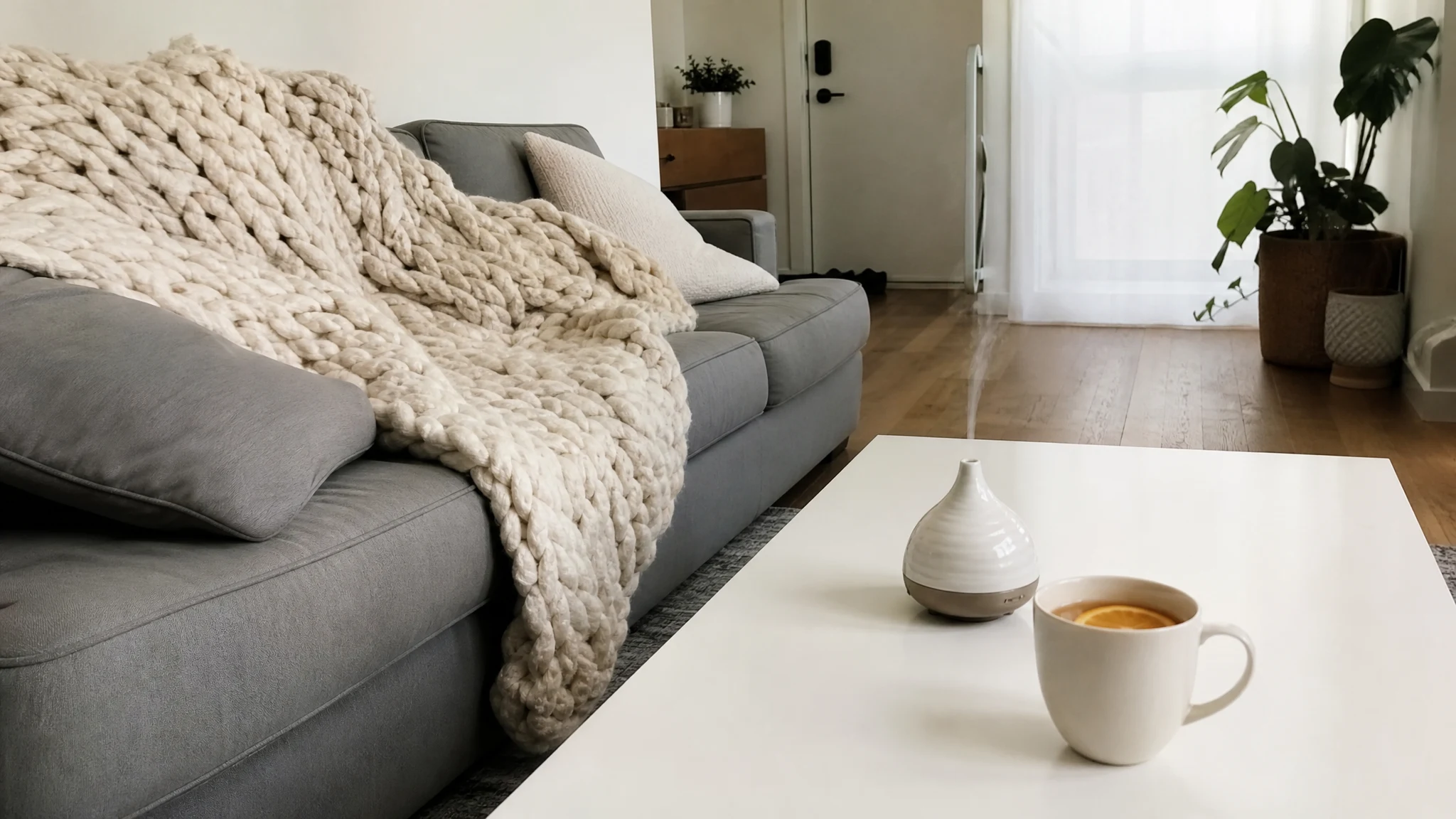
Winter Clove Diffuser Blends for Every Room
Mulled cider smells like apples, peel, cinnamon and clove all at once, and a diffuser can only manage the last three. That is fine. The apple belongs in a pot on the stove, and the spice and peel are exactly what a handful of oils do well. Here are three winter blends for three parts of the house, each placing the clove where it will last the evening without taking over.
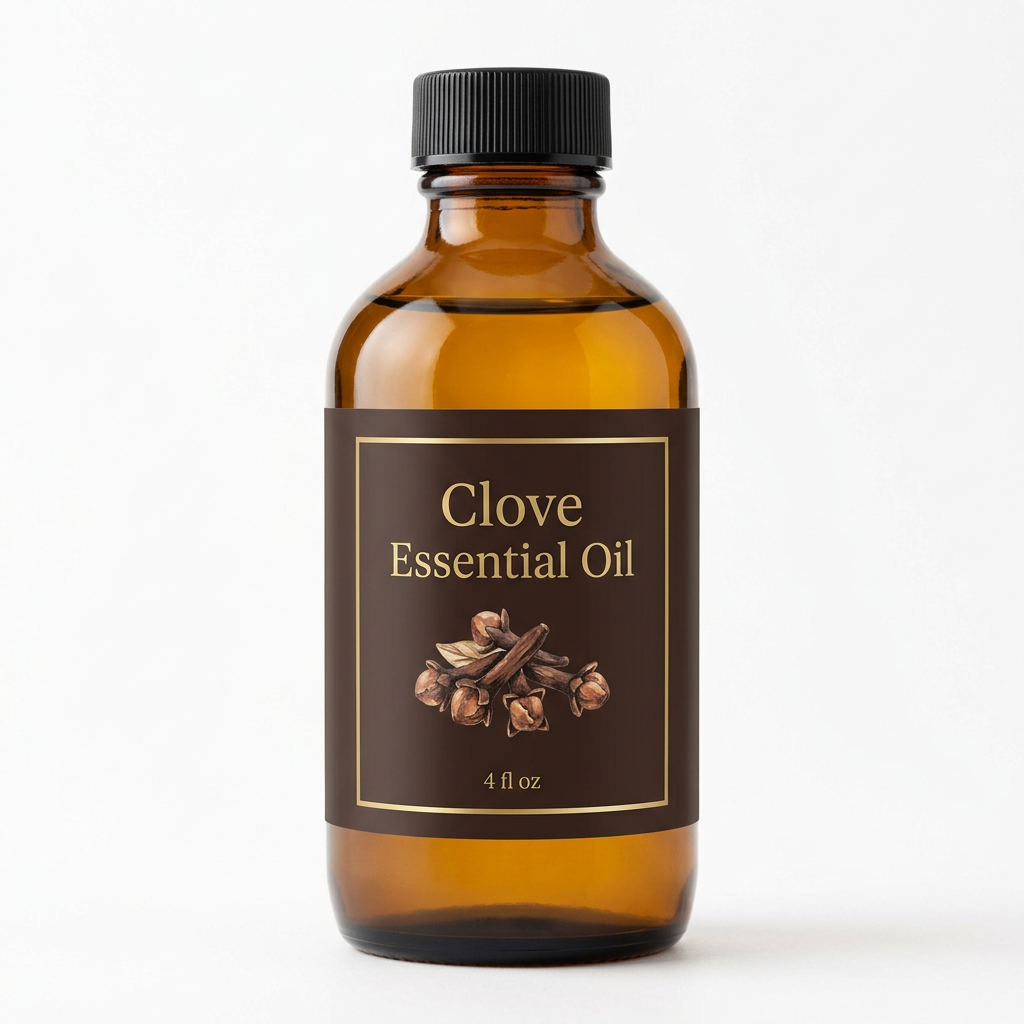
Clove Essential Oil
Our own Clove Essential Oil, in sizes from 0.5 oz to bulk.
From $10.99
Shop Now →What a diffuser can borrow from the cider pot
The apple comes from apples, which is why one of our simmer pot recipes exists. What a diffuser supplies is the spice and peel side: sweet orange, cinnamon leaf and clove. We list orange and cinnamon among the partners for our bud oil, and sweet orange and cinnamon leaf for our leaf oil, and one of the aroma words we use for the bud is "mulled cider." The diffuser post already has a cider formula, so the three below change which oil carries the room.
A cold evening is a good time to plan. Before you reach for a bottle, stand in the room and ask what it is for. A hall is somewhere to pass through, a dining room is somewhere to sit and eat, and a living room is where people linger. The scent should match the stay.
Clove and cinnamon leaf count together
Both oils are rich in eugenol. The GC-MS report for our bud oil lists it at 73.57% by area, and the Tisserand Institute's eugenol page lists topical maximums of 0.5% for clove bud and 0.6% for cinnamon leaf side by side for that reason. Those are skin figures. For a diffuser we keep to a simple habit of our own: in a 100 ml reservoir, one drop of clove and no more than one of cinnamon leaf, within 3 to 5 drops in total. A cider blend that wants more spice should borrow it from a different partner rather than a second clove drop.
Why cider blends turn into clove blends
On the paper-strip scale in Zarzo (2012), a score under 15 is a top note, 15 to 60 a middle note, and over 60 a base note. Florida orange oil scores 11, clove bud and cinnamon leaf oils both 22, and patchouli oil 100. Strips are not diffusers, but if the pattern carries over, the orange leaves first, the clove and cinnamon go together, and what is left is two eugenol-rich oils. A single base-class oil keeps the end of the evening interesting.
The hall: orange and clove, nothing else
Per 100 ml reservoir: sweet orange 3, clove bud 1.
People pass through a hall in a minute, so two oils are plenty. The orange gives the peel, the clove gives the spice, and the cinnamon waits in the cupboard for the room where people actually sit. Put the diffuser away from any bird or cat. Pet Poison Helpline says that cats and birds are at greatest risk from essential oils, and it lists clove.
The dining room: mulled wine, not cider
Per 100 ml reservoir: sweet orange 2, cinnamon leaf 1, clove leaf 1.
This one is drier and a little smoky, closer to mulled wine than to cider. We describe our leaf oil as bold, smoky and earthy-spicy, and drier than the bud. Keep the orange at two so the room does not tip into candy. Switch the diffuser on half an hour before guests sit down and off when they do, because the table should smell like the food.
The living room: give the blend a back half
Per 100 ml reservoir: sweet orange 2, patchouli 1, cinnamon leaf 1, clove bud 1.
This is the fullest of the three. The patchouli is what you will still smell once the orange has gone and the two spices have thinned. Run one thirty-minute interval, then wait before deciding on a second. If anyone in the room has asthma, ask them first: in a 2018 survey of 1,137 US adults, 64.3% of those with asthma reported adverse effects from fragranced products, though the survey was about scented products in general rather than clove.
One room at a time
| Where | Drops per 100 ml | Spice drops |
|---|---|---|
| Hall | orange 3, clove bud 1 | 1 |
| Dining room | orange 2, cinnamon leaf 1, clove leaf 1 | 2 |
| Living room | orange 2, patchouli 1, cinnamon leaf 1, clove bud 1 | 2 |
Three diffusers running at once puts three times as many drops in the air of the house, so move one diffuser through the day or run the hall blend in the morning and the living-room blend in the evening. Pour out and rinse a reservoir between blends, as the maker advises, rather than topping one up with another. Our blending guide has more of the drop arithmetic.
One more tip: write the blend on a small card and tuck it beside the diffuser. In a week you will have forgotten whether it was two drops of orange or three, and a card saves you guessing at the bottle.
Keep them in the air
These blends are for diffusing only. Stay with cinnamon leaf rather than bark for a stronger cider, since the Tisserand Institute's safety guidelines note that lemongrass, clove and cinnamon bark are more likely to cause skin reactions than other essential oils. For handling, storage and pets, see our safety basics. Orange, cinnamon leaf and patchouli come from an essential oil supplier, since clove is the only oil in these blends we sell, so check each bottle's botanical name and safety notes. Keep everything away from eyes, children and pets, and store the bottles cool and dark.
Clove Essential Oil
Clove Essential Oil from our own shop, in sizes from 0.5 oz to bulk.
From $10.99
Shop Now →Sources & Further Reading
- Tisserand Institute (R. Tisserand), Eugenol: Essential Oil Constituents in Food Part 4. tisserandinstitute.org/learn-more/eugenol
- Tisserand Institute, How to Use Essential Oils Safely. tisserandinstitute.org/safety/safety-guidelines
- Zarzo, M., 2012. What is a fresh scent in perfumery? Sensors 12. PMC3574685
- Steinemann, A., 2018. Fragranced consumer products: effects on asthmatics. Air Quality, Atmosphere & Health 11. pubmed.ncbi.nlm.nih.gov/29391919
- Pet Poison Helpline, Essential oils. petpoisonhelpline.com