Clove History: From the Maluku Islands to Your Spice Rack
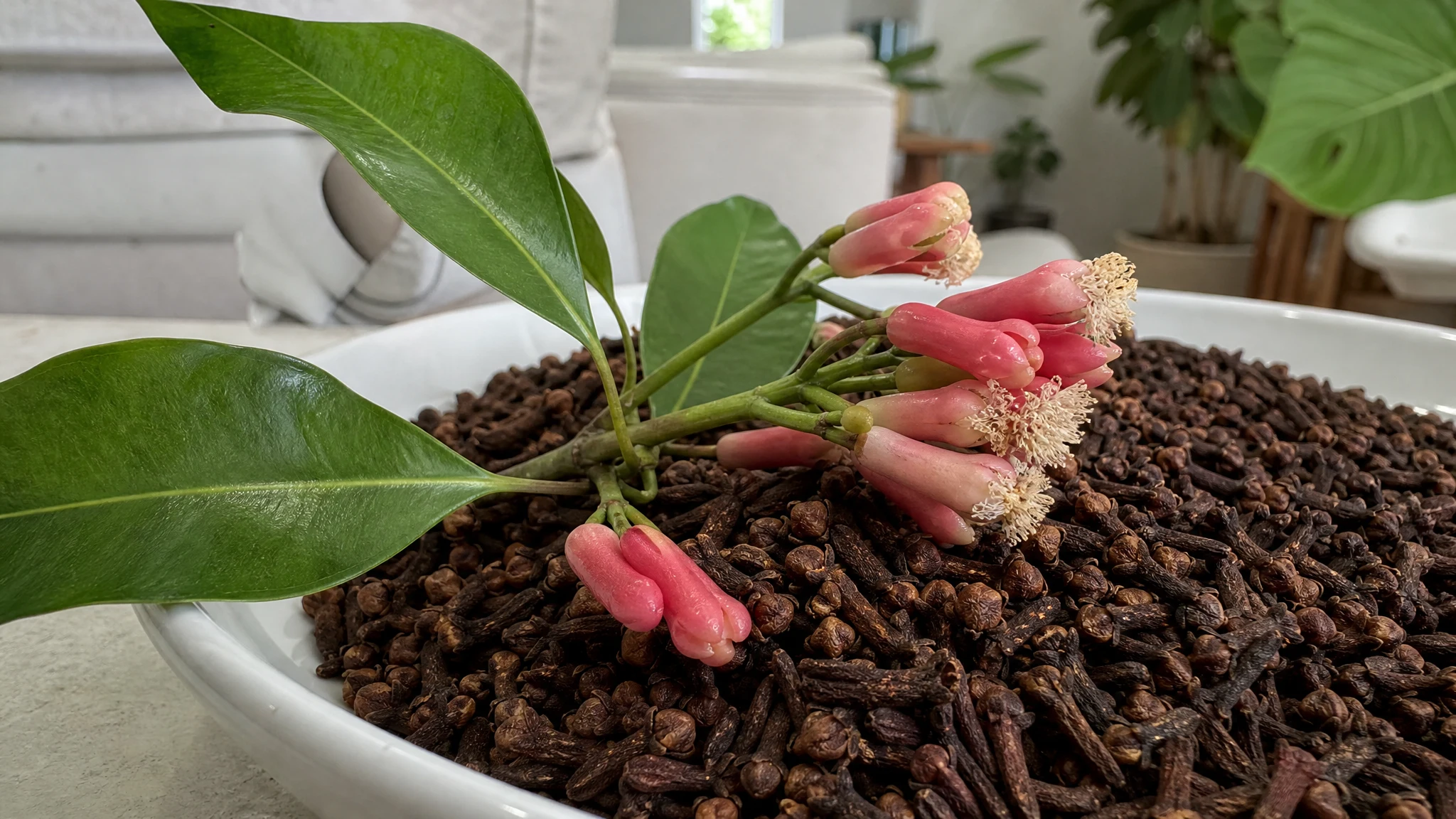
A clove is a flower bud the size of a small nail, picked before it opens, and for a good part of history it came from a handful of islands most of its buyers never saw. Its journey to the world's kitchens, perfumers' benches and spice shelves is a good story, and the best parts are the ones you can trace to a page.
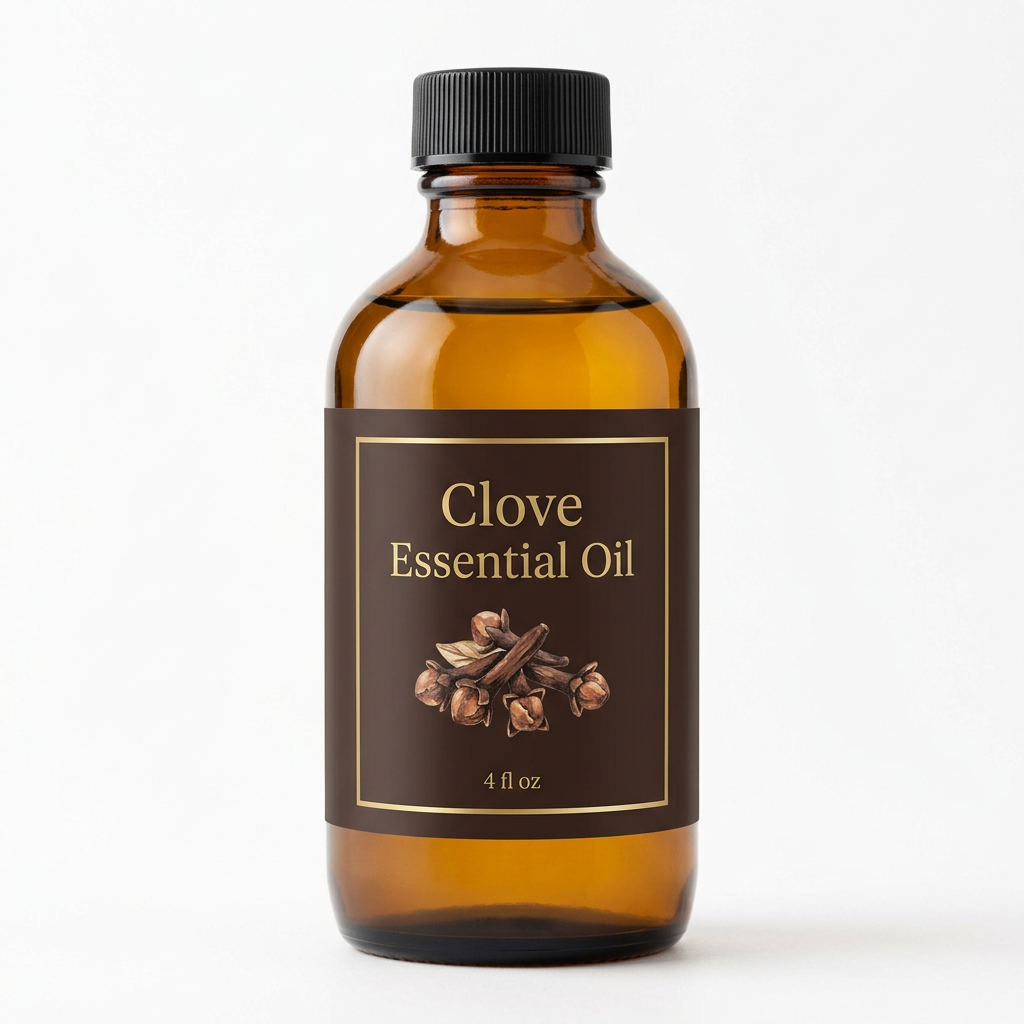
Clove Essential Oil
Our own Clove Essential Oil, in sizes from 0.5 oz to bulk.
From $10.99
Shop Now →A bud that looks like a nail
The clove tree comes from the Maluku Islands, the "Spice Islands" of eastern Indonesia, as Kamatou and colleagues note in their review of eugenol. Isabella Beeton, writing in her Victorian Book of Household Management, calls it a native of the Molucca Islands, "particularly Amboyna," and points out that the English word comes from the Latin clavus or French clou, both meaning a nail. The name is about the shape long before it is about the flavor.
The long road west
In his account of Zanzibar's clove story for Saudi Aramco World, Charles Cecil sketches the chain. The Chinese were using cloves about 2,500 years ago, obtaining them from the Indonesian archipelago. By the fourth century CE, Indian and Arab traders had carried them to the Mediterranean. By the thirteenth century, Venetian merchants were Europe's main suppliers, buying through Alexandria. Each hand the bud passed through added distance and mystique, which helps explain why a small dried flower once felt like treasure.
Trying to hold the trees in one place
Where there is a valuable crop, someone eventually tries to control it. According to Beeton, when the Dutch took possession of the Spice Islands they tried to confine clove growing to Amboyna and "bribed the surrounding chiefs to cut down all trees found elsewhere." It is a vivid detail, and the sensible way to read it is as an effort rather than a complete success: trees are hard to police, and the story that follows is largely one of cloves escaping.
Trees on the move
By Beeton's day, cloves reached Britain from a surprisingly wide scatter of places: Mauritius, Bourbon, Cayenne, Martinique, St. Kitts, St. Vincent and Trinidad. Cecil adds the East African chapter. Cloves reached Zanzibar from Madagascar early in the nineteenth century, and by 1850 Zanzibar and Pemba were the largest producers in the world. Today, he notes, the two islands account for around 8% of world production, a distant third behind Indonesia and Madagascar. The full sequel is in our post on Zanzibar and the clove, and today's growing regions are compared in where cloves grow.
From bud to oil
By 1861, Beeton could report that the clove "contains about 20 per cent. of volatile aromatic oil, to which it owes its peculiar pungent flavour." That is a nineteenth-century household-manual figure, so we would not use it to predict how much oil a modern distiller gets, but it shows that people knew by then where the flavor lived. Today that oil is separated by steam distillation, the story told in how clove oil is made. Our bud oil is steam-distilled from the dried flower buds and comes from Indonesia, the place where the story started, and we sell clove leaf oil alongside it for those who prefer a bolder, smokier spice.
A history you can hold
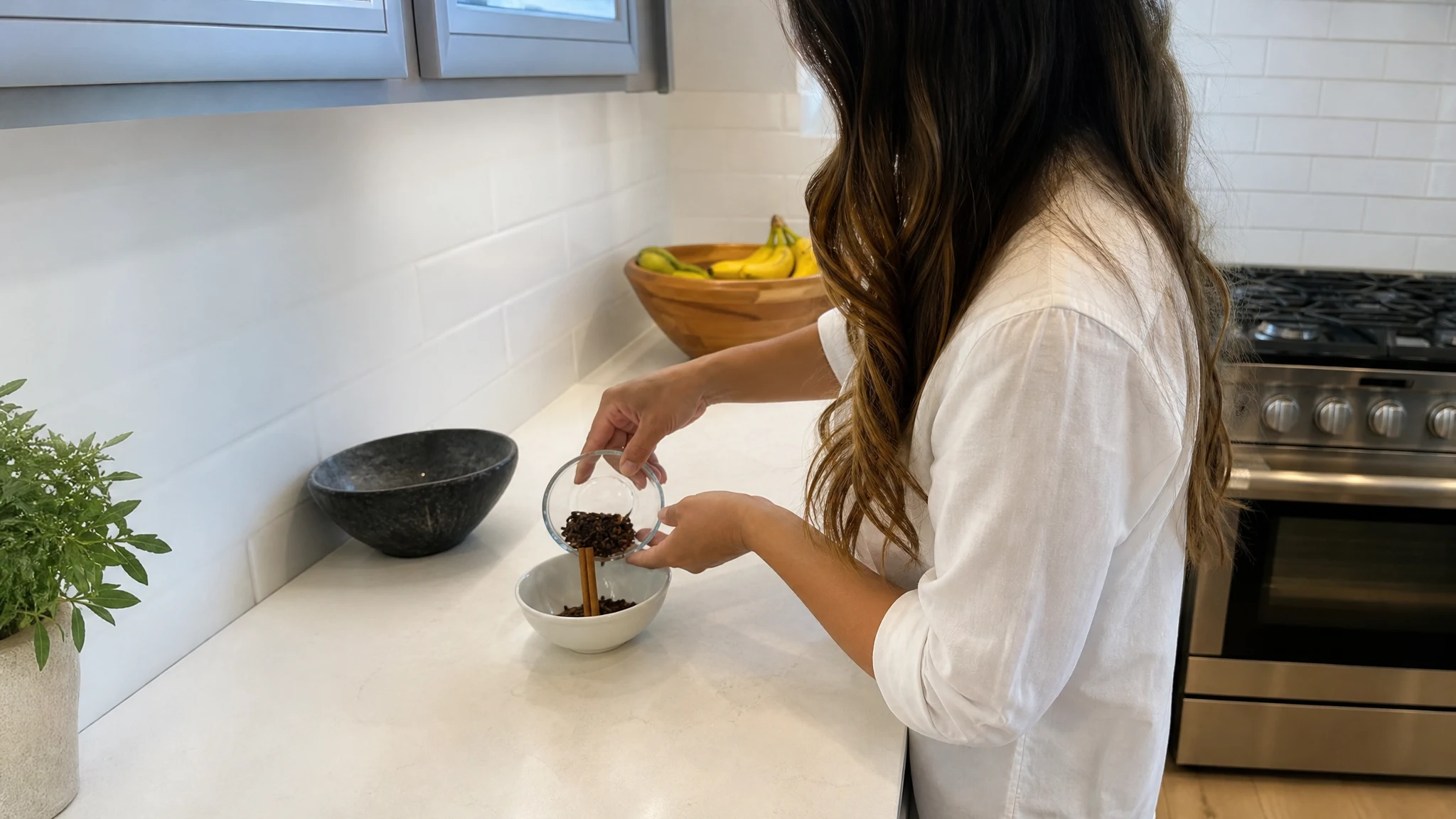
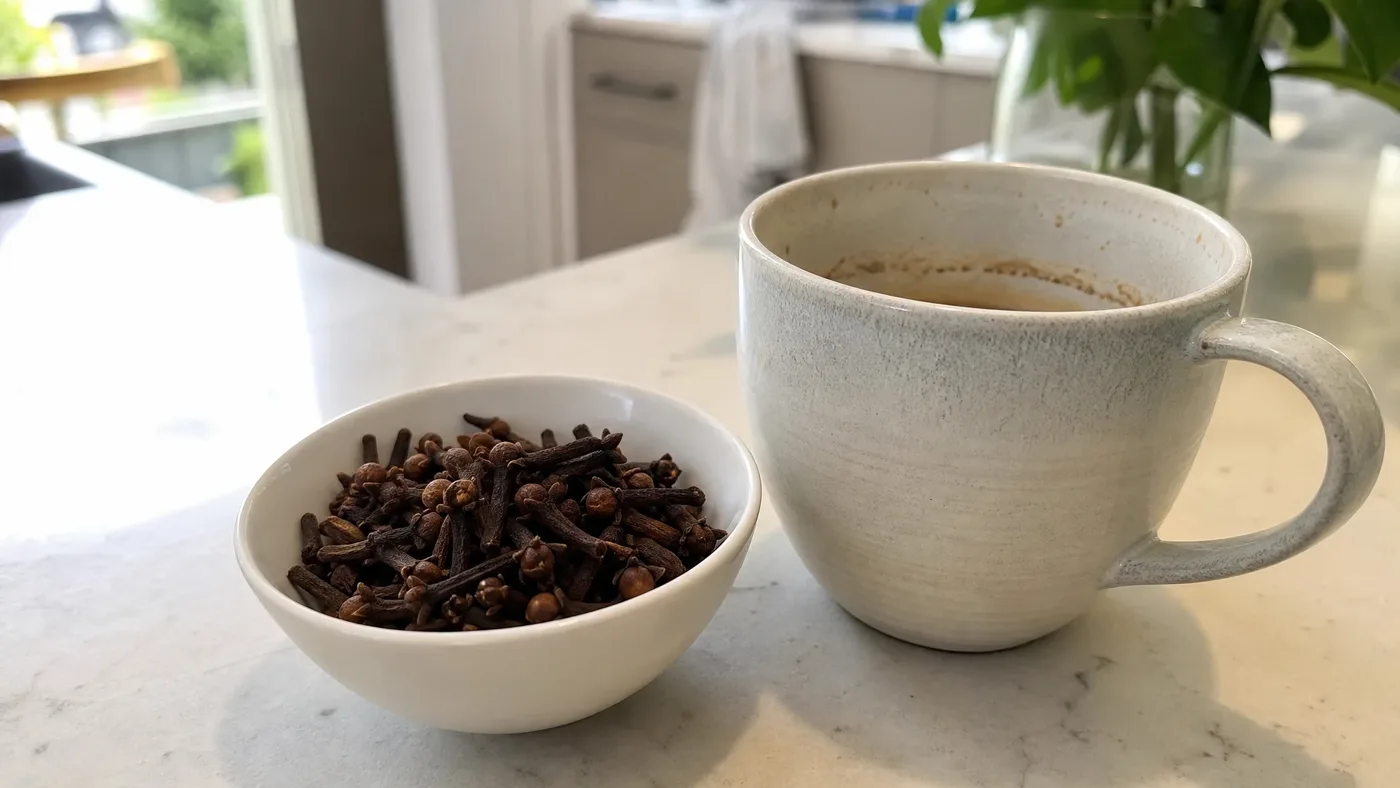
One of the nicest things about this story is that you can hold the main character. Shake a few whole cloves into your palm and look at them: dark, dry, nail-shaped, each with a tiny crown on top. Smell them, and you are breathing in something people crossed oceans to carry. It is an easy way to make a long, dusty chapter of history feel immediate.
If you like maps, try finding the places on one: the Maluku Islands in eastern Indonesia, Alexandria on the Egyptian coast, Zanzibar and Pemba off East Africa, and Madagascar. Trace the route with your finger and the story of a spice moving halfway around the world makes more sense than it does in a paragraph.
Why we enjoy the history, and what it cannot tell you
History tells you that cloves were a long-distance commodity for well over two thousand years, that supply was concentrated, broken up and moved around several times, and that the growers have changed. What it cannot do is rank today's bottles. A good origin story is a pleasure, but the way to judge an oil is from a report on the oil itself, which is why we like to point readers toward reading a GC-MS report.
The same love of a good story is behind our post on clove customs, and the best-loved clove tradition of all, the clove-studded orange, has its own history in the pomander story.
Next time you press a clove into an orange, you are doing something people did with the same little bud a very long time ago.
Clove Essential Oil
Clove Essential Oil from our own shop, in sizes from 0.5 oz to bulk.
From $10.99
Shop Now →Sources & Further Reading
- Cecil C, 2011. Zanzibar: Cloves and Stone. Saudi Aramco World 62(2). archive.aramcoworld.com
- Beeton I, 1861. The Book of Household Management (Project Gutenberg eBook #10136). gutenberg.org/ebooks/10136
- Kamatou GP, Vermaak I, Viljoen AM, 2012. Eugenol: from the remote Maluku Islands to the international market place. Molecules 17(6):6953. PMC6268661