What Is Clove Oil? Bud vs Leaf Explained
Ask for "clove oil" and you have asked for one of several different oils, all from the same tree, Syzygium aromaticum. They share a family resemblance, a warm, spicy sweetness you would know anywhere, but they are not interchangeable, and the first useful thing to know about clove oil is which part of the tree it came from.
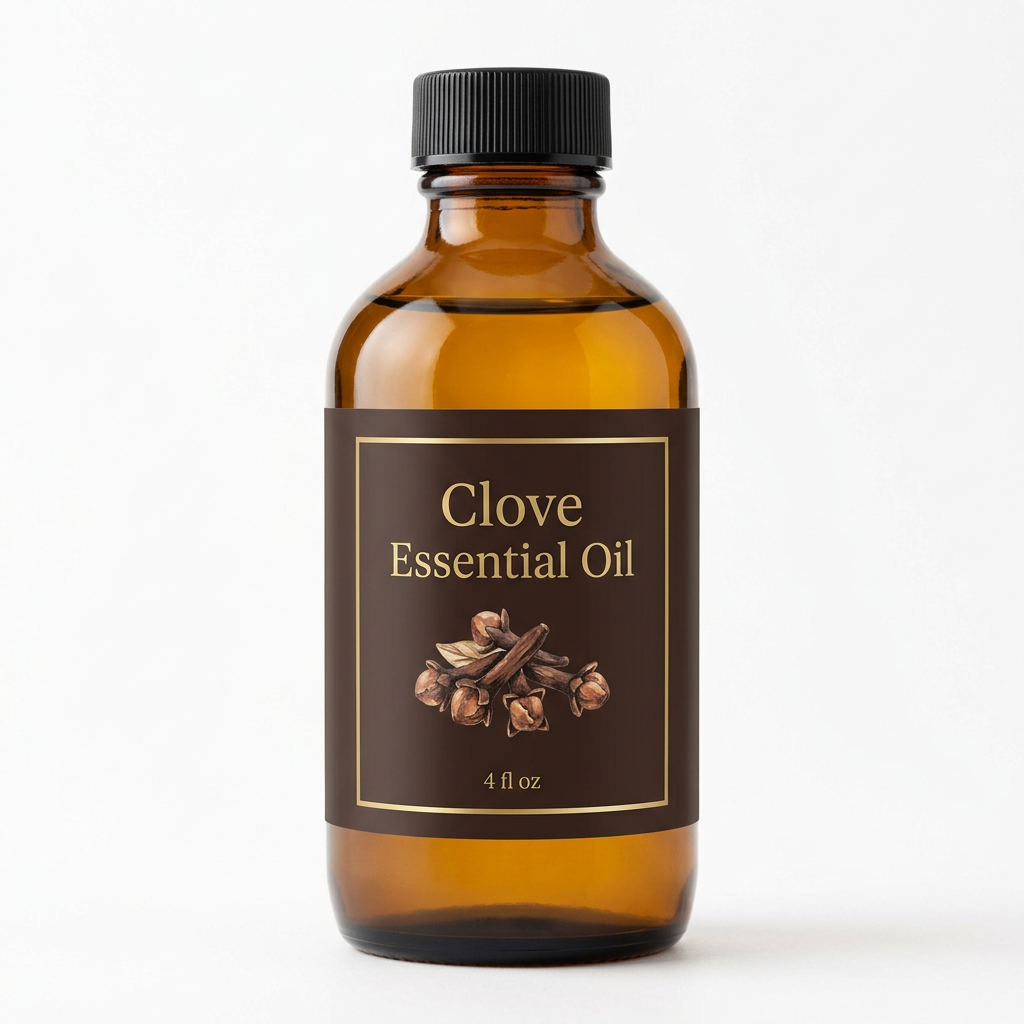
Clove Essential Oil
Our own Clove Essential Oil, in sizes from 0.5 oz to bulk.
From $10.99
Shop Now →Bud, leaf and stem
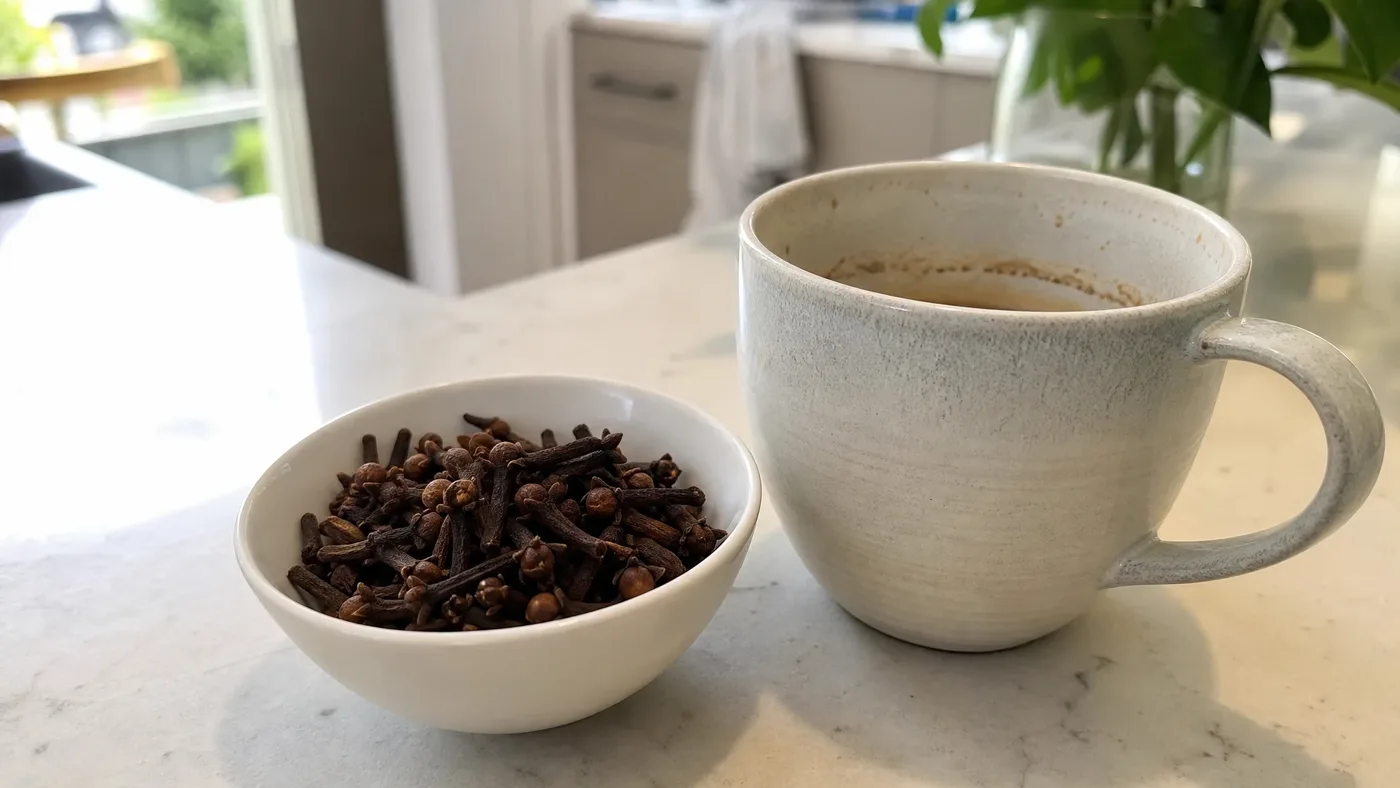
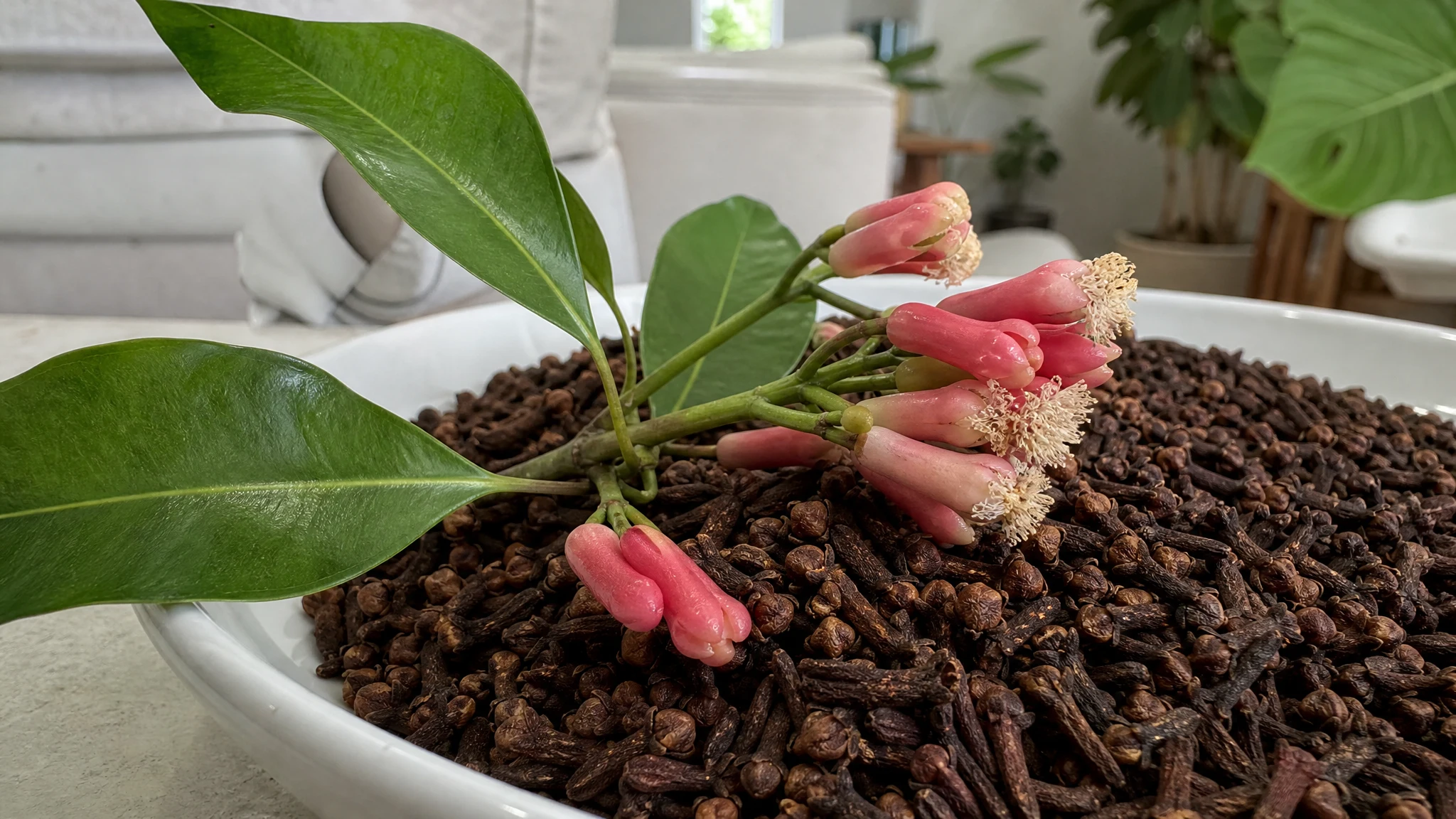
Cloves are the dried, unopened flower buds. Oil can be steam-distilled from the buds, the leaves or the stems, and a label that says only "clove oil" does not tell you which. We sell two: clove bud oil and clove leaf oil, each steam-distilled and sold undiluted, and distilled separately, never blended into each other. We do not sell stem oil.
The two we offer have distinct personalities. Our bud oil is warm, rich and sweetly spicy, with the baking-spice depth people associate with mulled cider. Our leaf oil is bold, smoky and earthy-spicy, drier and less sweet, and it comes from a far more abundant harvest, which makes it the more economical clove oil and the formulator's pick for soap, candles and cleaning blends. If scent is the point, we would smell the bud first. Bud versus leaf goes through the choice in detail.
A simple way to feel the difference is to smell them one after the other. With the bud oil, the first thing you notice is a soft sweetness, like a spice cake coming out of the oven. With the leaf oil, the sweetness steps back and you get something drier and smokier, more like woodsmoke and an old spice tin. If you are making something for a room that should feel cozy and sweet, reach for the bud. If you want a bold backbone in a soap or cleaning scent, the leaf is the one.
The molecule behind the smell
Eugenol is the headline compound. PubChem describes its odor as the "odor of cloves," and it has the formula C10H12O2. Across the clove literature it can make up anywhere from 45 to 90% of the oil, according to the review by Kamatou and colleagues, a wide range because it pools oils from different parts, origins and methods. Even among bud oils the spread is striking: in a 2024 review table, eugenol ran from about 82% in a Moroccan hydrodistilled bud oil to nearly 98% in a Brazilian one.
The practical lesson is that there is no single "correct" clove profile, so one eugenol number is not a quality mark. The GC-MS report we publish for our bud oil lists eugenol at 73.57%, eugenyl acetate at 12.82% and beta-caryophyllene at 7.95%, with 98.68% of the oil identified. Those are area percentages from a qualitative method for that report. Reading a GC-MS report shows how to make sense of such numbers, and what eugenol is explores the compound itself.
How the oil is made
Steam distillation passes steam through the plant material and condenses the aromatic fraction that rides out with it. Our site describes the buds as hand-picked green and sun-dried to a russet brown before distillation, and the certificate of analysis we publish for one bud batch reads "Steam Distilled" and "Flower (bud)." We bottle the oil in amber glass and ship it from a US facility. How clove oil is made tells the story from bud to bottle.
What people use it for
We sell clove oil for its aroma and for cosmetic use: diffusing, candle pours, potpourri, cold-process soap, a stovetop simmer, natural cleaning blends, a perfumery accent and, diluted, a massage oil. We do not make health claims for it. Its reputation in dentistry belongs to eugenol used in controlled products by dentists, and that is a different thing from a bottle of essential oil on a shelf. For that reason we keep the conversation about aroma, and leave medical questions to the right professional.
In practice, most people who pick up a bottle are doing something small and homely. A drop in a diffuser before guests arrive, a few drops stirred into melted wax for a candle, a handful of potpourri refreshed in winter. Those little jobs are where a strong oil like this shines, because a little goes such a long way.
A few ground rules for a strong oil
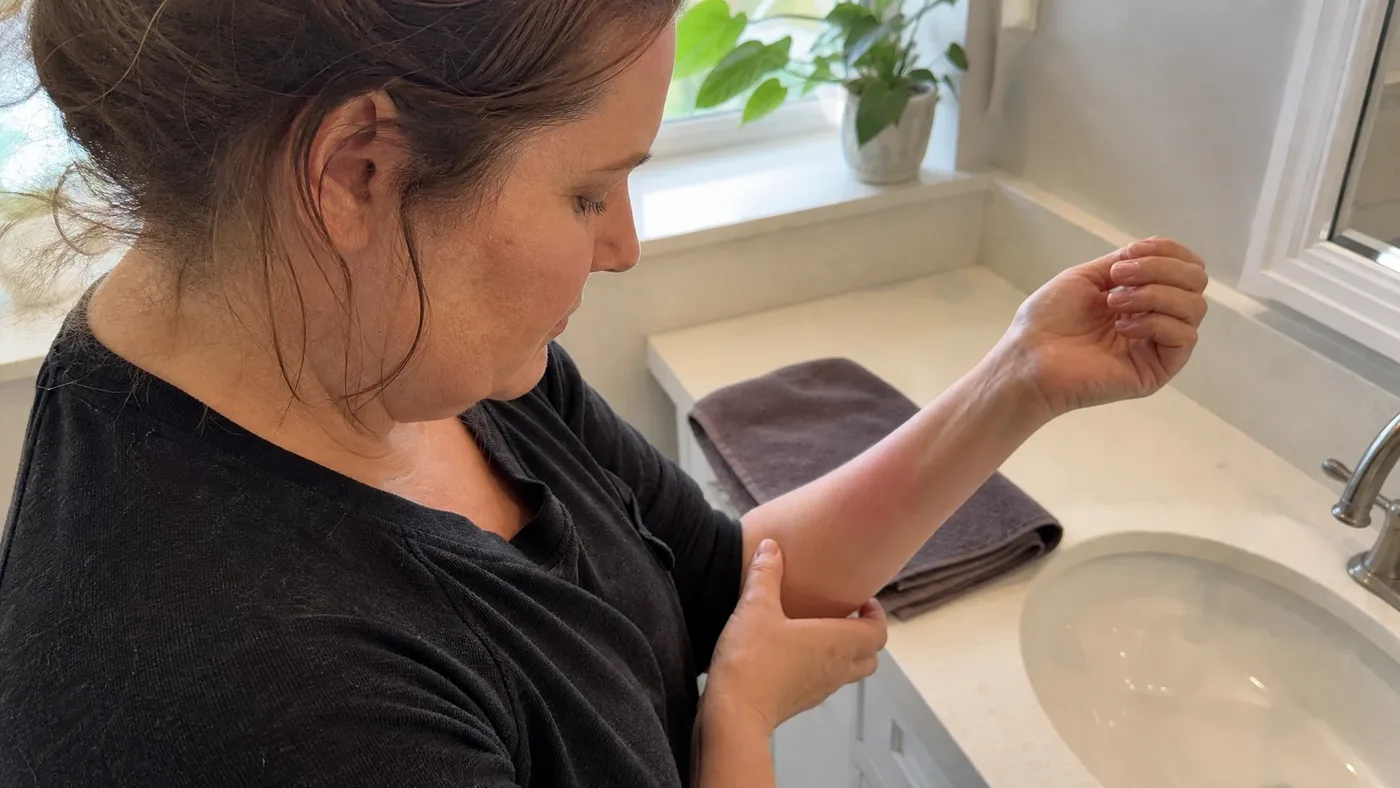
Eugenol is a recognized skin irritant and one of the more common fragrance allergens, so we treat clove with respect. Keep it away from eyes, children and pets, and do not take it internally. For skin, we suggest starting at 0.5% in a carrier oil, which matches the recommendation in Robert Tisserand's article on eugenol for clove bud, and testing on a small patch first. Why we say not to ingest it has more on the swallowing side. Anyone pregnant, with a history of fragrance allergy or a skin condition should ask a doctor or pharmacist before putting it on skin.
A few handling habits make life easier. Pour over a small saucer or the sink rather than over fabric or wood, because a drip of clove oil can mark a finish and the smell lingers. Cap the bottle at once. And if you spill some on your fingers, wash with soap and water before touching your face.
Reading a clove oil label
- The plant part: bud, leaf or stem should be stated.
- The botanical name: Syzygium aromaticum.
- Paperwork: for our bud oil we publish a certificate of analysis giving density, refractive index and optical rotation for one batch, plus the GC-MS report. If you need documents for a particular lot, ask us through the contact page.
- Honest scope: a seller that tells you what an oil is for, and what it is not, is a good sign.
Our first-time buyer's guide carries the checklist further. In short, clove oil is a spice cabinet in a bottle, and once you know bud from leaf it is easy to pick the one that suits what you want to make.
Clove Essential Oil
Clove Essential Oil from our own shop, in sizes from 0.5 oz to bulk.
From $10.99
Shop Now →Sources & Further Reading
- Kamatou GP, Vermaak I, Viljoen AM, 2012. Eugenol: from the remote Maluku Islands to the international market place. PMC6268661
- Liñán-Atero R et al., 2024. Clove Essential Oil: Chemical Profile, Biological Activities, Encapsulation Strategies, and Food Applications. Antioxidants. PMC11047511
- PubChem. Eugenol, CID 3314. pubchem.ncbi.nlm.nih.gov/compound/3314
- Tisserand Institute. Eugenol: Essential Oil Constituents in Food Part 4. tisserandinstitute.org/learn-more/eugenol