Clove Oil Label Guide: What to Check Before You Buy
Two bottles can both say "clove oil" and be quite different things inside. One might be a steam-distilled essential oil from buds, another a fragrance blend that merely smells of spice. A good label helps you tell them apart, and the checks below take about two minutes once you know them.
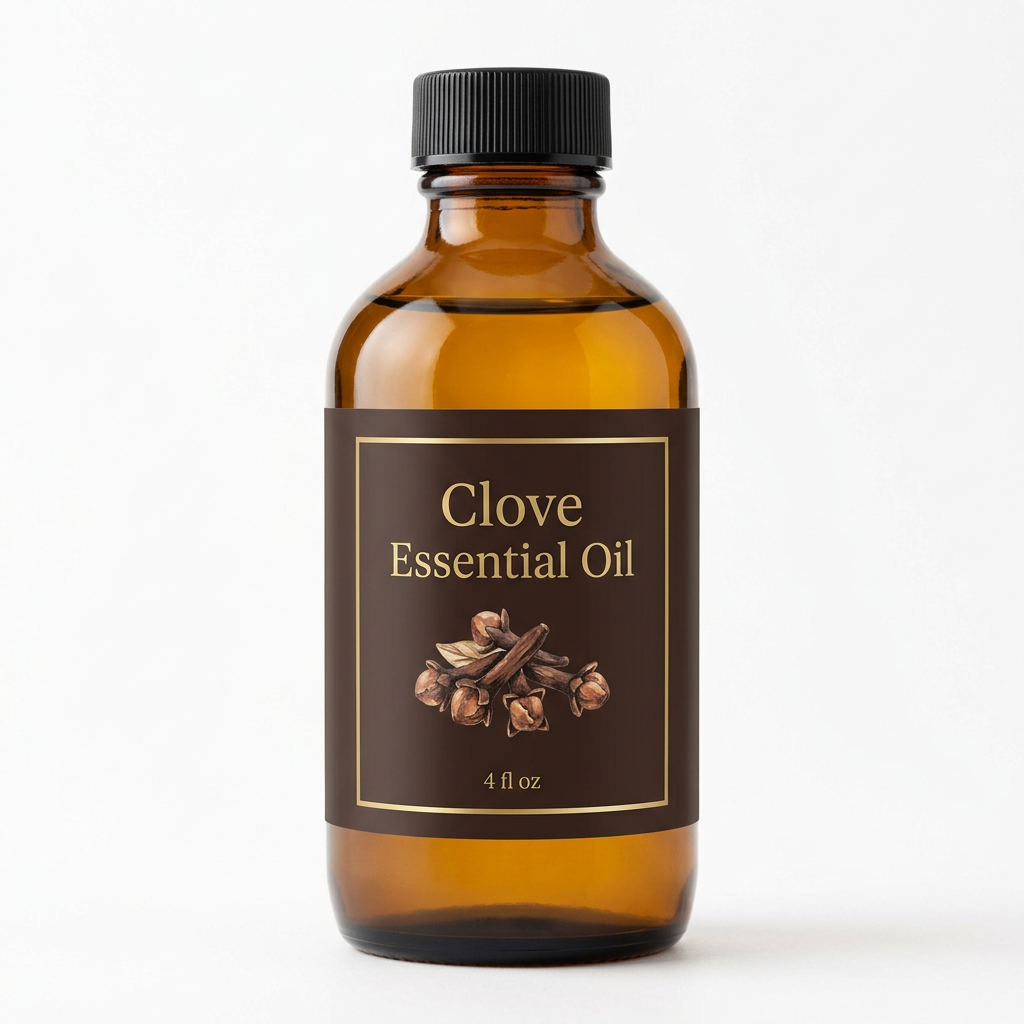
Clove Essential Oil
Our own Clove Essential Oil, in sizes from 0.5 oz to bulk.
From $10.99
Shop Now →Start with the Latin name
The clove tree is Syzygium aromaticum. Older labels use the synonym Eugenia caryophyllata or Eugenia caryophyllus, and the international standard for clove bud oil, ISO 3142, covers the same plant under both names. So either one is fine. What you want to see is that a botanical name appears at all. A bottle that says only "clove scent" has not told you whether it is an essential oil, and a single-ingredient botanical name is the simplest clue that it is.
Then check which part of the tree
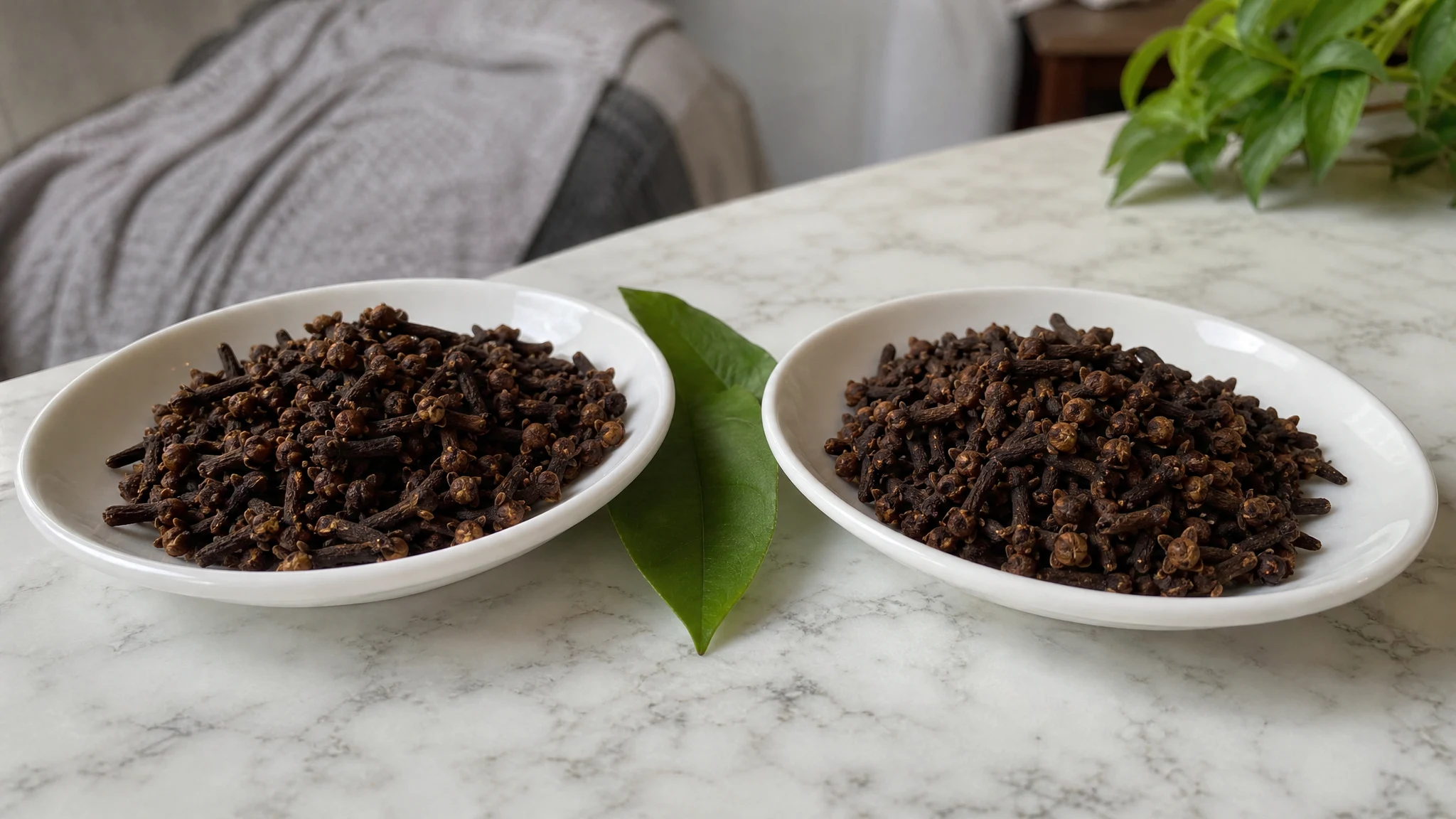
Clove oil is made from buds, from leaves, and in some markets from stems, and they are not interchangeable. We sell bud and leaf, distilled separately and never blended into one another, and we do not sell stem oil. The bud oil is warm, rich and sweetly spicy; the leaf oil is bolder, smoky and drier. If a listing says only "clove oil" you cannot compare it to anything else, so look for the plant part. Our bud versus leaf comparison has the full picture.
Look at what the paperwork shows
Two documents get called lab results, and they answer different questions.
A certificate of analysis measures physical properties against a stated range. The one we publish for a bud batch lists relative density of 1.054, refractive index of 1.535 and optical rotation of -0.68 degrees, each inside its standard range, plus the batch's manufacture and best-by dates. A GC-MS report separates the oil into its components. The report we publish for our bud oil lists eugenol at 73.57% by peak area, with eugenyl acetate at 12.82% and beta-caryophyllene at 7.95%. Those are area percentages, a profile of the oil rather than a weight-by-weight assay, but they tell you a lot about what you are smelling.
That paperwork covers our bud oil. If you want documents for a particular lot, or for the leaf oil, ask us in writing through the contact page before you order. It is a good habit with any seller: ask for the lot paperwork before you ask about price.
Read the claims like legal text
The FDA says that how an aromatherapy product is regulated depends mainly on how it is intended to be used, judged from its labeling and advertising (FDA, aromatherapy). A label that promises pain relief or other health outcomes is describing a drug-type purpose, not a scent. We keep to what clove oil smells like and how people use it in craft and home fragrance, and never what it cures. Be wary, too, of grade words with no official definition behind them; we explain why in our post on grade claims.
Check the safety notes against an outside source
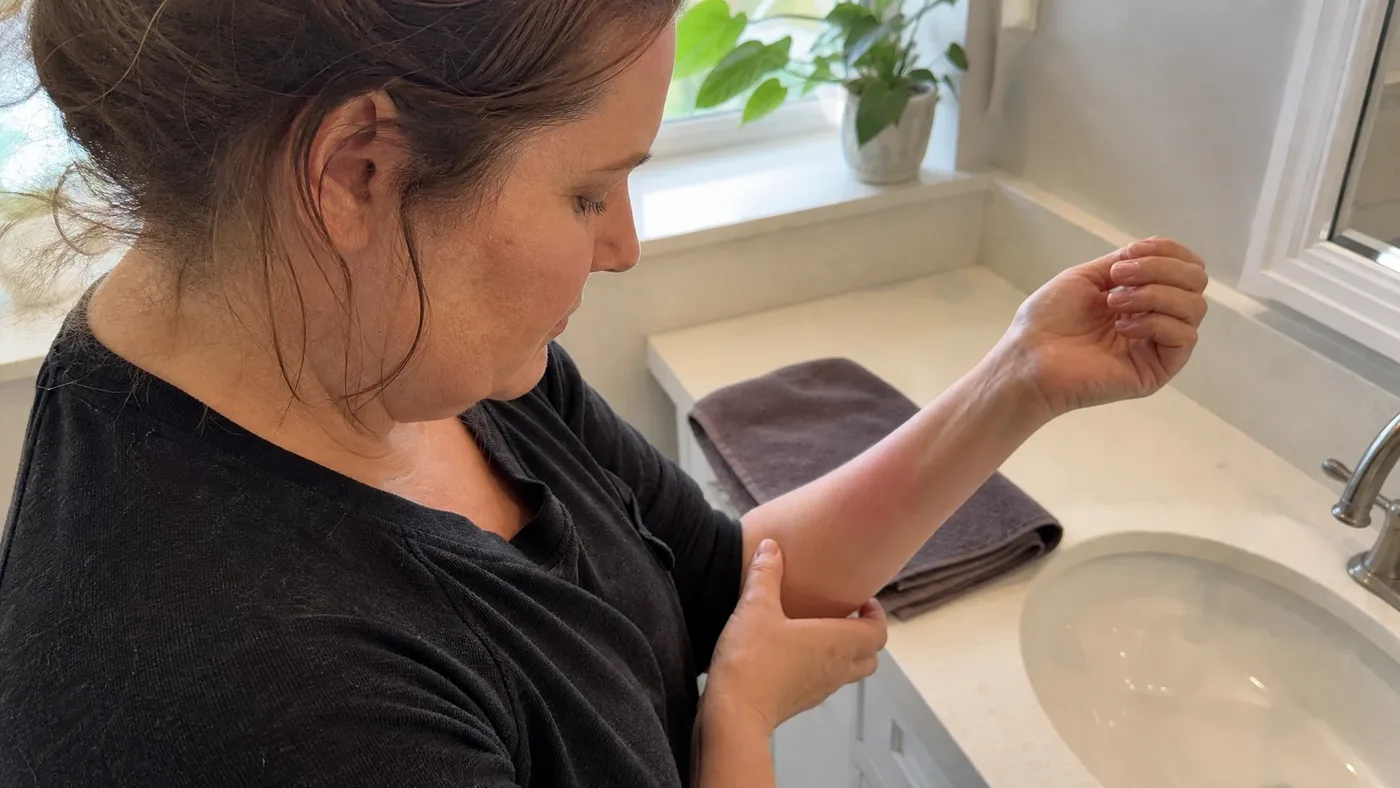
Clove oil is rich in eugenol, which can irritate and sensitize skin. The Tisserand Institute gives a recommended topical maximum of 0.5% for clove bud oil and says eugenol can be a skin irritant or allergen if not used in proper dilutions (Tisserand Institute). In German dermatology clinics, clove oil caused a positive patch-test reaction in about 1.5% of patients tested with essential oils (Uter et al., 2010), though that is a referred group, not the general public. We keep skin blends at 0.5% or below for that reason. It also helps to know that Tisserand does not generally recommend consumer patch tests, preferring a slow, gradual introduction, since patch tests can give false positives and negatives (Tisserand Institute). Our balm post, DIY clove oil balm, shows the arithmetic in drops.
Try it in person
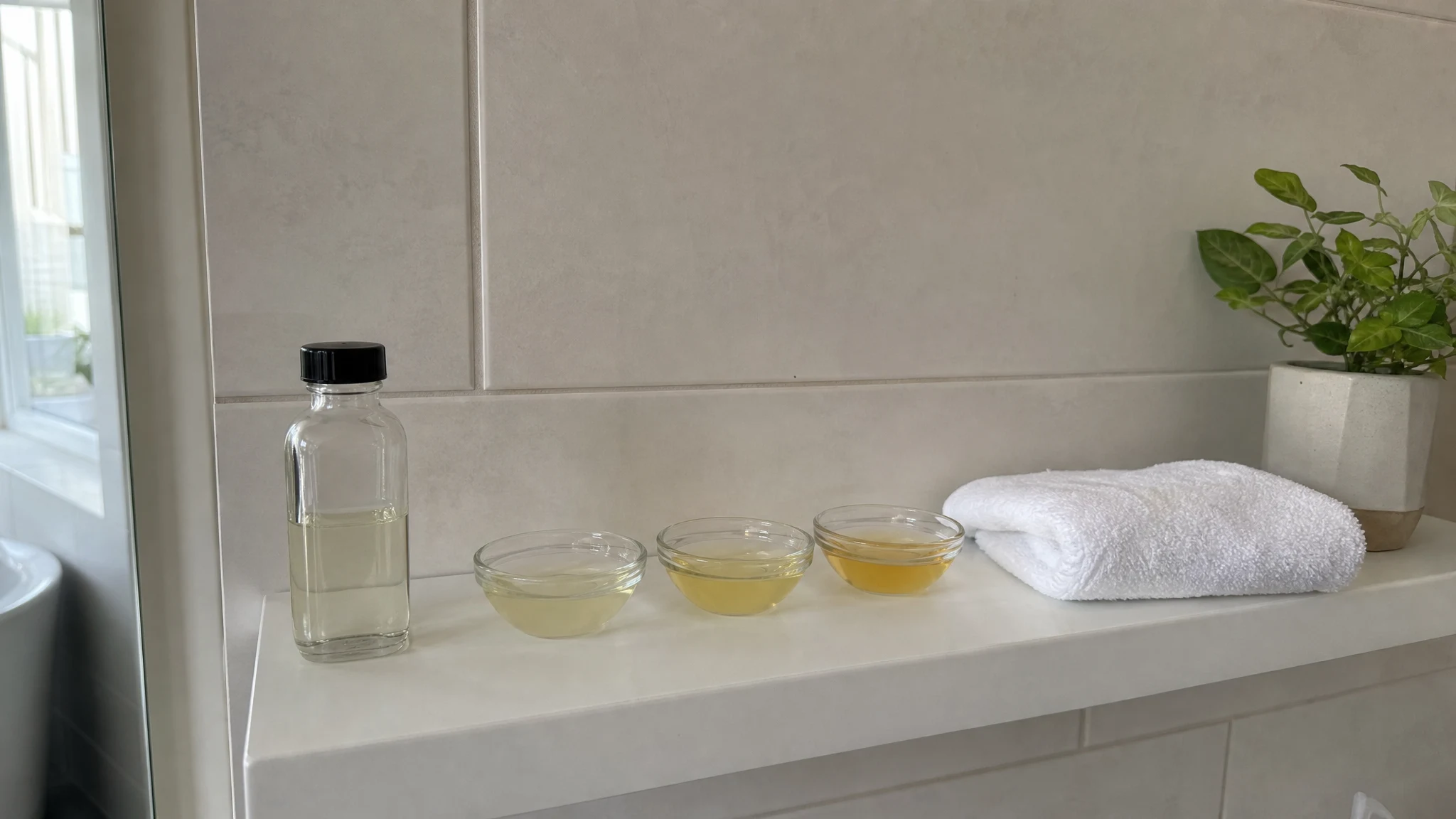
Once a bottle arrives, give it a proper look. Hold it up to the light and see the color. Smell it from a little distance, a few seconds at a time, and ask yourself what you notice first: sweetness, smoke or sharp spice? Bud and leaf smell different, and a bottle should smell like the plant part on its label. Smelling two clove oils side by side is the quickest way to learn what you like.
What a label cannot decide for you
No label tells you which oil suits your project. A soap maker, a candle maker and someone building a scent blend each want something slightly different, and bud and leaf serve them differently. For questions about skin or the mouth, a dermatologist, pharmacist or dentist is the right person to ask. If you are working out how much to buy, our sizes guide will help.
Keep the label
When you decant into a smaller bottle, copy the name, plant part and date onto the new one. If a label peels off an old bottle, take a photo of it before it goes. A clear record means you always know what is in each bottle and how long you have had it.
Once you know these five things, any clove oil label gets much easier to read, ours included.
Clove Essential Oil
Clove Essential Oil from our own shop, in sizes from 0.5 oz to bulk.
From $10.99
Shop Now →Sources & Further Reading
- ISO 3142:1997. Oil of clove buds (Syzygium aromaticum). dinmedia.de/iso-3142
- U.S. Food and Drug Administration. Aromatherapy. fda.gov/cosmetics/aromatherapy
- Tisserand Institute. Eugenol: Essential Oil Constituents in Food, Part 4. tisserandinstitute.org/learn-more/eugenol
- Tisserand Institute. Irritation and allergic reactions. tisserandinstitute.org/safety/irritation-allergic-reactions
- Uter W et al., 2010. Contact allergy to essential oils (IVDK 2000-2008). PubMed 20946456