How to Store Clove Oil: Keep It Fresh for Years
A good bottle of clove oil is a long-term companion, and a few simple habits help it stay that way. We store clove oil like any aromatic oil: cool, dark, tightly capped and away from heat. Here is the reasoning behind each habit, and a way to decide when an older bottle should move from the skin shelf to the simmer pot.
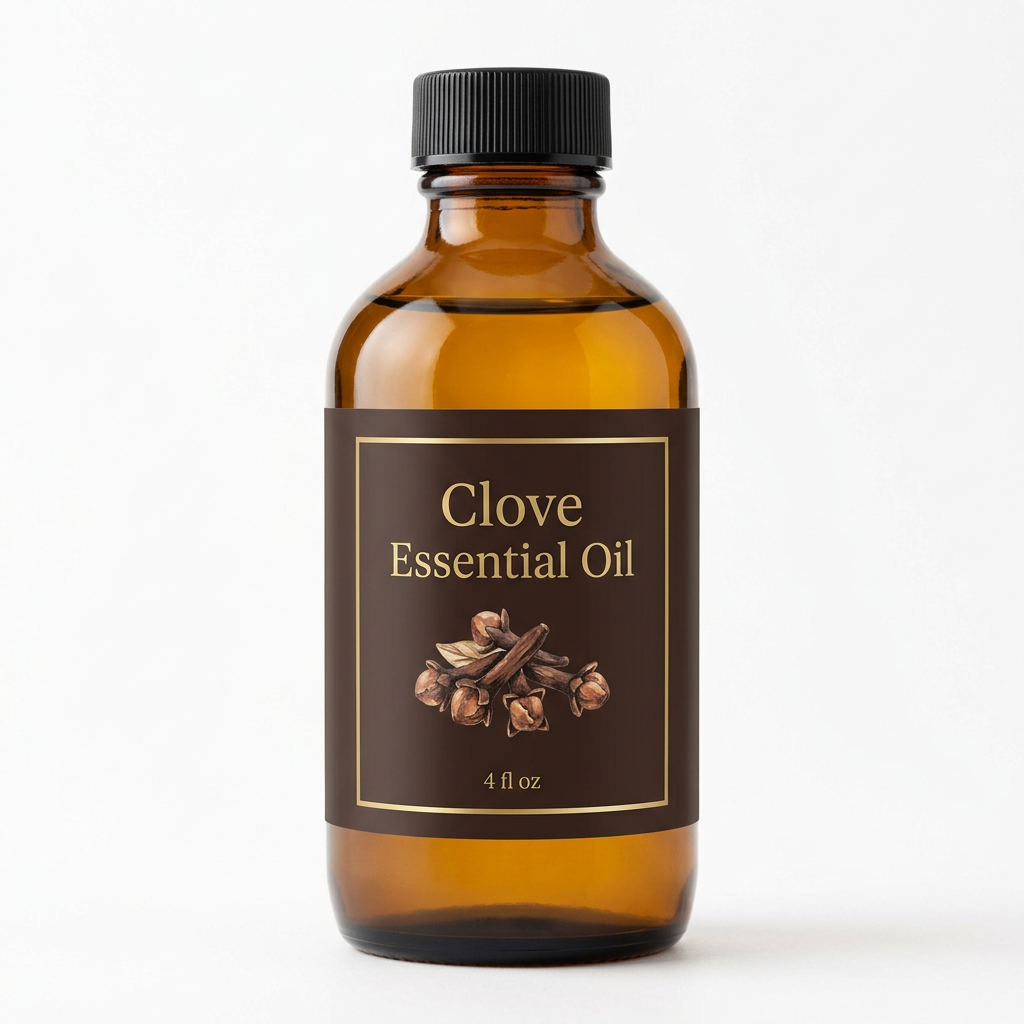
Clove Essential Oil
Our own Clove Essential Oil, in sizes from 0.5 oz to bulk.
From $10.99
Shop Now →How long it keeps
Unopened, we put clove bud oil at typically 3 to 5 years and clove leaf oil at 4 to 5 years, in a cool, dark place away from direct light and heat. Those are estimates, and the best habit is to treat them as the ceiling for an unopened bottle. Once a bottle is open, air gets in, and a date you write yourself is the most reliable clock you have.
A small habit goes a long way here. When a new bottle arrives, take a permanent marker and write the month and year on the label or on a strip of tape. Then you never have to wonder, a year from now, whether the bottle in the back of the cupboard is from this winter or the one before.
Why air and light matter
Essential oils slowly change as they meet air, and the changed oil can be harder on skin. The best evidence is for other oils, but it points in a consistent direction. Hausen and colleagues found that oxidised tea tree oil was about three times stronger as a skin sensitiser than fresh oil (Hausen et al., American Journal of Contact Dermatitis, 1999). A review of 159 tea tree oil reports to the WHO concluded that reactions occur especially when the oil has been exposed to light or air, and that properly stored oil used before its expiry is considered safe for non-vulnerable people (Bekhof et al., 2023).
Clove has not been studied that way, so what follows is reasoning, not a finding. Clove is already a recognised skin sensitiser, so if it behaves like other oils, a bottle that has sat open for years is a poorer choice for skin than a fresh one. Tisserand's 0.5% ceiling for clove bud assumes an oil in good condition (Tisserand Institute).
Choosing a spot in the house
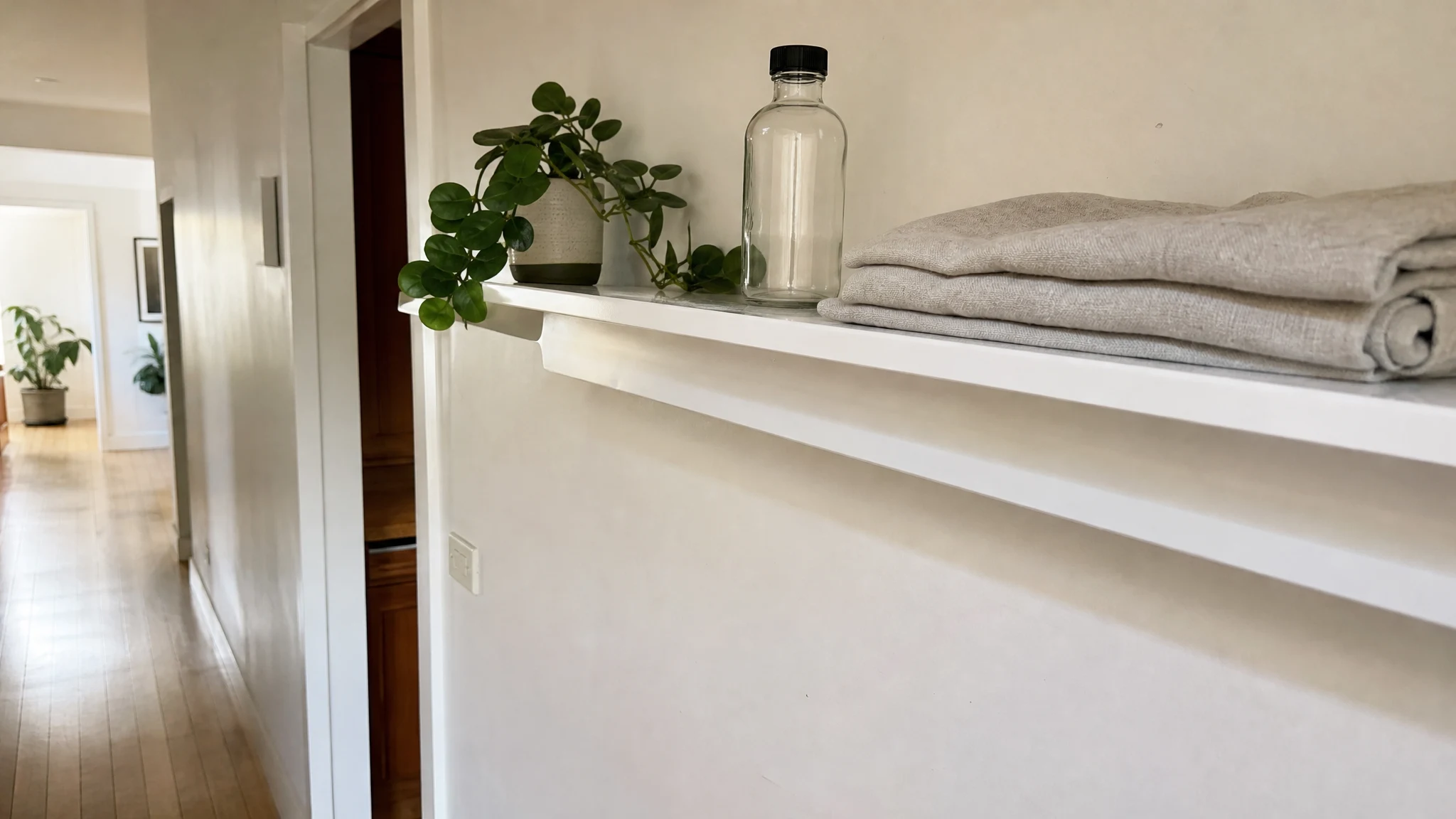
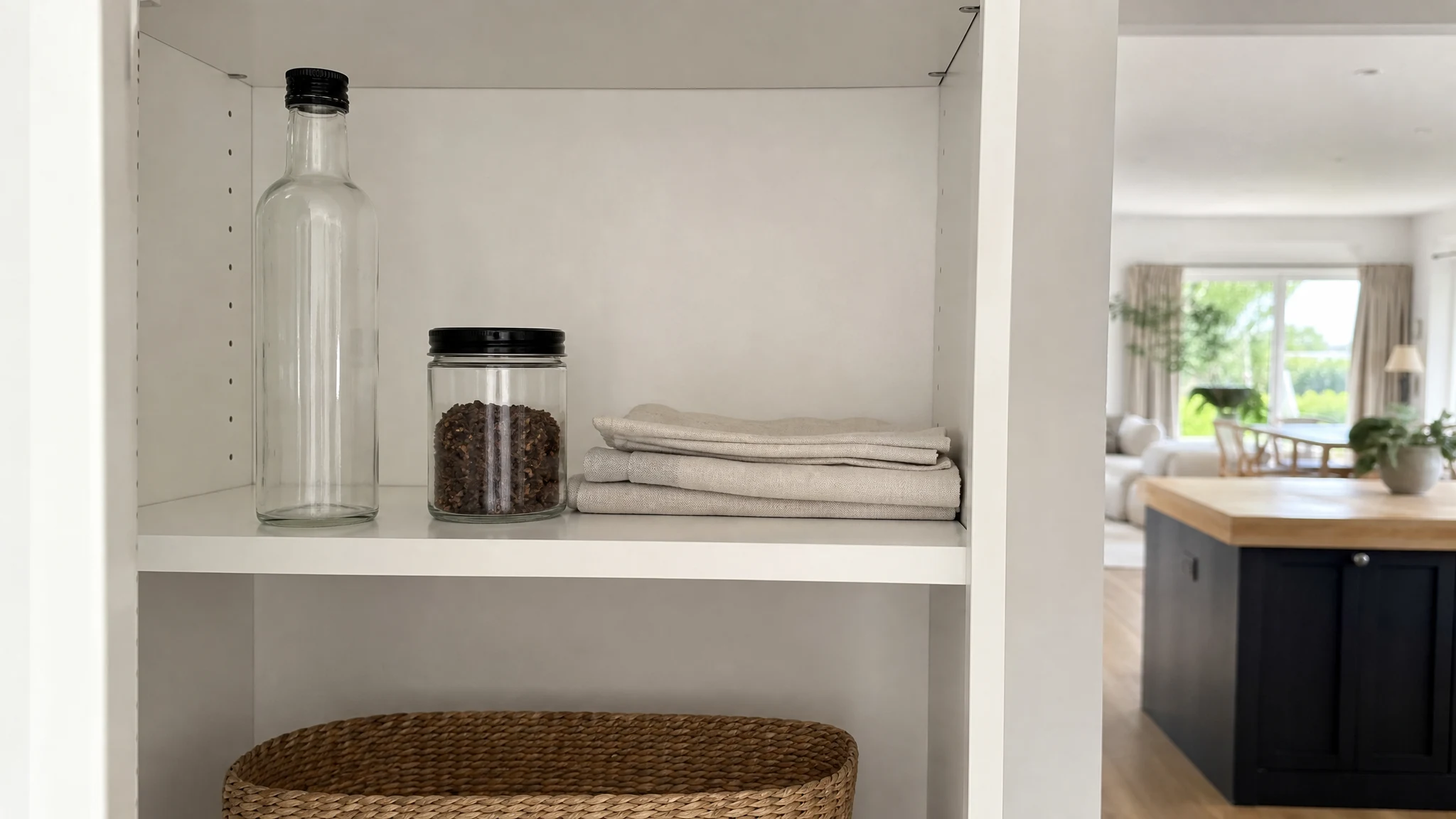
Walk around your home and think like a bottle. The kitchen shelf above the stove is warm and steamy. The windowsill gets sun. The bathroom swings between hot showers and cold mornings. The best spot is usually the dullest one: a closed cupboard or drawer in a room that stays at an even temperature, ideally at the back, away from the door where the air changes. A small lidded tin or a shoebox-sized box gives the bottles a home of their own and keeps the strong smell from drifting onto the spices.
Four habits that help
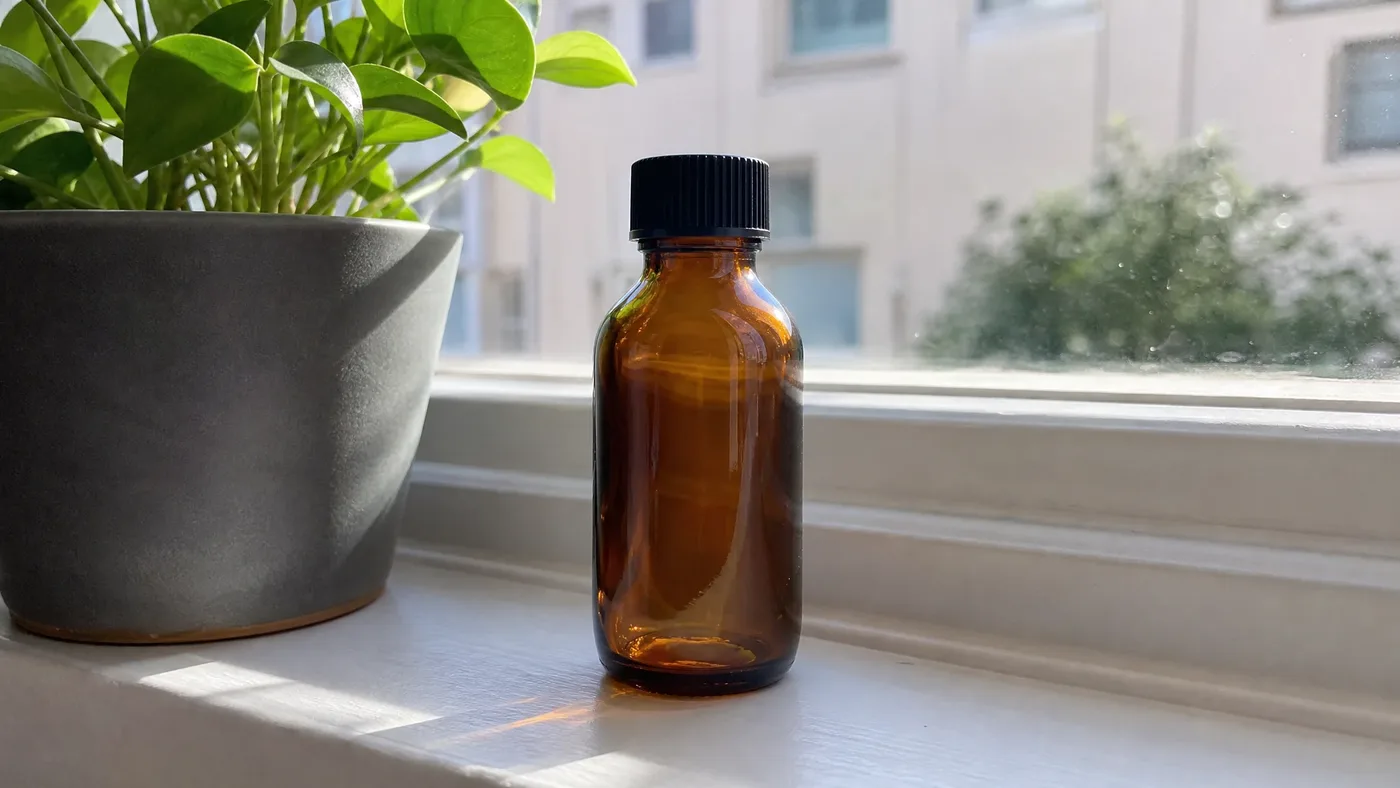
- Cool and dark. A cupboard away from the stove and window is ideal. Our bud oil comes in amber glass, which helps with light.
- Cap it promptly. Every minute open lets in air, so pour and close.
- Decant from big bottles. If you buy a larger container, move a working amount into a small airtight bottle and keep the main supply sealed. A big container opened daily meets far more air than a small one opened occasionally.
- Write the date on the label. Put the day you open it on the bottle. It is the cheapest tracking system there is.
A few more small things are worth doing. Wipe the bottle neck with a paper towel after pouring, because a sticky rim lets the cap seat badly. Stand the bottle upright, not on its side. If you use a dropper insert, check it sits firmly, and if the cap has an inner seal, make sure it has not been bent or pulled out of place.
When to move a bottle off the skin shelf
Because there is no clove-specific oxidation test you can do at home, we suggest a cautious rule. Retire a bottle from skin use if it is well past the shelf-life window above, if it smells flatter, sharper or different from when you opened it, or if its colour has clearly changed. Noses and eyes are crude instruments, so a bottle can look fine and still be older than you think. An older bottle is still useful where skin contact is not the point, such as a simmer pot or a candle, and a fresh small bottle is a modest price for peace of mind on skin. Our sizes guide shows how little oil a skin blend actually uses, which is a good reason to buy small for skin and larger only for crafts you will finish.
A useful sniff test is simply to compare. Open the bottle and notice what you smell now: bud oil should still read as warm, rich and sweetly spicy, and leaf oil as bold, smoky and earthy. If the scent has gone thin, sharp or oddly flat, that is your cue to move that bottle to the craft shelf.
Keep it out of reach
Good storage keeps the oil close to how it started, and it does not make a strong oil mild. Clove oil is still undiluted clove oil, with the skin and eye cautions in our skin article, so store it where children and pets cannot reach it. If you have had a skin reaction to clove, see a dermatologist or allergist before using it again, and read our side effects guide. For checking a new bottle's label, see our first-time buyer's guide.
Keep only what you will use, keep it capped and dated, and a bottle of clove oil will be as good in the third year as it was in the first month.
Clove Essential Oil
Clove Essential Oil from our own shop, in sizes from 0.5 oz to bulk.
From $10.99
Shop Now →