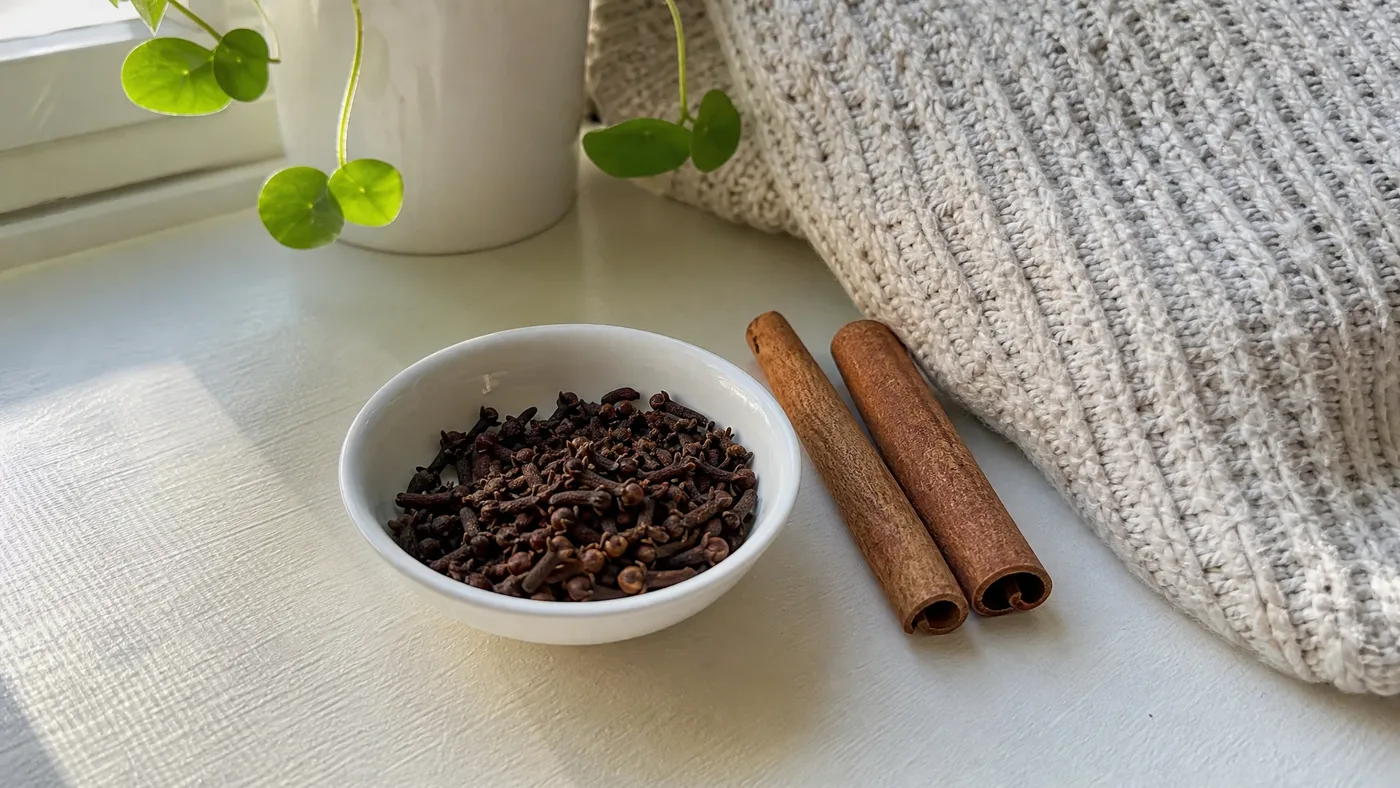
Four Thieves Oil Origins: Vinegar, Legend and Clove
Say "four thieves" to anyone who works with essential oils and they will think of a spicy blend with clove, cinnamon and lemon. The original, though, was never an oil at all. It was vinegar, steeped with herbs, and the story that goes with it is a good one even though nobody can pin it down.
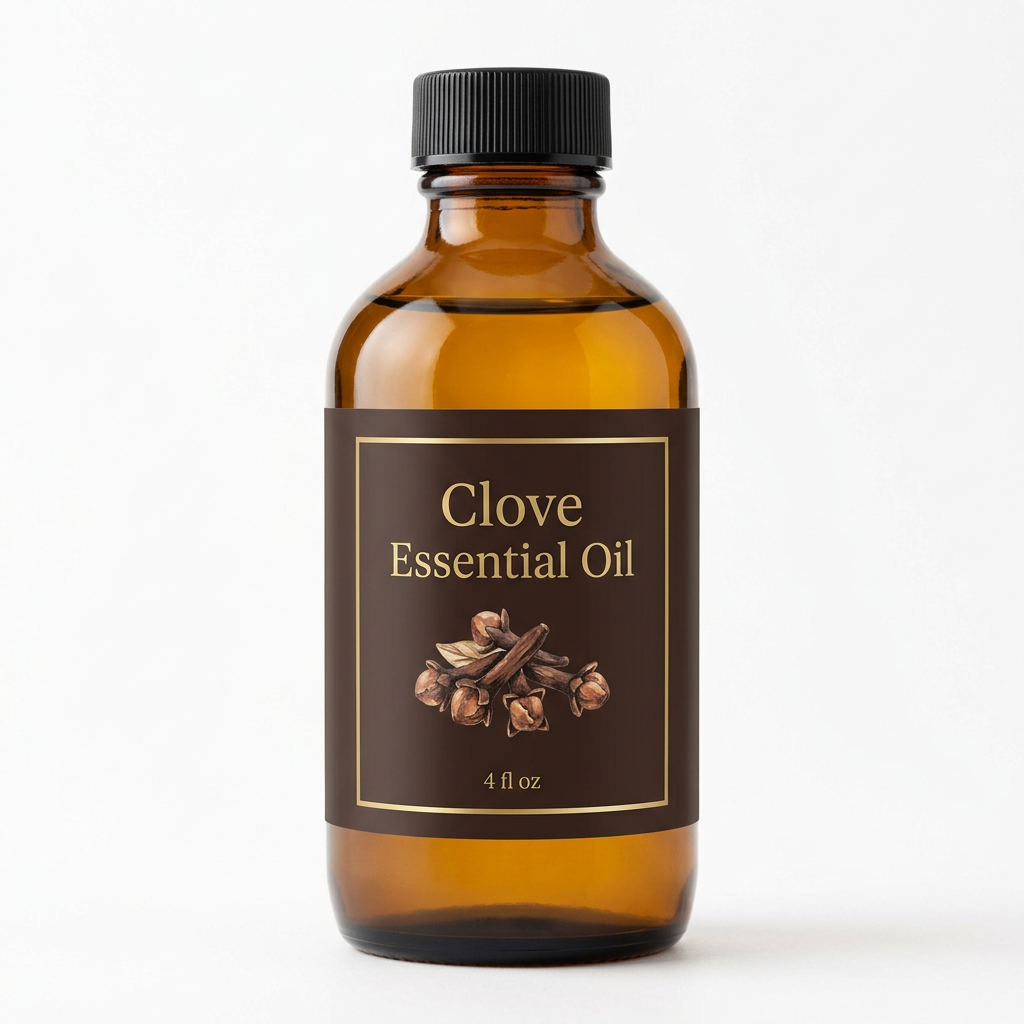
Clove Essential Oil
Our own Clove Essential Oil, in sizes from 0.5 oz to bulk.
From $10.99
Shop Now →The legend
The usual telling goes that thieves robbed the houses of plague victims without falling ill, then swapped their recipe for leniency. In another version they were already condemned and sentenced to bury the dead. The city is said to be Marseille or Toulouse, and the century anywhere from the 14th to the 18th, depending on who tells it. A story with that much give in it is more folklore than history.
That, to us, is the charm of it. Every telling adds a detail: a city, a date, a clever bargain with a magistrate. The recipe changes with the teller too, and the herbs in the pot depend on what was growing near the kitchen door. A legend that bends to fit whoever is telling it has survived because it is fun to tell.
The earliest dated mentions are a good deal later than the plague. A 1741 French medical compendium seems to credit the vinegar to the English physician George Bates, whose own pharmacopoeia does not use the thieves name, and the vinegar turns up in works from the early 1800s. The "original" recipe most people quote comes from a 1937 French aromatherapy book.
What was in it
Old recipes read like a walk through a kitchen garden and a spice cupboard at the same time. Some of the herbs are ones you would pinch for a roast, and others are plants most of us would struggle to find today. That mix tells you something about how these recipes lived: people wrote down whatever grew nearby and whatever the spice merchant had in stock.
That 1937 version calls for strong white wine vinegar with wormwood, meadowsweet, wild marjoram, sage, campanula root, angelica, rosemary, horehound, camphor and about fifty cloves. A 1910 American formulary version lists rosemary, sage flowers, lavender, rue, camphor in spirit, sliced garlic, bruised cloves and distilled wine vinegar. Modern versions tend to settle on sage, lavender, thyme, rosemary and garlic, with four herbs, one for each thief.
That is the clove connection worth remembering: whole cloves appear in the old recipes, and the clove, cinnamon, lemon, eucalyptus and rosemary essential oil combination sold today is a modern idea. We have not found it dated or tied to the vinegar, so we think of it as a blend inspired by a legend.
If you ever make a vinegar infusion for the kitchen, you will see why cloves earned a place. A handful of whole buds in a jar of vinegar turns the whole thing fragrant within a few days, and the smell is the old-fashioned kind: sharp, spicy and herby, a bit like a pantry in a farmhouse. Use it for salad dressings or pickles, where the flavor belongs.
We do not make health claims for clove oil or any blend, and the tale of protection from plague is not something we would repeat as fact. If you are worried about an infection, a physician is the right person to ask.
If you want to blend on skin, count carefully
Many modern versions are meant for rubbing on skin, which puts two strong oils together. The Tisserand Institute lists topical maxima of 0.5% for clove bud oil and 0.6% for cinnamon leaf oil, and notes that eugenol can irritate or sensitise skin when not properly diluted. A cautious way to read that is to give the two oils one shared allowance. A half-and-half blend of both then needs to stay around 0.55% in total, which is low. Cinnamon bark has no figure on the page, so we would not suggest putting any blend containing it on skin. We sell clove only, so any other oil comes from a supplier, and each deserves its own look at limits.
For the room
Think of the room first and the legend second. A good rule is to let the story set the mood while the scent stays gentle. Light, airy and spicy is the goal, and a room that merely hints at cloves is better than one that shouts it.
Scenting the air is simpler. Follow your diffuser maker's directions, ventilate, and keep clove away from pets and children; Pet Poison Helpline lists clove among oils that can cause poisoning in animals, and cats and birds are the most vulnerable. Our posts on diffusing clove and safety basics cover the details, and clove versus cinnamon is a good pairing read.
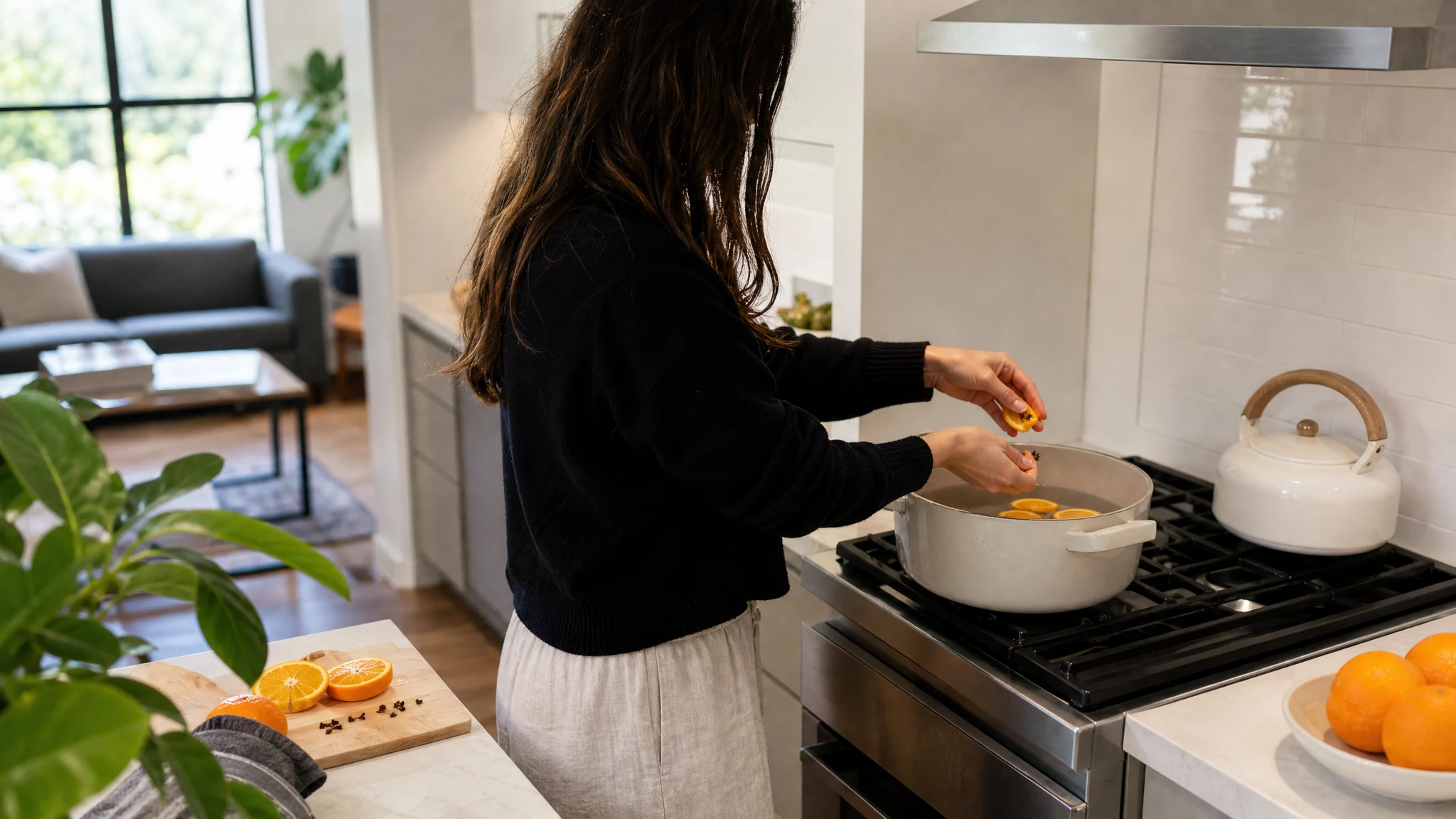
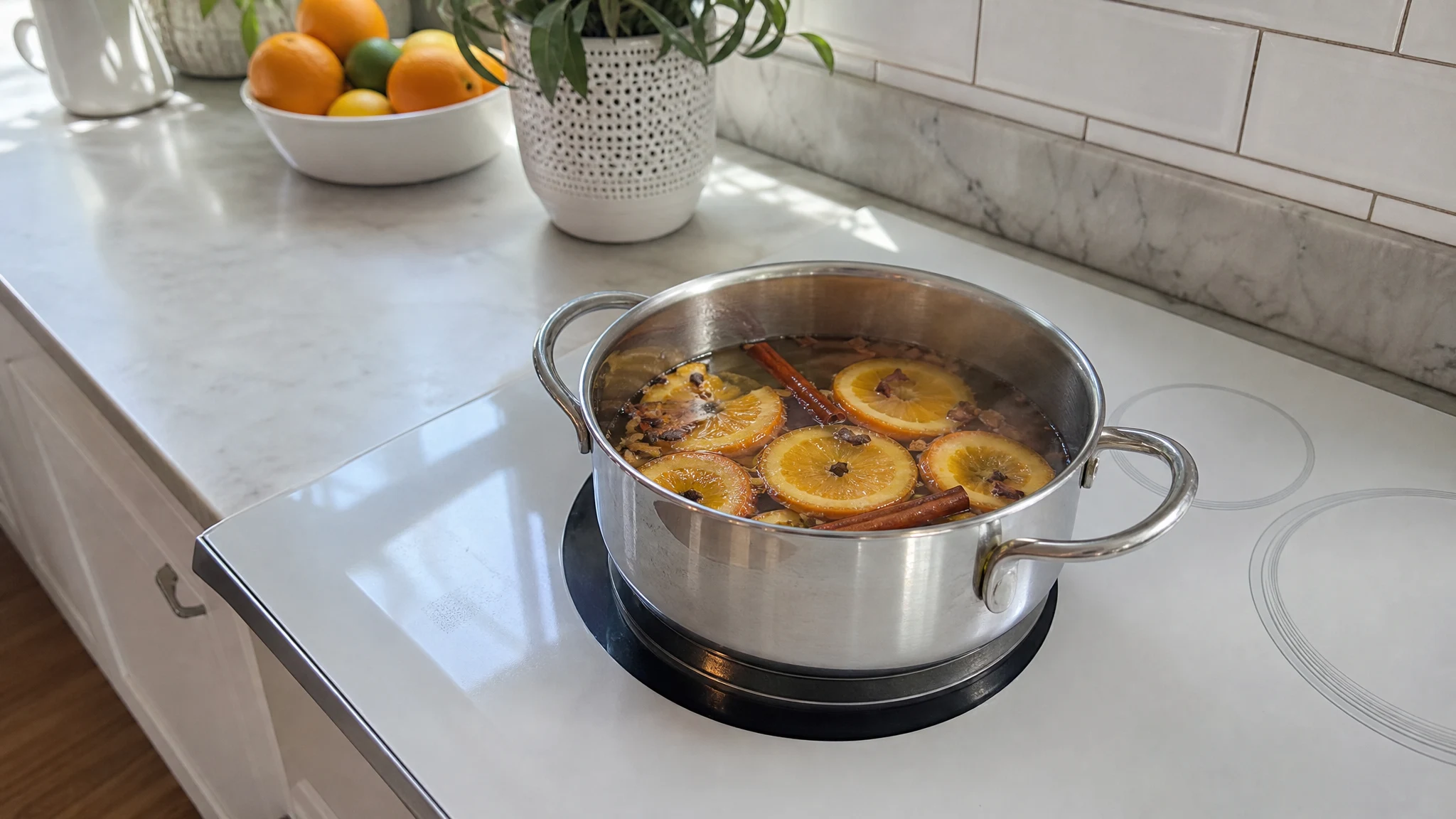
Clove's real history is richer than the thieves, and we love it: see cloves and the spice trade and clove folklore and customs. A pot of whole cloves, orange peel and cinnamon on a low simmer is the safest way to bring the legend to life in your kitchen.
Keep the pot small, add a slice of orange, and let the steam carry the scent through the house. You will notice how much gentler whole spices are than a drop of concentrated oil, which is exactly why they are such a good place to start.
Clove Essential Oil
Clove Essential Oil from our own shop, in sizes from 0.5 oz to bulk.
From $10.99
Shop Now →