Clove Oil vs Eugenol: Which One Do You Need?
Type "eugenol oil" into a search box and you will find it described as a product, a clove extract and a chemical, sometimes all on the same page. The short version is that eugenol is a single molecule, clove oil is the mixture it lives in, and most people shopping for scent want the mixture.
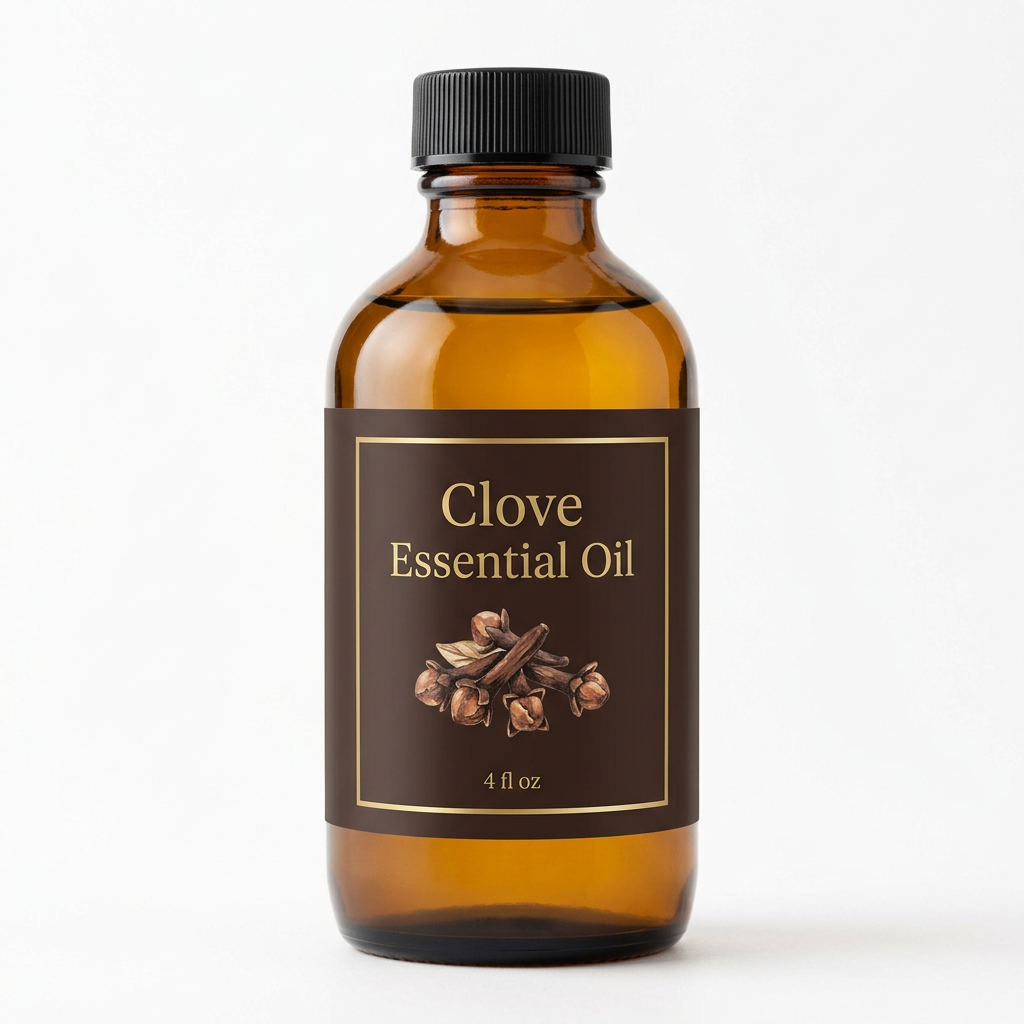
Clove Essential Oil
Our own Clove Essential Oil, in sizes from 0.5 oz to bulk.
From $10.99
Shop Now →One molecule, one oil
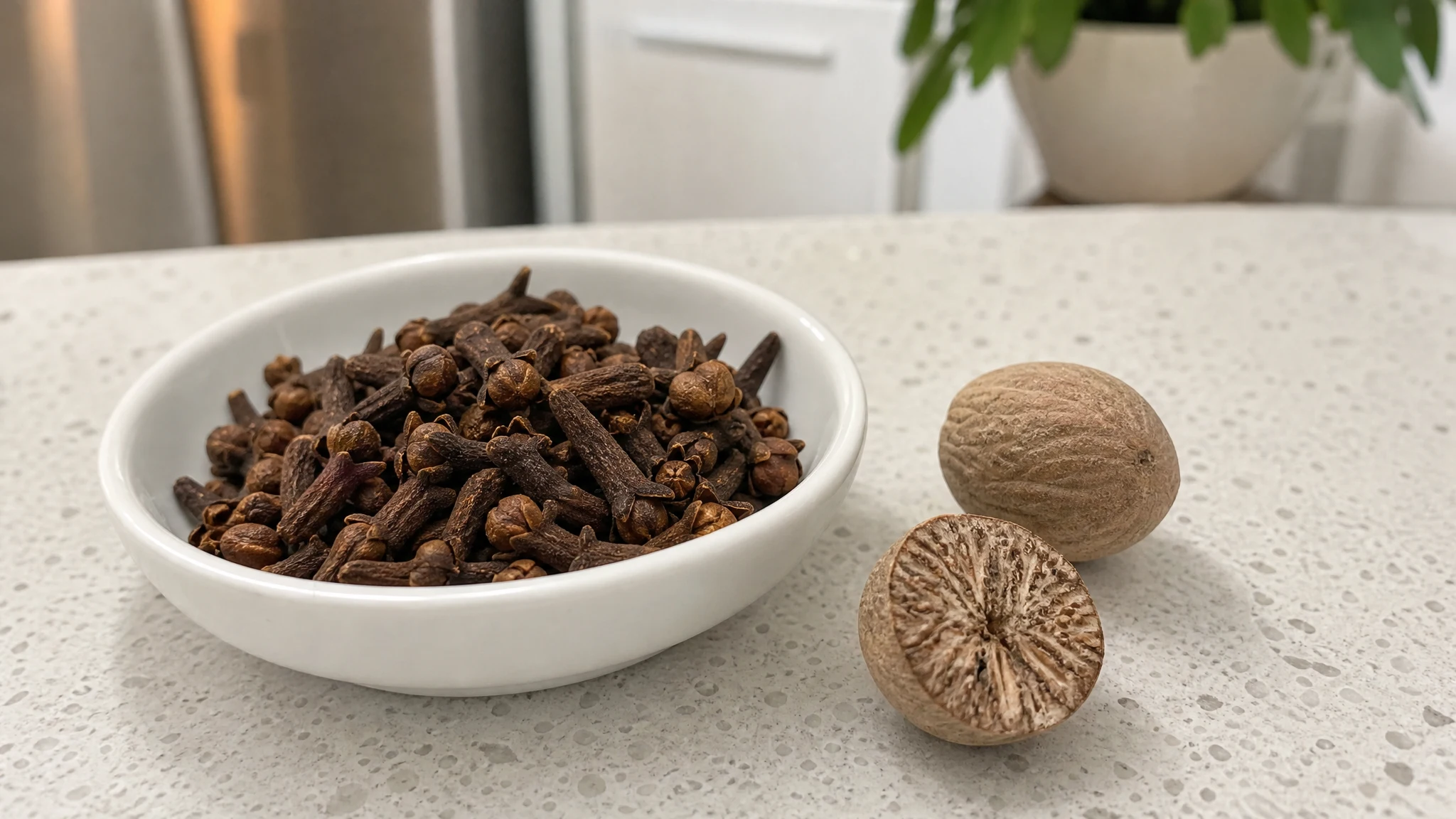
Eugenol is a compound with the formula C10H12O2, and PubChem describes its odour simply as "odor of cloves." It is the main component of clove oil, but only the main one. In the GC-MS report we publish for our bud oil, eugenol is 73.57% by area, eugenyl acetate 12.82%, beta-caryophyllene 7.95%, with limonene, alpha-humulene and a long tail of smaller compounds filling out the rest. Those are area percentages from one report, not a recipe, but they show the point: the oil is a blend nature assembled, and eugenol is the biggest voice in it.
That supporting cast matters for how the oil smells. Our bud oil is warm, rich and sweetly spicy, and our leaf oil is bolder, smoky and drier. A pure eugenol sample would smell like clove in the way a single note of a chord sounds like the song: recognisable, but flat. If you want the aroma people mean by clove, you want the oil. Our bud versus leaf guide shows how two oils from the same tree differ.
Where commercial eugenol comes from
A widely cited review of eugenol's history says commercial eugenol is derived from clove bud or leaf oil, cinnamon leaf oil or basil oil, obtained by steam distillation and then refined, and that it can also be made synthetically. In practice that means treating the oil with alkali to pull out the phenolic compound, then purifying it. So the molecule often does begin life as clove oil, but what reaches a shelf as "eugenol" has been through further processing and is a single chemical, not an essential oil.
So which do you need?
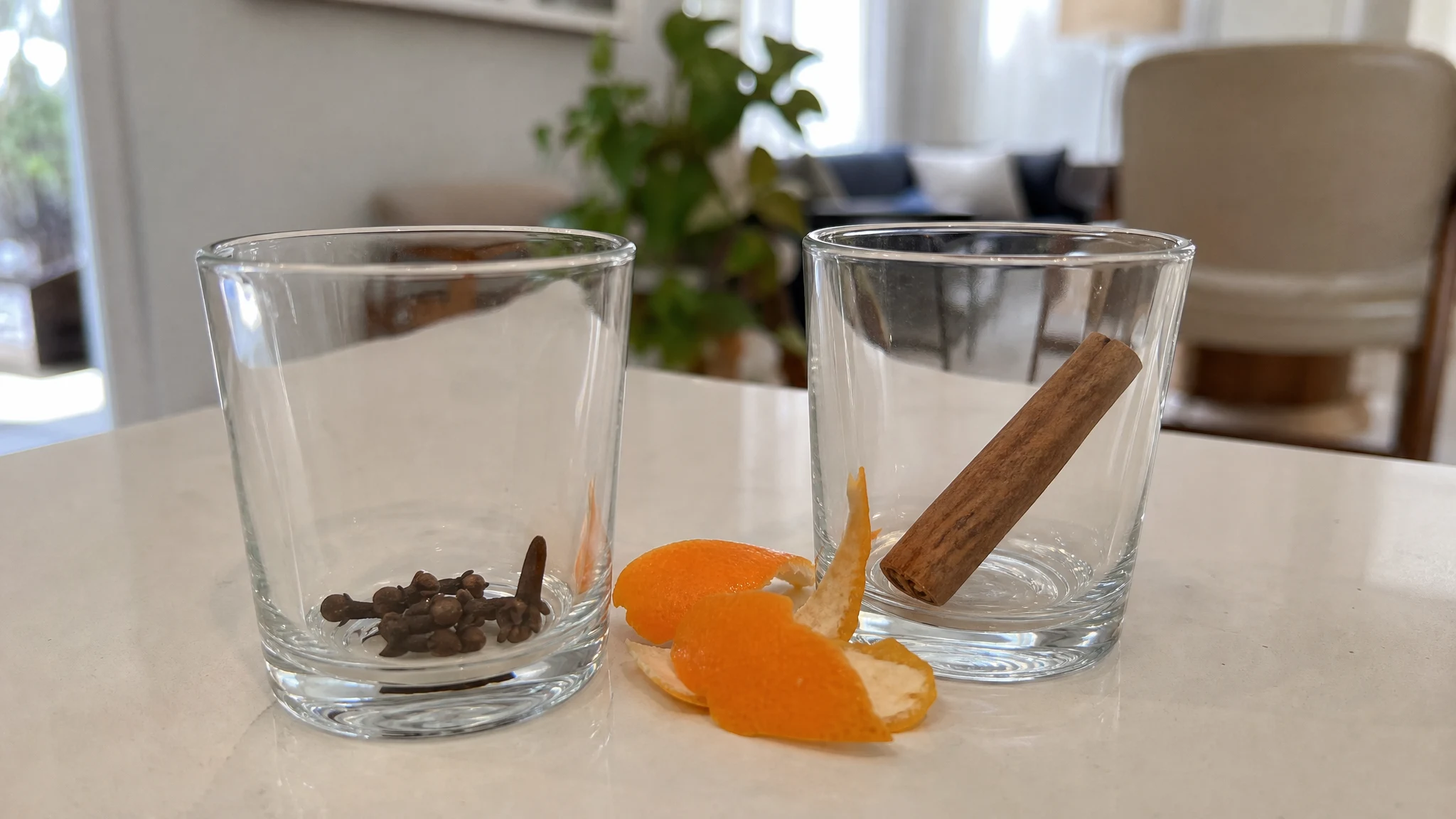
- Scent, candles, soap, simmer pots, diffusing: the oil. This is what we sell, as a bud oil and a leaf oil, each steam-distilled and sold undiluted. See what clove oil is for the basics.
- Dental material: eugenol is used with zinc oxide in dental cements for temporary fillings and similar work, according to the same review. That is a professional product. If you have tooth pain, a dentist is the right person, and our post on clove oil and teeth explains why we leave it there.
- Isolated eugenol for a formula: a chemical or fragrance supplier, and a cosmetic chemist if you are making something to sell. We do not sell isolated eugenol.
Why the whole oil is the better scent
There is also a practical argument. Eugenol-heavy oils are, by their nature, strong, and the accompanying compounds round the edges. Our bud oil's sweeter side plausibly owes something to the eugenyl acetate, and the caryophyllene is a woody-spicy compound; strip those away and what is left is likely louder and narrower, harder to blend and easier to overdo. For a candle, a soap or a simmer pot, the oil gives you depth that a single molecule cannot, and our blending guide shows how to build around it with orange, cedarwood and vanilla.
A note on handling
Because eugenol is the dominant compound in clove oil, the skin cautions for the oil are largely the cautions for eugenol. It is among the 26 fragrance allergens that EU rules require to be declared on cosmetic labels, and a 2024 review of fragrance allergy lists Eugenia caryophyllus oil among the declarable entries. Robert Tisserand's institute gives a recommended topical maximum of 0.5% for clove bud oil, and we start there too. Our own shop guidance for skin use is a dilution between 0.5% and 2% in a carrier oil with a patch test first, and if you are in doubt, the lower end is the sensible one. The post on diluting clove oil has the arithmetic in drops.
Whichever you reach for, the choice is simpler than the search results make it look. If you want the smell of clove in a room, a bar or a candle, you want the oil with all its companions, and the molecule can stay in the chemistry lab.
Clove Essential Oil
Clove Essential Oil from our own shop, in sizes from 0.5 oz to bulk.
From $10.99
Shop Now →Sources & Further Reading
- Eugenol: From the Remote Maluku Islands to the International Market Place: A Review of a Remarkable and Versatile Molecule
- Eugenol | PubChem Compound Summary for CID 3314
- Eugenol: Essential Oil Constituents in Food Part 4, Tisserand Institute
- Fragrance Contact Allergy - A Review Focusing on Patch Testing, Acta Dermato-Venereologica 2024