How to Store Clove Oil: Shelf Life of a Long-Lasting Spice Oil
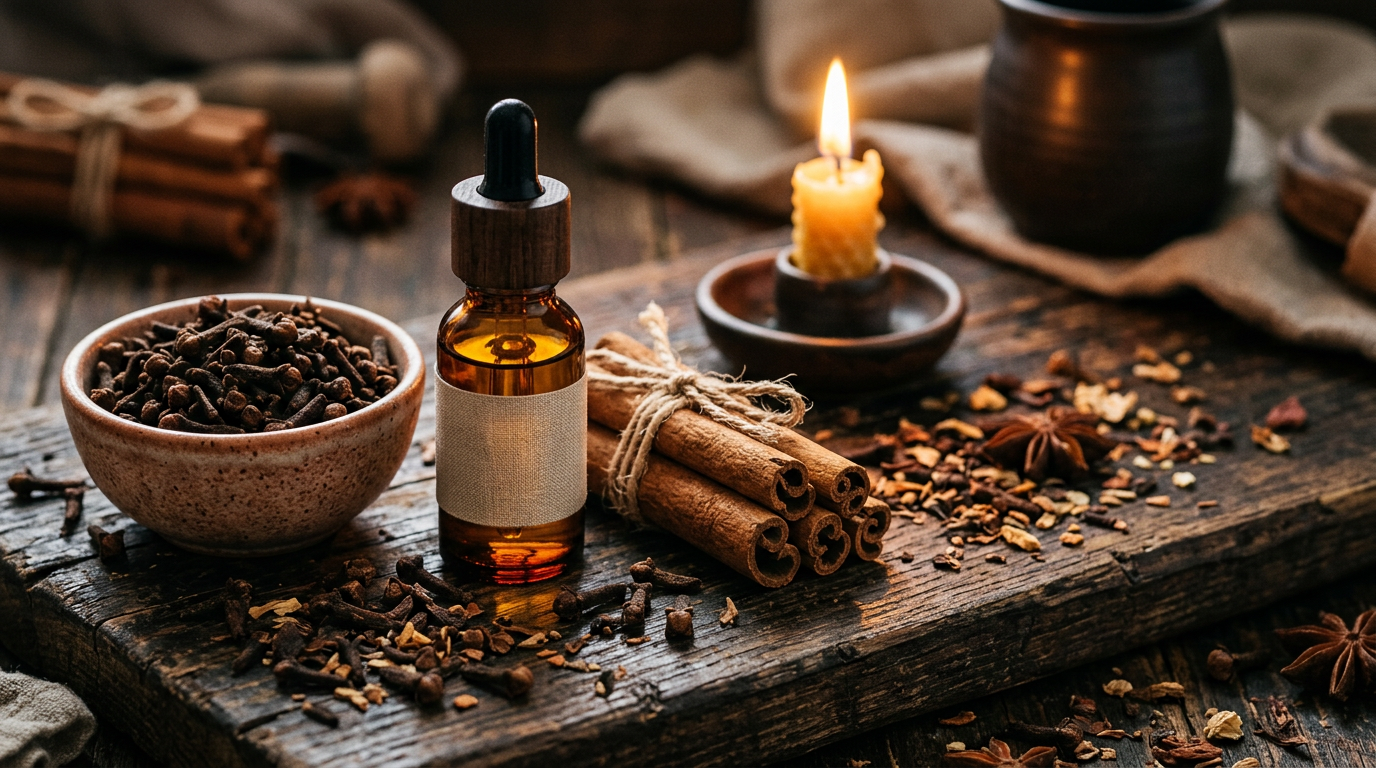
Clove oil is one of the most naturally stable essential oils you can keep in your collection. Pressed from the dried flower buds of Syzygium aromaticum, it carries a high concentration of eugenol, a naturally occurring compound that gives the oil its characteristic staying power. But even a robust oil like clove needs the right storage conditions to reach its full potential lifespan. Store it carelessly, and you will shorten that window considerably.
This guide walks you through everything you need to know: what affects clove oil shelf life, exactly how to store clove oil step by step, and the honest answer to the question does clove oil expire. Whether you bought a small trial bottle or stocked up on a larger supply for your seasonal home rituals, the same core principles apply.
First: Does Clove Oil Expire?
The short answer is yes, though "expire" is a bit of a dramatic word for what actually happens. Essential oils do not spoil the way dairy or fresh produce does. Instead, they oxidize. Over time, exposure to oxygen, light, and heat causes the chemical constituents in the oil to break down and recombine into new compounds. The oil becomes what the industry calls "oxidized" or "degraded."
For clove oil specifically, oxidation tends to show up as a change in scent character. A fresh bottle smells warm, rich, and deeply spicy with a clean bite. An older, oxidized bottle may smell flatter, slightly musty, or even faintly medicinal in an unpleasant way. The color can also shift, often darkening or becoming slightly cloudy.
Practically speaking, a well-stored bottle of pure clove bud oil can remain in excellent condition for three to five years. Some sources suggest even longer under ideal conditions. Compare that to citrus oils, which often start to turn within one to two years, and you can see why clove is beloved by those who like to buy in larger quantities.
For a deeper look at where this oil comes from and what goes into it, our complete guide to Syzygium aromaticum covers the botany, sourcing, and distillation process in full.
What Causes Clove Oil to Degrade Faster
Before diving into the steps, it helps to understand the four main enemies of essential oil freshness. Knowing why they matter makes the storage instructions feel less like arbitrary rules and more like logical responses to real chemistry.
- Oxygen: Every time you open the bottle, a small amount of air enters and starts a slow oxidation process. A half-empty bottle is more vulnerable than a full one because there is more air space above the oil.
- Light: UV and visible light accelerate chemical breakdown. This is precisely why essential oils are almost universally sold in dark amber or cobalt blue glass bottles.
- Heat: Warmth speeds up nearly every chemical reaction, including the ones you do not want happening inside your bottle.
- Moisture: Water contamination can introduce microbial activity and alter the oil's composition. This is especially relevant if you use a dropper and accidentally let condensation enter the bottle.
What You Will Need
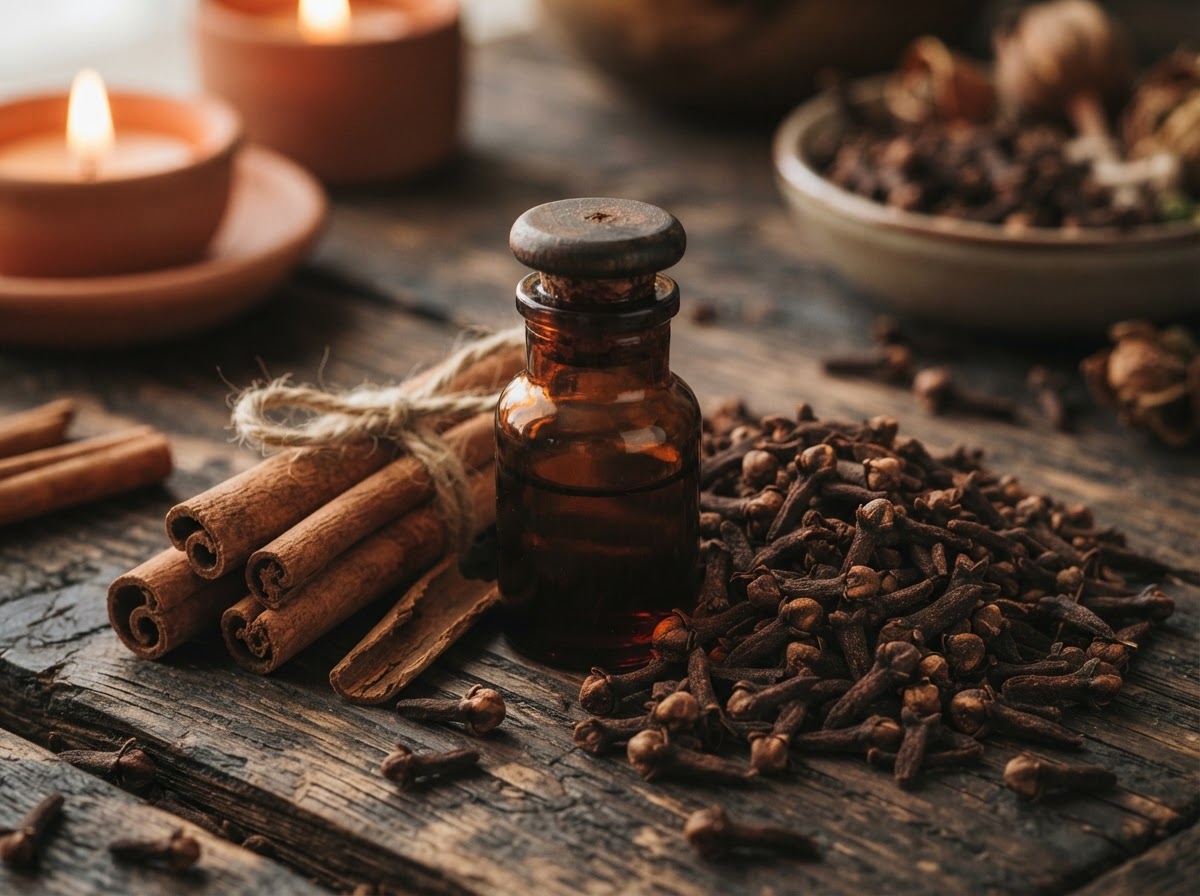
Good storage does not require expensive equipment. Here is a practical list of materials to have on hand before you begin.
- Your clove oil in its original dark glass bottle, or a new dark glass bottle if you are transferring
- A cool, dark storage location (a kitchen cabinet away from the stove, a drawer, or a dedicated essential oil box)
- A small piece of masking tape or a label and a marker
- A refrigerator (optional, but useful for long-term storage of larger quantities)
- Nitrogen spray (optional, for advanced users storing bulk supplies)
- A clean dropper or pipette if you plan to decant into smaller working bottles
Step-by-Step: How to Store Clove Oil Properly
Step 1: Label Your Bottle with a Purchase Date
This one gets skipped constantly, and it is almost always regretted later. The moment you receive your clove oil, write the purchase date on a small label or a piece of tape on the bottle. If you have the batch or lot number from the supplier, note that too.
Why does this matter? Because six months from now, when you are reaching into a cabinet full of oils, you will not remember which bottle is newest and which is getting close to its best-by window. A date label takes five seconds and saves real guesswork.
Step 2: Keep It in Dark Glass
If your oil arrived in a clear glass or plastic bottle, transfer it immediately into a dark amber or cobalt blue glass bottle of the appropriate size. Plastic is particularly problematic because clove oil, like many essential oils with high phenol content, can leach compounds from certain plastic types over time. This changes the oil's composition and can degrade the container.
When choosing a new bottle, try to match the size as closely as possible to the amount of oil you have. A small amount of oil rattling around in a large bottle means a lot of oxygen exposure. Smaller is better.
Step 3: Choose the Right Storage Location
The ideal spot is cool, consistently dark, and away from fluctuating temperatures. A kitchen cabinet positioned far from the oven or stovetop works well for everyday use. A bedroom drawer or a linen closet shelf is even more stable. Avoid bathroom cabinets, which tend to experience regular swings in heat and humidity from showers.
If you live in a warm climate or are storing a large quantity you do not plan to use for a year or more, the refrigerator is a legitimate option. Clove oil stored in the fridge will thicken slightly and may need a few minutes at room temperature before it flows normally. This is harmless. Store it in a sealed bag to prevent it from picking up food odors, and keep it away from produce that releases ethylene gas.
Step 4: Minimize Air Exposure Every Time You Open the Bottle
Develop a habit: open the bottle, use what you need, and close it promptly. Do not leave it sitting open while you prepare your diffuser blend or your diluted massage oil. A few extra seconds of unnecessary exposure add up across dozens of uses.
If you use clove oil frequently, consider decanting a small working amount (perhaps 5 to 10 ml) into a separate small bottle. Use the working bottle daily, and keep the main supply sealed and stored. This dramatically reduces the number of times the primary bottle is opened.
Step 5 (Optional): Use Nitrogen to Displace Oxygen in Larger Bottles
This step is for enthusiasts who purchase clove oil in larger quantities, such as 30 ml, 100 ml, or wholesale sizes. Once you have used roughly half the bottle, there is significant air headspace above the remaining oil. A quick spritz of food-grade nitrogen into the bottle before sealing displaces that oxygen and significantly slows oxidation.
Nitrogen preservation sprays are available through wine supply shops and some aromatherapy suppliers. They are not necessary for a standard 10 ml bottle you use regularly, but they are a worthwhile investment if you buy in bulk.
Step 6: Check Your Oil Periodically
Every few months, take a moment to assess your stored clove oil. Open the bottle and take a slow, considered sniff from a few inches away (never directly from the bottle opening with a sharp inhale). A well-preserved bottle should smell vibrant, warm, and recognizably of clove. Note any significant changes in color or consistency as well.
If the scent has become noticeably flat, sour, or off in a way that is hard to describe but clearly wrong, the oil has likely oxidized past its useful point for aromatic purposes. Oxidized oil is generally best retired from skin-contact or diffusion use.
Tips and Common Mistakes to Avoid
Do Not Store Near Appliances That Generate Heat
This includes dishwashers, refrigerator tops, stovetops, and windowsills. A windowsill might feel like a charming display spot for your oil collection, but direct sunlight and daily temperature swings will shorten clove oil shelf life significantly, often cutting it to a fraction of what it could be.
Do Not Share Droppers Between Bottles Without Cleaning Them
Cross-contamination between oils introduces foreign compounds. Always clean your dropper between uses if you are moving it from one oil to another.
Do Not Assume Refrigeration Is Always Best
For oils you use regularly, the fridge can actually introduce problems if there is repeated condensation forming on the bottle as it moves between cold and room temperature. Regular-use bottles do better at a stable cool room temperature. Save refrigeration for long-term storage of quantities you will not touch for months.
Do Not Ignore the Grade of Oil You Purchased
Clove bud oil, clove leaf oil, and clove stem oil have somewhat different compositions and may not store identically. Bud oil is the most popular for home use and tends to be the most stable of the three. If you are curious about the differences between clove oil forms and even how the oil compares to keeping whole spices around your kitchen, our article on clove oil vs. whole cloves explores that comparison in an enjoyable seasonal context.
Expected Results from Proper Storage
When you follow these steps consistently, you can reasonably expect a quality clove bud oil to maintain its full aromatic richness for three to five years from the purchase date. During that window, the oil should remain clear to pale yellow in color, free of cloudiness or sediment, and true to its characteristic warm, spicy scent profile.
People who diffuse clove oil regularly report that properly stored oil performs consistently from the first use to the last drop, with no noticeable decline in aromatic quality within the expected shelf window. That kind of reliability is one of the reasons clove oil has been a staple of spice-trading cultures for centuries. It travels well. It keeps well. It rewards a little careful attention.
If you have more questions about the oil itself, from sourcing and grades to dilution ratios for different applications, our clove oil FAQ covers 25 of the most common questions we receive in one thorough resource.
A Quick Reference: Clove Oil Storage at a Glance
| Factor | Ideal Condition | What to Avoid |
|---|---|---|
| Light | Dark amber or cobalt glass, stored in dark location | Clear bottles, windowsills, open shelving in bright rooms |
| Temperature | Cool and stable (60 to 70°F / 15 to 21°C) | Near stoves, dishwashers, sunny windows |
| Oxygen exposure | Minimal: close promptly, use working bottles | Leaving bottle open, large air headspace |
| Container material | Dark glass | Plastic, clear glass |
| Expected shelf life | 3 to 5 years under ideal conditions | As little as 1 year under poor conditions |
Safety Note for Use After Storage
Clove oil is a potent oil regardless of age. It should always be properly diluted before any skin contact, typically at 0.5% to 1% in a carrier oil for most applications (following current industry dilution guidelines). Always perform a patch test on a small area of skin before broader use, and wait 24 hours to observe any response. Clove oil is not suitable for use around young children or during pregnancy without guidance from a qualified healthcare provider. If you have any health concerns, please consult your doctor before incorporating essential oils into your routines.
A note on sourcing: The quality of oil you start with matters as much as how you store it. Oil that has already been sitting in a warehouse for two years before it reaches you will not perform like freshly distilled stock, no matter how carefully you store it from that point forward. Look for suppliers who provide batch-specific GC/MS reports and who are transparent about their harvest and distillation dates.