Clove Simmer Pot Recipes: Five Stovetop Blends for the Holidays
There is something almost ceremonial about starting a simmer pot on a cold morning. The moment those whole cloves hit warm water, the kitchen shifts. It smells like something good is happening, even if you are just folding laundry and waiting for the day to begin.
Stovetop potpourri is one of the oldest natural scenting methods around, and for good reason. It requires no special equipment, uses real kitchen ingredients, and fills a whole house with fragrance in under twenty minutes. These five clove simmer pot recipes are built around the holidays, but honestly, most of them are welcome through the entire cold-weather season.
Before we get into the blends, a few practical notes on ingredients, safety, and the small habits that make simmering easy rather than stressful.
What Makes Clove the Backbone of a Holiday Simmer Pot
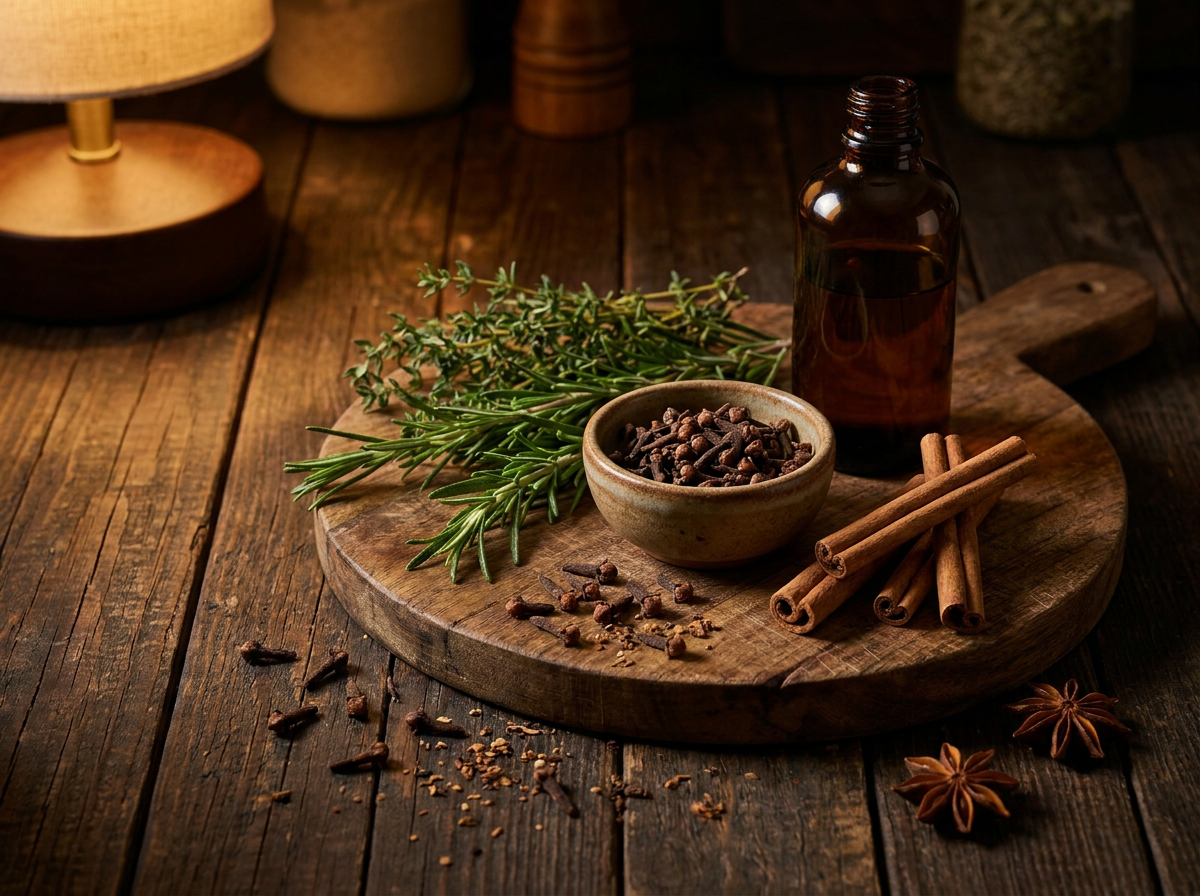
Whole cloves are the workhorse of stovetop potpourri. They release their fragrance slowly and steadily, long after citrus peel has softened and spices have quieted down. The eugenol in clove buds is what gives that deep, warm, almost smoky note that reads unmistakably as the holidays to most people.
You can use whole cloves alone in a simmer pot. But the recipes below layer them with supporting ingredients: citrus, vanilla, evergreen, and warm spices that round out the sharp edges and add complexity. Think of whole cloves as the bass note, and everything else as what gives the blend its personality.
For more background on sourcing quality cloves and understanding the difference between grades, see our complete guide to cozy seasonal use of clove oil at home.
Equipment and Ingredient Notes
What You Need
- A small to medium saucepan or a dedicated simmer pot (2 to 4 quart capacity works well)
- Water (filtered tap water is fine)
- A wooden spoon or ladle for occasional stirring
- A fine-mesh strainer for cleanup
On Fresh vs. Dried Ingredients
Fresh citrus slices smell brighter for the first hour or two, then mellow considerably. Dried orange or lemon slices last longer and hold up well if you plan to simmer the same pot over multiple days. Both work. Use what you have.
On Adding Essential Oils
A drop or two of clove essential oil can deepen any of these blends, especially toward the end of a simmer session when the whole cloves have already given a lot. If you do add essential oil directly to a simmer pot, keep the addition minimal: one to two drops per pot. The steam disperses the oil quickly. More is not better here, and the water dilution keeps concentrations very low.
If you are interested in using clove essential oil beyond simmer pots, the guide on clove oil in the diffuser with cozy spice blends for autumn covers ratios and pairing ideas in detail.
Safety Notes Before You Simmer
Please Read Before Starting
- Never leave a simmer pot unattended. Water evaporates. A pot that boils dry can scorch, smoke, and become a fire hazard. Check water levels every 20 to 30 minutes and top off as needed.
- Keep heat low. A gentle simmer (small bubbles, steady steam) is all you need. A rolling boil wastes water faster and can make the fragrance sharp or acrid rather than warm.
- Ventilate the space. Open a window slightly if you are simmering for several hours, especially in a small kitchen.
- Clove is a strong sensitizer for some people. If you or anyone in your household has known sensitivities to clove or eugenol, use the blends that call for smaller amounts of clove, and keep the room ventilated.
- Pets and simmer pots. Many essential oils and concentrated plant aromatics are not well tolerated by cats, dogs, or birds. Keep pets out of the room where you are simmering, or ensure very good air circulation. Consult your veterinarian if you have concerns.
- Children. Keep simmer pots out of reach of children. The liquid and pot surface are hot, and concentrated spice water should not be ingested.
- These recipes are for aromatic use only. Nothing here is intended for consumption. If you have questions about how aromatic botanicals may interact with your personal health situation, please consult a qualified healthcare provider.
The Five Holiday Clove Simmer Pot Recipes
Recipe 1: Classic Spiced Orange
Difficulty: Very easy | Prep time: 5 minutes | Simmer time: 1 to 4 hours
Ingredients
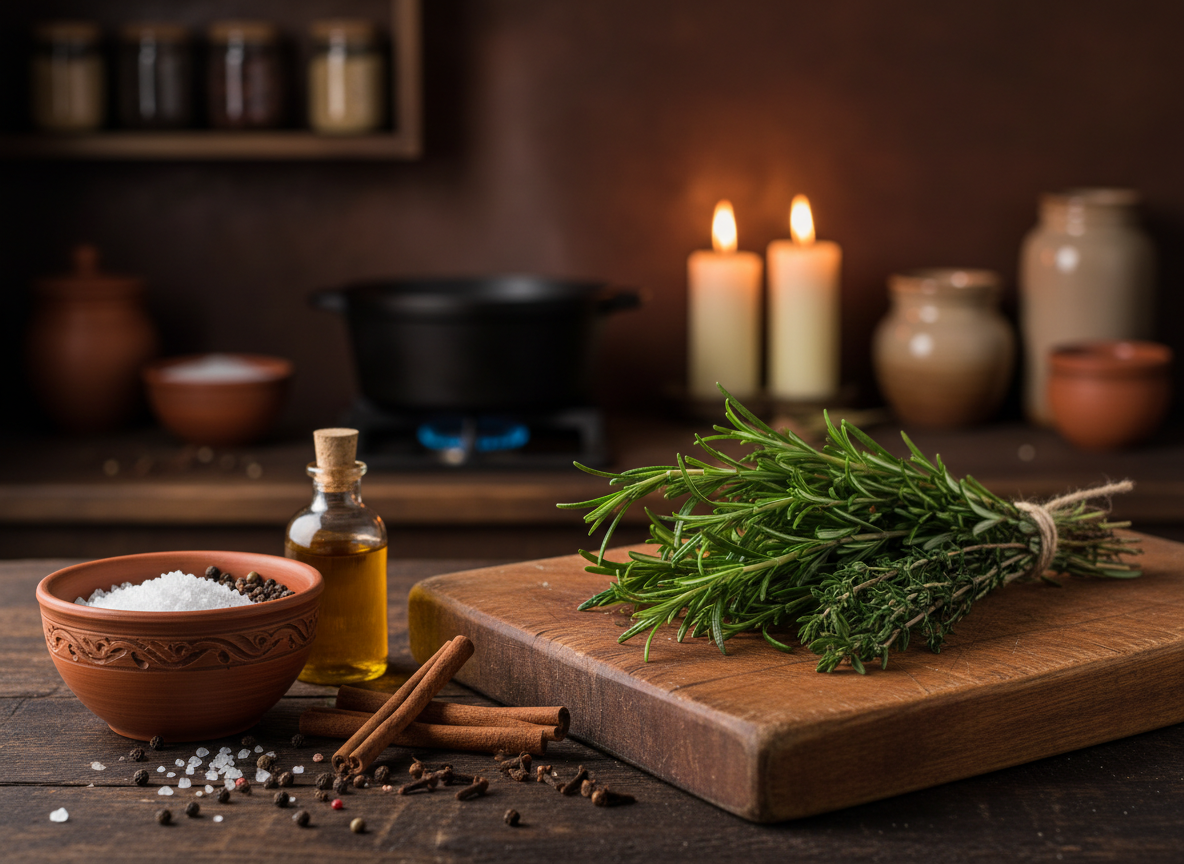
- 1 orange, sliced into rounds
- 2 tablespoons whole cloves
- 3 cinnamon sticks
- 1 teaspoon vanilla extract (or half a vanilla bean, split)
- Water to fill the pot (about 4 to 6 cups)
Instructions
- Add orange slices, cloves, and cinnamon sticks to your pot.
- Pour in enough water to cover the ingredients by about an inch.
- Add vanilla extract.
- Set heat to medium until you see steam and the first small bubbles, then reduce to low.
- Check and top off water every 30 minutes.
Notes: This is the crowd-pleaser. It smells like every good holiday memory at once. The vanilla softens the clove so the overall effect is sweet and warm rather than sharp.
Recipe 2: Cranberry and Clove
Difficulty: Very easy | Prep time: 5 minutes | Simmer time: 1 to 3 hours
Ingredients
- 1 cup fresh or frozen cranberries
- 1.5 tablespoons whole cloves
- 2 cinnamon sticks
- 1 tablespoon dried rosemary (or 2 fresh sprigs)
- Zest of one lemon
- Water to fill the pot
Instructions
- Add cranberries to the pot. As they simmer they will burst, releasing both color and a tart, fruity fragrance.
- Add cloves, cinnamon, and rosemary.
- Add lemon zest.
- Cover with water, bring to a gentle simmer, then reduce heat.
- Watch water levels closely. Cranberries absorb water as they break down.
Notes: The rosemary here is a bit unexpected, but it adds a green, almost forested edge that keeps this from being purely sweet. It reads festive without being heavy.
Recipe 3: Winter Forest
Difficulty: Easy | Prep time: 8 minutes | Simmer time: 1 to 4 hours
Ingredients
- 1 tablespoon whole cloves
- 2 sprigs fresh rosemary
- 2 sprigs fresh thyme
- 3 to 4 fresh pine or spruce needles (a small branch)
- 2 cinnamon sticks
- 1 tablespoon dried juniper berries (optional, adds a brisk, piney note)
- Water to fill the pot
Instructions
- Lightly bruise the rosemary and thyme sprigs by pressing them with the back of a spoon. This helps them release fragrance faster.
- Add all ingredients to the pot with water.
- Bring to a gentle simmer on medium heat, then reduce to low.
- Top off water as needed.
Notes: This one is quieter on the spice front and heavier on the green and resinous side. It works beautifully for an evening when you want something that says cold night, warm house without leaning too sweet.
If you want to extend this kind of scenting throughout your home beyond the kitchen, the article on scenting every room with clove oil from autumn porch to cozy den has room-by-room ideas worth bookmarking.
Recipe 4: Mulled Cider Spice
Difficulty: Easy | Prep time: 5 minutes | Simmer time: 1 to 3 hours
Ingredients
- 2 tablespoons whole cloves
- 3 cinnamon sticks
- 2 star anise
- 1 teaspoon whole allspice berries
- 1 apple, sliced (any variety)
- 1 orange, sliced
- Water to fill the pot
Instructions
- Add all spices and fruit slices to the pot.
- Fill with water, bring to a simmer, then reduce heat to low.
- As the apple slices soften, gently press them with a spoon to release more fragrance.
- Top off water every 30 minutes.
Notes: This smells almost exactly like mulled cider warming on a stove. The star anise adds a faintly licorice-sweet note that rounds out the clove beautifully. A good choice for holiday gatherings when you want the kitchen to do the welcoming before you even say hello.
Recipe 5: Vanilla Chai
Difficulty: Easy | Prep time: 10 minutes | Simmer time: 1 to 3 hours
Ingredients
- 1.5 tablespoons whole cloves
- 1 cinnamon stick
- 1 teaspoon whole cardamom pods, lightly crushed
- 1 teaspoon whole black peppercorns
- 1 vanilla bean, split (or 2 teaspoons vanilla extract)
- 3 to 4 slices fresh ginger root
- Water to fill the pot
Instructions
- Crush cardamom pods gently with the flat of a knife to open them slightly.
- Add all ingredients to the pot with water.
- Bring to a simmer on medium heat, then reduce to low.
- The ginger and pepper give this blend a bit of brightness and warmth. Check water frequently as ginger tends to absorb liquid.
Notes: This is the most complex of the five blends. The pepper adds a lift that keeps everything from feeling heavy, and the cardamom creates a slightly floral layer under the spice. It is a good pick for cozy mornings or long afternoon reading sessions.
Storage and Reuse Instructions
How Long Does a Simmer Pot Last?
Most of these blends can be used for 2 to 3 days if stored properly. After simmering, let the pot cool completely, then transfer the contents (liquid included) to a covered container or jar and refrigerate.
When you are ready to simmer again, return everything to the pot and add fresh water to replace what evaporated. Whole spices hold up well for multiple sessions. Citrus fruit and fresh herbs start to lose their brightness after the second day. Fresh cranberries break down faster than dried or citrus and are usually spent after one long session.
Maximum Shelf Life
| Ingredient Type | Refrigerated Shelf Life |
|---|---|
| Whole dried spices (cloves, cinnamon, star anise) | 5 to 7 days in the liquid |
| Fresh citrus slices | 2 to 3 days |
| Fresh herbs (rosemary, thyme) | 2 to 3 days |
| Fresh cranberries | 1 to 2 days |
| Fresh ginger | 4 to 5 days |
Discard the contents when the water smells musty or fermented rather than fragrant. That is a clear sign the batch is done.
Variations and Substitutions
- No fresh citrus: Dried orange or lemon slices work in every recipe that calls for fresh. Use about half the quantity since the flavors are more concentrated in dried fruit.
- No whole cloves: Ground cloves can be substituted in a pinch. Use about half a teaspoon of ground cloves in place of a tablespoon of whole cloves. The fragrance will be stronger initially and fade faster.
- Adding clove essential oil: One to two drops of clove essential oil added to any of these pots near the end of a session can refresh and deepen the fragrance. Add it to the water, not directly to a hot surface.
- Evergreen additions: A small sprig of cedar, fir, or pine can be added to any of the five recipes for a more forested character.
- Making it gift-ready: Measure out dry ingredients (whole cloves, cinnamon sticks, star anise, dried orange slices) for any of these blends and layer them in a small mason jar. Attach a tag with the water quantity and instructions. A thoughtful handmade gift for neighbors, teachers, or anyone who loves a cozy home.
A Few Final Thoughts on Simmering Well
The most common mistake people make with stovetop potpourri is walking away and forgetting about it. Set a timer. Every 30 minutes is a good rhythm for checking water levels. Keep a small pitcher of water near the stove so topping off is easy rather than a project.
Low and slow is always the right approach. A pot that barely whispers steam will fill your home with fragrance just as effectively as one at a rolling boil, and it will last twice as long on the same amount of water.
Start simple. Recipe 1 (Classic Spiced Orange) is the most forgiving and universally loved. Once you are comfortable with the rhythm of checking and topping off, the other blends are just as easy.
Clove simmer pot recipes are one of the few truly effortless seasonal rituals. Real ingredients, no devices to charge, no cartridges to replace. Just a pot, some water, and the kind of fragrance that makes a house feel genuinely inhabited and warm.