Clove Oil in the Diffuser: Cozy Spice Blends for Autumn Evenings
There is a specific moment every autumn when the air changes. The light goes golden, the first cool evening rolls in, and something in your body says: it is time to nest. That is exactly when clove oil earns its place on the diffuser shelf.
Clove oil has been traded along spice routes for centuries, prized for its deep, warm, almost resinous scent. In the diffuser, it does something no pumpkin-spice candle can quite replicate. It fills a room with a richness that smells genuinely old-world, like a kitchen that has been baking since morning. And because it is a concentrated essential oil rather than a synthetic fragrance, the scent layers and evolves as it diffuses rather than simply sitting flat in the air.
This guide is for anyone who wants to move past single-note diffusing and start building autumn diffuser recipes that feel intentional and seasonal. We will cover why clove pairs so beautifully with fall aromatics, how to diffuse it safely, and a handful of tested blends you can start using tonight.
Why Clove Oil Is Having a Moment Right Now
Autumn has always driven a spike in spice-scented everything. Candles, hand soaps, room sprays, baked goods. But more people are reaching past the synthetic options and looking for something with a cleaner ingredient list. Clove essential oil fits that shift well.
A bottle of quality clove bud oil contains one primary ingredient: the steam-distilled essence of Syzygium aromaticum buds. No fragrance carriers, no stabilizers, no color additives. For people building more intentional home rituals this season, that transparency matters.
There is also a practical reason clove is trending in diffuser conversations right now. As people spend more time indoors during the colder months, they want their spaces to feel welcoming rather than stale. A well-chosen diffuser blend can shift the mood of a room in minutes. Clove oil, with its naturally bold character, punches above its drop count in a way that lighter oils simply do not.
If you are new to working with clove oil at home, our complete guide to clove oil for cozy seasonal living is a good place to build your foundation before diving into blending.
Understanding Clove Oil Before You Blend
Clove essential oil comes in three forms: bud, leaf, and stem. For diffusing, clove bud oil is the standard recommendation. It has a rounder, sweeter aromatic profile compared to clove leaf or stem, which can smell sharper and more medicinal. If your bottle does not specify which part of the plant was distilled, check with the supplier before committing to a blend.
The dominant component in clove bud oil is eugenol, which gives it that characteristic warm, spicy, slightly sweet character. It is this same compound that makes clove oil quite potent. A little goes a long way in the diffuser.
How Many Drops of Clove Oil Should You Diffuse?
This is the question most new users get wrong. Because clove oil is so assertive, the instinct to add more drops for a stronger scent usually backfires. Too much clove in a diffuser blend can become overwhelming and may cause irritation to eyes or airways, especially in small rooms.
- Small room (under 150 sq ft): 1 to 2 drops of clove bud oil, total in the blend
- Medium room (150 to 300 sq ft): 2 to 3 drops
- Large open space: 3 to 4 drops maximum
These are starting points. Diffuse for 30 to 60 minutes at a time rather than running the diffuser continuously. Take breaks and assess the scent intensity in the room from the doorway, where you will get the most honest read of how it registers to someone just walking in.
Keep the room ventilated. Clove oil is not appropriate for continuous, all-day diffusing, and it should be used cautiously around pets, particularly cats and birds, who are more sensitive to concentrated aromatic compounds. Consult a veterinarian before diffusing any essential oil in a space your pets regularly occupy.
The Art of Blending: What Pairs Well with Clove
Clove oil is a base and middle note in aromatherapy blending terms. It anchors a blend and gives it lasting presence. The oils that work best alongside it tend to be either complementary spices or bright citrus notes that keep the blend from becoming too heavy.
Top Pairing Choices for Autumn
- Sweet orange or wild orange: The classic pairing. Citrus lifts the clove and adds a jammy, almost mulled-wine warmth.
- Cinnamon bark or cinnamon leaf: Use sparingly. Cinnamon is another assertive oil, and the combination with clove can become cloying if overused. One drop of cinnamon to two of clove is a safe ratio to start.
- Cardamom: Adds a green, slightly cooling edge that balances clove's heaviness beautifully. A surprising pairing that works exceptionally well.
- Cedarwood (Atlas or Virginian): Grounds the blend with a woody softness. Good for evening diffusing when you want something quieter.
- Frankincense: Adds resinous depth and a subtle smokiness. Pairs with clove to create something almost ceremonial in character.
- Ginger: Fresh and slightly peppery, ginger brings a brightness to clove blends that sweet orange sometimes cannot. Great for daytime autumn diffusing.
- Black pepper: A single drop adds complexity. Use only in larger room blends and only if you enjoy a drier, spicier profile.
Five Autumn Diffuser Recipes to Try This Season
Each recipe below is formulated for a standard 100 ml ultrasonic diffuser. Adjust drops proportionally for larger capacity models. Always add your oils to the water in the diffuser rather than mixing them separately unless your diffuser manual specifies otherwise.
1. The Mulled Cider Blend
This is the one that stops people in the hallway. It reads as festive without being overtly holiday-specific, which makes it perfect for early autumn.
- 3 drops sweet orange
- 2 drops clove bud
- 1 drop cinnamon leaf
- 1 drop cardamom
Best time to diffuse: Late afternoon into early evening. This blend fills a medium-sized living room well and fades gracefully rather than overstaying its welcome.
2. The Forest Floor Blend
For evenings when you want something quieter and more grounded. Less sweet, more contemplative.
- 3 drops cedarwood
- 2 drops frankincense
- 1 drop clove bud
- 1 drop black pepper
Best time to diffuse: Evening wind-down. The resinous, woody character of this blend works well in a reading room or bedroom space.
3. The Spiced Kitchen Blend
This one smells like something is baking even when nothing is. Good for a Sunday morning when the weather has turned cold.
- 3 drops ginger
- 2 drops clove bud
- 2 drops sweet orange
- 1 drop nutmeg (if available)
Best time to diffuse: Morning through midday. The ginger keeps it bright enough for daytime use without feeling heavy.
4. The Fireside Blend
A deeper, more smoky autumn blend built around frankincense and clove. This one works especially well in larger open spaces.
- 3 drops frankincense
- 2 drops clove bud
- 2 drops sandalwood or cedarwood
- 1 drop wild orange
Best time to diffuse: Evening gatherings. The frankincense provides a slow-burning aromatic base that makes the blend feel lived-in and warm rather than sharp.
5. The Market Day Blend
Bright and spicy, this blend takes inspiration from autumn farmers markets: citrus, root spices, and the smell of cool air. Good for energizing a home office or kitchen on a grey morning.
- 3 drops lemon or bergamot
- 2 drops ginger
- 1 drop clove bud
- 1 drop cardamom
Best time to diffuse: Morning hours. The citrus top notes make this too bright for evening use but genuinely invigorating earlier in the day.
Diffusing Clove Oil Safely: What You Need to Know
Clove oil is one of the more potent essential oils in common home use. Safe diffusing habits matter, and they are worth reviewing before you set up a new seasonal routine.
People Who Should Use Extra Caution
Those who are pregnant, nursing, or have young children in the home should consult a qualified healthcare provider before incorporating clove oil into a regular diffusing practice. Young children, particularly infants and toddlers, are more sensitive to strong aromatic compounds. Diffusing in spaces where young children sleep is not recommended without professional guidance.
If anyone in your household has respiratory sensitivities, introduce any new clove blend slowly. Start with a 15-minute diffusion session with the room well-ventilated, and pay attention to how everyone responds before committing to a longer session.
Keep Your Diffuser Clean
Clove oil's richness means it can leave residue in the diffuser water reservoir more quickly than lighter oils. Wipe your diffuser out after each clove-heavy session with a cotton swab dipped in a small amount of rubbing alcohol, then rinse with clean water. This keeps the next blend tasting true and prevents any residual buildup from affecting your diffuser's misting function.
Quality of Oil Matters
Adulterated or synthetic clove oils are common in the mass market. An oil that is mostly synthetic eugenol will smell sharper and more chemical than a properly distilled clove bud oil. Look for suppliers who provide GC/MS (gas chromatography/mass spectrometry) testing reports. A genuine clove bud oil should smell rich, warm, and slightly sweet, not harsh or industrial.
Seasonal Variations: Taking These Blends Through October and November
These blends are designed to evolve with the season. Early autumn calls for brighter, citrus-forward versions. As October deepens and November arrives, you may find yourself reaching for the darker, woodier blends more often.
A few seasonal adjustments worth trying:
- Early fall (September into early October): Lean on sweet orange and ginger with your clove. Keep the blends lighter and fresher to match the transitional weather.
- Mid-autumn (October): Shift toward the Mulled Cider and Fireside blends. The air has turned and the mood supports something richer.
- Late autumn (November): This is frankincense and cedarwood season. The Forest Floor blend comes into its own when the trees are bare and the evenings close in early.
Clove oil also pairs well with holiday season scents like balsam fir and pine when you are ready to start bridging into winter diffusing. A single drop of clove bud added to a pine or fir blend gives it body and stops it from smelling too astringent.
If you enjoy working with clove's scent beyond the diffuser, you might also love our guide to making a DIY clove and orange pomander spray. It is a wonderful companion to a diffuser practice, especially for scenting smaller spaces like closets, entryways, and linen drawers.
Building a Clove Diffuser Ritual
The best home fragrance practices are built around routine, not occasion. Diffusing the same blend at the same time each day gives your home an aromatic signature that guests notice immediately and that your own nervous system begins to associate with rest or focus or warmth, depending on when and where you use it.
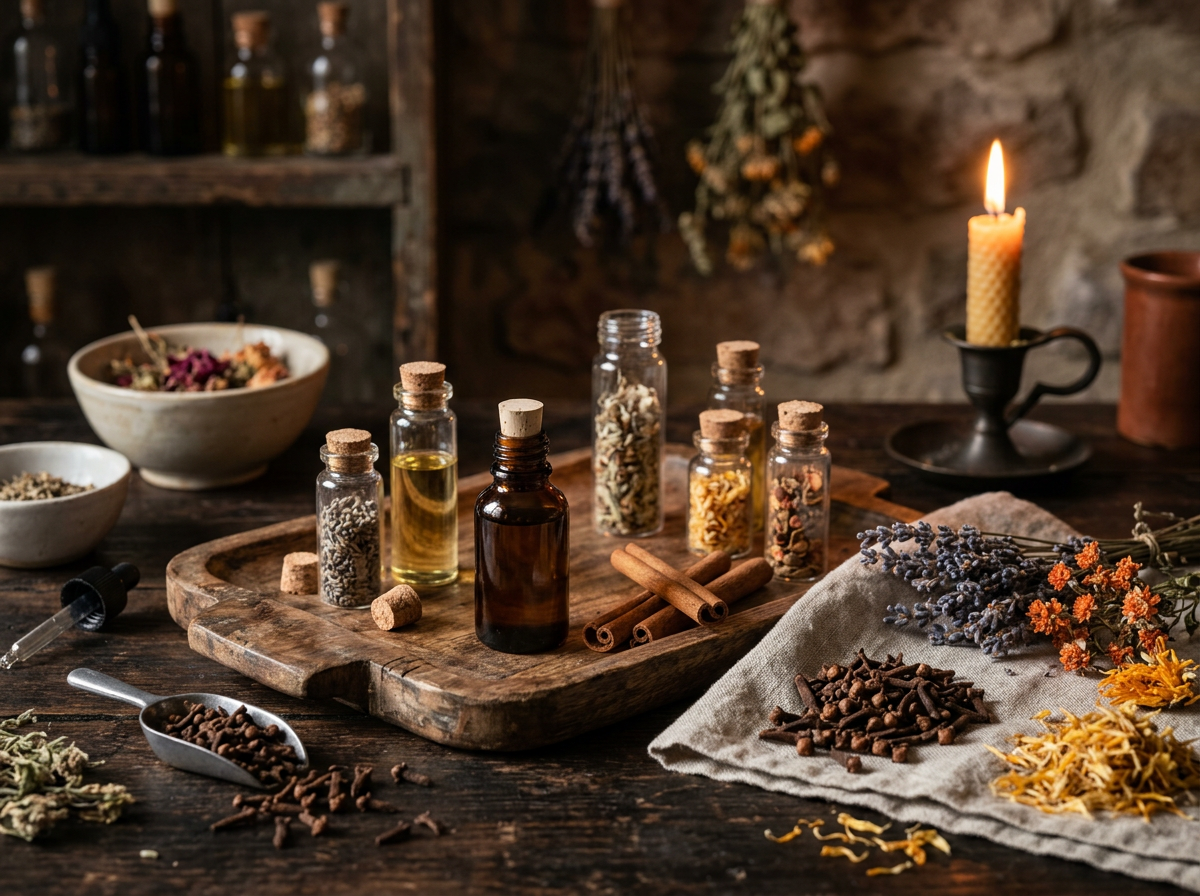
An evening ritual might look like this: fill the diffuser, add your chosen blend, light a candle nearby, and let the diffuser run for 45 minutes while you cook or read. By the time you sit down for the evening, the room carries a warmth that did not come from a single source but from layering small, intentional habits.
Clove oil is particularly well-suited to this kind of ritual because its scent has staying power. Even after the diffuser shuts off, the aromatic quality lingers in soft furnishings and wooden surfaces in a way that lighter oils do not. That is the spice-trade legacy of clove: it has always been a scent that stays.
For a broader look at how to bring clove oil into your home across all four seasons, our complete seasonal guide to clove oil at home covers everything from linen sprays to stovetop simmer pots. And if you are curious about using clove oil's bold character in your cleaning routine, our piece on spice-scented natural cleaning sprays is worth a look before you stock up for the season.
A Note on Storage and Shelf Life
If you are stocking up on clove bud oil for the season, store it correctly to protect your investment. Keep the bottle in a cool, dark location away from direct sunlight and heat sources. An amber or dark cobalt glass bottle is standard for good reason: UV exposure degrades the quality of essential oils over time.
A properly stored clove bud oil will typically maintain its aromatic quality for three to five years. Signs that your oil has turned include a noticeably different scent profile (often sharper, more sour, or chemical-smelling) or a change in viscosity. When in doubt, do a scent comparison with a fresh bottle from the same supplier.
For autumn diffusing, a 10 ml bottle will last most households through the season if you are using two to three drops per session. A 15 ml or larger bottle makes sense if you plan to blend across multiple recipes or share with others.
Final Thoughts on Autumn and Clove
Clove oil in the diffuser is one of those small home rituals that costs very little and returns a lot. It does not require an elaborate setup or an expensive collection of oils. Start with clove bud, sweet orange, and cedarwood, and you have the building blocks for most of the blends in this guide.
The season is short. The evenings are good. Set up the diffuser.