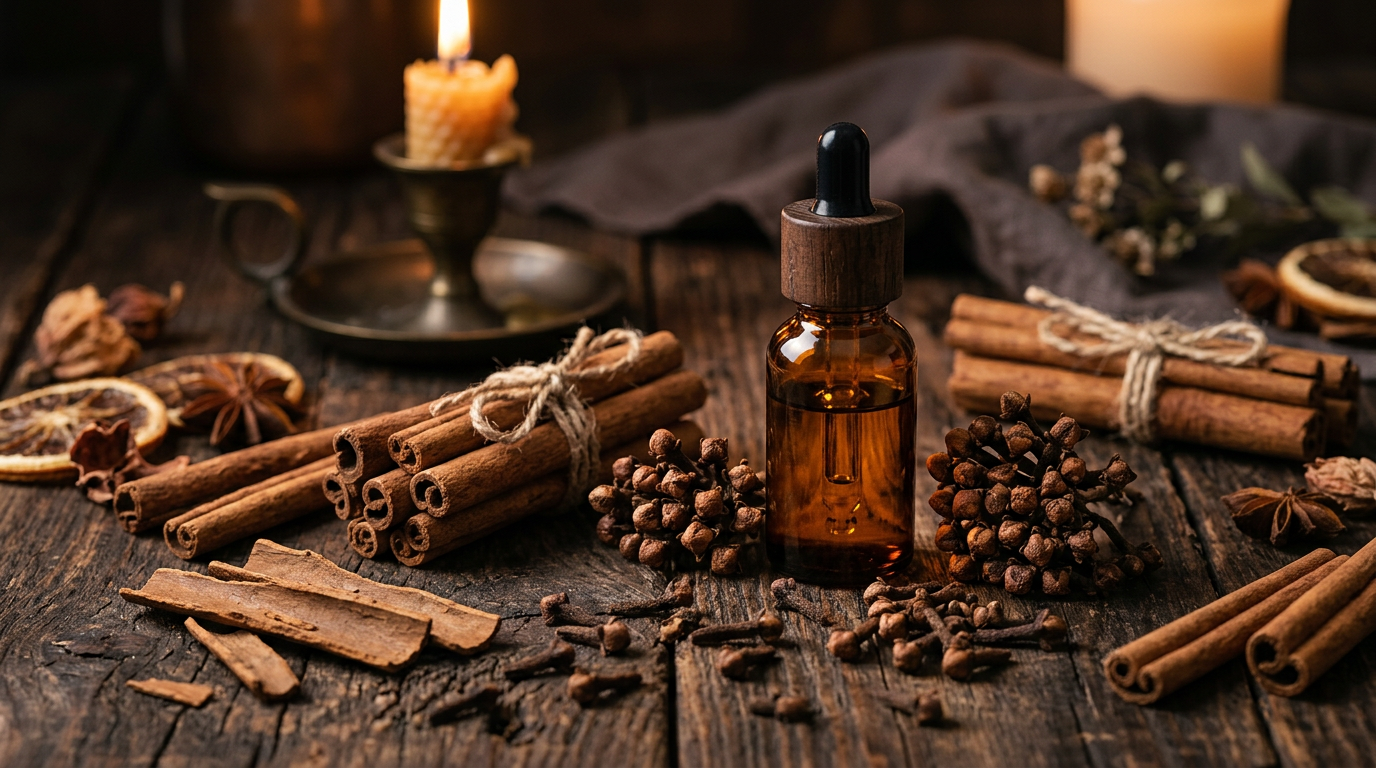
The Dutch Spice Monopoly: When Cloves Were Worth Their Weight in Gold
There is a small, dried flower bud sitting somewhere in your spice rack right now that once caused wars. It funded empires. It drove sailors to circumnavigate the globe in leaking wooden ships. And for roughly a century, a single corporation held a stranglehold on its supply so absolute that growers who dared cultivate it without permission were killed.
Cloves have a long memory. Understanding that history is not merely a romantic footnote. It shapes where the best clove essential oil comes from today, how it is graded, and why sourcing transparency matters so much when you pick a bottle off the shelf.
This deep dive covers the full picture: the Dutch East India Company's grip on the spice trade, the chemistry behind what makes clove oil distinctive, what current research observes about its key compounds, and how to read quality indicators before you buy.
The Spice That Built a Company
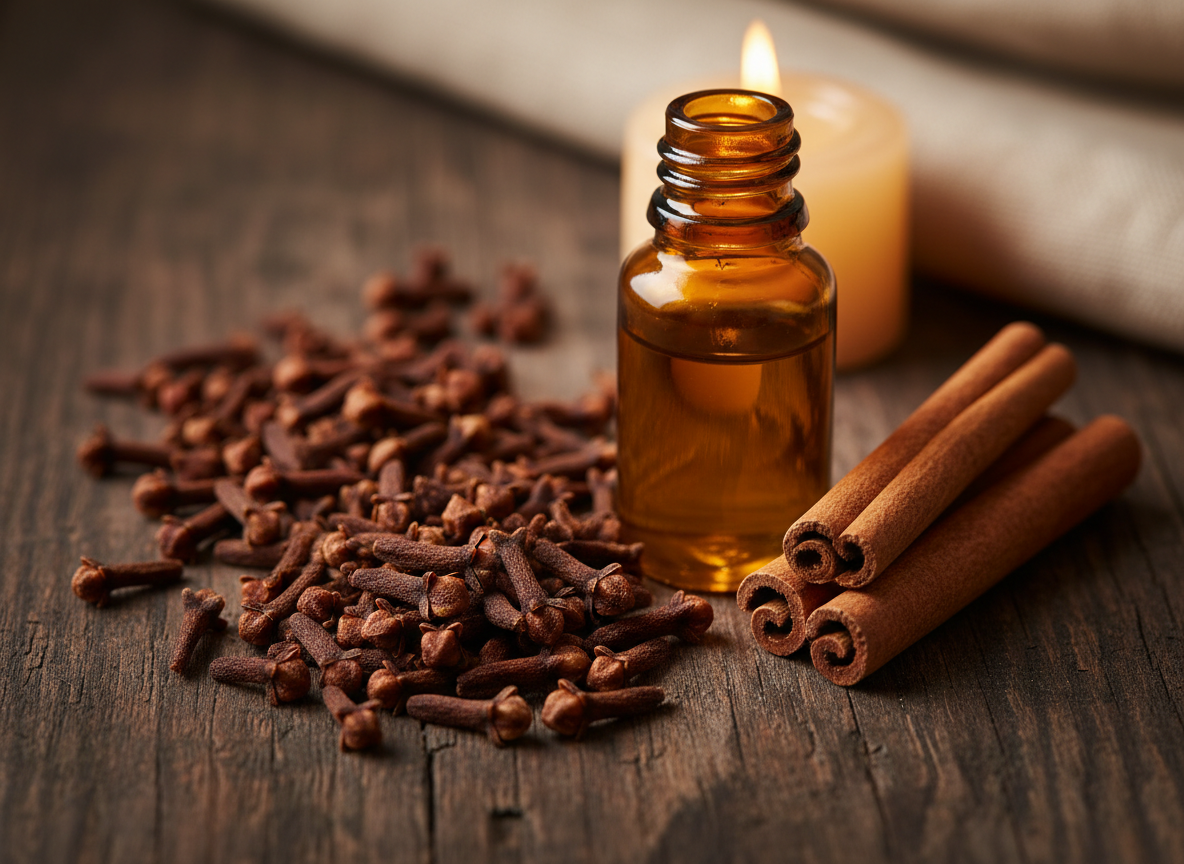
Cloves are the dried, unopened flower buds of Syzygium aromaticum, a tree native to a tiny cluster of volcanic islands in what is now eastern Indonesia. The Banda Sea, the Maluku archipelago, the islands of Ternate and Tidore: these were, for centuries, the only places on earth where cloves grew. That geographic accident made them extraordinarily valuable and extraordinarily easy to control.
Arab traders had moved cloves westward for more than a thousand years before European ships arrived. By the time Portuguese navigator Ferdinand Magellan's fleet reached the Maluku Islands in 1521, a single shipload of cloves could turn a profit large enough to fund the entire expedition and still leave change. For a fuller picture of those early trade networks, the complete history of cloves and the spice trade traces the routes from antiquity through the colonial era.
The Dutch East India Company, founded in 1602 and known by its Dutch initials as the VOC, was not content with competing for that trade. It wanted to own it. By the 1620s, the VOC had seized the clove-producing islands by force, massacred or enslaved much of the indigenous Bandanese population, and established a system of enforced cultivation that allowed the company to dictate global supply. Clove trees growing outside VOC-sanctioned islands were uprooted. Smuggling cloves carried the death penalty.
This was the spice monopoly history that shaped a commodity. The VOC held its grip for over a century, until a French horticulturalist named Pierre Poivre smuggled seedlings out of the Malukus in the 1770s and planted them in Mauritius. From there, clove cultivation spread to Zanzibar, Madagascar, Sri Lanka, and eventually to the global production map we recognize today. If you want to understand how Zanzibar became the world's most famous clove island, the article on Zanzibar and the clove tells that story beautifully.
From Bud to Bottle: How Clove Essential Oil Is Made
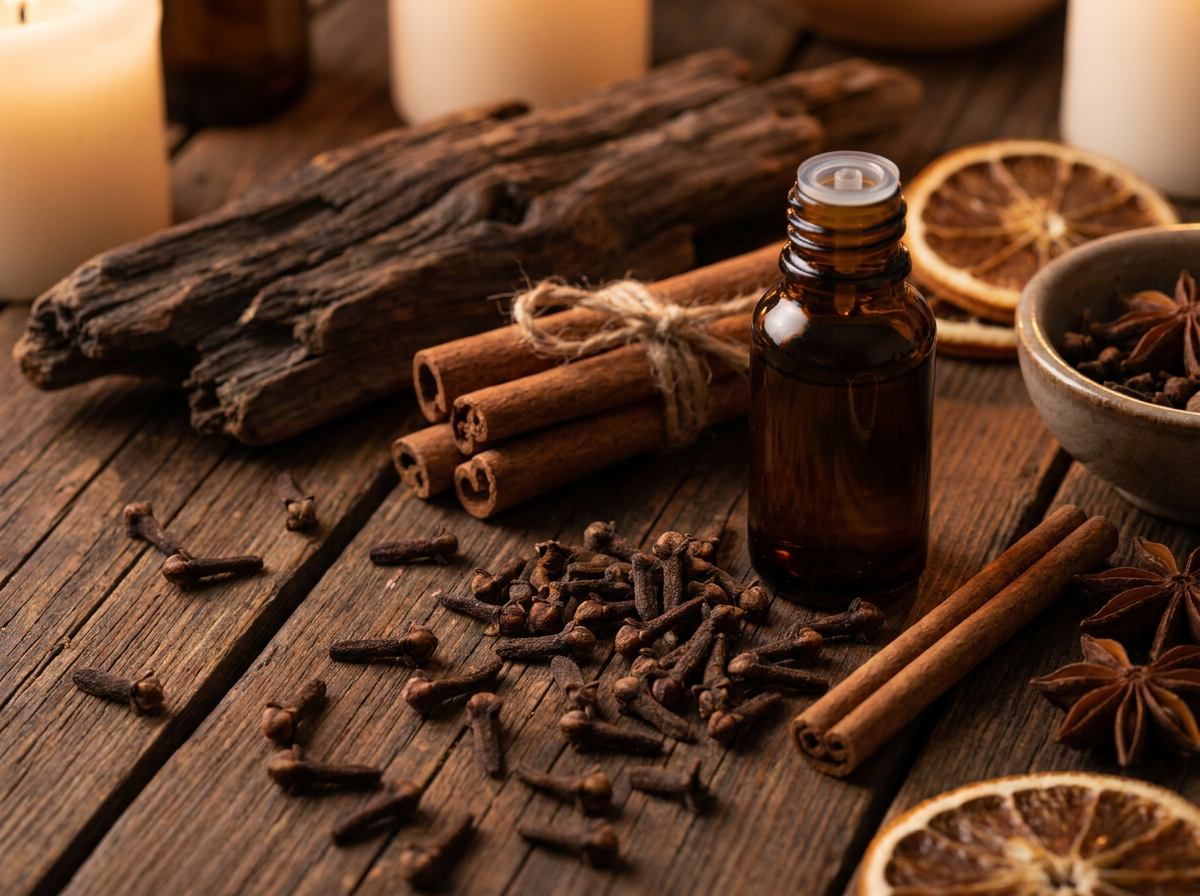
Clove essential oil is produced by steam distillation, and the part of the plant used matters enormously. Three distinct oils come from the clove tree, each with a different chemical profile and different practical uses.
- Clove bud oil: Distilled from the dried, unopened flower buds. This is the most prized grade for general use. It has the most balanced composition and the lowest concentration of certain compounds that can cause sensitivity.
- Clove leaf oil: Distilled from the leaves. Significantly higher in eugenol, more pungent, and generally less expensive. Widely used in industrial flavoring and fragrance.
- Clove stem oil: Distilled from the small woody stems. Intermediate in composition, rarely sold for home use.
When you are reading product labels, the distinction between bud, leaf, and stem oil is the single most important quality indicator to check. A bottle labeled simply "clove oil" with no further specification is a flag worth investigating.
The Chemistry of Clove: Key Compounds
Clove bud oil has one of the most well-characterized chemical profiles in aromatherapy. Its composition is dominated by a single phenolic compound, but the supporting cast of molecules is what gives the oil its full character.
Eugenol
Eugenol typically comprises between 72 and 90 percent of clove bud essential oil, depending on origin and harvest timing. It is a phenylpropanoid compound with the molecular formula C10H12O2. Dentists and researchers will recognize it from dental materials, where it has been used for decades as a component of temporary cements and impression pastes. In the essential oil, eugenol is responsible for the sharp, spicy-warm top note and the slight numbing sensation on skin contact.
Research published in food chemistry and phytochemistry journals consistently identifies eugenol as the compound most responsible for clove's sensory signature. Some laboratory studies observe that eugenol interacts with certain biological pathways at a cellular level, though researchers are careful to note that in vitro findings do not directly translate to conclusions about whole-body effects in humans.
Eugenyl Acetate
This ester of eugenol typically appears at concentrations of 5 to 15 percent in clove bud oil. It contributes a softer, slightly floral quality to the scent profile and may moderate some of the sharper characteristics of eugenol in the overall blend. Clove leaf oil, by contrast, contains very little eugenyl acetate, which partly explains its rawer, more aggressive smell.
Beta-Caryophyllene
Present at roughly 5 to 12 percent in well-sourced bud oil, beta-caryophyllene is a sesquiterpene that also appears prominently in black pepper, copaiba, and some cannabis varieties. It is notable because it is one of the few terpenes studied for its interaction with the endocannabinoid system's CB2 receptors. Research in this area is ongoing and preliminary. What is observable is that beta-caryophyllene contributes a woody, slightly peppery depth to clove oil's overall character.
Alpha-Humulene and Minor Compounds
Alpha-humulene, another sesquiterpene, appears in smaller quantities. Traces of methyl eugenol, acetyl eugenol, and various terpene alcohols round out the profile. Gas chromatography and mass spectrometry analysis (GC-MS) from reputable suppliers will show these compounds on a certificate of analysis, which is one of the key documents to request when evaluating a supplier's quality.
What Research Observes About Clove Oil Compounds
This section is framed carefully and intentionally. Laboratory and early-stage research can observe how compounds behave in controlled settings. Those observations are interesting and worth sharing. They are not evidence that using clove essential oil at home will produce the same effects in your body, and they are not a substitute for professional health guidance.
With that framing clearly in place, here is what the literature documents.
Eugenol and Cellular Studies
In vitro studies (meaning: studies conducted in lab dishes or test tubes, not in humans) have observed eugenol's interactions with various cellular mechanisms. Some research suggests eugenol may influence certain enzyme pathways associated with oxidative stress responses. A 2021 review in the journal Molecules noted that eugenol has been the subject of hundreds of laboratory studies across food science, pharmacology, and cosmetic research, with researchers consistently calling for more rigorous human clinical trials before drawing firm conclusions.
Eugenol and Oral Environments
The dentistry connection is well-established and worth noting in context. Eugenol has been an ingredient in dental materials since the late 19th century. Research in this area focuses on its use in professionally formulated compounds at specific concentrations. This is distinct from home use of essential oil, which involves very different concentration levels and application contexts.
Beta-Caryophyllene and Emerging Research
Beta-caryophyllene has attracted significant research interest in the past decade. Some studies suggest it may support a sense of calm in animal models, and researchers have noted its unique status as a dietary terpene that may interact with the endocannabinoid system. Most researchers describe this line of inquiry as early-stage and promising rather than conclusive.
Antioxidant Activity in Laboratory Models
Clove extracts and eugenol consistently score high on standard antioxidant assays such as DPPH and ORAC testing. Some research suggests clove has among the highest measured antioxidant activity of commonly studied spices, which is why it appears in food preservation research. Again, what holds in a lab assay does not automatically translate to clinical outcomes for people using diluted oil topically or aromatically.
Safety Profile: The Information You Actually Need
Clove bud oil is one of the more potent essential oils in common use. Its high eugenol content is both the source of its distinctive character and the reason it requires careful handling. This is not a gentle lavender situation.
Dermal Application Limits
The International Fragrance Association (IFRA) and the Research Institute for Fragrance Materials (RIFM) both set specific usage limits for eugenol-containing materials in cosmetic and fragrance applications. For leave-on body products, recommended dilution rates for clove bud oil are typically cited at 0.5 percent or below. For rinse-off products, slightly higher rates may be referenced, but you should consult current IFRA guidelines directly, as these are periodically updated.
A general rule observed by most experienced formulators: clove bud oil at 1 percent dilution in a carrier oil is already at the cautious high end for most skin applications. Using undiluted clove oil directly on skin is a significant sensitization risk and is not recommended.
Patch Testing
Always conduct a patch test before applying any diluted clove blend to a larger skin area. Apply a small amount of your diluted blend to the inner forearm, cover loosely, and wait 24 hours. Redness, itching, or swelling are signals to discontinue use and consult a healthcare provider.
Sensitization and Repeated Use
Eugenol is a known potential sensitizer, meaning that repeated exposure at higher concentrations can lead to increasing sensitivity over time. People who work extensively with clove in industrial fragrance formulation are sometimes advised to limit cumulative eugenol exposure. For home use at proper dilution rates, the risk is substantially lower, but it is still worth varying your oil choices rather than applying clove blends daily indefinitely.
Contraindications to Know
- Pregnancy and nursing: High-eugenol oils are generally advised against during pregnancy. Consult your midwife or OB before using clove oil at any point during pregnancy or while nursing.
- Children: Clove oil is not recommended for use on or around children under 10 years old. Some sources set that threshold higher. When in doubt, leave it out.
- Blood thinning medications: Eugenol has shown activity in laboratory studies related to platelet function. If you are taking any blood-thinning or clotting-related medications, speak with your prescribing physician before using clove oil regularly.
- Mucous membranes: Clove oil should never be applied to mucous membranes, eyes, or inside the mouth without professional guidance and purpose-formulated products.
- Pets: Clove oil is considered potentially toxic to cats and dogs. Keep diffusion to well-ventilated spaces and allow pets to leave the room freely.
Always consult a qualified healthcare provider before incorporating any essential oil into your routine if you have existing health considerations or take any medications.
Sourcing and Quality Indicators
The Dutch spice monopoly is centuries behind us, but the legacy of geographic origin still matters when you are buying clove bud oil. Not all clove oil is created equal, and reading labels critically is a skill worth developing.
Geographic Origin
The major producing regions today are Indonesia (still the dominant global source, particularly from the islands of Sulawesi and Maluku), Madagascar, Sri Lanka, and Zanzibar. Each region produces oil with slightly different chemical profiles, influenced by soil, altitude, and harvest practices. Indonesian clove bud oil tends to be considered a reliable standard. Zanzibar-origin oil has a devoted following for its aromatic complexity, which you can explore further in the article on Zanzibar's clove history.
A reputable supplier will list the country of origin on the label or product page. If it is absent, ask.
Botanical Name and Plant Part
The label should read Syzygium aromaticum (some older suppliers still use the synonymous name Eugenia caryophyllata). More importantly, the plant part should be specified: bud, leaf, or stem. For general aromatic home use, bud oil is what you want.
Extraction Method
Steam distillation is the standard and preferred method for clove bud essential oil. If a supplier does not specify, it is worth asking. Solvent-extracted products are a different category entirely and are not equivalent to true essential oil.
GC-MS Testing
A gas chromatography/mass spectrometry report is the gold standard for verifying that what is in the bottle matches what is on the label. Reputable suppliers will either publish these reports publicly or provide them on request. Key things to look for in a clove bud GC-MS report:
- Eugenol: 72 to 90 percent (some high-quality bud oils may run slightly above this range)
- Eugenyl acetate: 5 to 15 percent
- Beta-caryophyllene: 5 to 12 percent
- Absence of synthetic adulterants or unexplained compounds at unusual percentages
Clove leaf oil has eugenol percentages that often run above 95 percent with virtually no eugenyl acetate. If a product is labeled as bud oil but the GC-MS shows this profile, the labeling is inaccurate.
Color and Aroma as Quality Indicators
Fresh, quality clove bud oil should be pale yellow to a light golden color. It darkens with age and with exposure to light and air. The aroma should be warm, spicy, and slightly sweet, with a perceptible floral softness in the background. If the oil smells harsh, purely medicinal, or acridly sharp with no sweetness at all, it may be leaf oil, old stock, or adulterated.
Packaging and Storage
Clove oil is a phenol-rich oil with significant oxidation potential. It should be sold in dark glass (amber or cobalt blue) bottles. UV exposure degrades the oil quickly. Once opened, store it in a cool, dark location, keep the cap tight, and use it within 12 to 18 months for best quality.
The Folklore Behind the Formula
Chemistry explains what is in the bottle. History and culture explain why humans have been drawn to this particular bud for thousands of years. Long before any laboratory existed, people across Asia, the Middle East, and eventually Europe were weaving cloves into their seasonal rituals, their kitchens, and their ceremonial lives. The folklore and customs surrounding cloves document a remarkable breadth of traditional uses across cultures that modern enthusiasts are still drawing on today.
The Dutch East India Company once burned stockpiles of cloves to keep prices artificially high. The idea that this spice had a value worth destroying supply to protect is still quietly present every time a small farmer in Maluku harvests a careful crop, or a distiller in Madagascar chooses buds over leaves for a premium batch. Quality clove bud oil carries that entire supply chain in its scent.
Summary: What to Carry Forward
Clove bud essential oil has a chemical profile dominated by eugenol, softened by eugenyl acetate, and given depth by beta-caryophyllene. Research observes interesting activity from these compounds in laboratory settings, with researchers consistently noting the need for more human studies before drawing firm conclusions about real-world effects. The safety profile requires respect: proper dilution, patch testing, and awareness of specific contraindications are non-negotiable.
When sourcing, look for clear botanical naming, plant-part specification, geographic origin, and GC-MS documentation. The history of the dutch east india company cloves and the broader clove trade routes that once made this spice a geopolitical flashpoint now shows up in the diversity of growing regions and the traceability that good suppliers provide.
The spice monopoly is gone. The quality of what you put in your diffuser or your formulation is entirely in your hands now. That is actually a rather good situation to be in.