Clove Folklore and Customs: Spice Traditions from Around the World
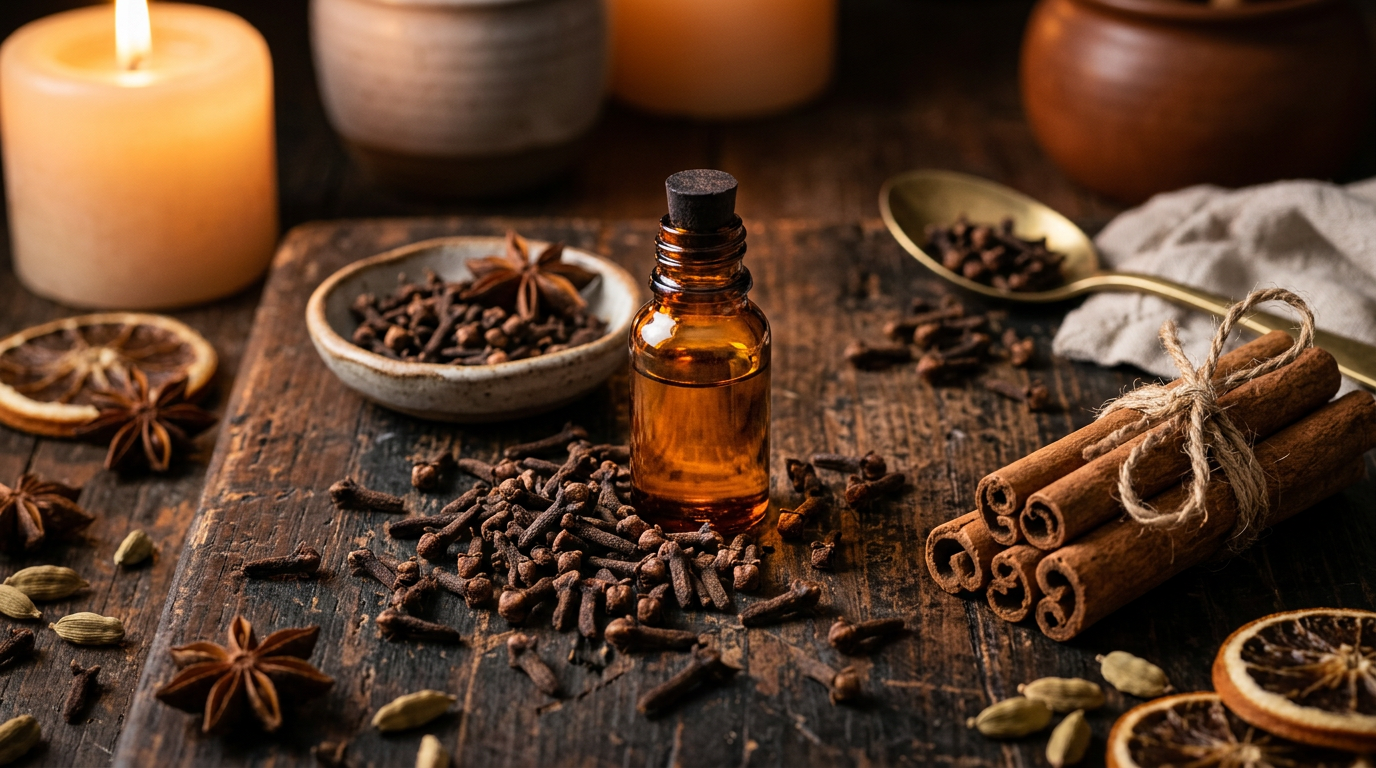
Pick up a single clove bud and hold it for a moment. That dense, warm fragrance carries centuries of human story inside it. Sailors gambled their lives to transport these tiny dried buds across oceans. Empires rose and fell over the right to control their trade. Mothers tucked them into cradles, lovers pressed them into palms, and priests burned them before altars. Few spices have accumulated as rich a layer of clove folklore as this one, and the traditions attached to it span nearly every inhabited corner of the planet.
This list gathers nine of the most vivid clove customs from across history and geography. Some are still practiced today. Others survive only in written records and old recipes. All of them tell us something worth knowing about how deeply a single ingredient can root itself into human life.
1. The Banda Islands: Where Cloves Were Sacred Ground
Long before European ships appeared on the horizon, the indigenous peoples of the Maluku Islands in present-day Indonesia regarded the clove tree as something close to sacred. Each tree was believed to have a spirit, and the birth of a child was sometimes marked by planting a new clove tree alongside it. The life of the tree and the life of the person were considered intertwined. If the tree thrived, the person would thrive. If it was cut down without ceremony, misfortune might follow.
This connection between cloves and personal fate shaped the way harvests were conducted. Workers approached the trees with deliberate care, using soft words and careful hands, partly out of practical concern for the delicate buds and partly out of genuine reverence. The history of the clove spice trade is inseparable from this original cultural context, which European colonizers largely ignored when they arrived and began forcing production at scale.
Practical takeaway: When you use clove essential oil sourced from Indonesia, you are working with a spice that carries the weight of this long human history. Choosing ethically sourced, fairly traded clove oil honors that lineage in a small but meaningful way.
2. China: Cloves at the Imperial Court
Records from the Han Dynasty, dating back more than two thousand years, describe courtiers chewing clove buds before addressing the emperor. The custom was a matter of protocol as much as personal comfort. Fresh breath was considered a sign of respect in the imperial presence, and cloves were among the most prized substances available for this purpose. Their aromatic intensity made them effective, and their rarity made them prestigious.
This clove custom spread outward from the court into Chinese merchant culture and eventually into traditional practice more broadly. Cloves were incorporated into spice blends used in cooking and into sachets carried for fragrance. The spice appeared in texts on food culture and housekeeping, documented not as exotic novelty but as a practical household staple for those who could afford it.
Practical takeaway: The Chinese imperial court was onto something sensible. A small dish of whole cloves near an entryway or in a kitchen makes a simple, historically grounded alternative to synthetic air fresheners.
3. Medieval Europe: Cloves Against the Miasma
Medieval European physicians and scholars operated under the belief that foul-smelling air carried illness. This theory, known as miasma theory, drove a significant market for strongly scented spices. Cloves, with their powerful fragrance, were burned in sick rooms, carried in small perforated containers called pomanders, and strewn across floors alongside other aromatic plants. The logic was straightforward to the medieval mind: if bad smells caused sickness, good smells might keep it away.
The economics of this belief were considerable. Cloves were expensive enough that only wealthy households could afford to use them liberally. Displaying clove-studded oranges or burning clove-scented preparations became a visible sign of status as much as a fragrant ritual. The tradition of the pomander persisted long after miasma theory was discredited, because the pleasure of the scent needed no scientific justification to sustain it. You can read a full account of this beautiful object in our piece on the clove-studded orange and the history of the pomander.
Practical takeaway: Diffusing clove essential oil during the autumn and winter months is a modern version of this centuries-old instinct toward warming, spicy fragrance when the air turns cold. It requires no medieval theory to justify. The scent itself is the point.
4. Zanzibar: The Island Perfumed by One Crop
Arriving by boat at Zanzibar, travelers have historically reported smelling the island before seeing it clearly. The clove plantations that covered much of the island's landscape for over a century released their fragrance into the surrounding air so densely that the scent drifted out to sea. This is not poetic exaggeration. It appears in enough independent accounts to qualify as documented sensory history.
Clove spice traditions became woven into Zanzibari identity at every level, from the rhythms of agricultural labor to the spice-heavy cuisine of the Swahili coast. Cloves appeared in rice dishes, in tea, in the perfumes worn by the Omani aristocracy who controlled the island's economy, and in the incense burned at shrines. The story of Zanzibar and the clove is one of the most remarkable single-commodity histories in the world, intertwining trade, colonialism, slavery, and cultural identity into a single aromatic thread.
Practical takeaway: Clove essential oil from Zanzibar carries a distinctive character shaped by the island's volcanic soil and humid climate. If you want to experience the sensory dimension of this history, seek out single-origin Zanzibar clove oil and compare it with Indonesian varieties.
5. Indonesia: The Kretek Cigarette as Cultural Artifact
In the late nineteenth century, a Javanese man named Haji Jamhari reportedly began mixing ground cloves into his tobacco to soothe chest discomfort. Whether or not this precise origin story is historically accurate, the kretek cigarette, a blend of tobacco and cloves, became one of Indonesia's most recognizable cultural exports. The crackle of burning cloves gave the cigarette its name: kretek is an onomatopoeia for that sound.
Kreteks became embedded in Indonesian social life across the twentieth century. They appeared at ceremonies, at community gatherings, and as offerings at certain traditional events. The clove industry that had once supplied European spice markets shifted substantially toward domestic kretek production. Today Indonesia consumes an enormous share of its own clove harvest this way, a fact that shapes global clove oil pricing and availability in ways that matter to buyers of essential oil.
Practical takeaway: Understanding where the clove harvest goes helps explain why good-quality clove essential oil commands a serious price. The kretek industry is a major competitor for the same raw material. Pricing reflects real supply constraints, not marketing inflation.
6. The Caribbean: Cloves in Creole and Island Kitchens
Caribbean spice traditions are layered histories in themselves, built from Indigenous, West African, South Asian, and European influences that arrived across several centuries of colonial disruption. Cloves occupy a meaningful place in this culinary and cultural inheritance. They appear in Martinican colombo spice blends, in Trinidadian pepper sauces, in Barbadian pudding and souse preparations, and in the warm spiced rums that defined holiday customs across the islands.
Beyond cooking, cloves were used in folk practices brought by enslaved West Africans and later by indentured South Asian laborers. Clove-based preparations appeared in protective and ritual contexts that blended multiple traditions into new forms. This syncretism is characteristic of Caribbean culture broadly, and cloves served as a fragrant thread connecting several of its source traditions simultaneously.
Practical takeaway: Clove essential oil blends beautifully with other spice-trade ingredients common in Caribbean cooking: allspice, cinnamon, and black pepper. A diffuser blend drawing on these notes creates an aromatic tribute to one of the world's great spice-fusion cultures.
7. Germany and the Nordic Countries: Advent and the Spiced Orange
The clove-studded orange that graces Advent markets from Hamburg to Stockholm has roots that run through medieval English pomander traditions, but the specific form it takes in German and Nordic winter customs is distinctly regional. Children press whole cloves into oranges in patterns, sometimes working family monograms or simple geometric designs into the fragrant skin. The finished objects are hung near heat sources, where the warmth draws out the combined fragrance of clove and citrus.
This clove custom belongs to a broader northern European instinct toward warming spice in the darkest months of the year. Glühwein contains cloves. Pepparkakor ginger snaps use them. Scandinavian mulled wines and punches rely on them. The sensory signature of winter celebration across a wide swathe of northern Europe is inseparable from clove fragrance, and has been for several centuries at minimum.
Practical takeaway: Add two or three drops of clove essential oil to a diffuser blend with sweet orange and a touch of cinnamon bark during the winter holiday season. It is a concentrated and immediate way to summon that specific Advent market atmosphere without requiring a flight to Nuremberg.
8. India: Cloves in Ritual Smoke and Paan
Indian clove folklore is ancient and multidirectional. Cloves appear in Ayurvedic texts as a prized spice with warming properties. They feature in temple incense preparations, where their smoke was considered purifying and appropriate for sacred spaces. At weddings, they appear in paan, the betel leaf preparation offered to guests as a digestive and a gesture of hospitality. The clove's role shifts depending on context: sometimes fragrant, sometimes culinary, sometimes ceremonial.
In certain regional traditions, cloves are included in protective preparations placed at doorways or given to travelers before a long journey. The specific customs vary considerably by region, community, and religious tradition. What connects them is a consistent cultural sense that cloves carry a kind of weight or significance that plain food ingredients do not. They are considered with the mild reverence that attaches to things recognized as genuinely powerful.
Practical takeaway: A small bowl of whole cloves placed near the front door is a practice with resonance in multiple world traditions. It costs almost nothing and fills the entry area with a genuinely welcoming fragrance that synthetic products rarely replicate convincingly.
9. Colonial America: Cloves in the Spice Cabinet and the Stillroom
Colonial American households that could afford it kept a spice cabinet treated almost like a small safe, locked against pilfering, its contents carefully rationed. Cloves were among the most valued contents. They appeared in mulled cider recipes, in meat preservation preparations, in baked goods meant to last through winter, and in the fragrant waters distilled in the stillroom, a dedicated domestic workspace for producing household preparations from botanical ingredients.
The clove's place in American domestic life persisted well into the nineteenth century, when improved shipping began reducing the cost of imported spices. Recipe books and household manuals from the period consider cloves standard equipment for the competent home manager. The Christmas ham studded with whole cloves survives this period and remains a recognizable American holiday tradition today, connecting contemporary tables to a centuries-old set of domestic spice customs without most people who practice it realizing the depth of the lineage.
Practical takeaway: The stillroom tradition of producing fragrant household preparations from botanical ingredients is one that translates directly to modern essential oil use. Clove oil in a room spray, linen mist, or simmer pot connects to this long domestic tradition far more directly than it might appear.
What These Traditions Share
Reading across these nine examples, a pattern becomes clear. Every culture that encountered cloves found multiple uses for them simultaneously. The spice moved fluidly between kitchen, ritual space, and personal fragrance in nearly every context on this list. It was rarely confined to a single domain.
This flexibility is part of what made cloves so valuable in the first place. A cargo of cloves could satisfy a cook, a perfumer, a priest, and a physician all at once. The spice traditions that grew up around them reflect this versatility, layering practical and symbolic meanings until the two became difficult to separate.
Working with clove essential oil today places you somewhere inside this long story. The specifics are different: a brown glass bottle, a diffuser, a few carefully measured drops. But the underlying human impulse, the desire to fill a space with this particular warm, complex fragrance, is the same one that drove sailors across uncharted water and shaped the political geography of entire regions. That is a remarkable inheritance to hold in a small bottle.