Homemade Clove Soap: A Spiced Melt-and-Pour Project
There is something deeply satisfying about washing your hands with a bar you made yourself, especially when it smells like a mulled cider simmering on a winter stove. This clove soap recipe uses the melt-and-pour method, which skips the lye-handling steps of cold-process soapmaking and makes the whole project approachable for a weekend afternoon. The result is a rich, amber-toned bar with that signature warm spice character that clove essential oil does so well.
Before we get into the recipe, a quick word on the star ingredient. Clove essential oil is potent. It carries a high concentration of eugenol, which is wonderful for scent but means this oil demands respect when it comes to dilution. We will cover all of that in the safety section, and it is worth reading before you reach for the bottle.
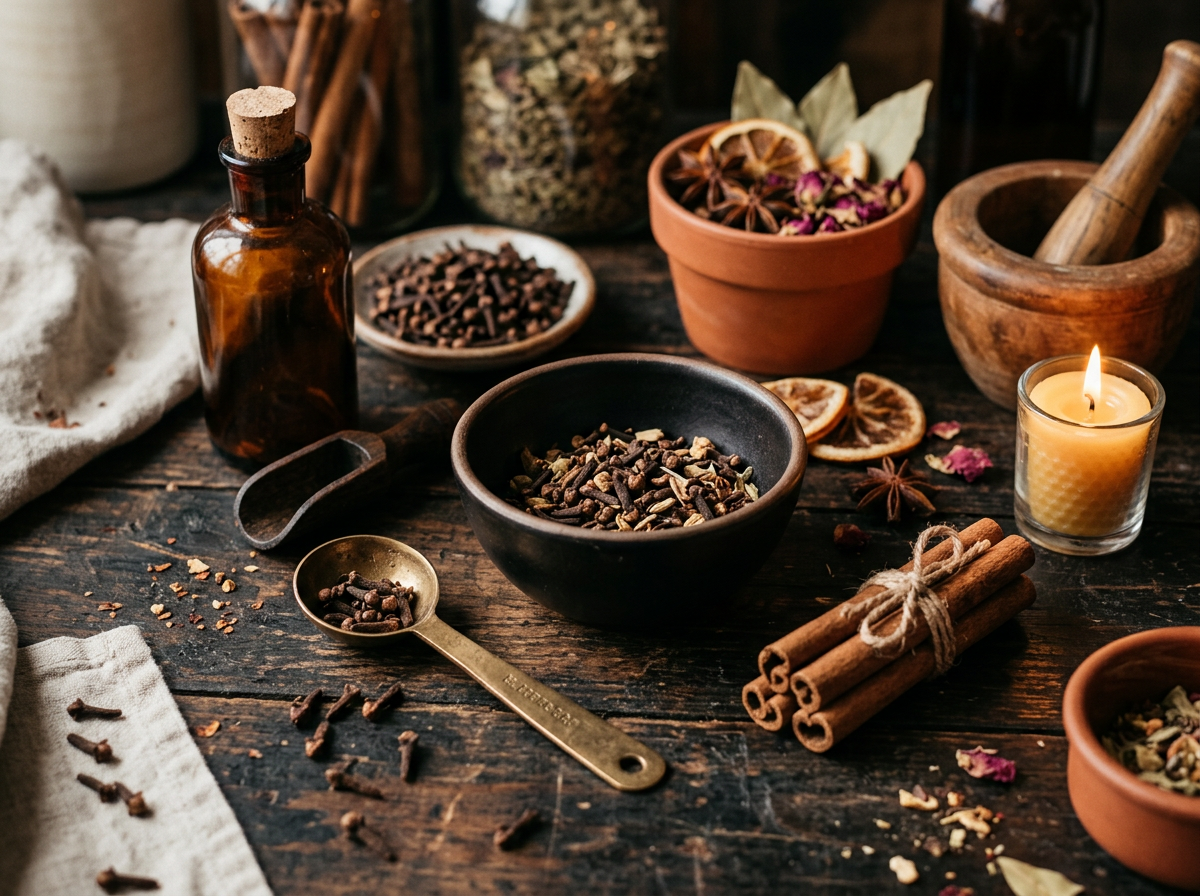
What You Will Need: At a Glance
- Difficulty level: Beginner-friendly
- Active prep time: 30 to 40 minutes
- Cooling and curing time: 2 to 4 hours (or overnight for best results)
- Yield: Approximately 8 bars at 3.5 ounces each
Ingredients
| Ingredient | Amount | Notes |
|---|---|---|
| Shea butter melt-and-pour soap base | 28 ounces (about 800 g) | Shea base adds a creamy lather; clear glycerin base works too |
| Clove bud essential oil | 56 to 84 drops (approximately 2.8 to 4.2 ml) | See dilution notes below; stay within the 0.5% usage rate |
| Sweet orange essential oil | 40 drops | Softens the spice and rounds out the scent profile |
| Cedarwood essential oil (optional) | 20 drops | Adds a woody base note; pairs beautifully with clove |
| Kaolin clay | 1 teaspoon | Optional; adds a subtle slip and slightly matte finish |
| Ground cinnamon or clove powder | 1/2 teaspoon | Optional; decorative swirl only, not exfoliating in this quantity |
| Mica powder (brown, terracotta, or gold) | 1/4 teaspoon | For color; cosmetic grade only |
| Rubbing alcohol (91% isopropyl) | Small spray bottle | Removes air bubbles from the surface |
Equipment
- Microwave-safe glass pitcher or double boiler setup
- Silicone loaf mold or individual bar molds (28-ounce capacity)
- Digital kitchen scale
- Thermometer (infrared or candy thermometer)
- Silicone spatula or stainless steel spoon
- Small glass bowl for mixing clay and mica
- Nitrile gloves
Safety Warnings: Read Before You Start
This section matters. Please do not skip it.
Dilution Ratios for Clove Essential Oil in Rinse-Off Products
Clove bud essential oil is one of the more potent oils in any home collection. The International Fragrance Association (IFRA) recommends a maximum usage rate of 0.5% for leave-on skin products. For rinse-off products like soap, some formulators work up to 1%, but staying at or below 0.5% is the safer starting point, especially for a first batch.
For a 28-ounce soap base, 0.5% equals approximately 4 ml of total essential oil blend. The clove portion of your blend should not exceed that 0.5% threshold on its own. In this recipe, the clove oil is blended with orange and cedarwood, which dilutes its concentration further. Stick to the drop counts listed in the ingredients table and do not be tempted to add more because you want a stronger scent. Clove is a known skin sensitizer at higher concentrations.
Patch Testing
Even with a properly diluted, rinse-off soap, we recommend patch testing your finished bars before regular use. Hold a small piece of the bar against the inner forearm for 24 hours and watch for any redness or irritation. If any reaction occurs, discontinue use.
Who Should Avoid This Soap
- People with known sensitivities to eugenol or clove spice should skip this project or use a very small amount of clove oil and increase the orange significantly.
- This soap is not intended for use on young children, infants, or pets.
- Avoid use on broken, compromised, or recently sunburned skin.
- If you are pregnant or nursing, consult a qualified healthcare provider before using products containing clove essential oil.
- This product is not a substitute for professional medical advice. If you have any skin concerns, speak with a dermatologist.
General Workspace Safety
- Work in a well-ventilated space. Clove oil is strong, and melted soap base releases steam.
- Wear nitrile gloves when handling undiluted essential oils.
- Keep essential oil bottles away from open flames. All essential oils are flammable.
- Melted soap base can reach temperatures above 160°F. Use a thermometer and handle the pitcher carefully.
Step-by-Step Instructions
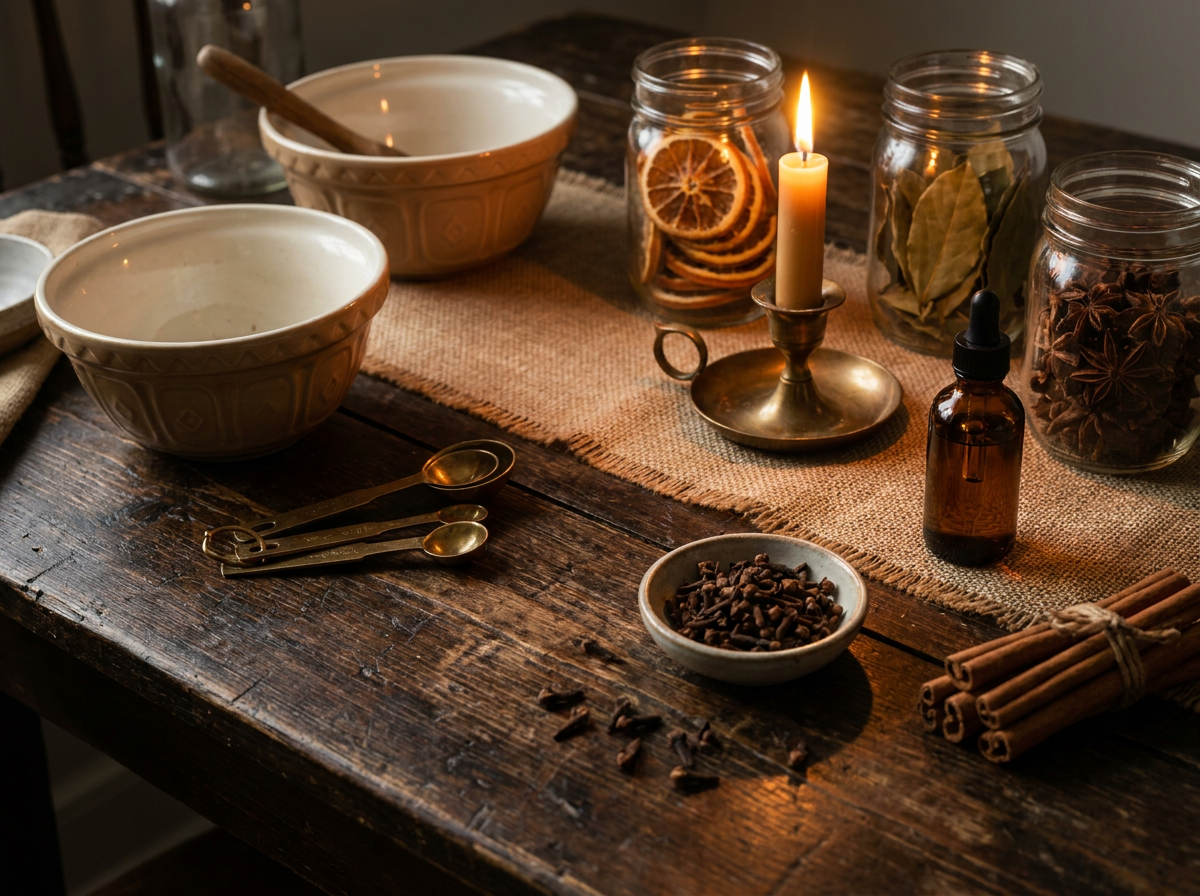
Step 1: Prepare Your Mold and Workspace
Set your silicone mold on a flat, stable surface that you will not need to move for at least four hours. Silicone molds do not need to be greased. Lay out all your ingredients and tools so everything is within reach once the base is melted.
Step 2: Cut and Melt the Soap Base
Using a sharp knife, cut the soap base into roughly 1-inch cubes. Smaller pieces melt more evenly. Place them in your glass pitcher.
If using a microwave: heat in 30-second bursts at 50% power, stirring between each burst. This typically takes 3 to 5 rounds. Do not let the base boil or overheat. Overheating causes the base to become grainy and can degrade the added essential oils.
If using a double boiler: set a heatproof bowl over a pot of simmering (not boiling) water and stir gently until fully melted.
Check the temperature with your thermometer. Ideal pouring temperature is between 120°F and 130°F (49°C to 54°C). Let it cool slightly if it reads hotter.
Step 3: Mix Your Color
While the base cools slightly, stir your mica powder into a teaspoon of the melted base in the small glass bowl. Mix until smooth with no clumps. This prevents streaks in the finished bar. If you are using kaolin clay, dissolve it in a teaspoon of warm water before adding to the main batch.
Step 4: Add the Essential Oil Blend
Once the base reads between 120°F and 130°F, gently stir in your essential oils. Add the clove bud oil first, then orange, then cedarwood. Stir slowly. Vigorous stirring introduces air bubbles, which you will have to chase with the alcohol spray later. Stir for about 30 seconds until the oils are fully incorporated.
For more ideas on how clove oil interacts with other scents, our guide on blending with clove oil covers pairing logic in much more depth.
Step 5: Add Color and Optional Botanicals
Pour in your mica mixture and stir gently to combine. If you want a speckled effect, wait until the base has cooled to around 115°F and then sprinkle the ground clove or cinnamon powder across the surface rather than stirring it in. This keeps the spice visible on top rather than suspended throughout.
Step 6: Pour Into the Mold
Pour the mixture slowly and steadily into the mold. Pour from a low height to minimize bubbles. Immediately after pouring, spritz the surface lightly with isopropyl alcohol to pop any bubbles that have formed. One or two passes is enough.
Step 7: Cool and Unmold
Let the soap sit undisturbed at room temperature for at least 2 hours. For a cleaner cut, leave it overnight. Once fully cooled and firm, flex the silicone mold to release the loaf, then slice into individual bars using a sharp knife or soap cutter. A loaf mold typically yields 8 bars.
Storage Instructions and Shelf Life
Melt-and-pour soap is glycerin-rich, which is wonderful for skin feel but means it absorbs moisture from the air. This phenomenon is called glycerin dew, and it causes small water droplets to form on the surface of bars left uncovered in humid conditions. It does not affect quality, but it does affect appearance.
- Wrap individual bars in plastic wrap or shrink wrap immediately after cutting, especially if you live in a humid climate.
- Store wrapped bars in a cool, dry location away from direct sunlight. A linen closet or drawer works well.
- Properly stored, melt-and-pour soap made with a high-quality base has a general shelf life of 1 to 2 years. The added essential oils may fade in intensity after 6 to 12 months.
- Use within 6 months for the strongest clove scent experience.
- If gifting, wrap and label with the batch date and a full ingredients list.
Variations and Substitutions
Change the Soap Base
A clear glycerin base produces a translucent amber bar that shows off any botanical additions beautifully. A goat milk base softens the overall scent and adds a richer, creamier lather character. Any standard melt-and-pour base will work with these proportions.
Adjust the Scent Profile
Clove bud oil is the most common choice for this type of project, but clove leaf oil is a less expensive alternative with a slightly earthier, less sweet character. Keep the same drop count regardless of which you choose.
If you want to lean into a more complex, perfume-inspired fragrance, consider adding a drop or two of vanilla fragrance oil (not essential oil, which is not steam-distillable). Our piece on clove oil in perfumery breaks down how to build layered scent structures around clove as a base note, and several of those principles translate directly to soap fragrance work.
The Spiced Ember Variation
For a smokier, more complex bar, swap the sweet orange for a small addition of bergamot and increase the cedarwood. This combination is inspired by our Spiced Ember blend, which pairs clove, cedarwood, and sweet orange into a layered warm-spice profile. Reduce the total drop count slightly when adding a fourth oil to keep the total essential oil percentage within the safe range.
Exfoliating Bar
To add gentle exfoliation, stir in 1 tablespoon of finely ground oat flour at Step 5. Ground oats disperse evenly in the base and add a subtle buff. Avoid using coarser botanicals like poppy seeds in a clove soap, since the combination can feel too aggressive on sensitive skin.
Lower-Sensitivity Version
Cut the clove oil back to 20 drops and increase the sweet orange to 80 drops. The result is a more citrus-forward bar with a warm spice background note rather than a full spice-forward character. This version works well for anyone who loves the idea of clove but wants a gentler introduction to the scent.
A Few Final Notes on Quality Sourcing
Not all clove essential oils perform equally in soap. Look for clove bud oil (rather than clove stem oil) from a supplier who provides batch-specific GC/MS reports. These documents verify the eugenol content and confirm the oil has not been adulterated. Eugenol content in quality clove bud oil typically runs between 70% and 90%. Oils at the higher end of that range will have a stronger, more characteristic spice scent but require extra care with dilution.
Buy the smallest quantity you will realistically use within a year. Clove oil keeps well when stored in a dark glass bottle away from heat and light, but freshness does affect fragrance performance in finished products. A small bottle used promptly beats a large bottle that sits on a shelf for three years.
This diy clove soap project is one of the more forgiving ways to start working with clove essential oil in a hands-on format. The melt and pour method keeps the chemistry straightforward, and the warm spice scent fills a bathroom or kitchen in a way that feels genuinely seasonal and grounding. Make a batch for your own shelves, and then make another for the people on your holiday list who have everything except a really good handmade bar of soap.