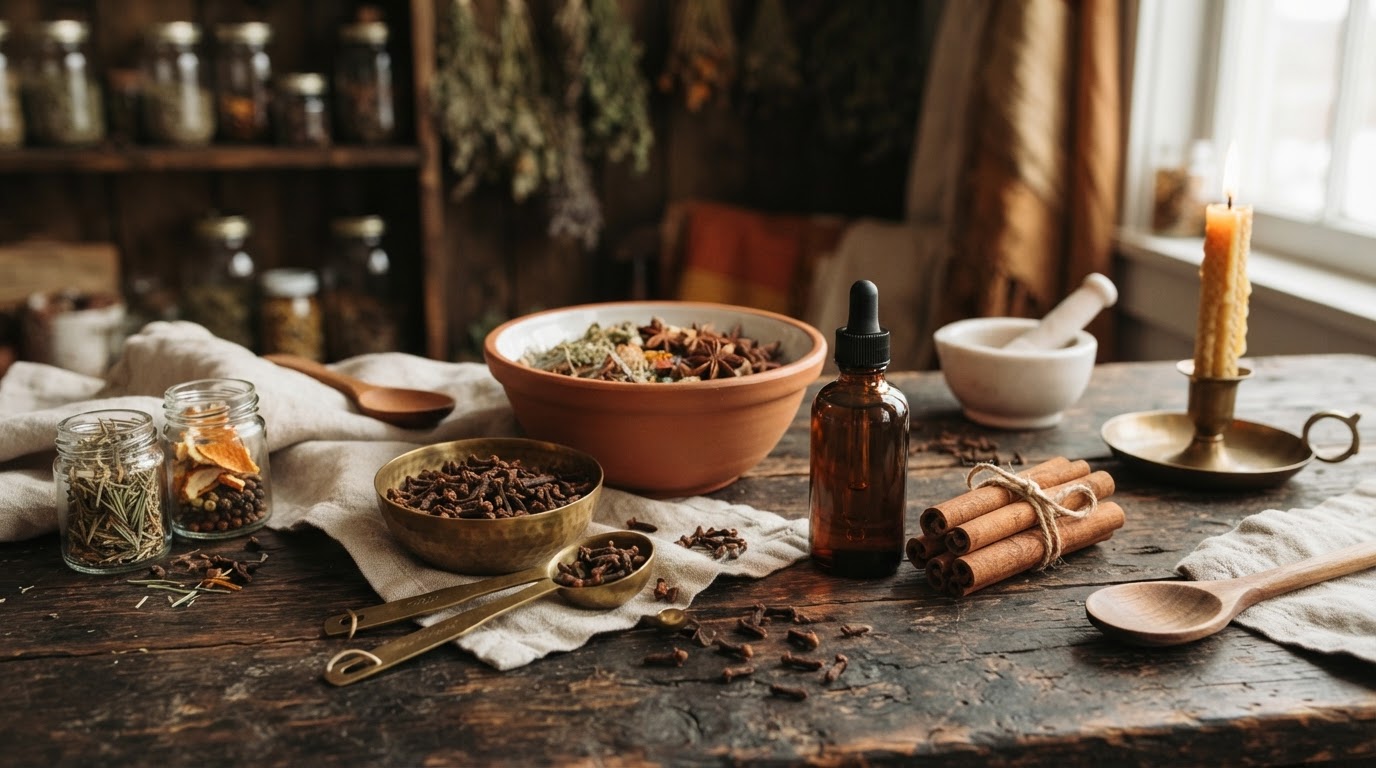
Spiced Clove Bath Salts: A Simple DIY for Cozy Season
There is something quietly ceremonial about drawing a bath when the days get shorter. The steam rises, the light softens, and suddenly the evening belongs entirely to you. This recipe for spiced clove bath salts leans into that ritual, layering the deep, warm scent of clove essential oil with complementary botanicals to create a soak that feels like the olfactory equivalent of a flannel shirt and a good book.
Clove has traveled trade routes for centuries, prized for its intensity and warmth. In a DIY bath soak, that same warmth becomes the backbone of a cozy seasonal ritual. This recipe is straightforward enough for a first-time DIY maker, yet the finished product is polished enough to gift. Keep reading for full measurements, step-by-step guidance, safety information you genuinely need, and several variations to make it your own.
Before You Begin: A Note on Clove Essential Oil
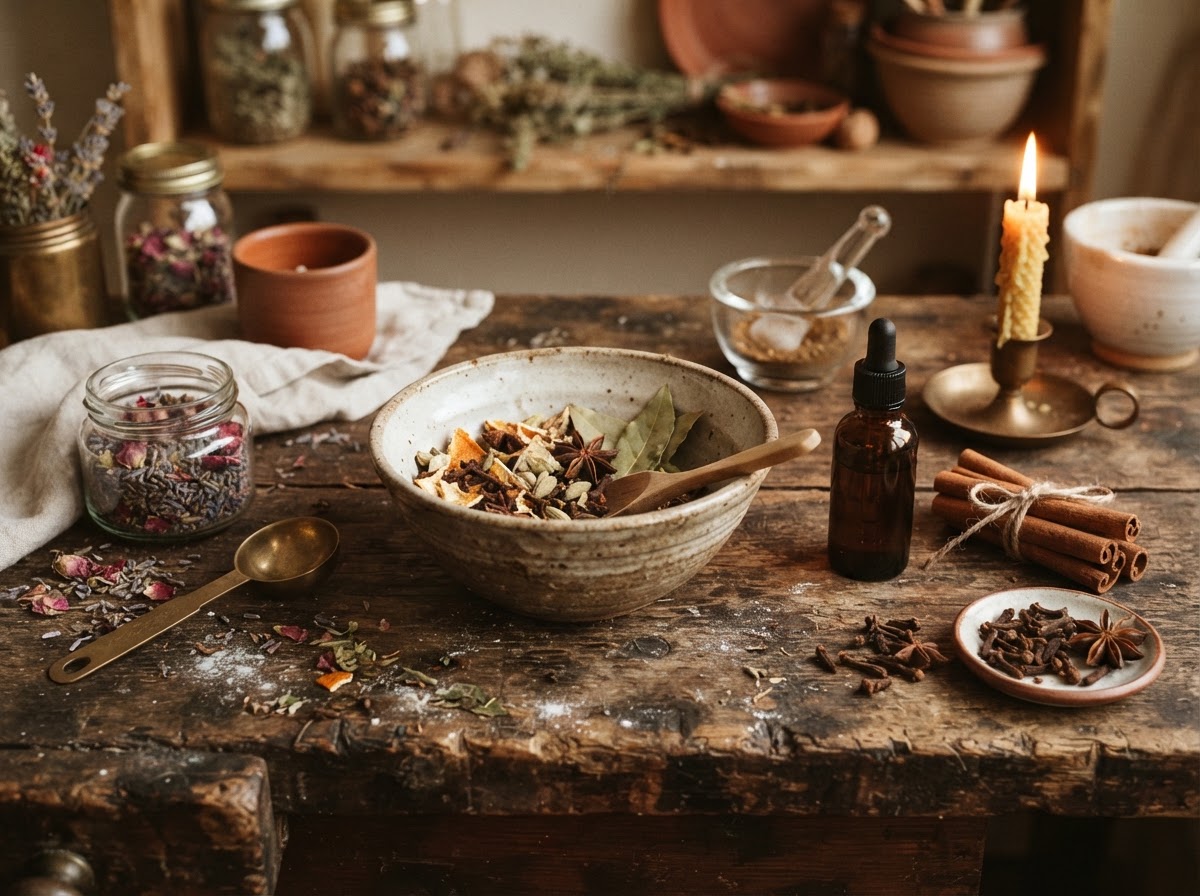
Clove essential oil is one of the more potent oils you will work with. It contains a high concentration of eugenol, a naturally occurring compound responsible for its signature spice and its potential to cause skin sensitivity when used undiluted. Respecting dilution rates is not optional with this oil. It is the single most important thing you can do to ensure your DIY clove bath salts are a genuinely pleasant experience.
If you are curious about how clove oil compares to similarly intense spice oils, our deep-dive on clove oil vs. cinnamon oil covers their differing strengths, sourcing grades, and how to approach both safely in DIY projects. It is worth a read before you start blending.
Recipe Overview
| Detail | Info |
|---|---|
| Difficulty Level | Beginner-friendly |
| Active Prep Time | 15 minutes |
| Setting/Curing Time | None required (use immediately or store) |
| Yield | Approximately 2 cups (enough for 2 to 3 baths) |
| Shelf Life | Up to 6 months in an airtight container |
Ingredients
Base Salts
- 1 cup Epsom salt (magnesium sulfate)
- 1/2 cup coarse sea salt or Himalayan pink salt
- 1/4 cup baking soda (softens the water and adds a silky feel)
Carrier Oil
- 2 tablespoons fractionated coconut oil (lightweight, non-greasy, and helps disperse the essential oils)
Essential Oils
- 6 drops clove bud essential oil (this is the primary scent and must be measured carefully)
- 8 drops sweet orange essential oil (brightens the spice and softens the overall blend)
- 6 drops cedarwood essential oil (grounds the blend with a woody, resinous warmth)
Total essential oil load: 20 drops in 2 tablespoons of carrier oil. This works out to approximately a 1% dilution in the bath water when the full batch is used across two to three baths. At this dilution level, clove oil sits within a cautious and appropriate range for bath products.
Optional Botanicals (Decorative and Aromatic)
- 1 tablespoon dried orange peel pieces
- 1 teaspoon whole cloves (for visual interest only, not intended for skin contact)
- 1/2 teaspoon ground cinnamon (stirred through for color and scent depth)
Equipment You Will Need
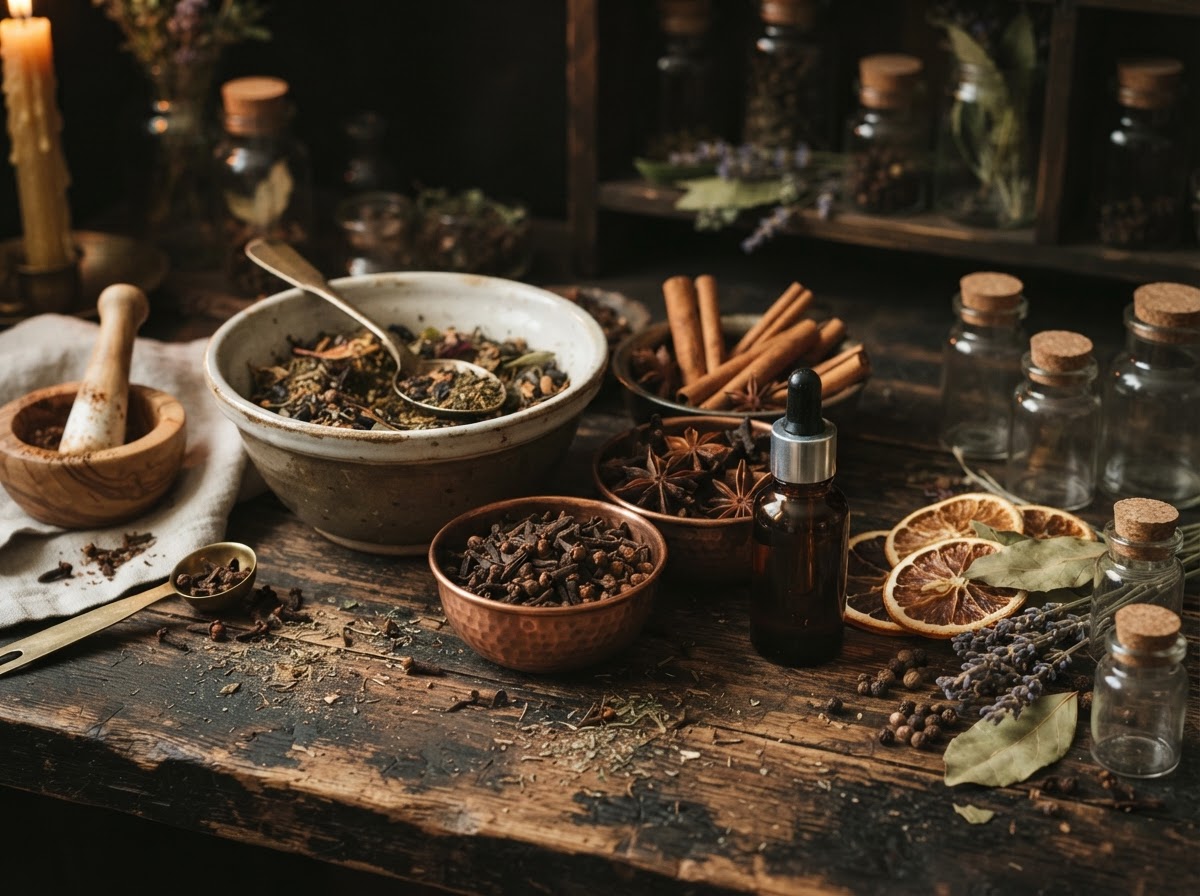
- Large glass or stainless steel mixing bowl
- Wooden spoon or silicone spatula
- Small glass bowl or ramekin (for pre-mixing the oils)
- Measuring cups and spoons
- Airtight glass jar (a wide-mouth pint mason jar works perfectly)
- Labels and a marker for dating your batch
Step-by-Step Instructions
-
Step 1: Combine Your Dry Salts
Pour the Epsom salt, sea salt (or Himalayan pink salt), and baking soda into your large mixing bowl. Stir well until the three are fully blended. If you are adding ground cinnamon, stir it in now so the color distributes evenly through the salt base.
-
Step 2: Pre-Mix Your Oils
In your small glass bowl, combine the fractionated coconut oil with all three essential oils. Mix gently. Pre-blending the essential oils into the carrier before adding them to the salts ensures they disperse evenly rather than pooling in one spot. This step matters more with clove oil than with almost any other oil, because uneven distribution could leave concentrated pockets against the skin.
-
Step 3: Combine Oils and Salts
Drizzle the oil blend slowly over the salt mixture while stirring continuously. Work in a circular motion from the outside in, folding the salts over the oil as you go. Continue stirring for two to three minutes. The goal is a uniformly coated, slightly clumped salt mixture with no visible oil puddles.
-
Step 4: Add Optional Botanicals
If you are using dried orange peel and whole cloves for decoration, fold them in gently now. These are primarily visual additions. If you prefer a cleaner, botanical-free version for gifting (especially when a muslin bath bag is not available), simply skip this step.
-
Step 5: Transfer and Label
Spoon the finished diy bath salts into your airtight glass jar. Press down lightly to pack without compressing. Seal the lid, then label the jar with the recipe name, date made, and a note indicating it contains clove essential oil. That label matters if the jar is ever picked up by someone unfamiliar with its contents.
-
Step 6: Patch Test Before Full Use
Before your first full bath with this spiced bath soak, do a patch test. Dissolve a small pinch of the salts in a cup of warm water, apply a small amount to the inside of your wrist or elbow, and wait 24 hours. If you notice redness, itching, or any discomfort, do not use the product in a full bath. See the safety section below for full guidance.
How to Use Your Spiced Clove Bath Salts
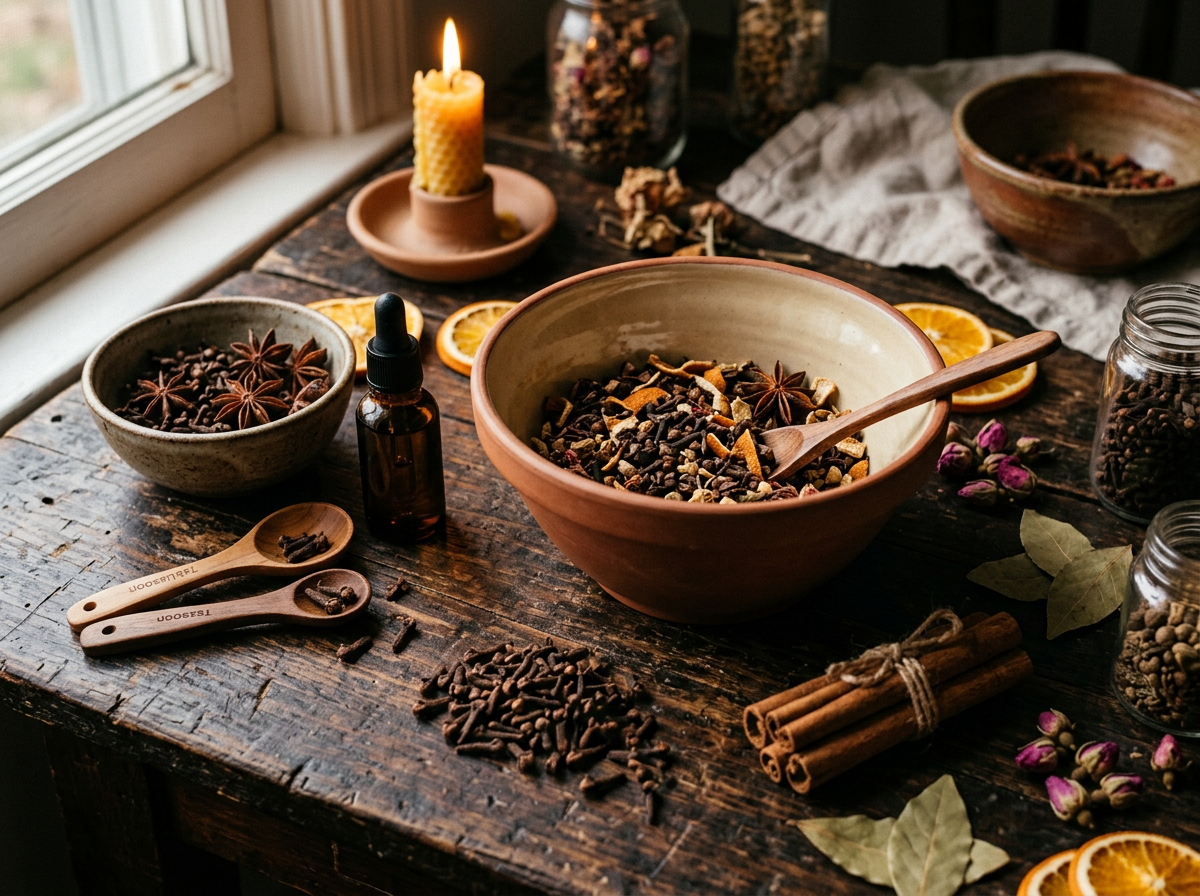
Run a warm (not scalding) bath. Add 1/3 to 1/2 cup of the bath salts directly under the running water so they dissolve fully before you step in. Swirl the water with your hand to check that no salt clumps remain on the tub floor. Soak for 15 to 20 minutes. Rinse lightly with clean water after your soak if your skin tends toward sensitivity.
The scent profile of this spiced bath soak peaks in the steam. Clove leads with its characteristic warm spice note, orange rounds it out with a citrus brightness, and cedarwood anchors everything with a quiet woodsy depth. Many people find the combination particularly fitting for autumn and winter evenings.
Safety Warnings: Please Read Before Use
Important: Clove essential oil is a known skin sensitizer at high concentrations. The dilution levels in this recipe are calculated to keep clove within a cautious range for bath use, but individual sensitivities vary. Always follow the guidance below.
Dilution and Concentration
The recipe uses 6 drops of clove bud oil in 2 tablespoons of carrier oil across 2 cups of salt. When dissolved in a standard bathtub (approximately 40 gallons of water), this results in a very low concentration. Do not increase the clove essential oil beyond the stated amount. More is not better with this particular oil.
Patch Testing
Patch testing is strongly recommended before full use, especially if you have never used clove oil topically before. Follow the patch test instructions in Step 6 above. A 24-hour wait period is standard practice.
Who Should Avoid This Recipe
- Individuals who are pregnant or nursing (consult a qualified healthcare provider before using any essential oil product)
- Children under 12 (clove oil is not recommended for use on or around young children)
- Anyone with known sensitivities to eugenol or other phenol-rich compounds
- Anyone with broken, irritated, or compromised skin (do not use bath salts or essential oils on open skin)
- Anyone currently managing a skin condition or taking medication that affects skin sensitivity (please consult your healthcare provider)
General Precautions
- Oils in bath water can make tub surfaces slippery. Use a non-slip mat and take care when exiting.
- Keep the jar out of reach of children and pets.
- This product is for external use only. Do not ingest.
- If irritation occurs during use, exit the bath, rinse thoroughly with clean water, and discontinue use.
- These bath salts are not intended to address, support, or replace any medical condition or professional healthcare advice.
Storage Instructions and Shelf Life
Store your diy bath salts in an airtight glass jar away from direct sunlight, heat, and humidity. A bathroom cabinet shelf is fine as long as the jar is sealed between uses. A bedroom dresser or a cool pantry shelf works even better for long-term storage.
Properly stored, this spiced bath soak should retain its scent and quality for up to six months. Over time, citrus oils (like the sweet orange used here) fade faster than base notes like cedarwood. If the orange scent has diminished noticeably, the product is still usable but the blend will smell warmer and woodsier. Discard if the salts develop any off odor, visible moisture, or clumping that does not break apart easily.
Variations and Substitutions
Swap the Carrier Oil
Fractionated coconut oil is called for here because it is lightweight and virtually odorless. You can substitute jojoba oil (technically a liquid wax, excellent for skin) or sweet almond oil. Avoid heavy oils like castor oil in bath products as they can leave a noticeable film.
Adjust the Spice Blend
For a deeper, more resinous character, reduce the clove to 4 drops and add 4 drops of frankincense. For a brighter, more citrus-forward profile, add 4 extra drops of sweet orange and reduce cedarwood to 4 drops. If you enjoy the world of spice oil blending more broadly, our guide to blending with clove oil covers a wide range of complementary pairings and how to build balanced combinations from scratch.
Make It a Gift Set
Divide the finished batch into two half-cup portions, pack each into a 4-ounce mason jar, tie with a piece of jute twine, and add a handwritten card with usage notes. Spiced clove bath salts are particularly well-received as autumn and winter gifts. The scent is distinctive without being polarizing, and the presentation in a glass jar looks genuinely considered.
Try a Clove-Forward Grooming Companion
If this recipe sparks your interest in clove-based DIY projects beyond the bath, our recipe for DIY spiced beard oil with clove uses a similar warm spice sensibility in a leave-on grooming format. It pairs well with this soak as part of a cohesive, seasonally scented self-care shelf.
Salt Substitutions
The base salt blend here uses Epsom salt for its fine texture and widespread availability, with coarser sea salt for visual texture. You can use Dead Sea salt (mineral-rich and slightly denser) in place of the sea salt portion. Fine table salt is not recommended as it dissolves too quickly and lacks the textural interest of coarser options.
A Few Final Thoughts on Sourcing Your Clove Oil
The quality of your clove essential oil shapes the entire result. Look for clove bud oil (distilled from the flower buds) rather than clove leaf or clove stem oil. Bud oil has a rounder, more refined scent profile. Leaf and stem oils tend toward sharper, more medicinal-smelling notes that are less pleasant in a bath context. They also contain higher eugenol levels, which increases the sensitivity risk further.
Buy from a supplier who provides GC/MS (gas chromatography/mass spectrometry) test results for each batch. A quality supplier will make this documentation easy to find. If a company cannot or will not share testing data, that tells you something worth knowing before you put their product on your skin.
This recipe is simple by design. A short ingredients list, careful attention to dilution, and good-quality clove oil are all it takes to make a spiced bath soak that genuinely delivers on the cozy season promise. Make a batch, settle in for a long soak, and let the trade winds carry you somewhere warm.