First-Time Clove Oil Buyer's Guide: What to Check on the Label
Walk down any wellness aisle, real or digital, and you'll find a dozen bottles of clove oil that all look roughly the same: brown glass, a dropper cap, a clove sprig on the front. The label is where the differences actually live. Two bottles can sit side by side at wildly different prices and only one of them is telling you the whole story about what's inside. This guide walks through how to buy clove essential oil like someone who's been doing it for years, even if this is your first bottle.
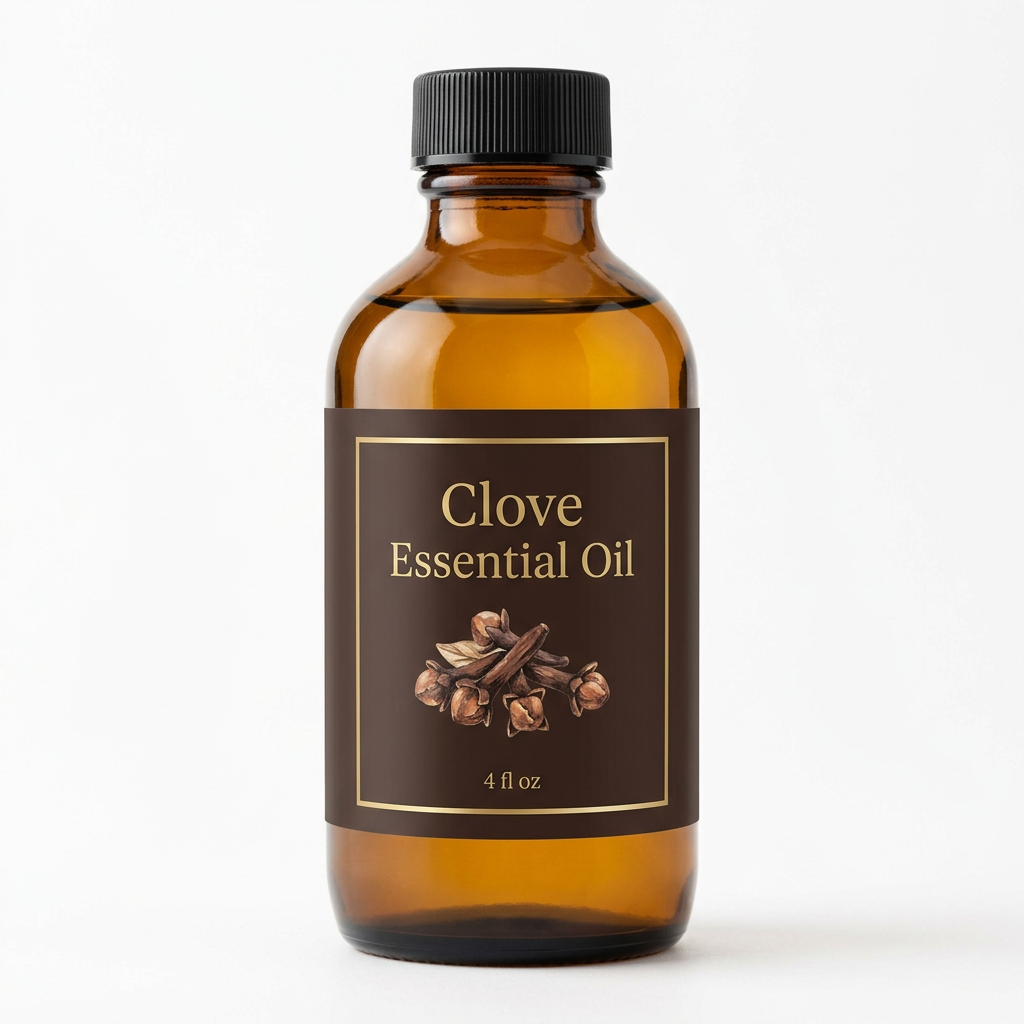
Clove Essential Oil
Our own Clove Essential Oil, in sizes from 0.5 oz to bulk.
From $9.05
Shop Now →We source clove from a handful of growing regions ourselves, so we know firsthand how much variation exists between harvests, extraction methods, and grading standards before a bottle ever reaches a shelf. Consider this a first time clove oil buyer's cheat sheet: what the good labels say, what the vague ones leave out, and where your money is actually going.
Why the Label Matters More Than the Marketing
Clove oil is distilled from the dried flower buds of Syzygium aromaticum, a tree grown mainly in Indonesia, Madagascar, and Sri Lanka. That's the easy part. What varies enormously between suppliers is which part of the plant went into the still, how the distillation was run, and whether anyone bothered to test the finished oil before bottling it. None of that shows up in a glossy product photo. It shows up in small print, or it doesn't show up at all, which is itself worth noticing.
A clove essential oil buying guide really boils down to one habit: read past the front label to the back one. That's where a supplier either backs up their claims with specifics or hides behind vague, feel-good language.
What to Look For on the Label (Quality Indicators)
The Botanical Name
Every legitimate bottle should list Syzygium aromaticum (sometimes still written under its older name, Eugenia caryophyllata) somewhere on the label. If a product just says "clove oil" or "clove fragrance oil" with no botanical name at all, that's a signal to look closer. Fragrance oils are synthetic blends built to smell like clove; they are not the same product and won't say "essential oil" if they're being labeled honestly.
Plant Part Used
Clove oil can be distilled from the bud, the stem, or the leaf, and the three are not interchangeable. Bud oil is the classic, rounder, more complex-smelling option and typically commands a higher price. Leaf and stem oils are sharper, thinner-smelling, and considerably cheaper to produce. A quality label tells you which part was used. If it doesn't say, assume it's the cheaper leaf or stem oil, or a blend of all three.
Country or Region of Origin
Madagascar and Indonesia are the two dominant sources, with Sri Lanka producing smaller volumes. Origin affects both aroma and price, and naming it is a small thing that signals a supplier who tracks their supply chain instead of buying whatever's cheapest on a given week. Vague labels ("Product of multiple countries") aren't automatically dishonest, but they tell you less about what you're getting.
Extraction Method
Look for "steam distilled." That's the standard, time-tested method for clove essential oil and it's what nearly every reputable producer uses. If a label mentions solvent extraction or doesn't mention a method at all, ask before you buy.
Purity Statement and Batch Testing
This is the one most first-time buyers skip, and it's the one that matters most. Look for language like "100% pure," "undiluted," or "no carrier oil added," paired with some indication that the batch was tested, usually referenced as GC-MS (gas chromatography-mass spectrometry) testing. This is a lab process that identifies and measures the individual compounds in the oil, including eugenol, which typically makes up the majority of clove bud oil's composition. Suppliers who test their batches will often say so directly or offer to share a report on request. Suppliers who don't test rarely bring it up.
Batch or Lot Number
A batch number sounds like a small, boring detail, but it's a good proxy for how seriously a company treats quality control. Batches vary naturally: harvest timing, weather, and soil conditions all shift the oil's exact composition slightly from year to year. A company that tracks lots by number can tell you which harvest is in your bottle and can trace a problem back to its source if one ever comes up. A company that can't is essentially guessing along with you.
Packaging
Clove oil should come in dark amber or cobalt glass, never clear glass or plastic. Light degrades essential oils over time, and clove oil's high eugenol content can also react with certain plastics. A dropper or orifice-reducer cap matters too, both for controlling how much oil comes out and for keeping air exposure to a minimum between uses.
Key Features to Compare Across Brands
Once you've confirmed a bottle clears the basics above, the real comparison shopping starts. Here's what actually separates one clove oil from the next.
| Feature | What to Compare | Why It Matters |
|---|---|---|
| Plant part | Bud vs. leaf vs. stem | Bud oil is richer and more expensive; leaf and stem are sharper and cheaper |
| Origin | Madagascar, Indonesia, Sri Lanka | Affects aroma profile, harvest timing, and price |
| Testing | GC-MS report available or not | Confirms purity and composition claims |
| Bottle size and price per mL | Divide total price by mL, not by bottle | Small bottles often carry a higher per-mL markup |
| Packaging | Dark glass with dropper or reducer cap | Protects the oil from light and air degradation |
| Harvest or bottling date | Printed date or batch code | Fresher oil generally has a fuller aroma |
The price-per-mL math is worth doing every time, especially when a bottle looks like a bargain. A 5 mL bottle at ten dollars works out to two dollars a milliliter, while a 30 mL bottle at forty dollars works out to about a dollar thirty. Bigger bottles usually win on value if you'll actually use the oil, though it's fair to start small on your first purchase until you know how much you go through.
Top Picks at Different Price Points
Clove oil generally falls into three rough price tiers, and knowing what to expect at each one helps set realistic expectations before you buy.
Budget Tier (roughly $6 to $12 for a small bottle)
At this price point, you're most likely looking at leaf or stem oil, or a blend that isn't specified on the label. That's not automatically a dealbreaker if you mainly want the classic warm clove scent for a candle-scenting project or a seasonal potpourri blend, but don't expect the bud oil's deeper, rounder aroma. Double-check the botanical name and steam distillation claim even at this tier; a low price doesn't excuse a vague label.
Mid Tier (roughly $12 to $25)
This is where most reputable, bud-sourced clove oils land. Look for a named origin, a batch number, and ideally some reference to purity testing. Our Warm Spice clove oil sits in this range, sourced as bud oil and steam distilled, with lot-level tracking so you know what harvest is in your bottle.
Premium Tier ($25 and up)
Higher prices here usually reflect small-batch sourcing, single-origin harvests, or third-party lab verification included with every batch. Worth it if you want maximum transparency and consistency bottle to bottle. Less necessary if you're a first-time buyer just getting acquainted with clove oil's scent profile and uses.
Red Flags to Avoid
A few label patterns are worth walking away from, or at least asking follow-up questions before you buy.
- No botanical name anywhere on the label. This is the single biggest red flag. Legitimate essential oil producers include it as a matter of course.
- Suspiciously low price for a large bottle. Pure clove bud oil is labor-intensive to produce. A 4-ounce bottle priced like a bargain candle is more likely diluted, cut with a carrier oil, or sourced from lower-grade plant material without disclosure.
- Vague or missing origin information. "Sourced globally" or no origin listed at all suggests a supplier isn't tracking, or isn't willing to share, where the oil actually comes from.
- No mention of extraction method. If steam distillation isn't stated anywhere, don't assume it.
- Overreaching claims on the label or in ads. Any listing that promises the oil will fix specific outcomes for the body is a legal and credibility red flag. Reputable sellers stick to describing the product itself, its scent, its sourcing, its uses in the home, rather than making sweeping promises about outcomes.
- Clear glass or plastic bottles. A supplier that hasn't invested in proper packaging likely hasn't invested much in the oil itself either.
- No return policy or customer contact information. This applies more to marketplace listings than established retailers, but a seller who's hard to reach after the sale is a seller worth avoiding before the sale.
Where to Buy
You've got three broad options as a first-time buyer, each with tradeoffs.
Direct from the Producer or Brand Website
Buying straight from a company that sources and bottles its own oil, rather than a reseller, usually gets you the most accurate label information and the easiest path to asking questions about a specific batch. It's also where you're most likely to find lot numbers and testing information front and center rather than buried in a product description.
Established Marketplaces
Large online marketplaces carry legitimate clove oil, but they also carry a wide range of quality within the same search results. Read the full listing, not just the title and photos, and check for the same label details you'd want on a physical bottle: botanical name, origin, plant part, and extraction method. Reviews mentioning scent strength and consistency across multiple purchases are more useful here than star ratings alone.
Local Health Food or Specialty Stores
Buying in person lets you smell the oil through the bottle (many stores keep tester bottles specifically for this) and ask a staff member directly about sourcing. It's a good option for a first purchase if you want to compare a couple of brands side by side before committing to a bottle you can't return once opened.
Wherever you buy, the label habit stays the same: botanical name, plant part, origin, extraction method, and some sign that someone tested the batch. Get comfortable checking for those five things and you'll rarely end up disappointed, regardless of which retailer or price point you land on.
A Few Practical Notes for Your First Bottle
Clove oil is potent and concentrated, and a little goes a long way regardless of grade or price point. Always dilute properly in a carrier oil before any skin contact, following the ratio guidance on your product's label or from the seller, and do a small patch test on your inner forearm before broader use. Keep it away from children and pets, store it away from direct light and heat, and check with a qualified healthcare provider before use if you have any concerns about how it might interact with your circumstances. If you're using clove oil around household surfaces, candles, or diffusers rather than on skin, none of the dilution steps above apply, but proper ventilation and storage still do.
Buying your first bottle doesn't need to be complicated. Read the label the way you'd read the ingredients on anything else you're bringing into your home: slowly, and with an eye for the specifics rather than the marketing around them.