Clove Oil Uses: 20 Warm and Spicy Ideas for Home and Hobby
Clove has been a trade-route treasure for centuries. Sailors packed the dried flower buds in ship holds bound for Europe, and entire fortunes rose and fell on a spice small enough to fit in your palm. Today you don't need a merchant fleet to bring that warmth home. A single bottle of clove essential oil, pressed and distilled from those same buds, carries the same round, spicy, slightly sweet character that made clove worth sailing across oceans for.
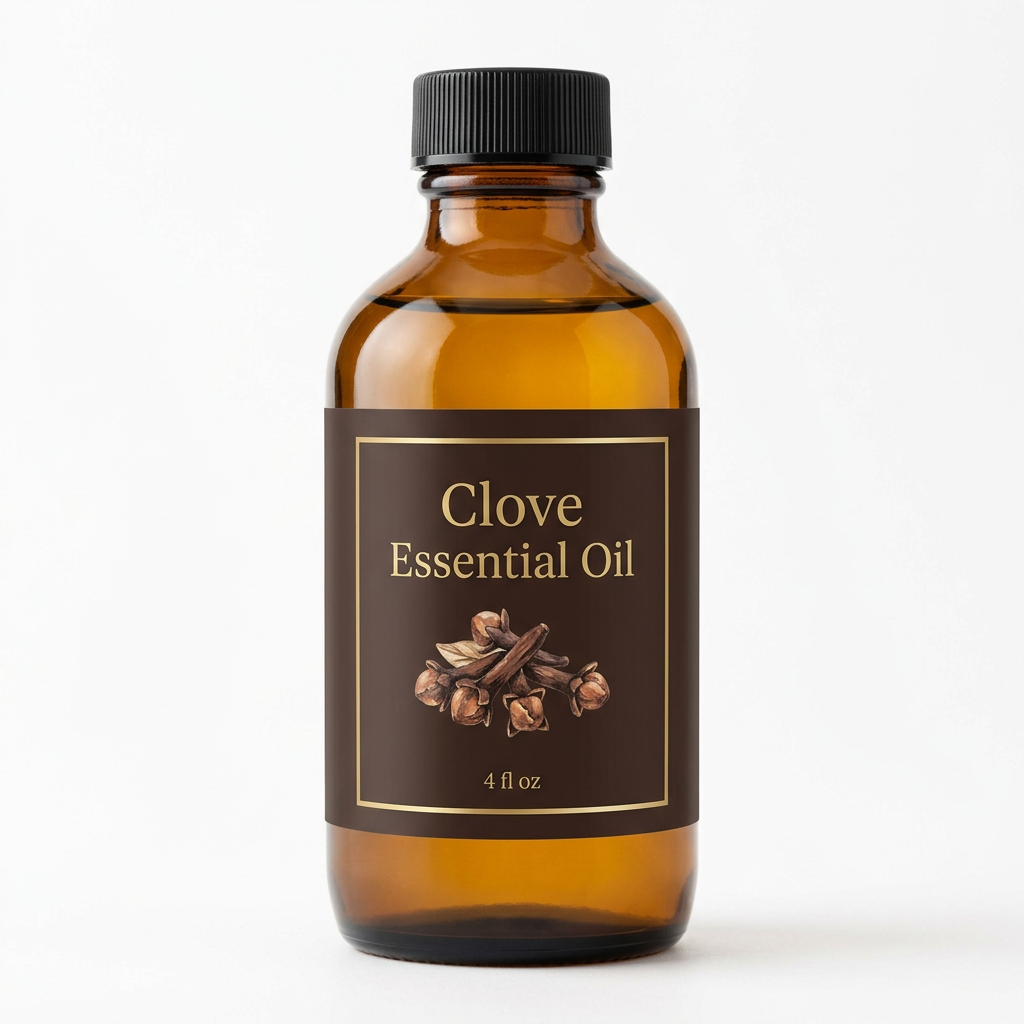 Clove Essential Oil
Our own Clove Essential Oil, in sizes from 0.5 oz to bulk. From $9.05.
Shop Now →
Clove Essential Oil
Our own Clove Essential Oil, in sizes from 0.5 oz to bulk. From $9.05.
Shop Now →
If you're wondering what to do with clove oil beyond the spice rack, the answer is: quite a lot. Clove essential oil applications stretch across the home, the craft table, and the odd corner of a hobby bench you didn't expect a spice to touch. Below are twenty ways to put a bottle to work this season, organized by where you're likely to reach for it.
Before You Start: Sourcing, Dilution, and a Few Ground Rules
Not all clove oil is distilled the same way. Bud oil tends to be rounder and warmer; leaf oil is sharper and less refined, and often cheaper for a reason. If a listing doesn't say which part of the plant it comes from, or skips the country of origin (Madagascar, Indonesia, and Sri Lanka are the usual sources), ask before you buy. A reputable seller will have a batch-specific GC/MS test on hand.
Clove oil is a hot oil, meaning it can be intense against skin even in small amounts. For any of the skin-contact ideas below, dilute well, generally no more than a 1 to 2 percent blend (roughly 6 to 12 drops per ounce of carrier oil), and always patch test on a small area of skin first. Keep bottles away from children and pets, cats in particular are sensitive to many essential oils. Avoid contact with eyes and mucous membranes, and check with a healthcare provider before adding a new oil to your routine if you're pregnant, nursing, or simply unsure. None of the ideas below call for taking clove oil internally.
Warm the Air: Scenting the Home
1. Stovetop Simmer Pot
This is the gateway use for most people. Fill a small pot with water, add orange peel, a cinnamon stick, and two or three drops of clove oil, and let it simmer low on the stove. The whole house picks up that mulled, autumnal scent within twenty minutes.
2. DIY Reed Diffuser
Mix clove oil with a light carrier like sweet almond or a neutral diffuser base in a narrow-necked bottle, then set rattan reeds in to draw the scent upward. Flip the reeds every few days to keep the throw steady.
3. Wax Melts for Warmers
Melt soy wax, stir in clove oil once the wax cools slightly (adding scent to overly hot wax burns it off), and pour into a melt tray. A few drops per ounce of wax is plenty.
4. Linen and Pillow Spray
Combine a few drops of clove oil with witch hazel and distilled water in a spray bottle, shake before each use, and mist lightly over linens from a distance. Skip a fine spray directly onto skin-adjacent fabric like pillowcases unless it's well diluted.
5. All-Purpose Room Spray
The same base as above, scaled up and paired with orange or cedarwood, makes a quick spritz for entryways and living rooms when guests are due and you want the house to smell like it's been simmering spices all afternoon (even if it hasn't).
6. Car Vent Clip Diffuser
A few drops on a felt vent clip or wooden diffuser disc turns a commute into something closer to a drive through a spice market. Refresh every few days as the scent fades.
7. Trash Can and Disposal Freshening
A couple of drops on a cotton ball tucked near the bottom of a kitchen trash can, or run down the garbage disposal with some ice cubes, cuts through kitchen odors between full cleanings.
Craft Table and Hobby Bench
8. Scenting Homemade Candles
If you pour your own soy or beeswax candles, clove oil blends beautifully with orange, cinnamon leaf, or cedarwood for a fall or winter pour. Add fragrance at the manufacturer's recommended pour temperature, typically once wax has cooled below 185°F, to protect the scent.
9. Cold-Process Soap Making
Clove brings a spicy backbone to a bar, especially paired with patchouli or sweet orange. Soap makers should weigh fragrance load carefully and check usage rate guidelines, since clove can accelerate trace in a batch.
10. Sealing Wax and Resin Crafts
A drop or two worked into melted sealing wax before stamping gives handwritten letters a faint spiced scent when the recipient breaks the seal. It's a small, old-fashioned touch that fits clove's history as a letter-and-parlor spice.
11. Homemade Incense
Blended into a resin or cone base with makko powder, clove oil adds depth to a house blend. Incense crafting takes some trial and error to get the burn rate right, so start with test batches before scaling up.
12. Modern Clove Pomanders
The classic clove-studded orange is a holiday staple, but if you're short on whole cloves or want a longer-lasting version, a few drops of oil on a dried orange slice or wooden bead ornament gets you most of the way there.
13. Autumn Potpourri Jars
Dried orange peel, cinnamon chips, star anise, and a few drops of clove oil in an open jar make a no-simmer alternative to the stovetop pot, good for a mantel or entry table that needs refreshing every week or two.
14. DIY Solid Perfume
Melted beeswax and jojoba oil, scented with a well-diluted touch of clove alongside vanilla or sandalwood, sets up into a small tin of solid perfume. Keep the clove percentage low here since it's meant for skin contact.
Practical Fixes Around the House
15. Wardrobe and Drawer Sachets
A few drops on a cotton pouch filled with rice or dried lavender, tucked into a drawer, keeps folded sweaters smelling like something other than cardboard through the winter months.
16. Sachets for Closets and Storage Bins
Clove has long been used in cedar and lavender sachet blends for closets and storage trunks, largely for the scent itself, which some people find preferable to mothballs. Refresh sachets every month or so as the scent fades.
17. Wood Furniture Polish Scent
Added in tiny amounts to a homemade beeswax and mineral oil furniture polish, clove rounds out the scent of a piece you've just buffed. Test on an inconspicuous spot first, since oils can affect certain finishes.
18. Leather Care Blend
A drop worked into a leather conditioner for boots or a saddle gives the finished product a warm, worn-in scent. Use sparingly and test on a hidden edge before treating a full piece, since strong oils can occasionally darken light leather.
Personal Rituals
19. A Cozy Bath Soak
A well-diluted blend of clove oil in Epsom salts, mixed with a dispersing carrier oil so it doesn't sit undiluted on skin, turns an ordinary bath into a seasonal ritual. Keep the amount minimal, clove is potent, and rinse promptly if any irritation occurs.
20. DIY Spiced Grooming Oil
Barbers and home crafters alike sometimes fold a trace of clove into a beard or hair oil blend built on jojoba or argan oil, mostly for the scent layered under cedarwood or sandalwood. Keep the clove portion small, this is a finishing note, not the base.
A Note on Grade and Sourcing
Clove oil varies more by sourcing than most people expect. Bud oil, leaf oil, and stem oil all come from the same tree but smell and behave differently, and pricing should reflect that. If you're building any of the projects above around clove regularly, it's worth buying from a source that discloses the plant part, origin, and harvest batch rather than a generic label. The spice traders who first carried clove across oceans understood that origin mattered. That's still true of the oil in the bottle on your shelf.